
Mohammad Ghaus Tomb
A 16th-century Mughal masterpiece, this tomb honors Sufi saint Mohammad Ghaus with intricate sandstone latticework and hexagonal kiosks.
Highlights
Must-see attractions

Social
From TikTok & Reddit
Best Time
Fewer crowds, soft light
Mohammad Ghaus Tomb
Best Time
Fewer crowds, soft light
Highlights
Must-see attractions
A 16th-century Mughal masterpiece, this tomb honors Sufi saint Mohammad Ghaus with intricate sandstone latticework and hexagonal kiosks.
"Stunning Mughal architecture and well-maintained gardens create a serene atmosphere perfect for exploration."
Bring Your Own Water 💧
No drinking water available on-site. Stay hydrated, especially in hot weather!
Photography Ready 📸
The intricate carvings and sandstone latticework are perfect for stunning photos. Visit early for best light.
Quick Facts
Hours
Rating
4.3 · 939 reviews
Highlights
Discover the most iconic attractions and experiences
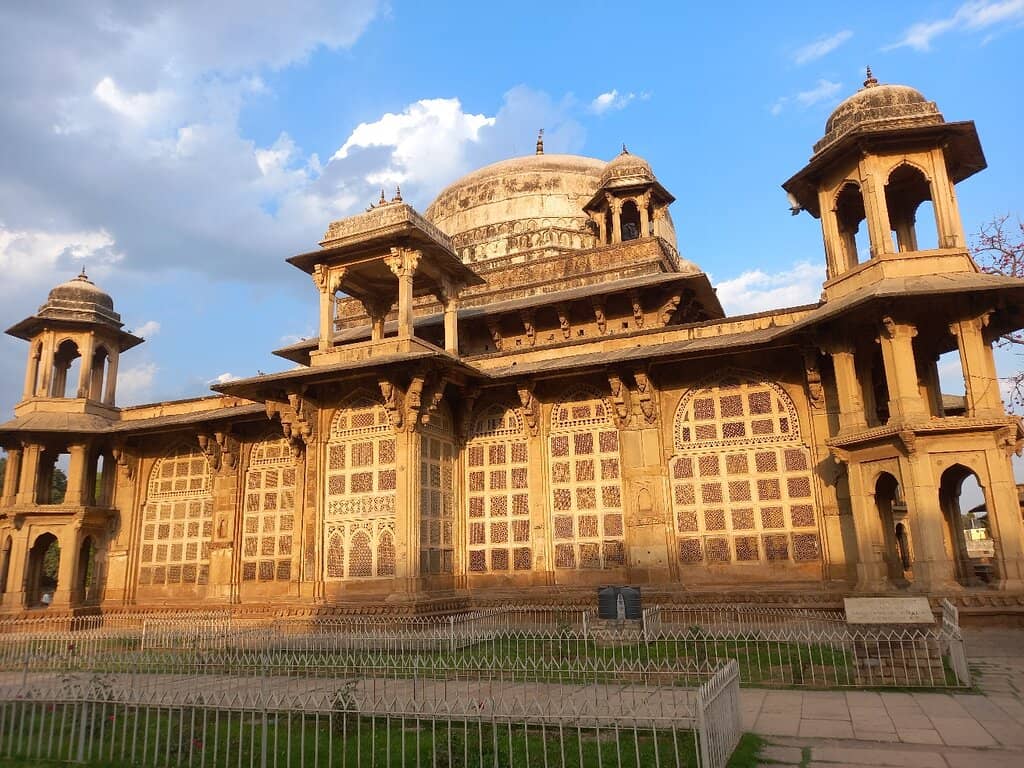
Intricate Sandstone Latticework
Exterior walls
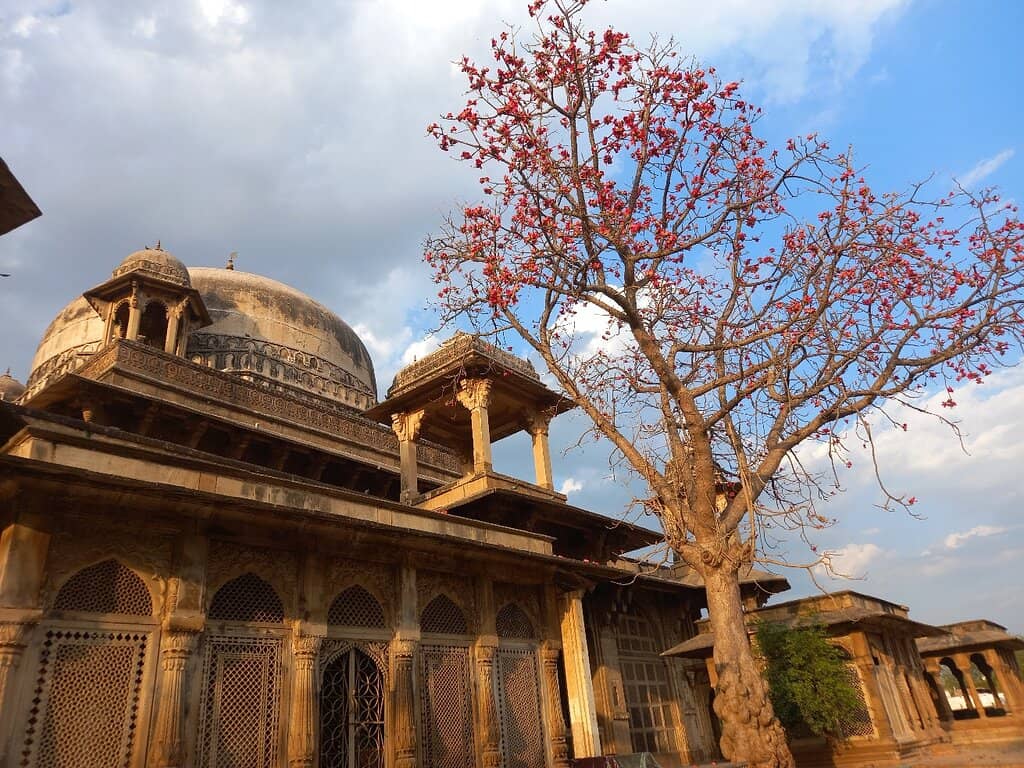
Marvel at the delicate stone latticework (jalis) that adorns the tomb, showcasing exquisite Mughal craftsmanship.
Hexagonal Kiosks and Dome
Structure
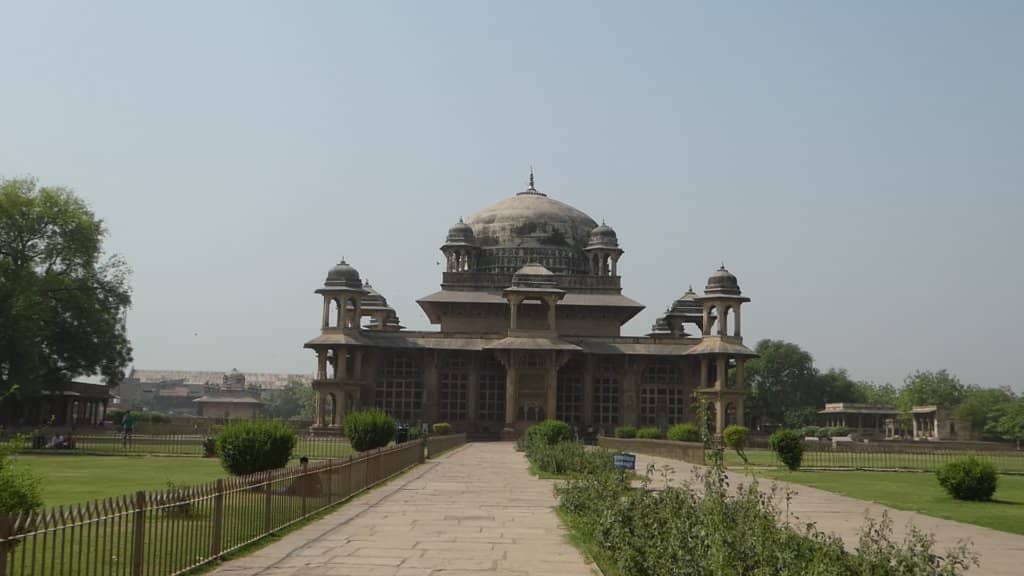
Admire the unique hexagonal domed kiosks at the corners and the grand central dome, typical of Mughal architectural style.
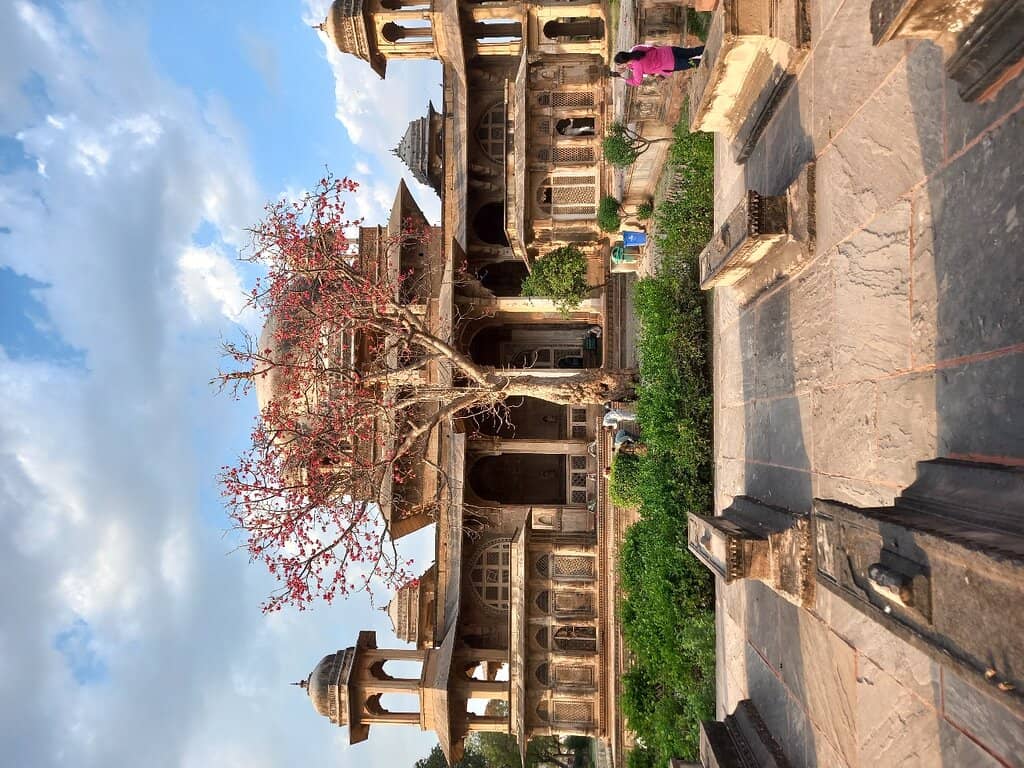
Proximity to Tansen Tomb
Adjacent complex
Explore the nearby tomb of the legendary musician Tansen, a significant historical figure and disciple of Mohammad Ghaus.
Peaceful Gardens
Surrounding grounds
Enjoy the calm ambiance amidst lush green lawns and gardens, perfect for reflection and a peaceful stroll.
Plans like a pro.
Thinks like you
Planning Your Visit
Timing Your Visit
Stay Hydrated
Best Times
Insider Tips
from TikTok, Instagram & Reddit
Bring Your Own Water 💧
No drinking water available on-site. Stay hydrated, especially in hot weather!
Photography Ready 📸
The intricate carvings and sandstone latticework are perfect for stunning photos. Visit early for best light.
Combine with Tansen Tomb
Easily visit the nearby tomb of Tansen, a historical pairing worth exploring together.
Check Timings ⏰
Opening hours vary by season. Confirm with locals for accurate timings before your visit.
Tips
from all over the internet
Bring Your Own Water 💧
No drinking water available on-site. Stay hydrated, especially in hot weather!
Photography Ready 📸
The intricate carvings and sandstone latticework are perfect for stunning photos. Visit early for best light.
Combine with Tansen Tomb
Easily visit the nearby tomb of Tansen, a historical pairing worth exploring together.
Check Timings ⏰
Opening hours vary by season. Confirm with locals for accurate timings before your visit.
Wear Comfortable Shoes 👟
You'll be doing some walking around the complex and gardens.
What Travellers Say
Reviews Summary
Visitors praise the Tomb of Mohammad Ghaus for its stunning Mughal architecture, intricate sandstone latticework, and serene atmosphere. The historical significance, especially its connection to the Sufi saint Mohammad Ghaus and musician Tansen, is a major draw. However, the lack of drinking water facilities on-site is a recurring point of disappointment for many.
"The Tomb of Muhammad Ghaus is a peaceful and beautiful Mughal-era monument in Gwalior. The sandstone structure, with its delicate lattice windows (jalis) and Indo-Islamic design, is stunning for photography and history lovers. The complex is well kept and offers a quiet atmosphere away from the busy city. It’s also historically important, as the great musician Tansen is buried nearby. A must-visit spot for those exploring Gwalior’s heritage."
Rahish Khan
""The Tomb of Mohammad Ghaus in Gwalior is a beautiful site, located conveniently near Tansen Tomb. The stunning Mughal architecture and well-maintained gardens create a serene atmosphere perfect for exploration and reflection. However, I was disappointed to find there was no drinking water available on-site, which is essential for visitors, especially in the warmer months. Despite this, the historical significance and beauty of the tomb make it a worthwhile visit. Just be prepared to bring your own water to fully enjoy this lovely place!""
Ashish Parihar
"It is a popular heritage site at Tansen nagar of Gwalior city in Madhya Pradesh. It is a must visit place while doing a local city tour of Gwalior.
Opening and closing time depending on sunrise and sunset so in different seasons the timings may differ, must check with the local public for timings. Dec - 2024"
Gargesh Jadav
What People Like
What People Dislike
Frequently Asked Questions
🚇 🗺️ Getting There
The Tomb of Mohammad Ghaus is conveniently located in Gwalior, Madhya Pradesh, about 1 km from Gwalior Fort and 3 km from Gwalior Junction.
Yes, the tomb complex is situated in Tansen Nagar and is generally accessible. The surrounding grounds are well-maintained, making it easy to explore the main structure and the nearby Tansen Tomb.
The distance between the Tomb of Mohammad Ghaus and Gwalior Fort is about 1 km.
🎫 🎫 Tickets & Entry
Information regarding ticket prices is not readily available in the provided sources. However, as a historical monument, there might be an entry fee. It's advisable to check with local authorities or at the site upon arrival.
The opening and closing times for the Tomb of Mohammad Ghaus can vary depending on the season, often aligning with sunrise and sunset. It's best to confirm the exact timings with local sources or at the site before your visit.
Specific details on entry fees are not provided. As a heritage site, there may be a nominal fee. It's recommended to inquire locally or at the entrance for the most current information.
Absolutely! The tombs are located in close proximity, making it easy to visit both as part of a single trip. Many visitors explore them as a combined heritage experience.
📸 📸 Photography
The intricate sandstone latticework, the hexagonal kiosks, and the overall Mughal architecture offer fantastic photo opportunities.
Photography is generally allowed within the complex, but it's always a good idea to check for any specific restrictions on-site, especially regarding flash photography or filming inside the main tomb structure.
Early mornings and late afternoons are ideal for photography. The soft, warm light during these times enhances the beauty of the sandstone architecture and creates a serene atmosphere.
As a protected heritage site, drone usage is likely restricted. It's best to check with the Archaeological Survey of India (ASI) or local authorities for regulations regarding drone photography.
🎫 🏛️ Onsite Experience
The tomb was built in the 16th century during Emperor Akbar's rule for the Sufi saint Mohammad Ghaus, who was a spiritual guide to Emperor Babur. The saint holds an important place in Mughal history and is revered by both Muslims and Hindus.
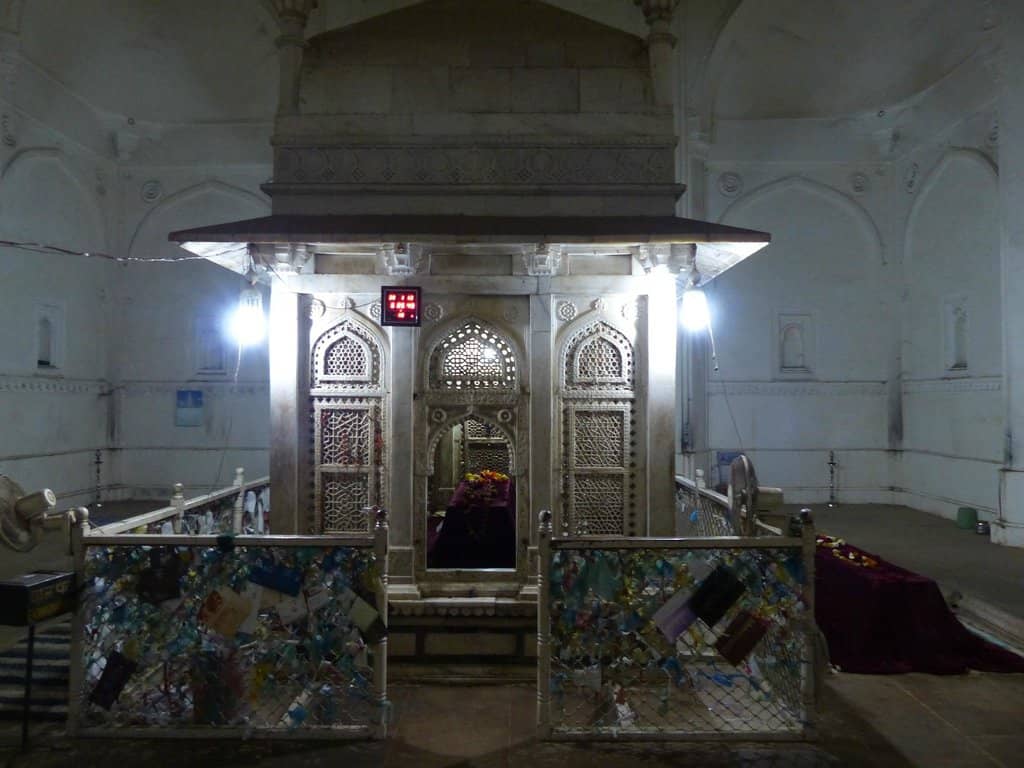
You'll find the main tomb of Mohammad Ghaus with its distinctive Mughal architecture, including intricate carvings and latticework. The complex also houses the tomb of the legendary musician Tansen and other historical tombs and ruins.
Yes, visitors often describe the tomb complex as peaceful and serene, with well-maintained gardens providing a calm atmosphere away from the city bustle.
While the complex is well-maintained, a notable absence of drinking water facilities has been reported by visitors. Restrooms might be available, but it's best to confirm on-site.
The tomb is a prime example of Mughal architecture, featuring a square plan, a central dome, hexagonal domed kiosks at the corners, sloping eaves, and intricate carvings and latticework on its sandstone walls.

Social
from TikTok, Instagram & Reddit