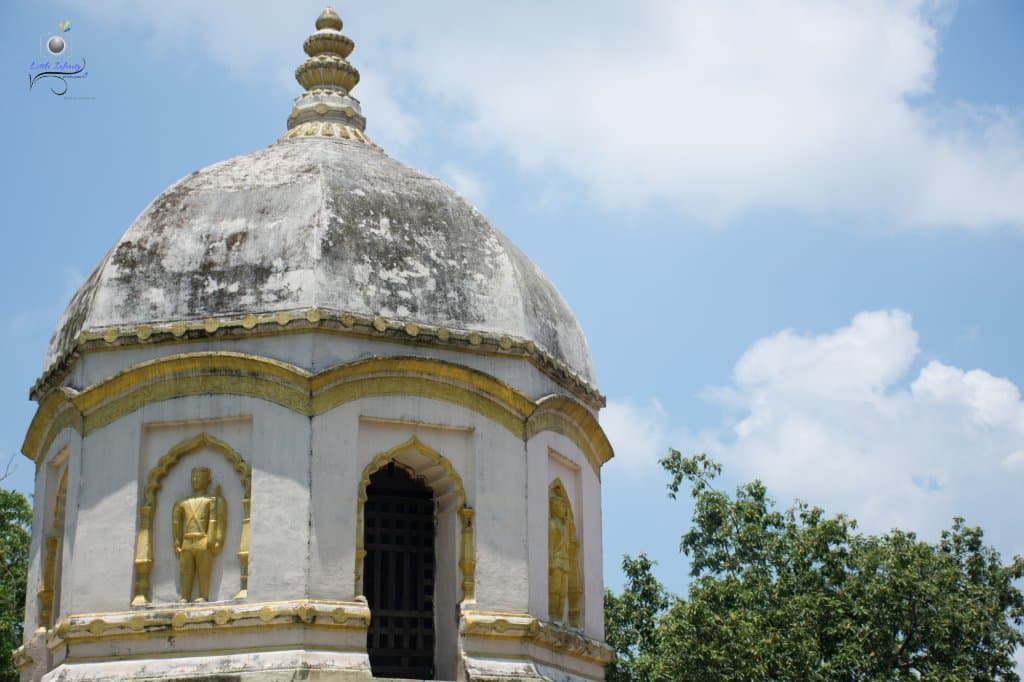
Hayagriva Madhava Temple Hajo
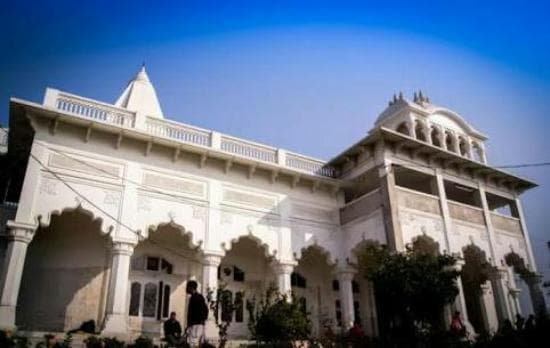
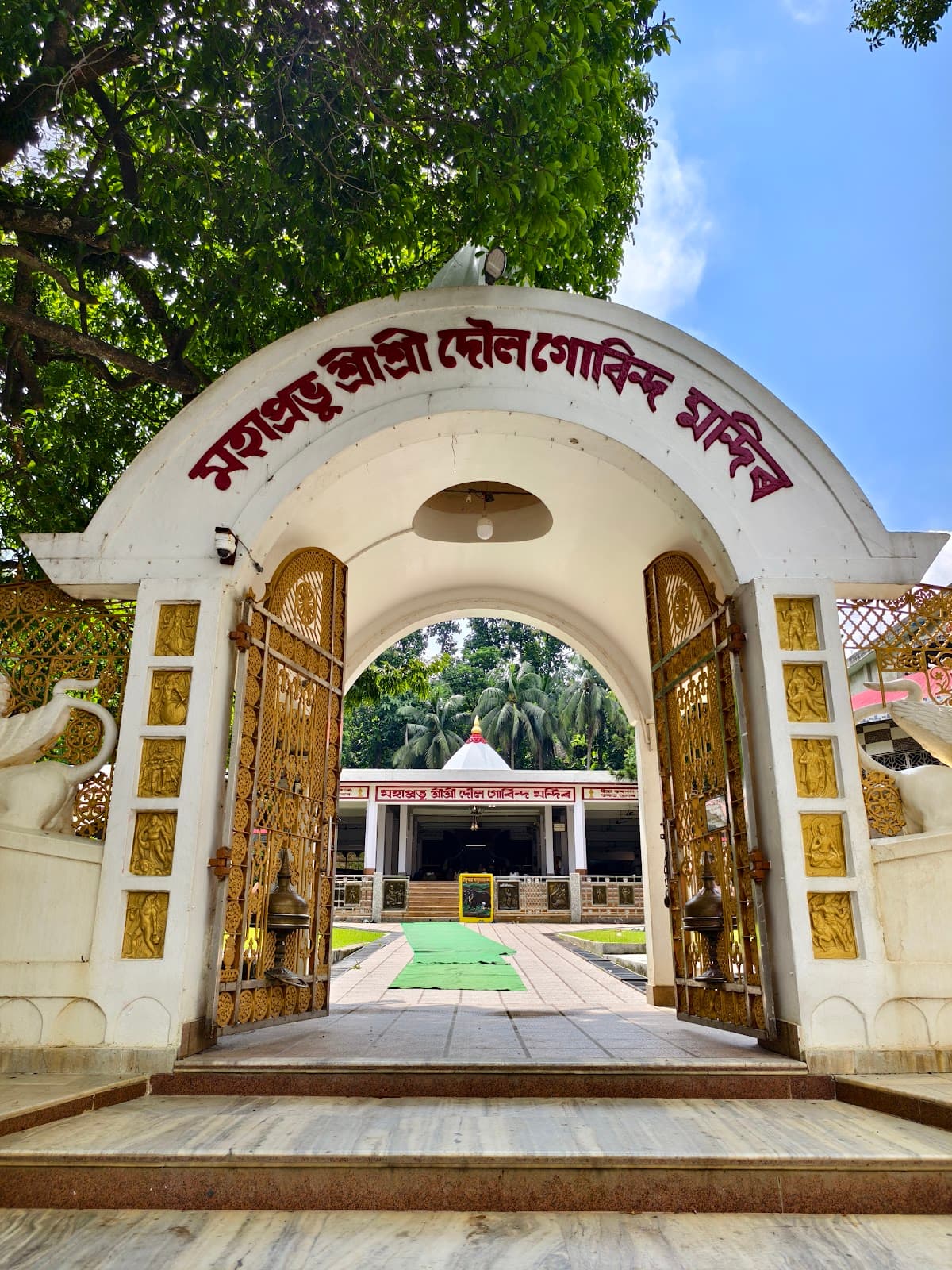
A 16th-century architectural marvel on a hilltop, revered by Hindus and Buddhists, featuring intricate sculptures and a sacred turtle pond.
Highlights
Must-see attractions

Social
From TikTok & Reddit
Best Time
Peaceful atmosphere
Hayagriva Madhava Temple Hajo
Best Time
Peaceful atmosphere
Highlights
Must-see attractions
A 16th-century architectural marvel on a hilltop, revered by Hindus and Buddhists, featuring intricate sculptures and a sacred turtle pond.
"The intricate sculptures and ancient turtles make this a must-visit for spiritual solace and architectural marvels."
🎯 Be Prepared for Priests
Priests may approach for donations; manage expectations and be firm if needed. 🙏
🐢 Visit the Turtle Pond
See the ancient turtles in the temple pond, a unique natural attraction. 🐢
Quick Facts
Hours
Rating
4.6 · 2,026 reviews
Type
Hindu Temple
Highlights
Discover the most iconic attractions and experiences
Intricate Outer Wall Sculptures
Outer walls of the sanctum
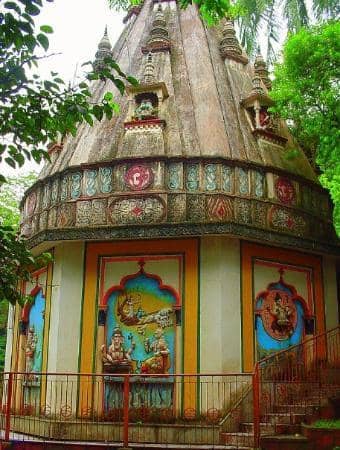
Marvel at the detailed carvings depicting deities, mythical scenes, and daily life, showcasing a revival of art after centuries of decline.
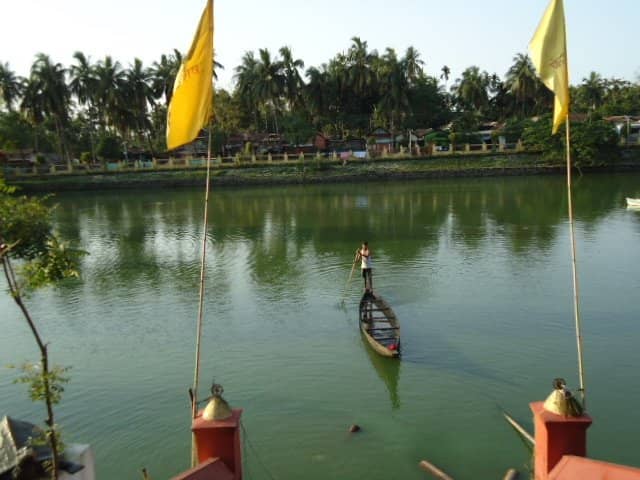
The Sacred Temple Pond
Adjacent to the temple
Home to ancient turtles, this pond offers a unique natural spectacle, though its upkeep is a point of concern for some visitors.

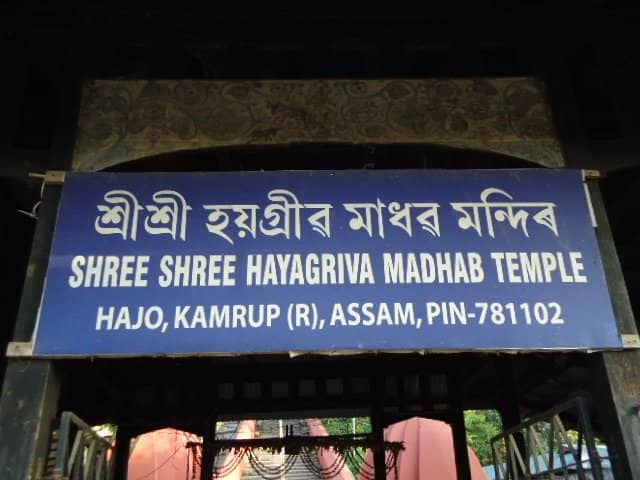
Inner Sanctum's Divine Idols
Main sanctum
Behold the impressive carvings of Hayagriva (horse-necked Vishnu) flanked by smaller Vishnu idols, a focal point of devotion.
Plans like a pro.
Thinks like you
Planning Your Visit
Timing Your Visit for Serenity
Respectful Engagement and Cleanliness
Best Times
Insider Tips
from TikTok, Instagram & Reddit
🎯 Be Prepared for Priests
Priests may approach for donations; manage expectations and be firm if needed. 🙏
🐢 Visit the Turtle Pond
See the ancient turtles in the temple pond, a unique natural attraction.
🚶♀️ Explore the Hilltop
The temple is situated on Monikut hill, offering scenic views.
📸 Capture the Sculptures
The outer walls are adorned with exquisite, detailed carvings. :camerawithflash:
Tips
from all over the internet
🎯 Be Prepared for Priests
Priests may approach for donations; manage expectations and be firm if needed. 🙏
🐢 Visit the Turtle Pond
See the ancient turtles in the temple pond, a unique natural attraction.
🚶♀️ Explore the Hilltop
The temple is situated on Monikut hill, offering scenic views.
📸 Capture the Sculptures
The outer walls are adorned with exquisite, detailed carvings. :camerawithflash:
🙏 Dress Modestly
As a religious site, respectful attire is recommended.
What Travellers Say
Reviews Summary
Visitors praise the Hayagriva Madhava Temple for its stunning architectural sculptures and the unique presence of ancient turtles in its sacred pond. The spiritual ambiance and historical significance are deeply appreciated, offering a divine experience. However, some find the interactions with priests persistent, and the cleanliness of the temple pond could be improved.
"Built by cooch behar kings in 16th century in the place of old temple and located on a hilltop has a beautiful sanctum tower with outerwalls having excellent sculpture and designs with a layer of elephants to feel the final revival of temples as art and architecture was almost dead for 700 years under the Islamic rule of India.The inner sanctorum currently has medium sized carving of hayagriva or horse necked Vishnu flanked by two smaller Vishnu idols on either side in the form of Jagannath,Vasudeva,Gour etc is impressive and the hall has completely fallen down with ruins scattered everywhere and they have added modern wooden and tin sheet hall to the historic sanctum for completeness sake.The sculpture on the outer walls in the form of lively hayagreeva,rama lakshmana,Vishnu carried by Garuda flanked by lady helper assistants,warrior sitting on elephant fighting with lion,fading away astadikpala,damaged warrior on horse,immortal expressions of couple on makaram or crocodile chariot,few social themes of devotees and musicians,human Vishnu travelling on horse,white washed expressions of warrior couple and finally Narasimha removing the intestines of hiranyakasipu and his sad expression is worth visiting to feel the beauty of art and sculpture."
Purushotham Sunku
"This temple is one of the ancient temples in India as well as Assam, a very beautiful place and surrounded by mother nature, and anyone can google about this temple if you want to know more about this temple.
But my main concern is regarding the cleanliness and the pujari system. Immediately after parking people are asking for buying puja materials then after entering the temple pujaris are telling me to give money here and there and after coming out of the temple I visited the pond to see the turtle 🐢, and my goodness the pond was so dirty and full of algae. The temple authority should maintain the pond as well as the surroundings of the temple."
Mrinal Jyoti Sarma
"Hajo Madhab Mandir is a must-visit destination for those seeking spiritual solace, cultural insights, and architectural marvels."
Shruti Mahanta
What People Like
What People Dislike
Frequently Asked Questions
🚇 🗺️ Getting There
The temple is located on Monikut hill in Hajo, about 30 km west of Guwahati in Assam, India. You can hire a taxi or take a local bus from Guwahati to reach Hajo. Many visitors opt for a scenic drive or even a cycling trip. +1
Yes, Hajo is relatively accessible from Guwahati. The journey typically takes around 1 to 1.5 hours by road, depending on traffic conditions.
For exploring Hajo and its surroundings, including the temple, hiring a local auto-rickshaw or taxi is a convenient option. For the adventurous, cycling is also a popular choice among locals.
The temple itself is a prominent landmark on Monikut hill. Hajo is known for several other religious sites, making it a significant pilgrimage destination.
From Guwahati, expect a travel time of about 1-1.5 hours. If coming from further afield, you'd first need to reach Guwahati, which is well-connected by air and rail.
🎫 🎫 Tickets & Entry
Generally, there is no entry fee to visit the Hayagriva Madhava Temple. However, donations are welcomed and encouraged by the temple authorities.
The temple is typically open from early morning until evening. It's advisable to visit during daylight hours to fully appreciate the architecture and surroundings.
Advance booking is not usually required as there is no formal ticketing system for entry. Visitors can arrive and explore freely.
Photography is generally permitted in the temple complex, but it's always respectful to avoid taking photos of devotees during prayer or inside the inner sanctum.
It is recommended to dress modestly out of respect for the religious nature of the site. Avoid revealing clothing.
🎫 🧭 Onsite Experience
Many visitors are struck by the intricate sculptures on the outer walls, depicting various deities and mythological scenes, showcasing a significant revival of art.
The temple is revered by both Hindus and Buddhists, highlighting a confluence of religions. It houses an image of Hayagriva Madhav, a form of Vishnu.
The temple pond is known for its ancient turtles, which are considered a unique natural attraction by visitors.
While the inner sanctum is well-maintained, parts of the outer halls have fallen into ruin, with modern additions made for completeness. The outer wall sculptures are a major highlight.
The atmosphere is generally divine and spiritual, especially during quieter times. Some visitors report a mystical feeling upon entering.
🍽️ 🍽️ Food & Dining
While there might be small local eateries in Hajo town, dedicated restaurants directly adjacent to the temple are limited. It's advisable to plan your meals before or after your visit.
Yes, Hajo is a town in Assam, so you can find opportunities to try authentic Assamese cuisine in local establishments.
Information about prasad availability is not widely detailed, but it's common in many Hindu temples. Inquiring locally might provide more clarity.
Exploring local markets in Hajo can lead to discovering regional snacks and dishes.
If you're on a day trip from Guwahati, it's often easier to dine in Guwahati before or after your visit to Hajo, as it offers a wider range of restaurants.
📸 📸 Photography
The intricately carved outer walls, the temple pond with its turtles, and the overall hilltop vista offer excellent photographic opportunities. +1
While general photography is allowed, it's respectful to avoid photographing devotees during prayer or inside the inner sanctum.
Early mornings and late afternoons offer softer light, ideal for capturing the temple's details and the surrounding landscape.
Drone usage is typically restricted at religious sites and may require special permissions. It's best to check local regulations beforehand.
Any camera or smartphone capable of capturing detailed shots will work well. The key is to focus on the intricate sculptures and the natural beauty.





Social
from TikTok, Instagram & Reddit