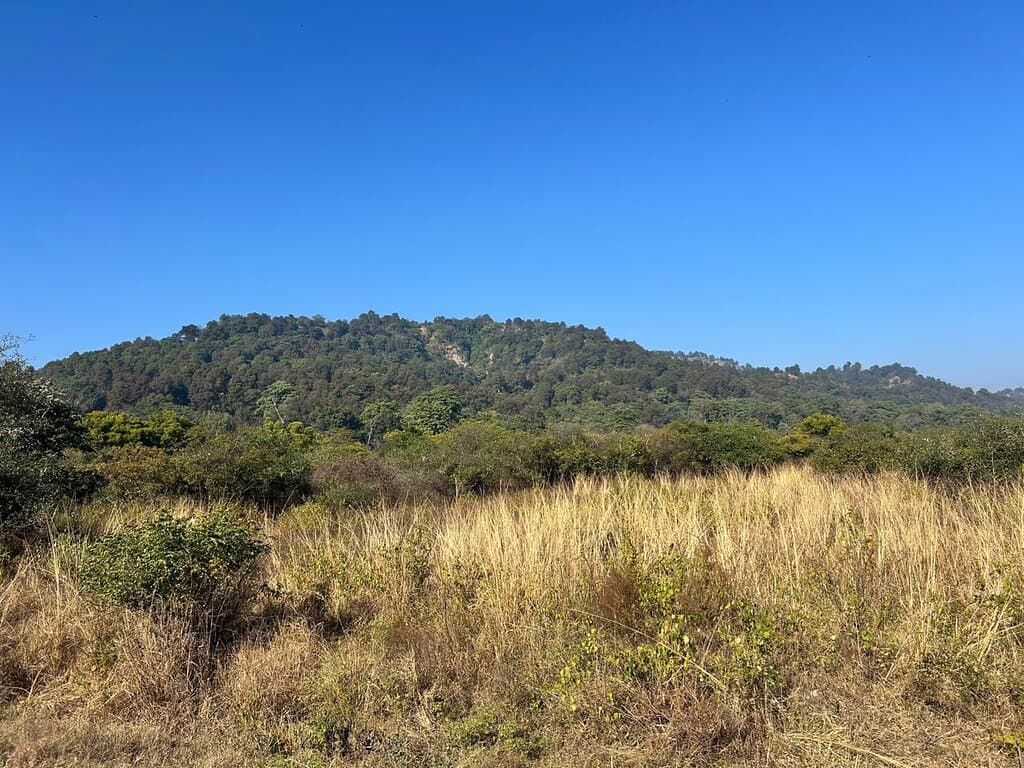
Jim Corbett National Park
India's oldest national park, a renowned tiger reserve offering thrilling safaris amidst diverse flora and fauna.
Highlights
Must-see attractions

Social
From TikTok & Reddit
Best Time
Best tiger sighting chances
Jim Corbett National Park
Best Time
Best tiger sighting chances
Highlights
Must-see attractions
India's oldest national park, a renowned tiger reserve offering thrilling safaris amidst diverse flora and fauna.
"A paradise for nature and wildlife lovers, the jungle safari is an unforgettable experience."
🎯 Book Permits Early
Secure safari permits for Dhikala/Bijrani weeks in advance. :admission_tickets:
🚗 Hire Authorized Guides
Knowledgeable guides enhance your safari experience and ensure safety. :male_detective:
Quick Facts
Hours
Rating
4.4 · 34,737 reviews
Type
National Park
Address
Website
corbettgov.orgHighlights
Discover the most iconic attractions and experiences
Royal Bengal Tiger Sighting
The ultimate thrill: spotting the elusive Bengal tiger in its natural habitat. A truly unforgettable wildlife encounter.
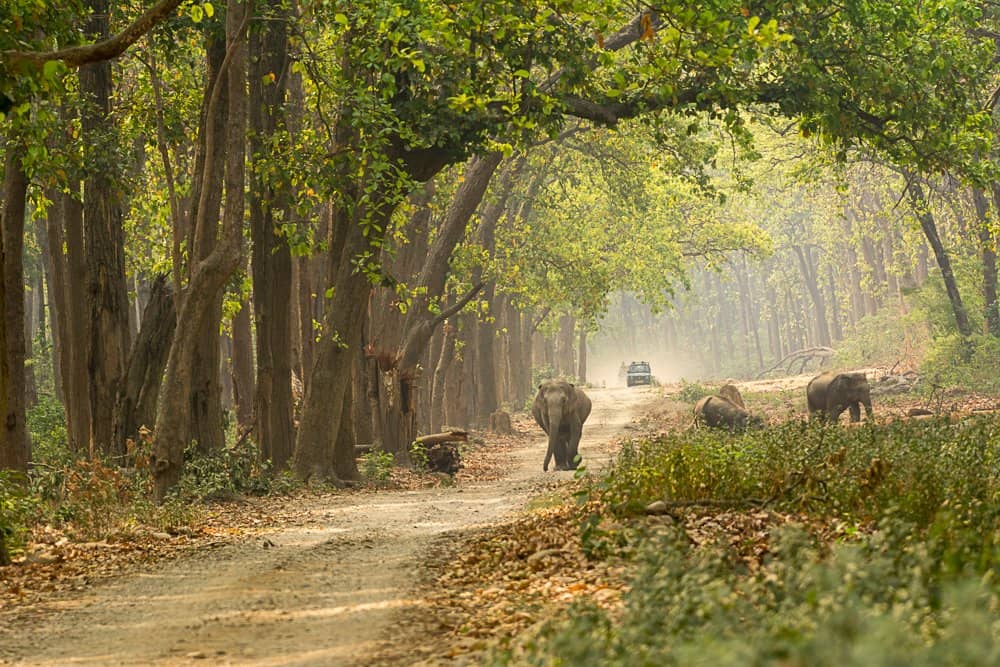
Diverse Flora and Fauna
Explore lush Sal forests, grasslands, and riverine belts teeming with deer, elephants, and over 600 bird species.

Ramganga River
This scenic river adds to the park's charm, attracting various reptiles and amphibians, and offering beautiful views.
Plans like a pro.
Thinks like you
Planning Your Visit
Book Safaris in Advance
Best Time for Tiger Sightings
Best Times
Insider Tips
from TikTok, Instagram & Reddit
🎯 Book Permits Early
Secure safari permits for Dhikala/Bijrani weeks in advance. :admission_tickets:
🚗 Hire Authorized Guides
Knowledgeable guides enhance your safari experience and ensure safety. :male_detective:
🥾 Wear Comfortable Shoes
Essential for any walking or exploring within the park premises. :athletic_shoe:
💧 Carry Water & Essentials
Stay hydrated and prepared for your jungle adventure. :water_wave:
Tips
from all over the internet
🎯 Book Permits Early
Secure safari permits for Dhikala/Bijrani weeks in advance. :admission_tickets:
🚗 Hire Authorized Guides
Knowledgeable guides enhance your safari experience and ensure safety. :male_detective:
🥾 Wear Comfortable Shoes
Essential for any walking or exploring within the park premises. :athletic_shoe:
💧 Carry Water & Essentials
Stay hydrated and prepared for your jungle adventure. :water_wave:
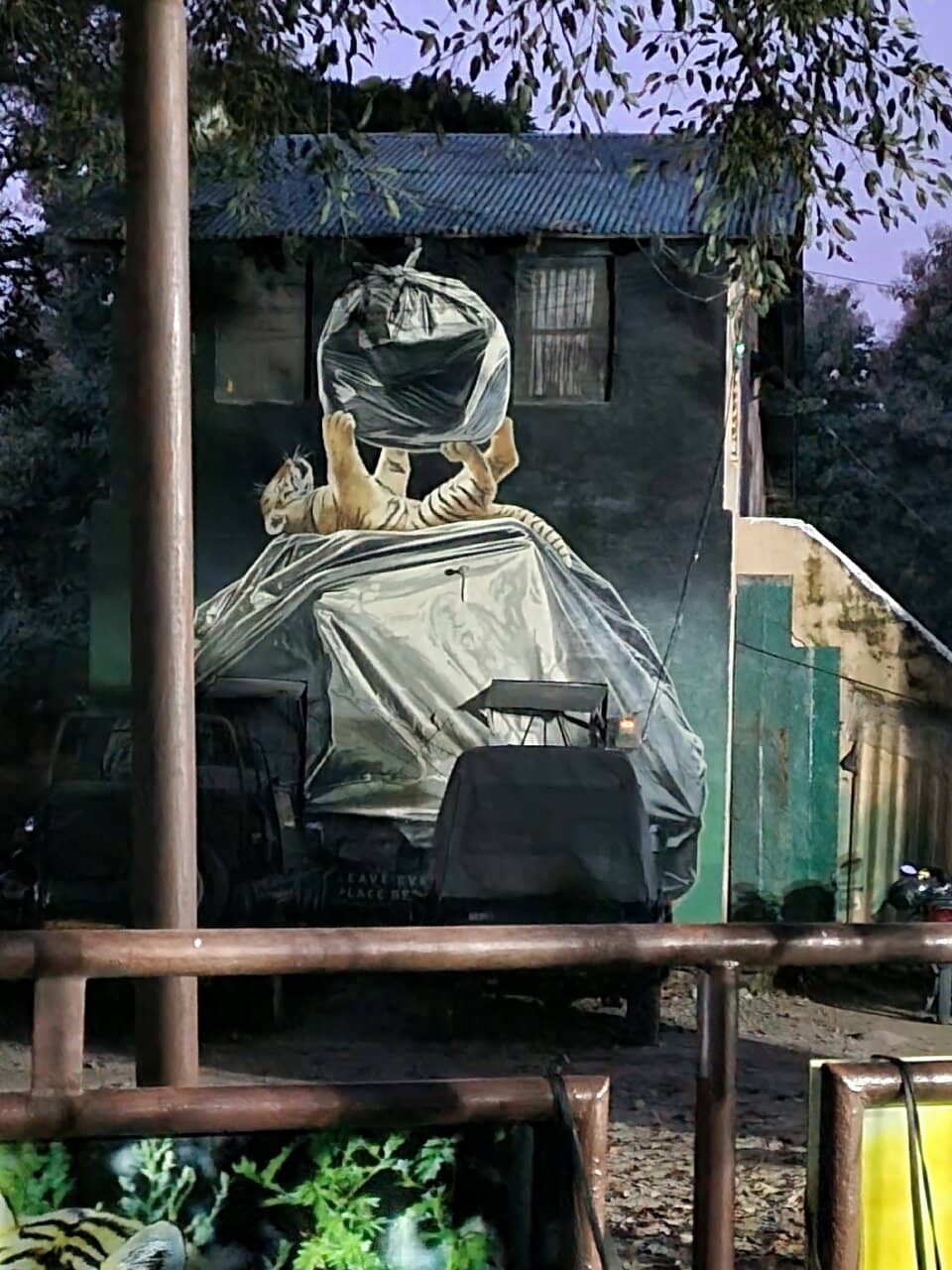
🚫 Do Not Litter
Respect the jungle's sanctity and wildlife. Pack out what you pack in. :noentrysign:
📸 Early Morning Safaris
Best for wildlife spotting and photography due to active animals and soft light. :camerawithflash:
What Travellers Say
Reviews Summary
Jim Corbett National Park is widely praised as a paradise for nature and wildlife lovers, offering an unforgettable jungle safari experience with chances to spot majestic tigers, elephants, and diverse birdlife. Visitors rave about the stunning landscapes, fresh air, and knowledgeable guides, making it a highly recommended destination for a refreshing break in the wild. While wildlife sightings are never guaranteed, the overall experience of immersion in nature is consistently rated as fabulous and picturesque.
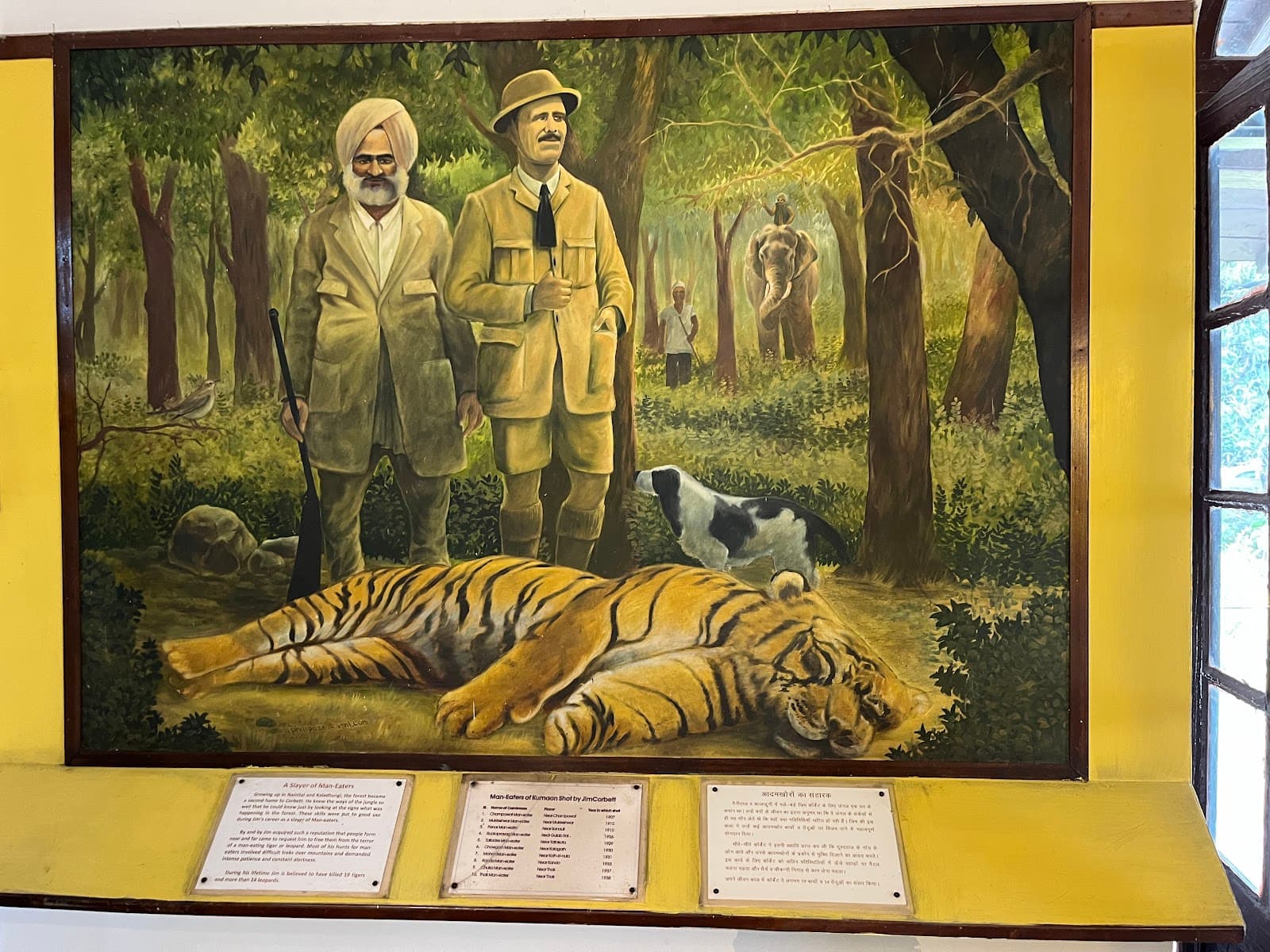
"Jim Corbett National Park is a wildlife sanctuary in Uttarakhand, India, famous for its population of Bengal tigers and rich biodiversity. Established in 1936, it is the oldest national park in India and offers visitors opportunities for safaris to see animals like tigers, leopards, and elephants. The park features different zones with varying accessibility, and the best time to visit is typically between December and March for pleasant weather and higher chances of wildlife sightings. Key features Location: The park is situated in the foothills of the Himalayas in the Nainital district of Uttarakhand. The nearest major town for access is Ramnagar. Wildlife: It is home to a large number of tigers, as well as other animals like leopards, wild elephants, and hundreds of species of birds. History: Originally established as Hailey National Park in 1936, it was later renamed in honor of the naturalist and hunter Jim Corbett. Zones and Safaris: The park has several zones, with some like Dhikala and Bijrani being popular for safaris. There are specific rules for which zones are open at different times of the year. Best Time to Visit: The period between December and March is better chances of spotting a Bengal tiger. 🐯🐯🐅🐅🐅🐘🐘🐘"
Nilesh Anjankar
"Visiting Jim Corbett National Park is an unforgettable experience for nature and wildlife lovers. The park is well maintained, rich in flora and fauna, and offers the thrill of spotting wild animals in their natural habitat. For those hoping to see the majestic Bengal tiger, I recommend planning a trip during the summer months, as the chances of tiger sightings are higher.
A stay of 2 to 3 days is ideal to cover different areas of the park without rushing. Make sure to plan for at least two or more safaris across different zones for a more complete experience, as every zone has its own unique landscape and wildlife. Early morning safaris are the most rewarding, with better light, cooler weather, and more active wildlife. Always book safaris only through authorized agents to avoid last-minute issues. During the monsoon season, expect to pay around ₹5,000–6,000 per safari jeep, which usually accommodates 6 people.
Carry essentials like goggles, caps, and a water bottle to stay comfortable, and most importantly, do not litter—respect the sanctity of the jungle and its wildlife. After safaris, you can enjoy the riverside restaurants, temples, and other attractions in Ramnagar city, as there’s usually time left in the day.
Overall, Jim Corbett is a perfect mix of adventure, peace, and natural beauty. Highly recommended for families, photographers, and anyone seeking a refreshing break in the wild."
Anuj Shukla
"Beautiful place, and depending on the zone you visit, you may get to see a tiger.
We visited in the month of November. According to our guide, the chances of tiger sightings in November are lower compared to March–April, as the weather is cooler and the grass is taller.
Even though we didn’t spot a tiger, we saw many deer, monkeys, and a lot of other wildlife along the way. The forest itself is very peaceful and scenic, especially in the early morning.
Our guide, Manoj, explained everything very well. He even showed us tiger footprints and claw marks on trees, which indicate the tiger’s territory.
Money :- 3300 online Booking.
On arrival:- 2700 safari + 900 guide
Please Book online morning or afternoon slots."
pranav shete
What People Like
What People Dislike
Frequently Asked Questions
🚇 🗺️ Getting There
The most common route is by road, taking approximately 7-8 hours from Delhi. You can hire a taxi or take a bus to Ramnagar, the gateway town to the park.
Open-air jeep safaris are the primary mode of transport for exploring the park's different zones. Canter safaris are also available for larger groups.
The nearest airports are Pantnagar Airport (PGH), about 80 km away, and Dehradun Airport (DED), about 150 km away. From these airports, you can hire a taxi to reach the park.
While a day trip is possible, it's highly recommended to stay for at least 2-3 days to experience different zones and safaris without rushing.
The main entry gates include Dhangarhi (for Dhikala zone), Amdanda (for Bijrani zone), and Kotdwar (for the Sitabani buffer zone).
🎫 🎫 Tickets & Entry
Entry fees vary by zone and nationality. For Indian nationals, it's typically around ₹200-₹400 per person per safari. Foreign nationals pay more. Safari jeep charges are additional, around ₹5,000-₹6,000 during monsoon.
Yes, booking safari permits well in advance, especially for popular zones like Dhikala and Bijrani, is highly recommended to avoid disappointment.
Safaris typically operate in two shifts: early morning (around 6 AM to 9 AM) and afternoon (around 3 PM to 6 PM), depending on the season and zone.
Yes, safari permits can be booked online through the official Corbett Tiger Reserve website or authorized travel agents.
Yes, the park is divided into several zones, including Dhikala, Bijrani, Jhirna, Dhela, and Sitabani, each offering unique landscapes and wildlife viewing opportunities.
🎫 🧭 Onsite Experience
The best time for tiger sightings is generally from March to June. However, the park is beautiful year-round, with different seasons offering unique experiences.
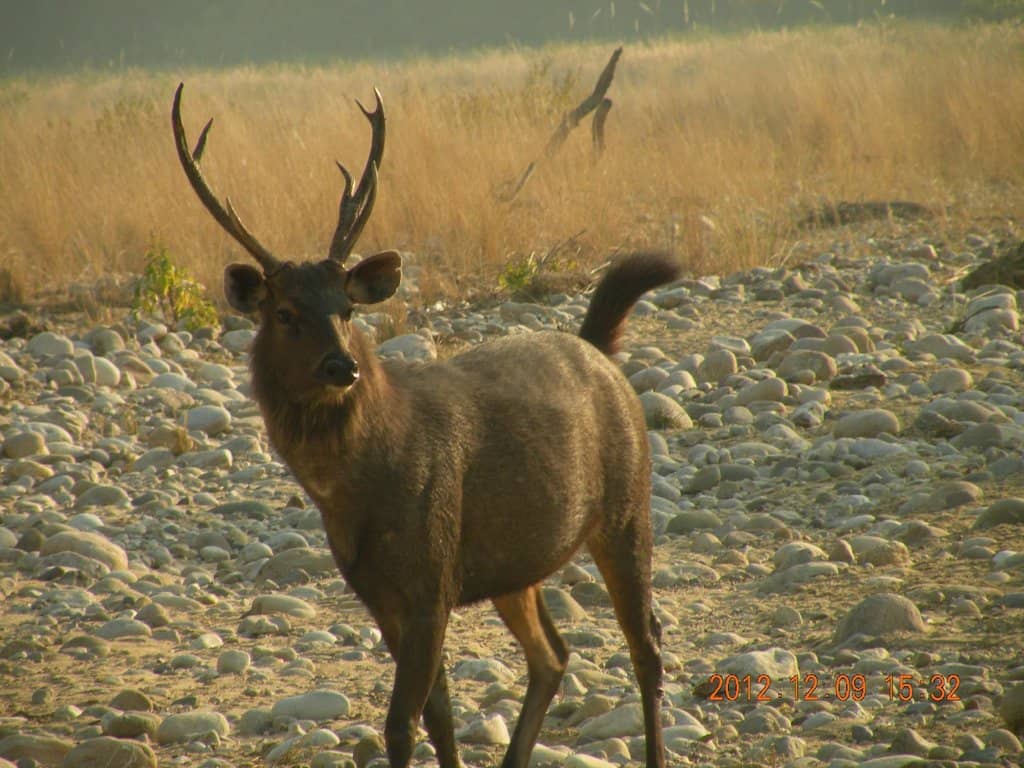
You can expect to see Bengal tigers, elephants, leopards, various deer species (sambar, chital), wild boars, monkeys, and over 600 species of birds.
Yes, you can enjoy birdwatching, nature walks (in designated areas), photography, and even bungee jumping at the Dhikuli zone, which claims to have India's highest bungee tower.
The park is generally safe for tourists when following guidelines and staying with authorized guides. Avoid venturing out alone, especially after dark.
Pack comfortable clothing, sturdy shoes, a hat, sunglasses, insect repellent, a water bottle, and a camera. Binoculars are also highly recommended for wildlife viewing.
🍽️ 🍽️ Food & Dining
Accommodation options within the park, like forest rest houses, usually have in-house dining facilities. Outside the park, Ramnagar offers various restaurants and eateries.
Yes, most restaurants and dhabas in and around the park offer a variety of vegetarian dishes, common in Indian cuisine.
Yes, after safaris, you can explore riverside restaurants in Ramnagar city for a meal with scenic views.
It's a good idea to carry some light snacks and plenty of water, especially for longer safari durations.
You'll find a mix of North Indian cuisine, with options for continental and local Kumaoni dishes at various resorts and restaurants.
📸 📸 Photography
Every zone offers unique photographic opportunities, from dense forests and grasslands to riverbanks. Early morning and late afternoon light are ideal.
A telephoto lens (200-400mm) is essential for wildlife. A wide-angle lens is useful for landscapes. A sturdy tripod can be helpful for low-light conditions.
Photography is generally allowed, but avoid using flash photography, especially for wildlife, as it can disturb them.
Drone usage is typically prohibited within national parks to avoid disturbing wildlife and for security reasons. Always check the latest regulations.
The 'golden hours' – early morning and late afternoon – offer the best light for photography and are when animals are most active.

Social
from TikTok, Instagram & Reddit