Bava Pyara Caves
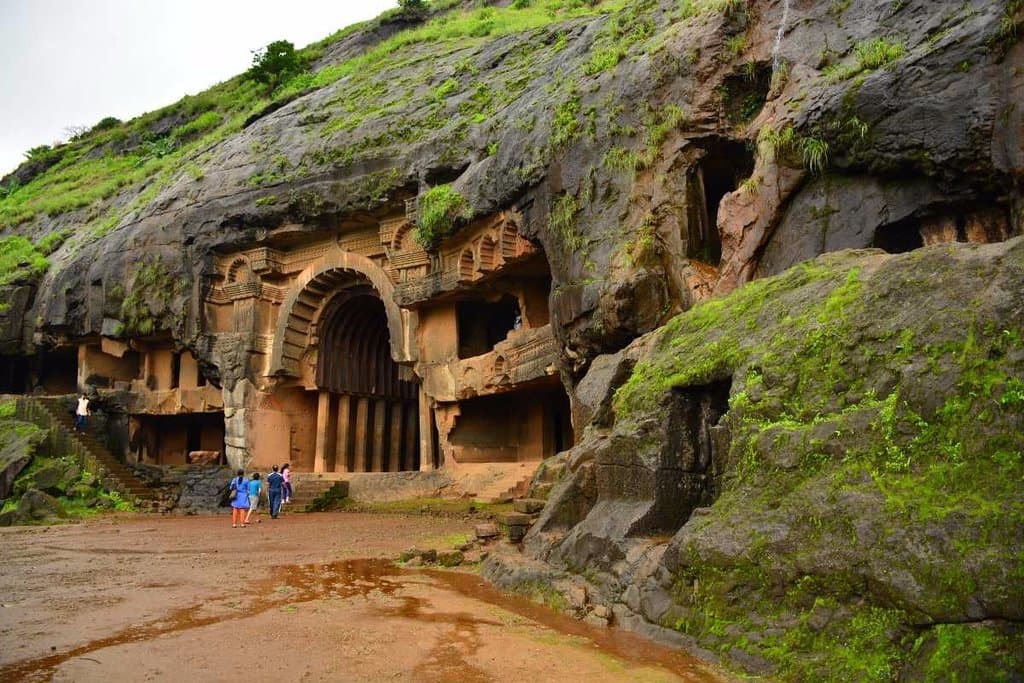
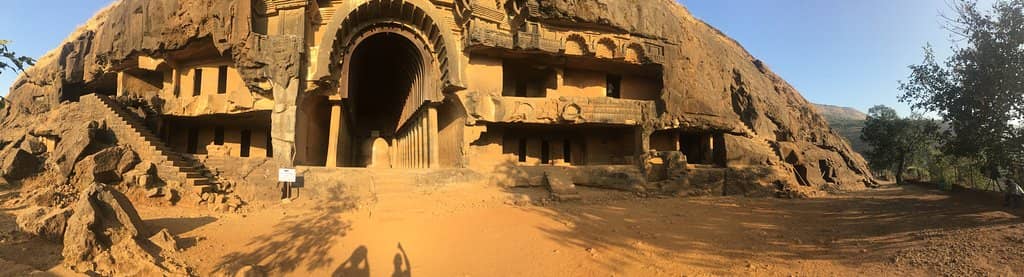
Ancient rock-cut caves in Junagadh, Gujarat, showcasing unique Buddhist and Jain artistry and historical significance.
Highlights
Must-see attractions

Social
From TikTok & Reddit
Best Time
Fewer crowds, better light
Bava Pyara Caves
Best Time
Fewer crowds, better light
Highlights
Must-see attractions
Ancient rock-cut caves in Junagadh, Gujarat, showcasing unique Buddhist and Jain artistry and historical significance.
"Very old and interesting caves carved from stone, a spectacular ancient structure."
⏰ Respect Closing Time
Ensure you visit before 6:00 PM, as entry is strictly prohibited after closing. Plan your visit accordingly!
🚶♂️ Explore Uperkot Fort
Combine your visit with Uperkot Fort, located nearby. It's a fantastic way to experience more of Junagadh's heritage.
Quick Facts
Hours
Rating
4.3 · 190 reviews
Type
Tourist Attraction
Highlights
Discover the most iconic attractions and experiences
Ancient Rock-Cut Caverns
Junagadh, Gujarat
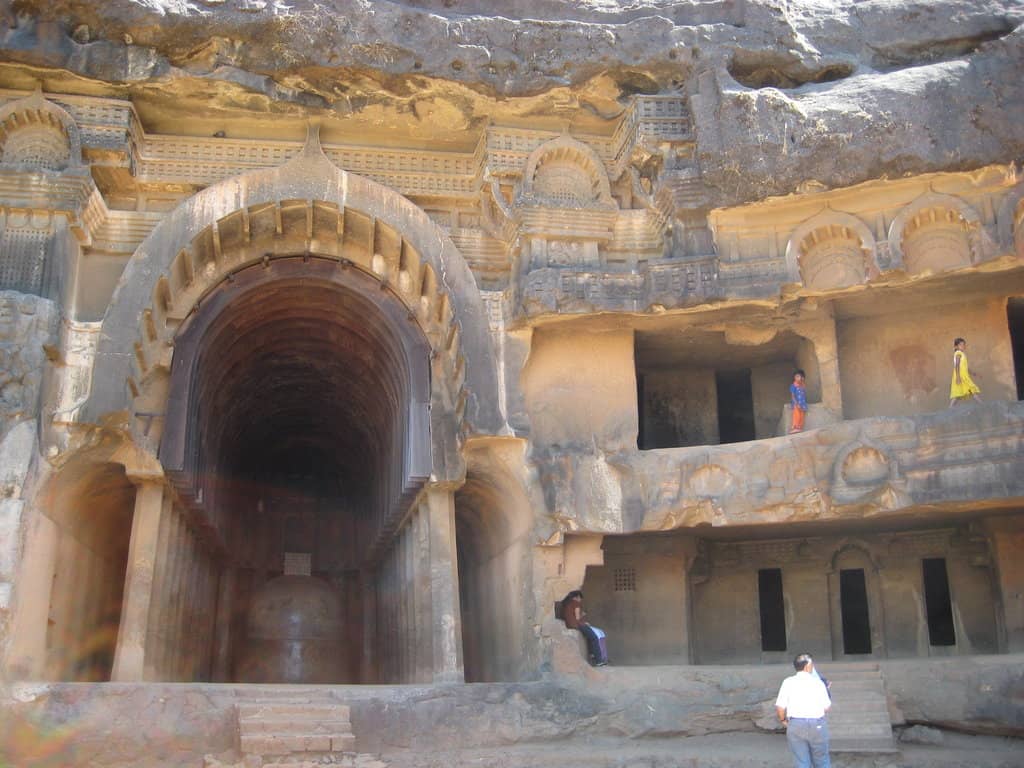
Explore intricate man-made caves carved from stone, showcasing remarkable ancient craftsmanship.
Buddhist and Jain Artistry
Within the caves
Discover unique artworks reflecting both Buddhist and Jain influences, a testament to historical coexistence.
Arranged Cave Layout
The cave complex
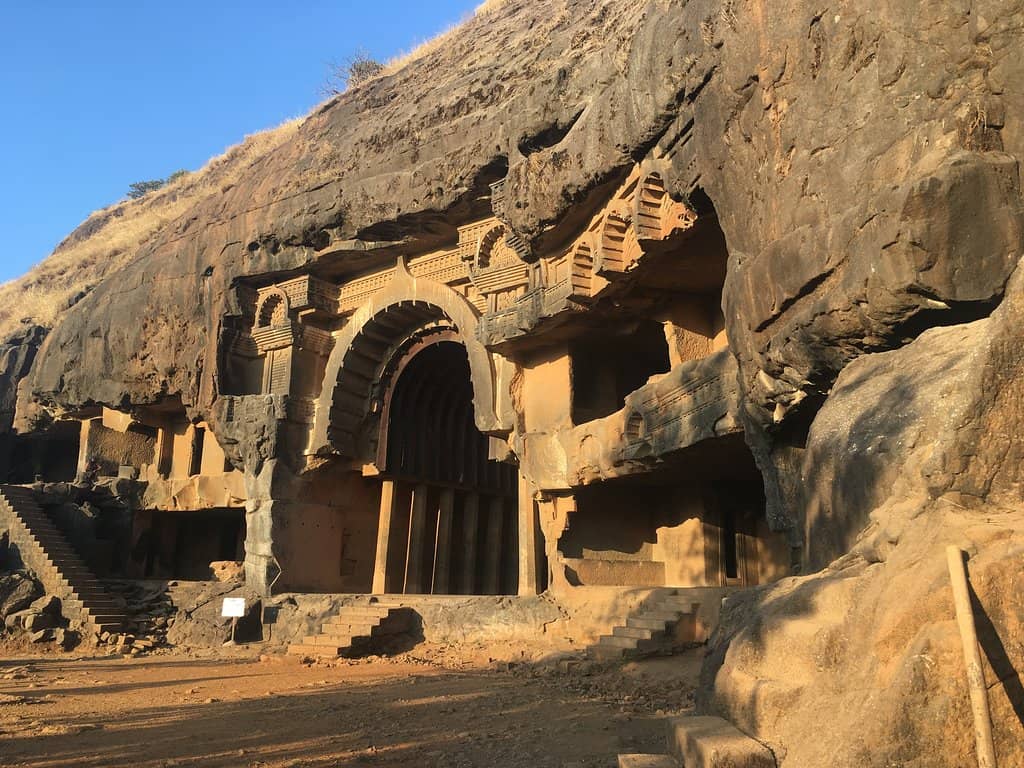
Marvel at the distinct arrangement of caves in three lines, offering a fascinating architectural study.
Plans like a pro.
Thinks like you
Planning Your Visit
Timing is Key
Combine with Nearby Sites
Best Times
Insider Tips
from TikTok, Instagram & Reddit
⏰ Respect Closing Time
Ensure you visit before 6:00 PM, as entry is strictly prohibited after closing. Plan your visit accordingly!
🚶♂️ Explore Uperkot Fort
Combine your visit with Uperkot Fort, located nearby. It's a fantastic way to experience more of Junagadh's heritage.
🧘♀️ Find Inner Peace
The serene environment offers a relaxing escape. Take time to sit quietly and enjoy the peaceful atmosphere.
⏳ Allow 1 Hour
You can comfortably explore the caves and enjoy the tranquility within about an hour.
Tips
from all over the internet
⏰ Respect Closing Time
Ensure you visit before 6:00 PM, as entry is strictly prohibited after closing. Plan your visit accordingly!
🚶♂️ Explore Uperkot Fort
Combine your visit with Uperkot Fort, located nearby. It's a fantastic way to experience more of Junagadh's heritage.
🧘♀️ Find Inner Peace
The serene environment offers a relaxing escape. Take time to sit quietly and enjoy the peaceful atmosphere.
⏳ Allow 1 Hour
You can comfortably explore the caves and enjoy the tranquility within about an hour.
What Travellers Say
Reviews Summary
Visitors find the Bava Pyara Caves to be an interesting historical site with unique rock-cut architecture and a peaceful atmosphere. The blend of Buddhist and Jain influences is a notable aspect. However, some reviews mention potential closure during the day, and the site's upkeep could be more robust.
"Bava Pyara caves are an example of ancient man-made caverns.
The caves are a part of the Junagadh Buddhist Cave Groups situated in the eastern part of Junagadh of the Indian state of Gujarat.
Bava Pyara caves contains artworks of both Buddhism and Jainism.
These caves are arranged in three lines; the first line on the north-facing southwards, the second line on the south from the east end of the first line, and the third line runs back of the second line in west-north-west. The second line has a primitive flat-roofed chaitya cave having simple cells on either side of it with extra cells on the north and east of it."
Naqib Najeeb
"These caves are about 1 km away from Uperkot Fort, and within 2 km from Junagadh Railway Station. Visiting hours are generally 8 AM – 6 PM. ASI (Archaeological Survey of India) maintains this site."
AJAYKUNAR VYAS
"Very old and interesting caves in the midst of the haritage city junagadh. It seems very old and carved from stone. We can imagine that in that old era It must've taken a considerably longer time to create such a spectacular structures with limited resources. We were said that entry is closed after 6:00pm. So if possible visit before 6. It's in the close vicinity of upercot forte which again one of the most attractive place of interest in Junagadh"
vipul vyas
What People Like
What People Dislike
Frequently Asked Questions
🚇 🗺️ Getting There
Bava Pyara Caves are conveniently located about 2 km from Junagadh Railway Station. You can easily hire a taxi or an auto-rickshaw to reach the site. The journey should take approximately 10-15 minutes depending on traffic.
While direct public buses might be limited, local auto-rickshaws are readily available and are an affordable way to get to the caves from various points in Junagadh.
Yes, the caves are accessible by car, and there is usually space for parking nearby. The roads leading to the site are generally in good condition.
The Bava Pyara Caves are situated about 1 km away from Uperkot Fort, making it very convenient to visit both attractions in a single trip. You can even walk between them if you prefer.
For flexibility and ease, hiring a local taxi or auto-rickshaw for a day is a popular and efficient method to explore Bava Pyara Caves and other nearby sites like Uperkot Fort.
🎫 🎫 Tickets & Entry
The Bava Pyara Caves are typically open from 8 AM to 6 PM. It's crucial to plan your visit within these hours as entry is closed after 6:00 PM.
Information regarding entry fees can vary. It's advisable to check with local authorities or at the site upon arrival. However, many reviews suggest it's an archaeological site maintained by ASI, implying potential nominal fees or free entry.
Generally, advance booking is not required for Bava Pyara Caves. You can usually purchase tickets (if applicable) at the entrance. However, for specific group tours or events, it's best to inquire beforehand.
Yes, the primary restriction is the closing time of 6:00 PM. It's also worth noting that some reviews mention the place being closed during the day, which might be due to specific maintenance or unforeseen circumstances, so a quick local check might be wise if you're unsure.
The Bava Pyara Caves are maintained by the Archaeological Survey of India (ASI), ensuring the preservation of this ancient heritage site.
🎫 🧭 Onsite Experience
Take your time to wander through the different lines of caves. Observe the rock-cut architecture, the cells, and the remnants of ancient artwork. The layout itself is quite interesting to decipher.
Photography is generally allowed inside the Bava Pyara Caves, but it's always good practice to check for any specific signage or local rules regarding photography, especially if using flash.
There is moderate walking involved as you explore the different levels and sections of the caves. Comfortable footwear is recommended. The terrain is mostly even within the carved areas.
Due to the ancient nature of the site and the carved steps and uneven surfaces, the caves may present challenges for individuals with significant mobility issues. It's best to assess the terrain upon arrival.
The atmosphere is generally peaceful and serene, offering a quiet space for reflection. It's a great spot to relax your mind away from the hustle and bustle.
🍽️ 🍽️ Food & Dining
There are no food stalls or restaurants directly within the Bava Pyara Caves complex. However, you can find various eateries and local food joints in the main Junagadh city area, a short drive away.
While you can likely bring water, it's best to avoid bringing full meals into the caves to maintain the cleanliness and historical integrity of the site. Dispose of any waste responsibly.
In Junagadh, be sure to try traditional Gujarati thalis, dhokla, fafda, jalebi, and various street food snacks. Exploring the local markets will offer plenty of culinary delights.
While there might be limited options directly at the fort, the surrounding areas of Junagadh city offer a good selection of restaurants serving Gujarati cuisine and other Indian dishes.
It's generally recommended to eat before or after your visit, as the caves themselves are an archaeological site without dining facilities. This allows you to fully focus on exploring the historical significance of the caves.
📸 📸 Photography
Focus on capturing the intricate carvings, the unique layout of the caves, and any visible remnants of ancient art. The play of light and shadow within the caverns can also create dramatic photographic opportunities.
Drone usage is typically restricted at historical and archaeological sites to protect them and ensure visitor safety. It's highly unlikely to be permitted without special authorization.
A versatile lens (like a 24-70mm equivalent) is useful for capturing both wider cave structures and details. A wide-angle lens can be great for the cave interiors. Consider a tripod if low-light conditions are expected, but be mindful of space.
The main challenge can be the lighting, which can be dim inside the caves. Managing contrast between bright entrances and darker interiors is key. Also, capturing the scale of the ancient carvings requires careful composition.
Yes, you can photograph the artworks, but always be respectful. Avoid using flash if it might damage the delicate ancient surfaces. Focus on capturing the details and historical significance of these artistic elements.
Social
from TikTok, Instagram & Reddit