Lepcha Museum
A small, community-run museum preserving the unique heritage and traditions of the Lepcha people.
Highlights
Must-see attractions

Social
From TikTok & Reddit
Best Time
Intimate cultural immersion
Lepcha Museum
Best Time
Intimate cultural immersion
Highlights
Must-see attractions
A small, community-run museum preserving the unique heritage and traditions of the Lepcha people.
"A stunning small museum which displays various items related to the Lepcha indigenous culture."
Ring the Bell!
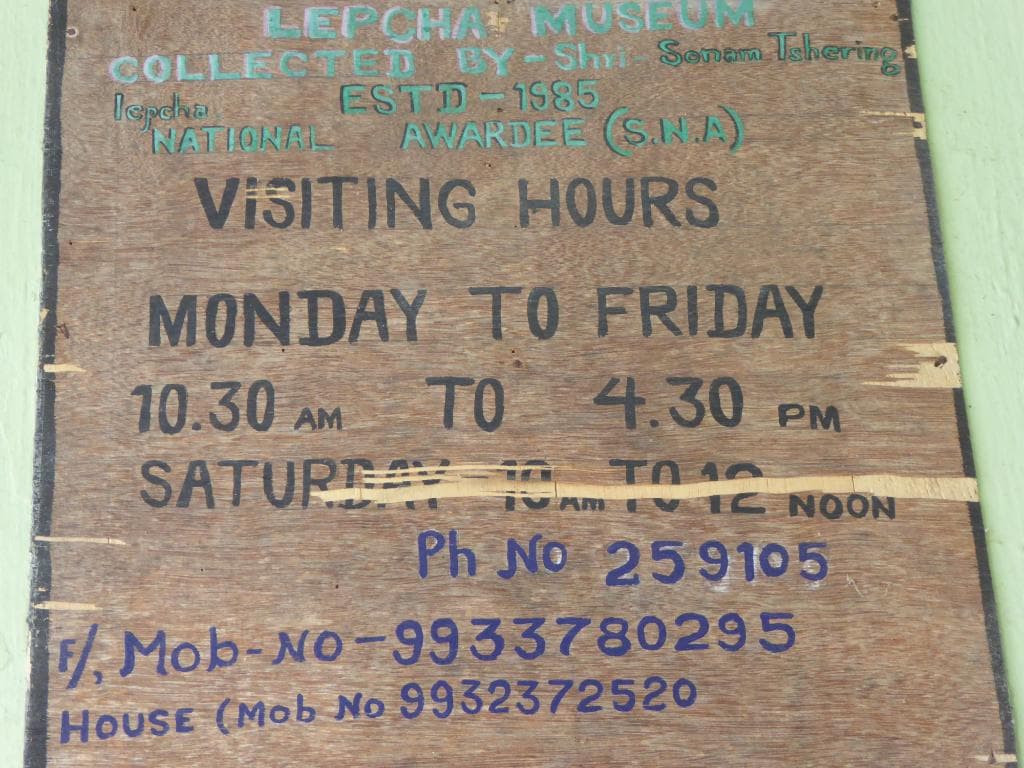
Museum may seem locked, but ring the number on the wall for entry. :telephone_receiver:
Support with Donations
The museum relies on donations. Your contribution helps preserve Lepcha heritage. :moneybag:
Quick Facts
Highlights
Discover the most iconic attractions and experiences
Lepcha Musical Instruments
Main Exhibition Hall
Experience the unique sounds of traditional Lepcha instruments, often demonstrated by the guide.
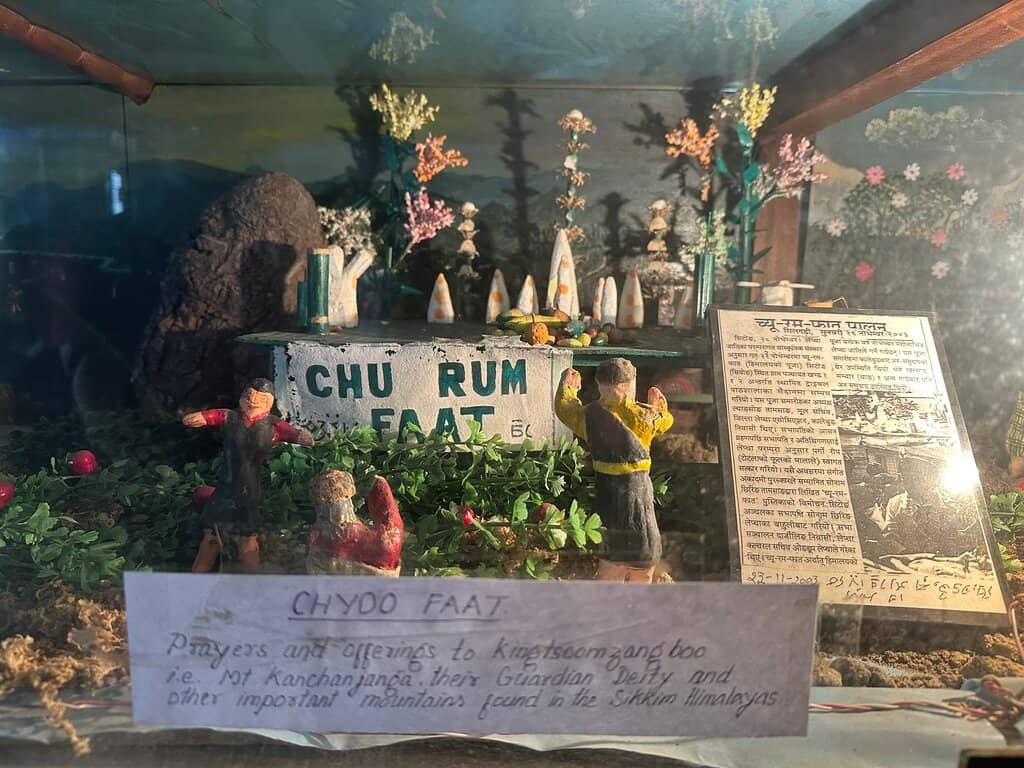
Everyday Lepcha Artifacts
Exhibition Cases
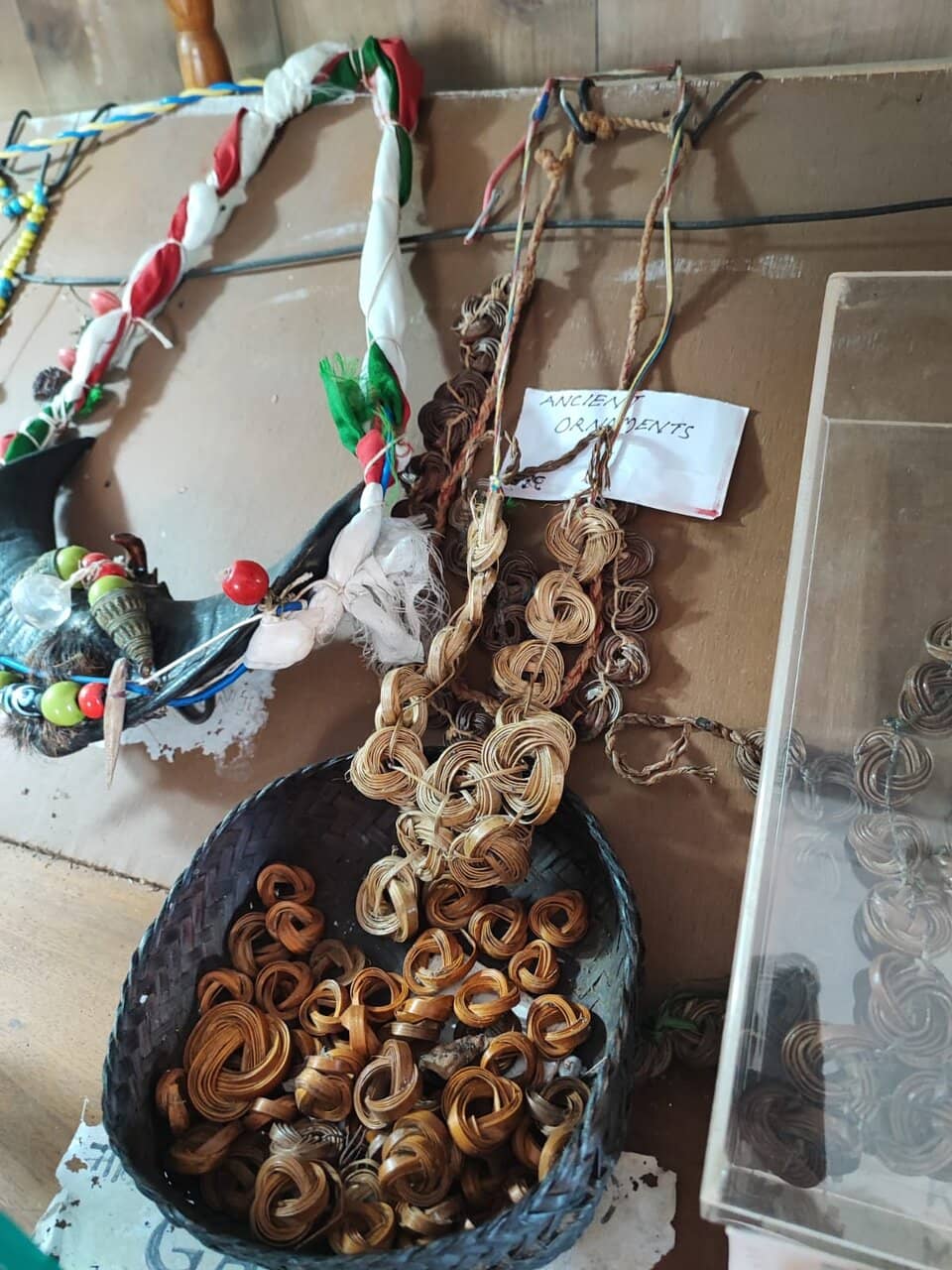
See a fascinating collection of everyday objects, religious items, and historical manuscripts.
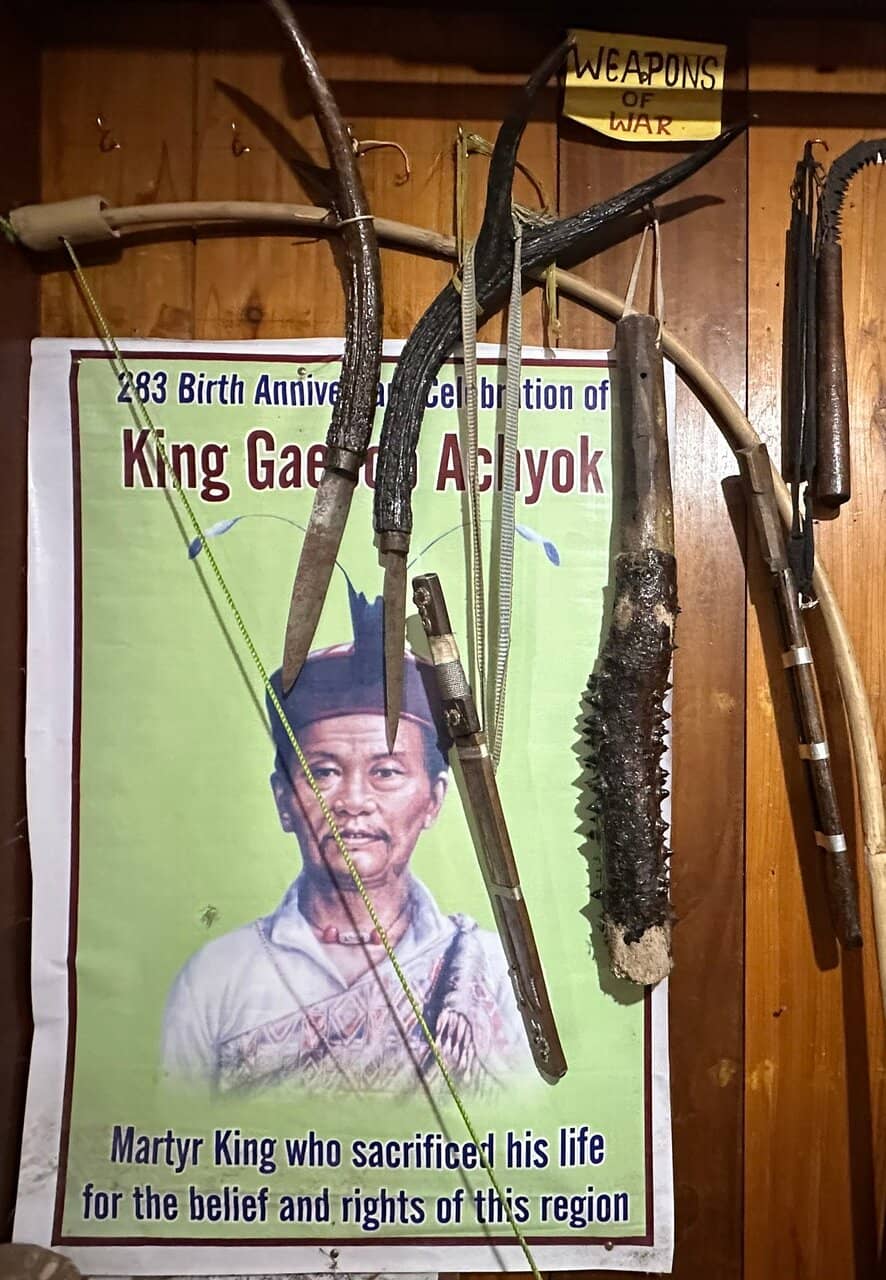
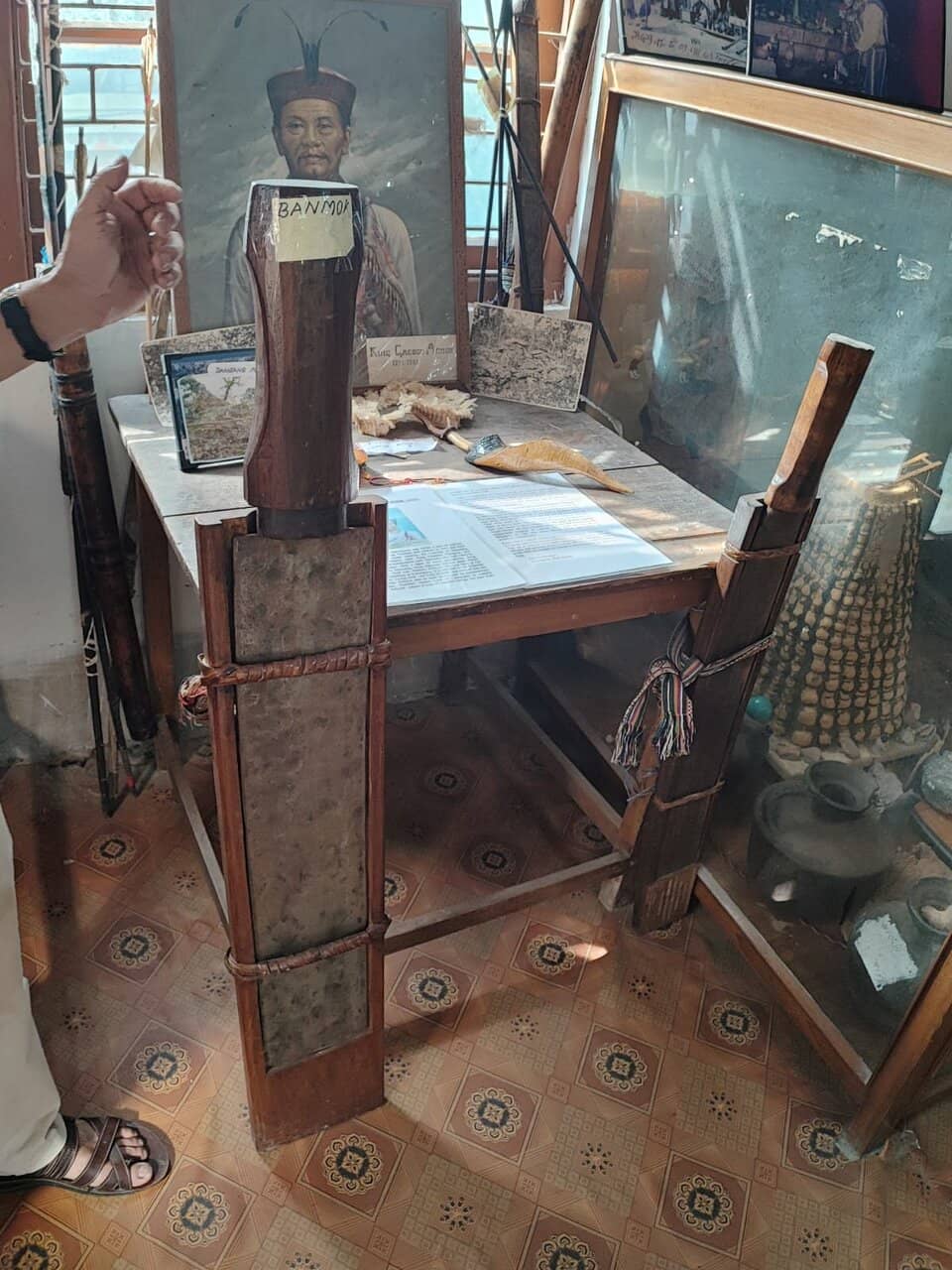
King Gaeboo Achyok's Portrait
Display Wall
A glimpse into Lepcha royalty with a picture of the last Lepcha ruler.
Yeti Footprint Cast
Display Case
A curious display featuring a cast of what is claimed to be a Yeti footprint.
Plans like a pro.
Thinks like you
Planning Your Visit
Support a Living Heritage
Accessing the Museum
Best Times
Insider Tips
from TikTok, Instagram & Reddit
Ring the Bell!
Museum may seem locked, but ring the number on the wall for entry. :telephone_receiver:
Support with Donations
The museum relies on donations. Your contribution helps preserve Lepcha heritage. :moneybag:
Engage with the Guide
The founder's son brings exhibits to life, playing instruments and explaining artifacts. :man_teacher:
Ask Questions
Don't hesitate to ask about the rich history and culture of the Lepcha people. ❓
Tips
from all over the internet
Ring the Bell!
Museum may seem locked, but ring the number on the wall for entry. :telephone_receiver:
Support with Donations
The museum relies on donations. Your contribution helps preserve Lepcha heritage. :moneybag:
Engage with the Guide
The founder's son brings exhibits to life, playing instruments and explaining artifacts. :man_teacher:
Ask Questions
Don't hesitate to ask about the rich history and culture of the Lepcha people. ❓
Combine with Kalimpong Sights
Visit alongside other Kalimpong attractions like Deolo Hill or Durpin Monastery. :round_pushpin:
What Travellers Say
Reviews Summary
Visitors praise the Lepcha Museum for its unique collection and the passionate guidance that brings Lepcha culture to life. While small and sometimes appearing ramshackle, its value lies in preserving a fading heritage and offering an intimate, educational experience. The reliance on donations is noted, highlighting the community's dedication.
"A stunning small museum which displays various items related to the Lepcha indigenous culture : everyday objects, music instruments, old books, medical ingredients, dioramas of religeous ceremonies, a picture of King Gaeboo Achyok, the last Lepcha ruler who was assassinated by the Buthanese, and even a footprint of the yeti. Also on display is the award given to the founder by Indian President Abdul Kalam who was certainly the best president in the history of India and always showed a great interest for India's traditions and handicraft.
This museum absolutely deserves a better installation."
Gaspard Napoletano
"The Lepcha museum in Kalimpong is well worth a visit . There are two small museums next to eachother : the Lepcha museum and the Lepcha Gompa museum . They may well be locked but ask someone on site or ring the telephone number on the wall and someone will let you in . They are a little ramshackle but fascinating. The Lepcha museum is one of a kind , a record of way of life that no longer exists .Itsfree to get in but receives no funding so relies on donations . The guide who is the son of the founder and original curator will bring the items to life playing the musical instruments and working the animal traps. The swords are fascinating I’ve never seen anything like them anywhere else. Honestly it’s tiny but this place is worth the visit"
Carol LEWIS
"It's a less known tourist place. A small room includes many artefacts of the very old gompha that was badly damaged by earthquake. Hence after it has been rebuilt and the old pictures have been renovated with painful skills of INTACH. The items included were wonderful. The upstairs gompha was closed. I would appreciate if a larger room with a short history of Kalimpong Lepchas are also included in the museum."
Saswati Lahiri
What People Like
What People Dislike
Frequently Asked Questions
🚇 🗺️ Getting There
The Lepcha Museum is located in Kalimpong, West Bengal. It's often mentioned as a place to visit within the town itself. You can typically reach it by local taxi or auto-rickshaw from the main Kalimpong town area. 
While it's a known attraction, the museum might appear locked. Look for a telephone number on the wall and ring it, or ask locals for assistance.
Taxis and auto-rickshaws are readily available in Kalimpong for getting around to various attractions, including the Lepcha Museum.
One mention places a 'Sungsalee' museum in Gnon Kyong, Lower Dzongu, North Sikkim, which is a community museum for the Lepcha people. This might be a different, though related, initiative.
While direct public bus routes to the museum itself might be limited, you can take local buses to Kalimpong town and then hire a taxi or auto-rickshaw for the final leg.
🎫 🎫 Tickets & Entry
Entry to the Lepcha Museum is free, but it relies heavily on donations to maintain its operations and preserve the artifacts.
Specific opening hours can be variable. It's best to ring the number posted on the museum wall or inquire locally, as it's a community-run space.
No advance booking is required. You can usually gain entry by contacting someone on-site or by ringing the provided telephone number.
The museum is a small room, and accessibility might be limited. It's advisable to check in advance if you have specific mobility concerns.
Yes, there are often two small museums located next to each other: the Lepcha Museum and the Lepcha Gompa Museum. Inquire on-site for access to both.
📸 📸 Photography
Photography policies can vary. It's always best to ask the guide or staff on duty before taking pictures to ensure you comply with their rules.
The unique artifacts, musical instruments, and the guide demonstrating them offer great photo opportunities. The overall ambiance of the small, packed room is also quite photogenic.
Generally, flash photography is discouraged in museums to protect delicate artifacts. Always check for signage or ask permission.
If you encounter Lepcha individuals, always ask for their permission before taking their photograph out of respect for their privacy.
A standard camera or smartphone is sufficient. Given the potentially low light and close quarters, a lens with good low-light performance or a wide-angle lens can be helpful.
🎫 💡 Onsite Experience
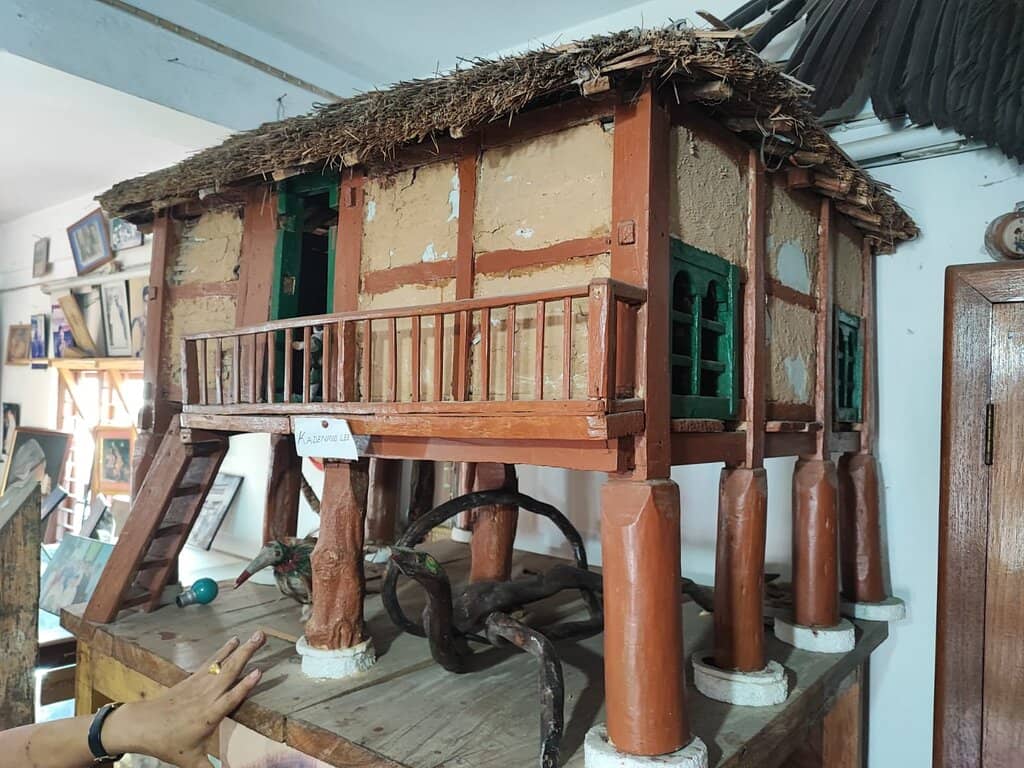
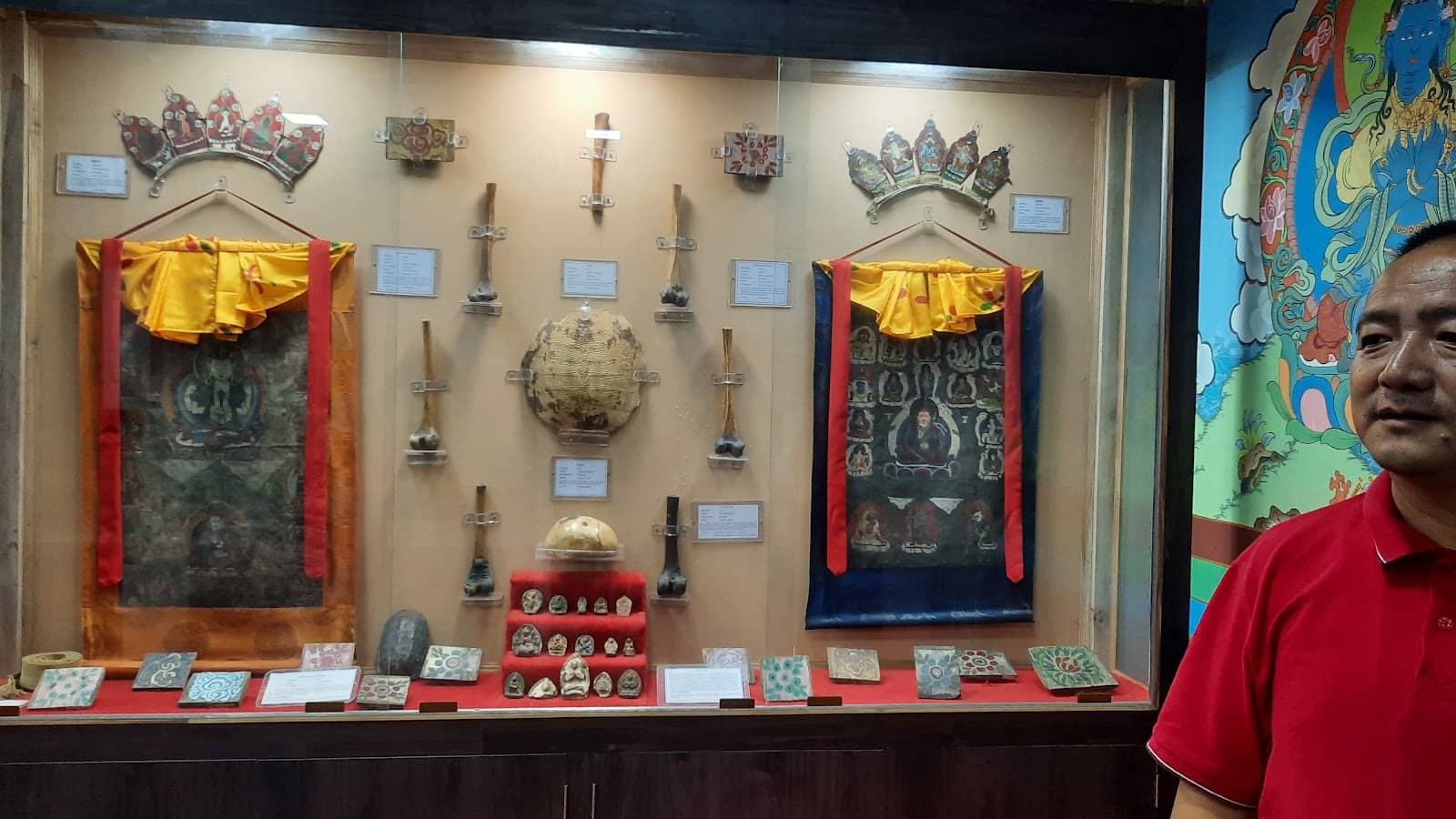
You'll find a diverse collection including everyday Lepcha objects, musical instruments, old books, religious items, dioramas of ceremonies, and even a Yeti footprint cast. +1
Often, the son of the founder serves as a guide, bringing the exhibits to life by playing instruments and explaining the artifacts.
Given its size, a visit is usually quite short, perhaps 30 minutes to an hour, especially if you engage with the guide.
It's a vital initiative to preserve the culture, traditions, and way of life of the Lepcha tribe, which is facing decline. +1
While not a modern interactive museum, the guide's demonstrations of musical instruments and animal traps offer a form of interaction.
🍽️ 🍽️ Food & Dining
The Lepcha Museum itself does not typically offer food or dining facilities. It's a space dedicated to cultural preservation.
Kalimpong town has numerous local eateries and restaurants offering Sikkimese and Bengali cuisine. Ask locals for recommendations for authentic experiences.
You should try momos, thukpa, and other Tibetan-influenced dishes, as well as local Bengali specialties.
There are no designated picnic areas within the museum premises. You might find suitable spots in parks or viewpoints around Kalimpong.
Yes, many restaurants in Kalimpong offer vegetarian options, and you can often find vegan dishes if you specify your dietary needs.
Social
from TikTok, Instagram & Reddit