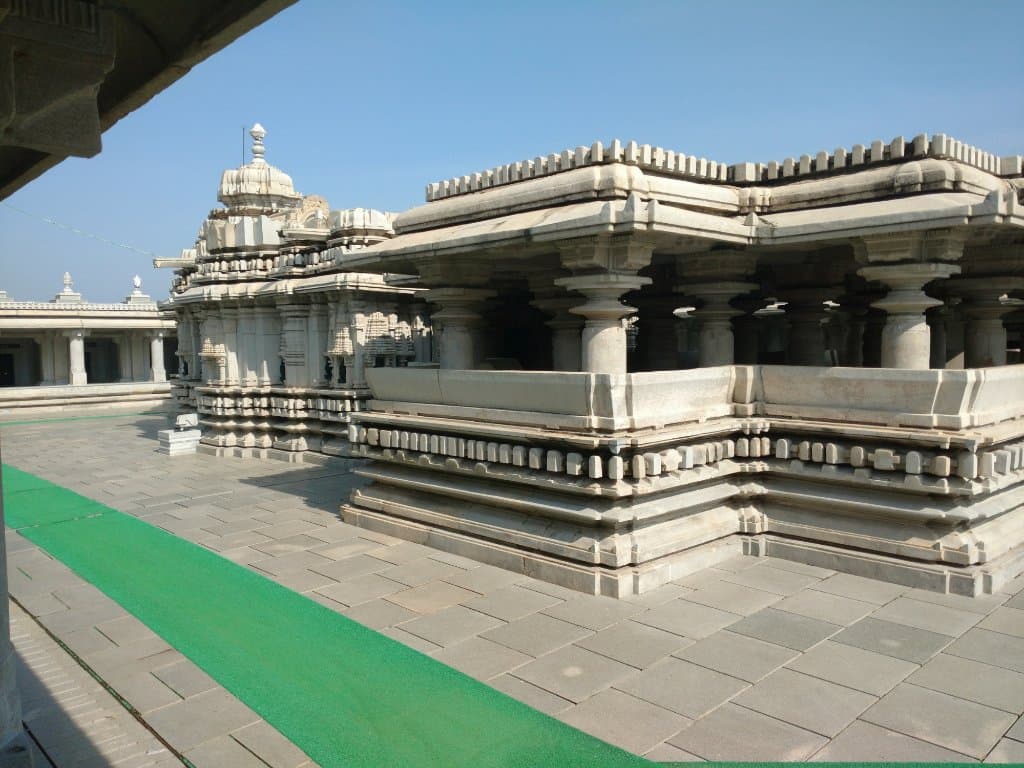
Venugopala Swamy Temple Hosa Kannambadi
A 12th-century Hoysala temple, submerged and meticulously relocated, now stands serenely by the KRS backwaters.

Highlights
Must-see attractions

Social
From TikTok & Reddit
Best Time
Golden hour magic
Venugopala Swamy Temple Hosa Kannambadi
Best Time
Golden hour magic
Highlights
Must-see attractions
A 12th-century Hoysala temple, submerged and meticulously relocated, now stands serenely by the KRS backwaters.
"Absolutely breathtaking, a true hidden gem near the KRS backwaters, offering a peaceful and spiritual experience."
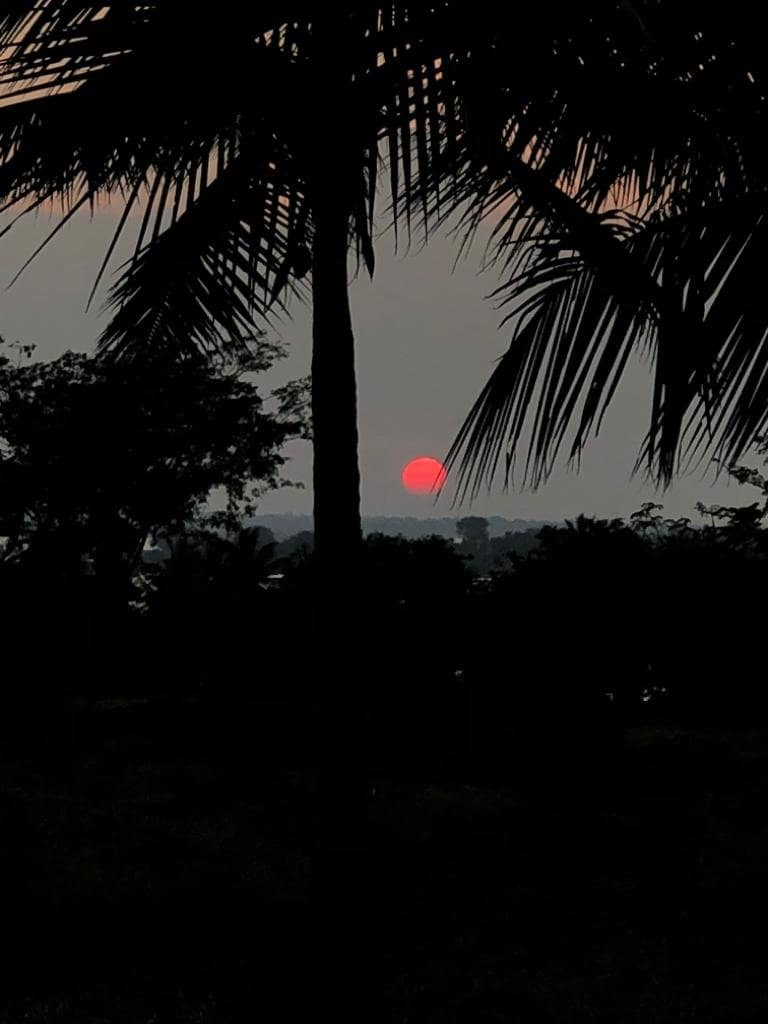
🎯 Sunset Serenity
Plan your visit for late afternoon to witness the magical sunset over the KRS backwaters.
🤫 Photography Rules
Photography is not allowed inside the main temple sanctum. Respect the sanctity.
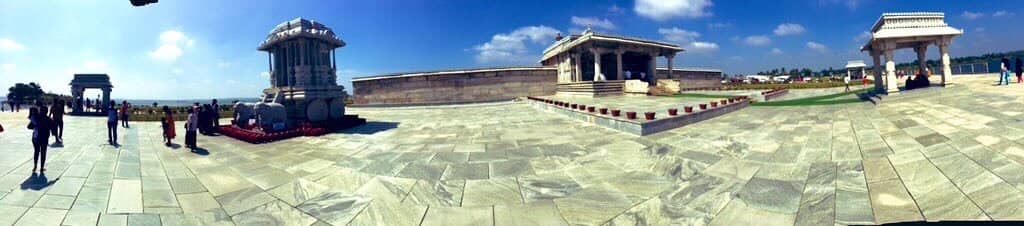
Quick Facts
Hours
Rating
4.7 · 8,479 reviews
Type
Hindu Temple
Highlights
Discover the most iconic attractions and experiences
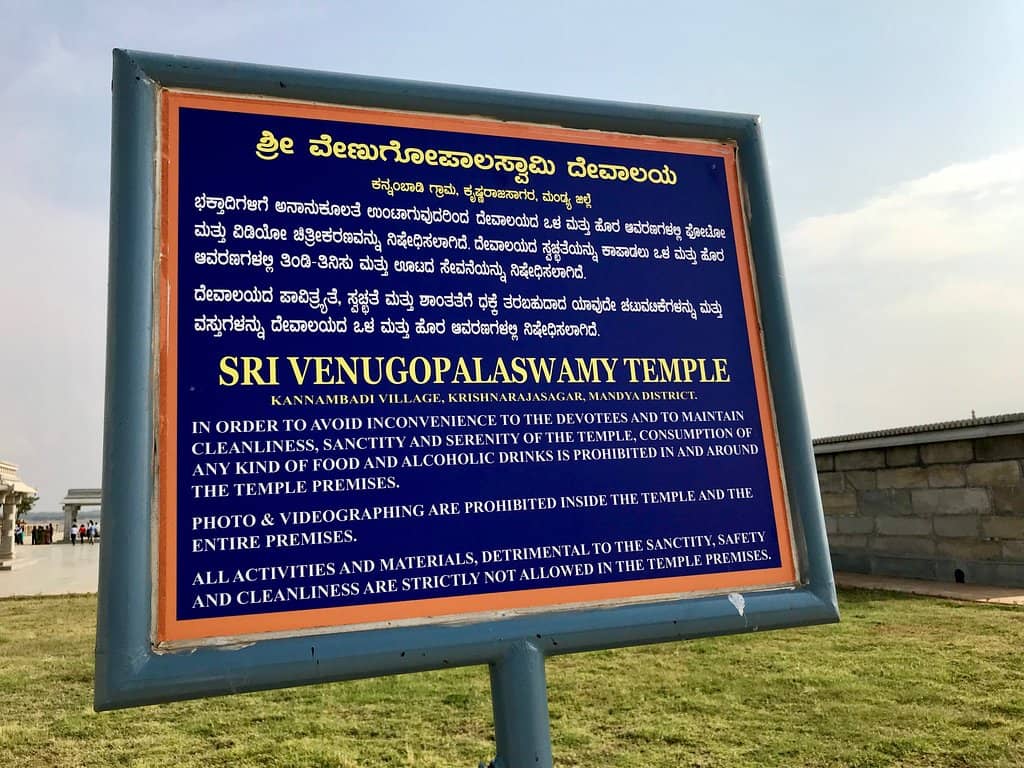
Hoysala Architecture
Temple Complex
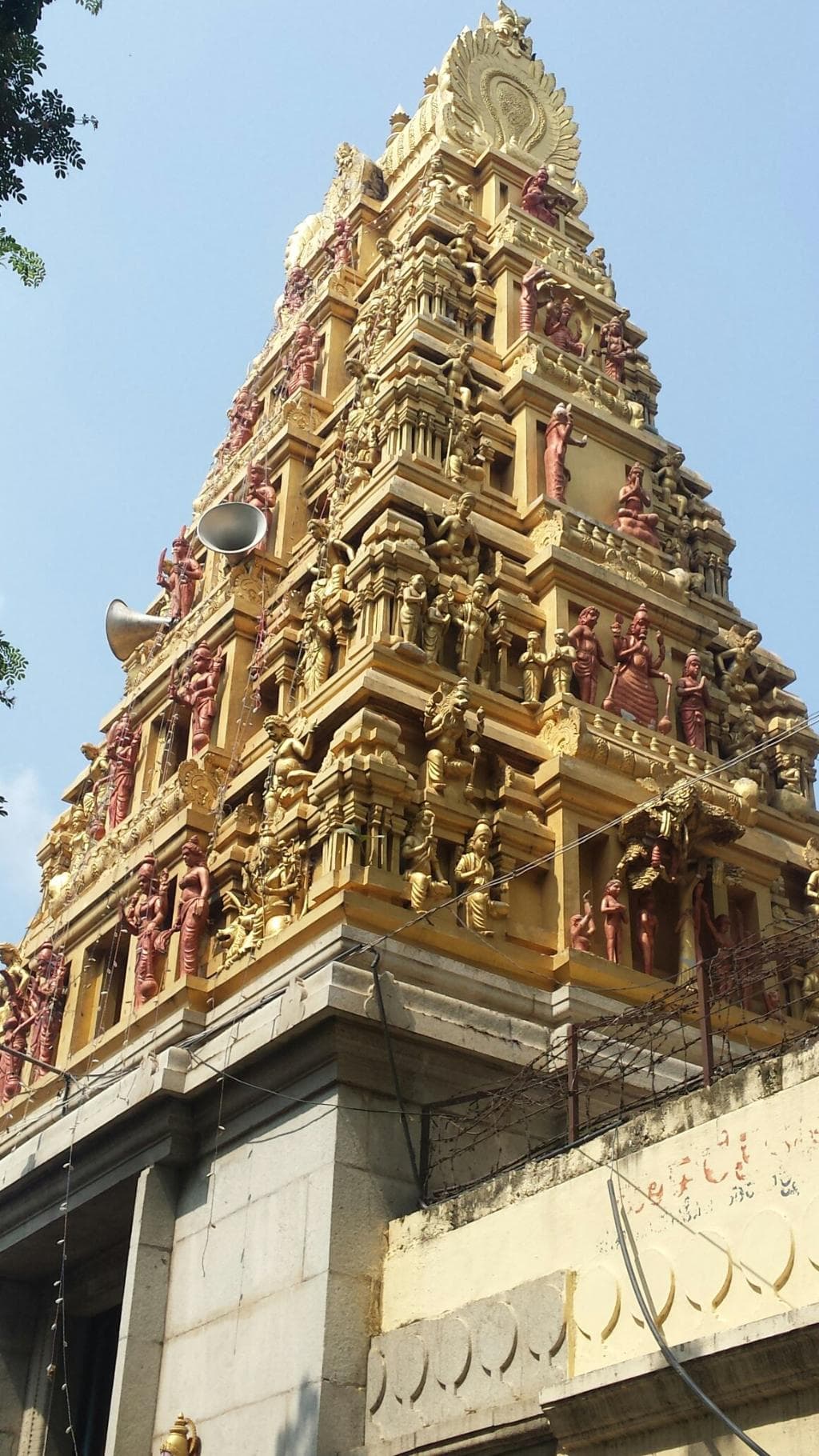
Marvel at intricate carvings and the grand scale of this 12th-century Hoysala architectural masterpiece.
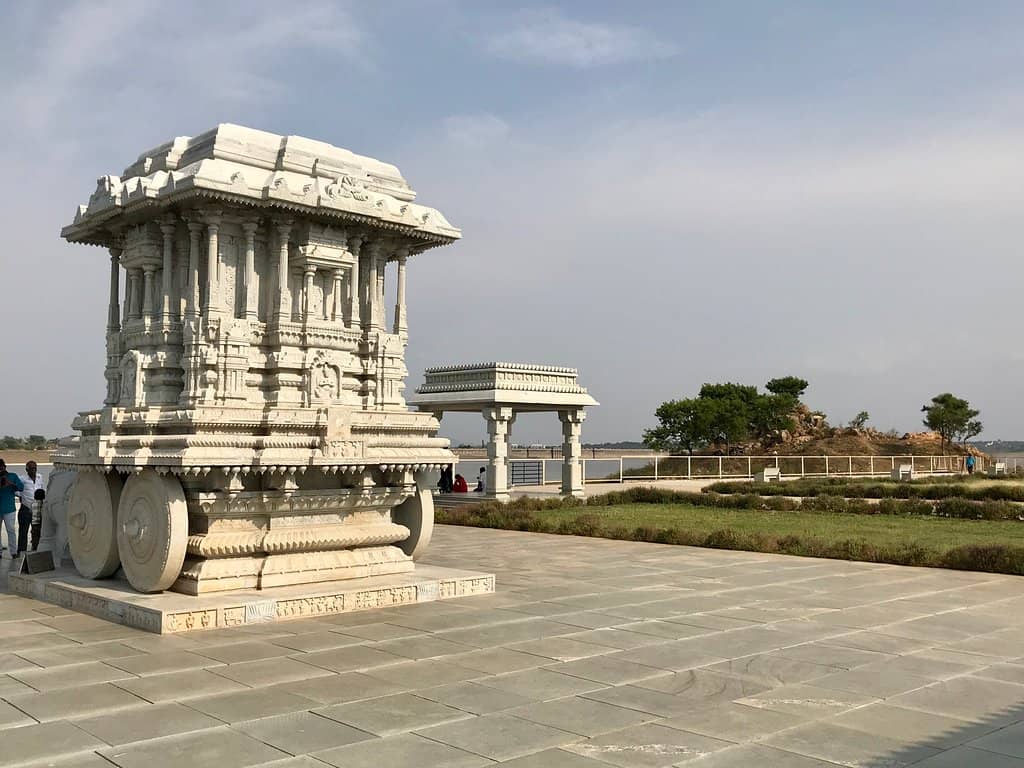
KRS Backwaters View
Temple Surroundings
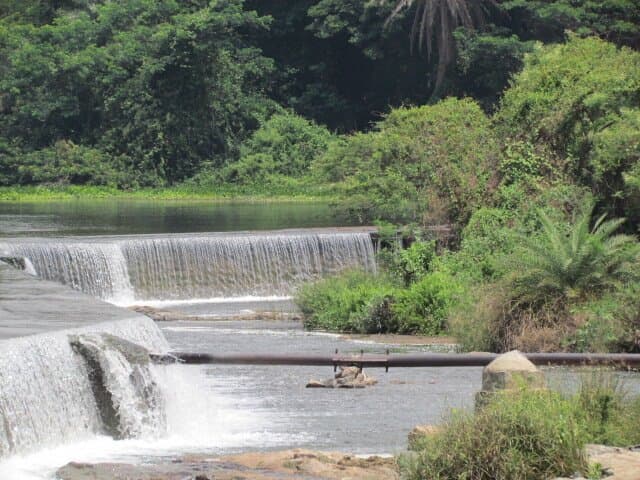
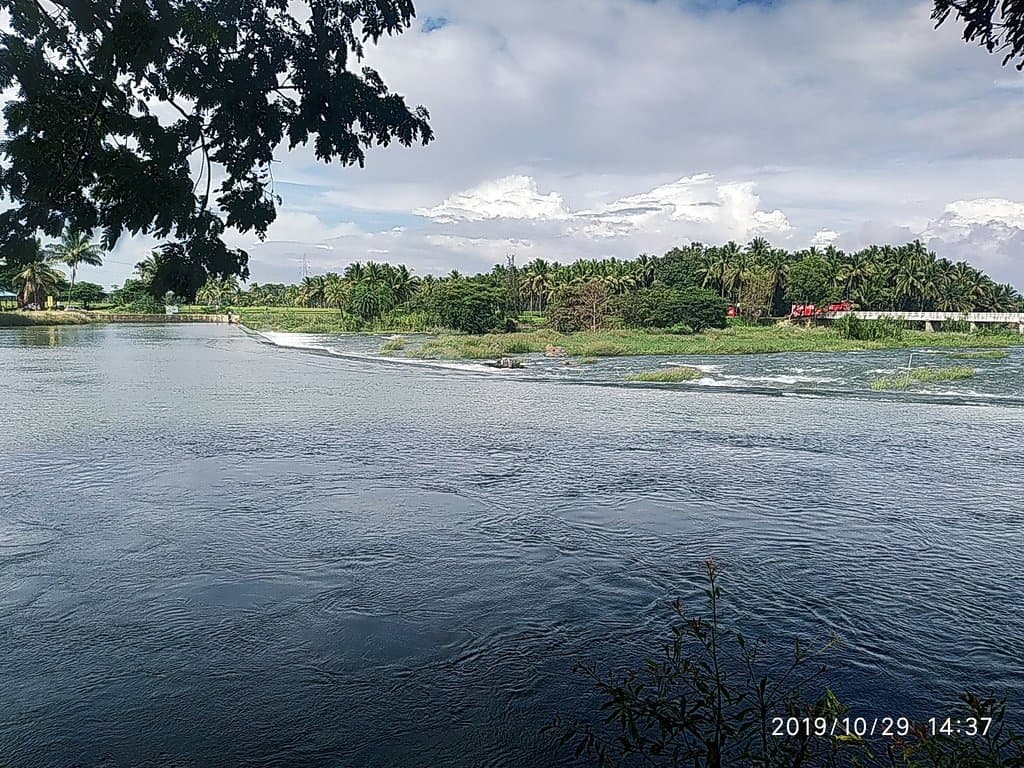
Enjoy breathtaking panoramic views of the serene KRS backwaters, especially magical at sunset.
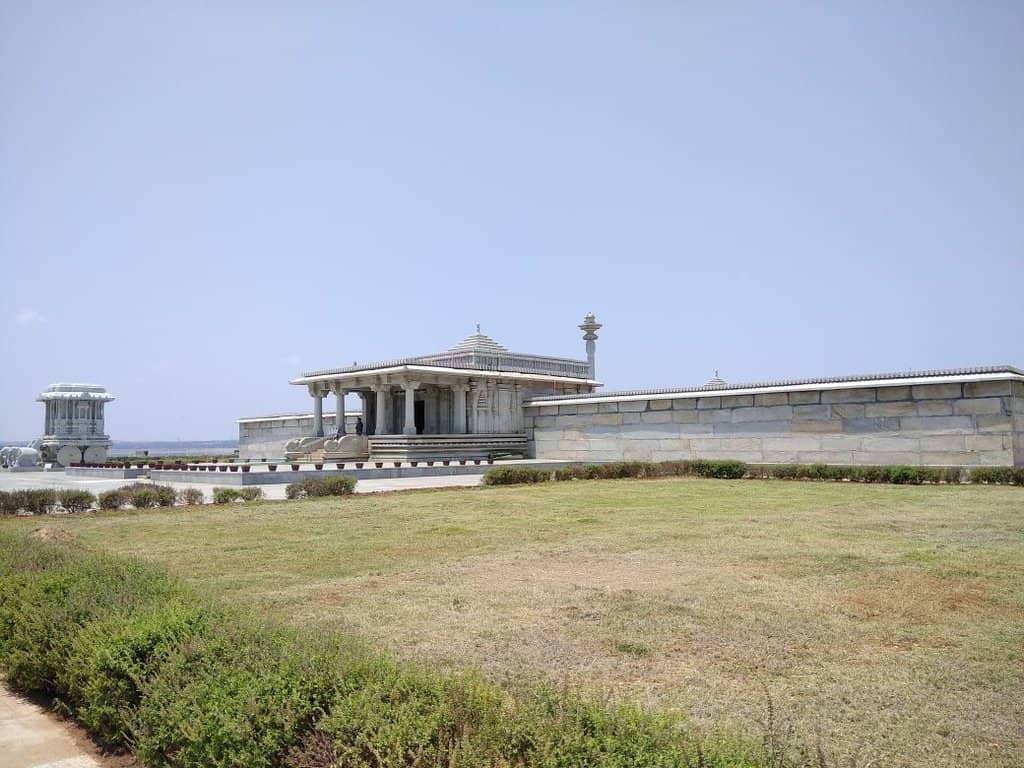
Relocated Temple Story
Temple Complex
Learn about the incredible feat of dismantling and rebuilding this temple stone by stone after submersion.
Plans like a pro.
Thinks like you
Planning Your Visit
Timing is Key for Serenity
A Temple Reborn
Best Times
Insider Tips
from TikTok, Instagram & Reddit
🎯 Sunset Serenity
Plan your visit for late afternoon to witness the magical sunset over the KRS backwaters.
🤫 Photography Rules
Photography is not allowed inside the main temple sanctum. Respect the sanctity.
💧 Stay Hydrated
Carry water and a hat, especially for afternoon visits, as amenities can be basic.
🚗 Ample Parking
There's plenty of parking available, making arrival and departure convenient.
Tips
from all over the internet
🎯 Sunset Serenity
Plan your visit for late afternoon to witness the magical sunset over the KRS backwaters.
🤫 Photography Rules
Photography is not allowed inside the main temple sanctum. Respect the sanctity.
💧 Stay Hydrated
Carry water and a hat, especially for afternoon visits, as amenities can be basic.
🚗 Ample Parking
There's plenty of parking available, making arrival and departure convenient.
🚶♂️ Peaceful Atmosphere
Enjoy the quiet, uncommercialized vibe. A rule of silence inside enhances the meditative feel.
What Travellers Say
Reviews Summary
Visitors rave about the Venugopala Swamy Temple's breathtaking beauty, serene atmosphere, and unique history of relocation. The stunning Hoysala architecture and picturesque setting by the KRS backwaters are consistently praised, offering a peaceful escape. Some note the lack of commercialization and the strict photography rules inside the sanctum.
"Beautiful Temple with Incredible History!Stunning 12th-century Hoysala temple near KRS backwaters. The architecture and intricate carvings are absolutely breathtaking. What makes it truly special is its remarkable story - this temple was submerged underwater for 70 years and was painstakingly reconstructed stone by stone!Peaceful location with serene views of the reservoir. The temple complex is well-maintained and not too crowded, making it perfect for a quiet spiritual visit. The craftsmanship rivals the famous Chennakesava Temple at Somanathapura.A must-visit if you're in Mysore - combines history, spirituality, and architectural beauty. Located about 20 km from Mysore city near Hosa Kannambadi. Highly recommend!"
ANOOP JAYARAM
"Sri Venugopala Swamy Temple at KRS Backwaters is a 12th‑century Hoysala marvel, beautifully relocated and maintained today by the Kodays Group,
🏛 History
• The temple was originally built in the 12th century AD by the Hoysalas, around the same time as the famous Chennakesava Temple at Somanathapura
• It was located in Kannambadi village, which was submerged when the Krishna Raja Sagara (KRS) Dam was constructed in the early 20th century.
• For nearly 70 years, the temple lay underwater, with only parts visible when water levels receded
• In 2002, efforts began to relocate and restore the temple stone by stone to its current site on the banks of the KRS backwaters. Today, it stands as a magnificent example of Hoysala architecture, showcasing intricate carvings, pillars, and motifs
🏗 Architecture
• The temple reflects classic Hoysala craftsmanship, with ornate carvings on ceilings, walls, and pillars.
• Its sanctum houses the original idol of Lord Venugopala (Krishna playing the flute), radiating divinity and serenity.
• The setting amidst the backwaters makes it appear as though the temple is floating, adding to its charm.
🙏 Present Management
• The Kodays Group has taken responsibility for maintaining the temple.
• They ensure the premises remain neat, clean, and well‑organized, with no entry fee or parking charges, making it accessible to all devotees.
• Facilities include large parking areas and toilets, which are thoughtfully maintained for visitors.
🌅 Visiting Experience
• Mobile phones need to switch off before entering the temple preserving the sanctity of the shrine.
• The best time to visit is around 4 PM, when the atmosphere is calm and pleasant.
• Entry closes after 6 PM, but before that, visitors can enjoy the spectacular sunset views over the KRS backwaters, making the experience both spiritual and scenic."
Binoy P V
"A beautiful and serene temple to visit in Mysore!
The place feels calm and refreshing, with an open and spacious environment that makes your visit even more peaceful. The architecture is elegant, and the surroundings are perfect to sit back and soak in the atmosphere. It’s also a great spot to catch a lovely sunset.
A must-visit if you’re looking for a peaceful and scenic temple experience in Mysore."
Shri D
What People Like
What People Dislike
Frequently Asked Questions
🚇 🗺️ Getting There
The temple is approximately a 3-hour drive from Bangalore, making it a popular day trip destination. You can drive via NH275. 
From Mysore, the temple is a short drive towards the Krishna Raja Sagara (KRS) Dam. It's located at Hosa Kannambadi village.
While direct public transport might be limited, you can take a bus to KRS Dam and then a local auto-rickshaw or taxi to the temple.
Yes, the temple is accessible by road, and there is ample parking available for visitors arriving by car. +1
The nearest major cities are Mysore and Bengaluru (Bangalore), making it a convenient stop for travelers in the region.
🎫 🎫 Tickets & Entry
No, there is no entry fee to visit the temple. It is managed privately, and donations are not accepted.
The temple is generally open from morning to evening. It's best to visit in the late afternoon for the sunset views. +1
The temple is privately managed and does not conduct religious rituals (Pooja) or accept donations.
While the main complex is generally accessible, specific facilities for people with disabilities might be limited. It's advisable to check on-site.
The primary restriction is on photography inside the main temple sanctum to preserve its sanctity.
📸 📸 Photography
Photography is strictly prohibited inside the main temple sanctum. You can take photos of the exterior architecture and the surrounding backwaters.
The areas around the KRS backwaters offer stunning photographic opportunities, especially during sunrise and sunset. The temple's exterior architecture is also very photogenic.
While some creators have used drones for aerial shots,
A camera with good low-light capabilities is recommended for sunset shots. A wide-angle lens can help capture the grandeur of the architecture and the vastness of the backwaters.
The golden hour, just before sunset, offers the most beautiful light for photography, casting a warm glow on the temple and water.
🎫 🏛️ History & Architecture
Originally built in the 12th century during the Hoysala period, the temple was submerged in 1930 due to the KRS Dam construction. It was later relocated stone by stone to its current site.
The temple is a prime example of Hoysala architecture, known for its intricate carvings and detailed stonework, similar to the Chennakesava Temple at Somanathapura.
The remarkable feat of relocating the temple was undertaken by a private donor, Khoday's Group, preserving this historical monument.
The temple was submerged when the Krishna Raja Sagara (KRS) Dam was constructed in 1930, leading to the inundation of the original Kannambadi village.
The temple is uniquely situated on the banks of the KRS backwaters, surrounded by water on three sides, offering a serene and picturesque setting.
🍽️ 🍽️ Food & Dining
There are no food stalls or restaurants within the temple premises. It's advisable to carry your own snacks or dine in Mysore or Bengaluru.
You can bring your own food for a picnic, but it's important to maintain cleanliness and dispose of waste responsibly.
There are limited dining options directly near the temple. You'll find more choices in Mysore or along the highway towards Bengaluru.
Yes, it's recommended to have your meal before visiting, especially if you plan to spend a significant amount of time enjoying the surroundings.
While not specific to the temple, the Mandya district is known for its sugarcane and jaggery. You might find local snacks along the way.




Social
from TikTok, Instagram & Reddit