Keibul Lamjao National Park
Discover the world's only floating national park, a vital sanctuary for the rare Sangai deer amidst the unique phumdi ecosystem of Loktak Lake.
Highlights
Must-see attractions

Social
From TikTok & Reddit
Best Time
Best for Sangai deer sightings
Keibul Lamjao National Park
Best Time
Best for Sangai deer sightings
Highlights
Must-see attractions
Discover the world's only floating national park, a vital sanctuary for the rare Sangai deer amidst the unique phumdi ecosystem of Loktak Lake.
"A gem of a wildlife park, probably the only floating water park in the world inhabited by the Sangai."
🎯 Early Bird for Wildlife
Visit at dawn for the best chance to see the Sangai deer, as they are most active in the early morning hours.
🚤 Don't Miss the Boat Ride
A boat safari offers a unique perspective of the floating islands and wildlife. Local guides are often available.
Quick Facts
Rating
4.3 · 4,523 reviews
Type
National Park
Highlights
Discover the most iconic attractions and experiences
The Elusive Sangai Deer
Throughout the park
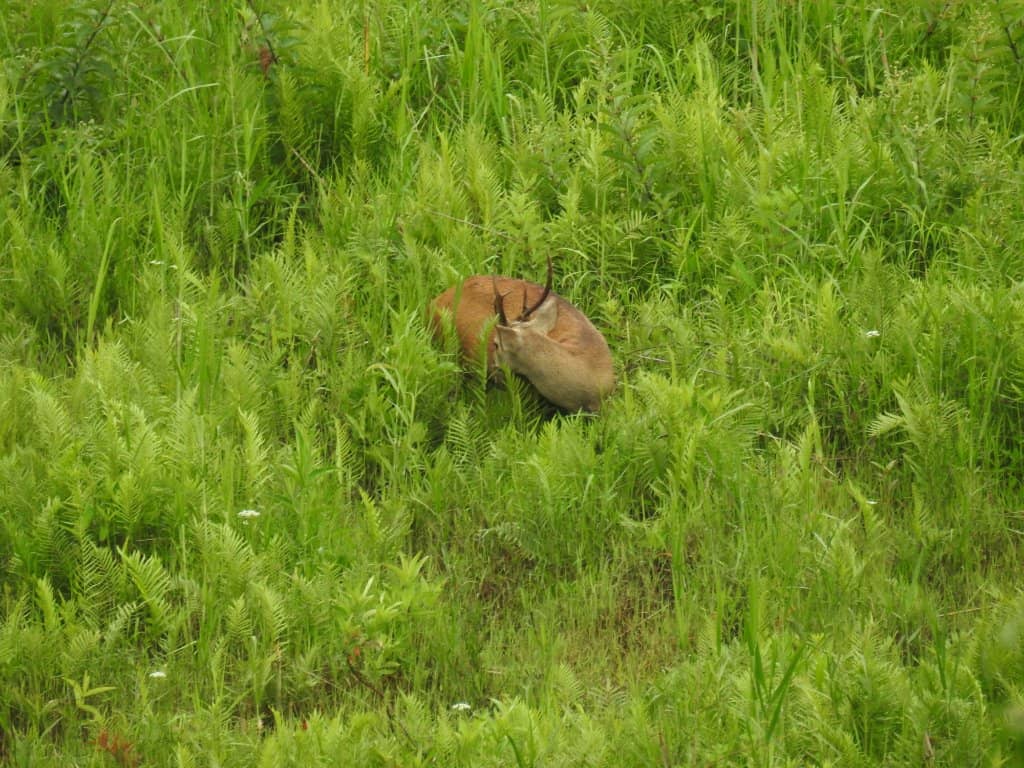
Spot the 'dancing deer' of Manipur, the endangered Sangai, in its only natural habitat. A truly unique wildlife encounter.
 +1
+1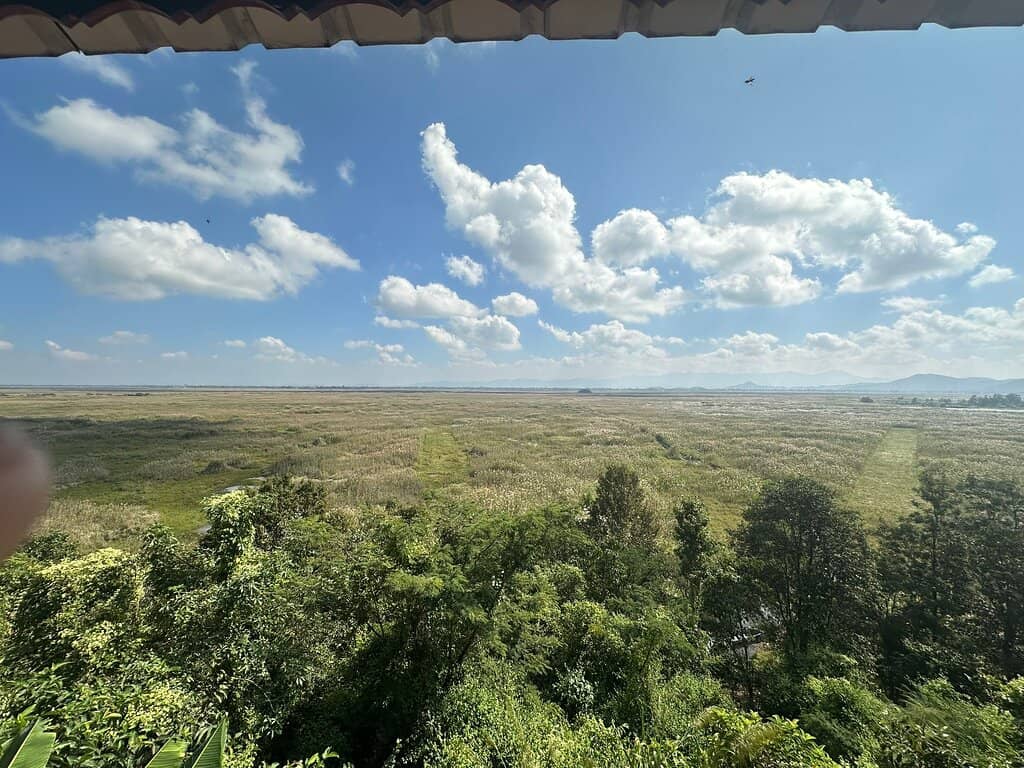
World's Only Floating National Park
Loktak Lake
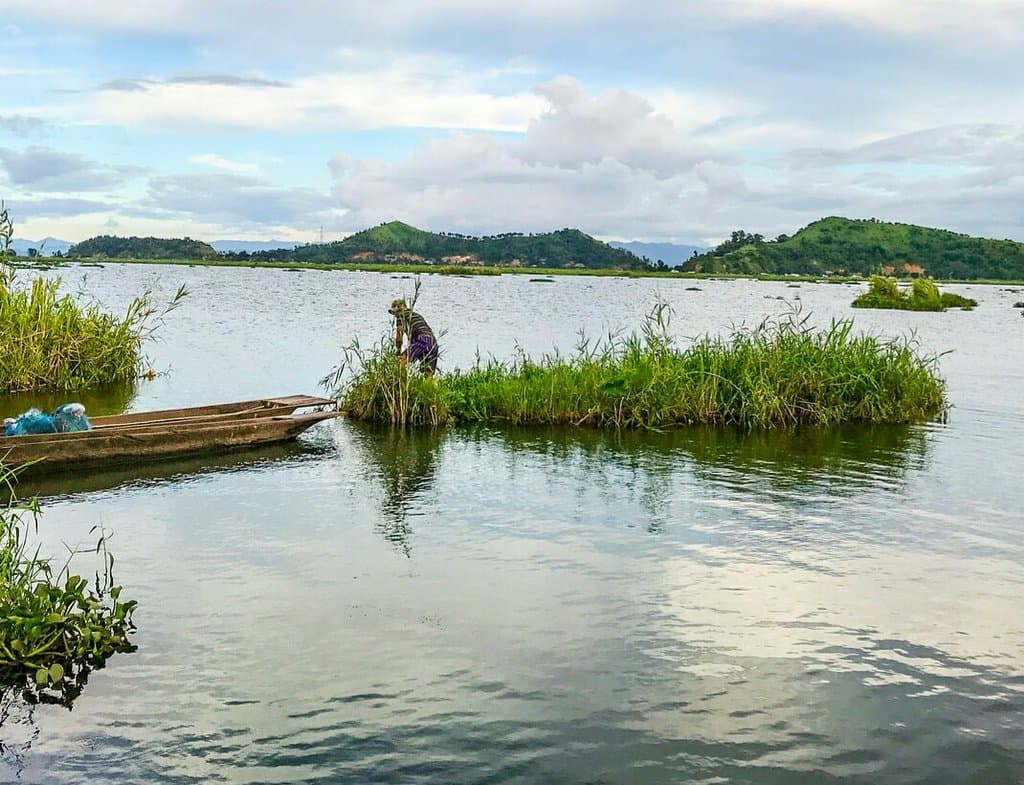
Experience the marvel of a national park built on floating islands of soil and vegetation. A breathtaking natural wonder.
+1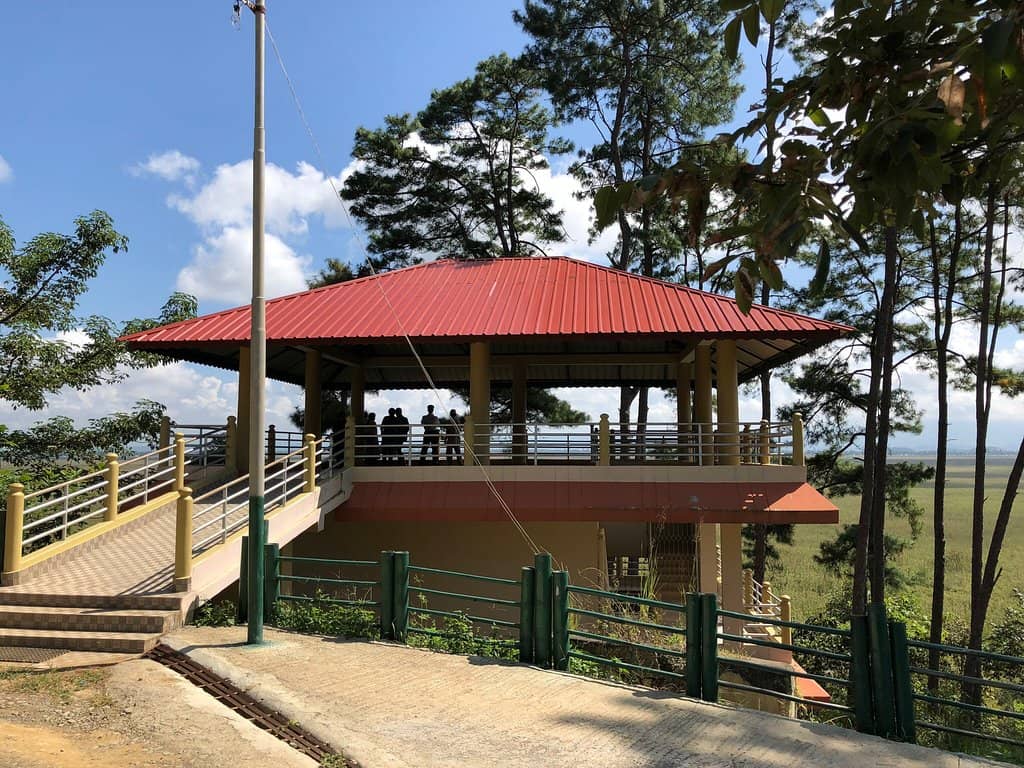
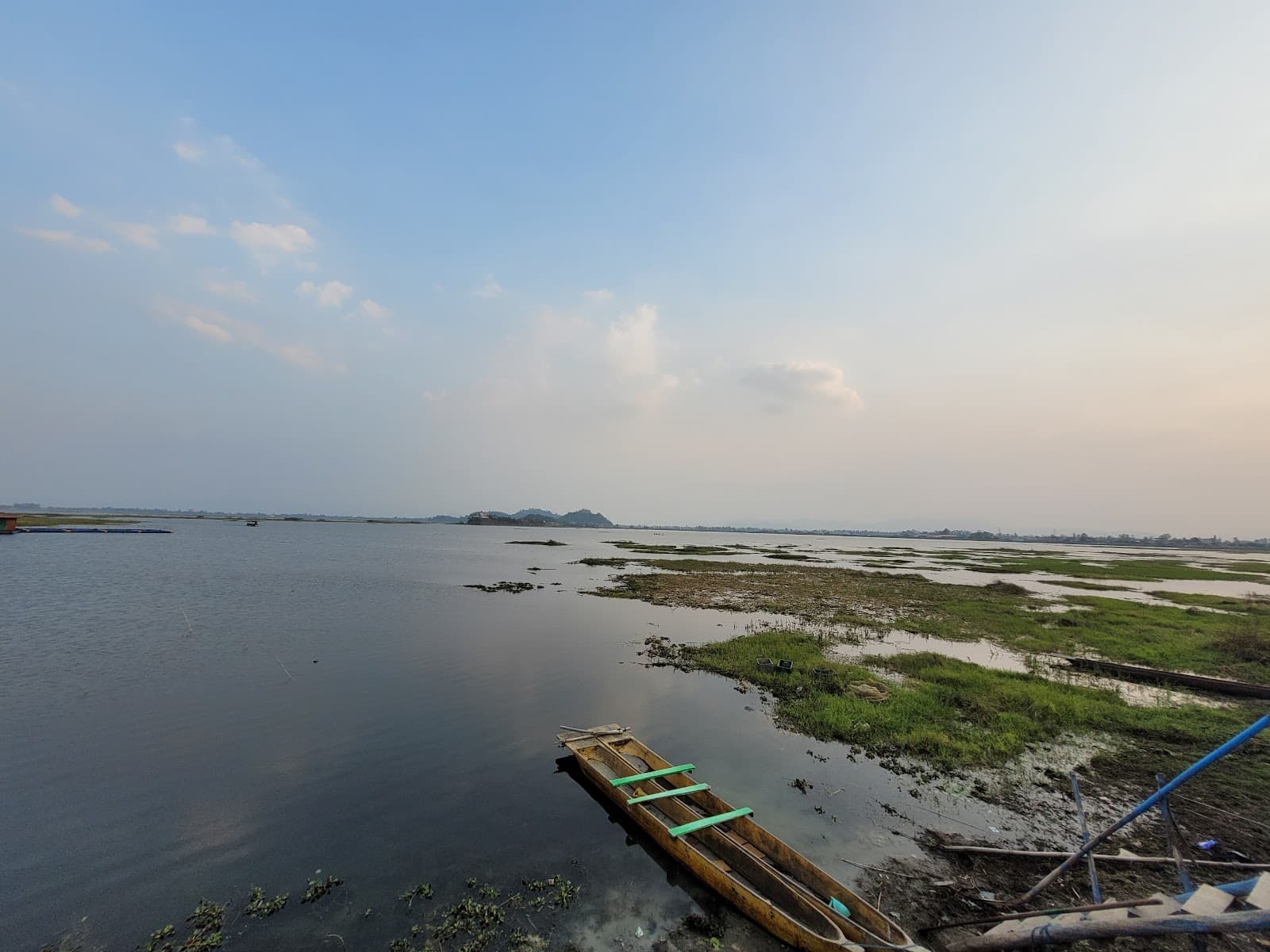
Boat Safari on Loktak Lake
Loktak Lake
Glide through the serene waters, observing the unique wetland ecosystem and its inhabitants from a different perspective.
Plans like a pro.
Thinks like you
Planning Your Visit
Timing is Everything for Sangai Spotting
Navigating the Floating Landscape
Best Times
Insider Tips
from TikTok, Instagram & Reddit
🎯 Early Bird for Wildlife
Visit at dawn for the best chance to see the Sangai deer, as they are most active in the early morning hours.
🚤 Don't Miss the Boat Ride
A boat safari offers a unique perspective of the floating islands and wildlife. Local guides are often available.
🚗 Vehicle Recommended
To make the most of your visit and cover distances, it's advisable to go with a vehicle.
📸 Capture the Floating Beauty
The unique landscape and wildlife make for stunning photography opportunities.
Tips
from all over the internet
🎯 Early Bird for Wildlife
Visit at dawn for the best chance to see the Sangai deer, as they are most active in the early morning hours.
🚤 Don't Miss the Boat Ride
A boat safari offers a unique perspective of the floating islands and wildlife. Local guides are often available.
🚗 Vehicle Recommended
To make the most of your visit and cover distances, it's advisable to go with a vehicle.
📸 Capture the Floating Beauty
The unique landscape and wildlife make for stunning photography opportunities.
💰 Voluntary Contributions
Local volunteers assist tourists; consider a small voluntary contribution for their help.
What Travellers Say
Reviews Summary
Visitors rave about Keibul Lamjao National Park as a unique natural wonder, particularly for its status as the world's only floating national park and the chance to see the rare Sangai deer. The boat rides and scenic views are highly praised, offering an unforgettable experience. However, some note that direct entry into the park can be limited, and facilities are basic.
"KEIBUL LAMJAO NATIONAL PARK
On 40 square kilometre long phumdi lies the world's only floating national park.
While you cannot enter the park but can observe it from a distance. Many animals inhabit this park including a unique species of deer found nowhere
else in the world.
The sangai deer.
This beautiful deer is also the state animal of manipur."
Aman Tiu
"Keibul Lamjao is the world's only floating national park, located in Manipur and is the last natural habitat of the endangered Sangai deer.
We got a camping tent stay near Loktak"
Shamil Umar
"World's only floating national park and habitat of Sangai Deer which is found in this national park only. A fantastic place to visit."
Debashis Chowdhury
What People Like
What People Dislike
Frequently Asked Questions
🚇 🗺️ Getting There
Keibul Lamjao National Park is located about 40-50 km from Imphal. The most common way to reach it is by hiring a taxi or a private car from Imphal. The journey takes approximately 1.5 to 2 hours. Some travelers also mention using local buses for a more budget-friendly option, though this might take longer.
While you can observe parts of the park from the periphery, a boat ride on Loktak Lake is highly recommended for a closer look at the floating islands and wildlife. For exploring the park's accessible areas, having a vehicle is advised.
While direct public transport might be limited, you can take local buses from Imphal towards Moirang or Bishnupur and then arrange for local transport to the park. It's often easier and more convenient to hire a taxi for the entire day.
Yes, Keibul Lamjao National Park is a popular day trip destination from Imphal. You can easily cover the park and Loktak Lake within a single day, returning to Imphal in the evening.
Road conditions can vary, but generally, the route from Imphal is motorable. However, it's always good to check for any recent updates, especially during the monsoon season.
🎫 🎫 Tickets & Entry
Entry fees for Keibul Lamjao National Park are generally nominal. While specific prices can change, expect a small fee for entry and potentially for cameras. It's advisable to confirm the latest rates upon arrival.
The park is typically open from morning to late afternoon. For the best wildlife viewing, especially for the Sangai deer, early morning hours are recommended. It's best to check the exact timings locally upon your visit.
Advance booking is usually not required for Keibul Lamjao National Park. Tickets can be purchased at the entrance. However, if you plan to hire a boat, it's good to inquire about availability upon arrival.
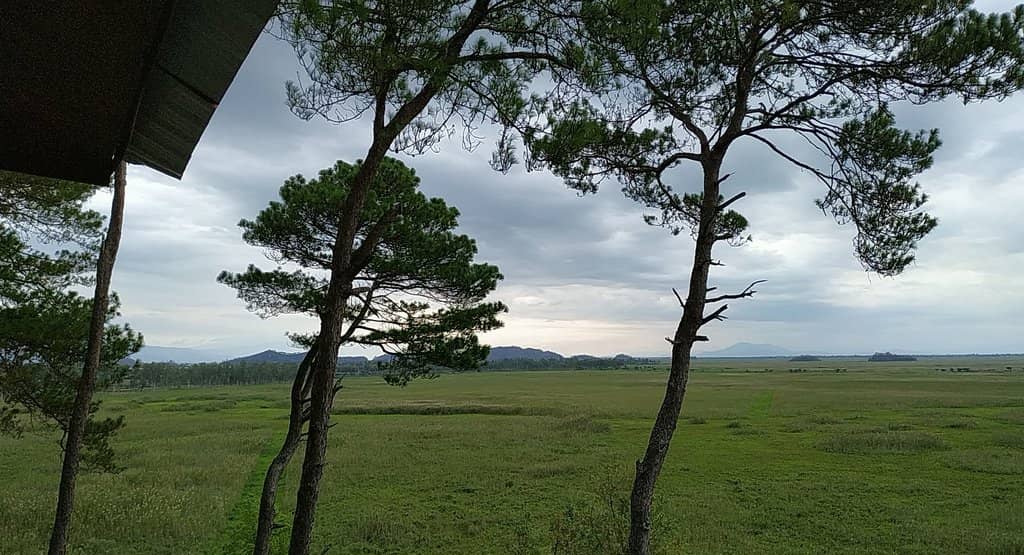
Visitors generally observe the park from designated viewpoints or via boat rides. Direct entry into the core protected areas might be restricted to protect the wildlife.
While general photography is allowed, professional or commercial photography might require special permits. It's best to inquire with the park authorities if you have specific professional equipment or plans.
🎫 🧭 Onsite Experience
The Sangai deer are most active in the early morning. Visiting during these hours and keeping a keen eye from the viewpoints or during a boat ride offers the best chance to spot them in their natural habitat.
'Phumdis' are floating islands of soil, vegetation, and organic matter that form the unique base of Keibul Lamjao National Park. They are crucial for the park's ecosystem and the survival of the Sangai deer.
Besides the Sangai deer, the park is home to various bird species, wild boars, and other wetland fauna. It's a rich biodiversity hotspot.
Local guides and volunteers are often available, especially around Loktak Lake and the park's entry points. They can provide insights into the local culture and the park's ecosystem.
Wear comfortable clothing and sturdy walking shoes, as you might be walking around viewpoints or on uneven terrain. Light, breathable fabrics are recommended due to the climate.
🍽️ 🍽️ Food & Dining
There are limited dining facilities directly inside the national park. You'll find some local eateries and tea stalls near the entrance or around Loktak Lake where you can try local Manipuri snacks and meals.
Near Loktak Lake and the park, try local Manipuri dishes like Eromba (mashed vegetables with fermented fish), Singju (a spicy salad), and various fish preparations.
Yes, bringing your own food for a picnic is a great idea, especially if you plan to spend a good part of the day exploring. There are scenic spots suitable for picnics.
While many Manipuri dishes are meat or fish-based, you can find vegetarian options like vegetable curries, rice, and local salads. It's good to ask for 'no fish' or 'no meat' when ordering.
Local eateries usually operate from breakfast through to dinner. However, for lunch, it's best to plan around midday to ensure availability, especially if you're out exploring.
📸 📸 Photography
The floating islands themselves, the diverse birdlife, the Sangai deer, and the panoramic views from the higher points are excellent subjects. The boat rides also offer unique photographic angles.
Yes, photography is generally allowed for personal use. However, using flash photography, especially when observing wildlife, is discouraged to avoid disturbing the animals.
A camera with a good zoom lens is recommended for capturing wildlife from a distance. A wide-angle lens can be useful for landscape shots of the floating islands and the lake.
Drone usage might be restricted in national parks to protect wildlife and for security reasons. It's advisable to check with park authorities beforehand if you intend to use a drone.
Early morning and late afternoon offer the best light for photography, with softer shadows and beautiful golden hour hues. These times also coincide with peak wildlife activity.


Social
from TikTok, Instagram & Reddit