Town Hall Kolkata
A majestic 19th-century neoclassical landmark in Kolkata, once a social hub for British elites and a site for intellectual discourse.
Highlights
Must-see attractions

Social
From TikTok & Reddit
Best Time
Guaranteed access and vibrant atmosphere
Town Hall Kolkata
Best Time
Guaranteed access and vibrant atmosphere
Highlights
Must-see attractions
A majestic 19th-century neoclassical landmark in Kolkata, once a social hub for British elites and a site for intellectual discourse.
"A historic treasure with stunning architecture, though museum access can be unreliable."
Check Museum Status
Museum access has been inconsistent; verify current opening status before visiting.
Attend Special Events
Events like ceremonies or festivals ensure entry and offer a lively experience.
Quick Facts
Hours
Rating
4.4 · 648 reviews
Highlights
Discover the most iconic attractions and experiences
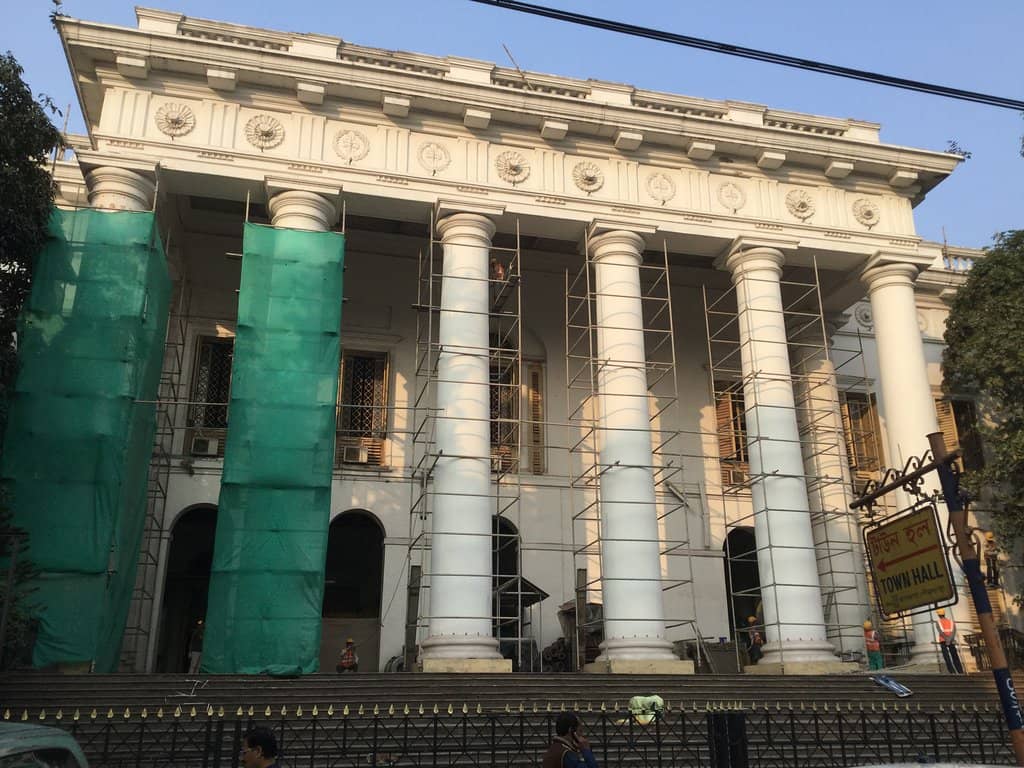
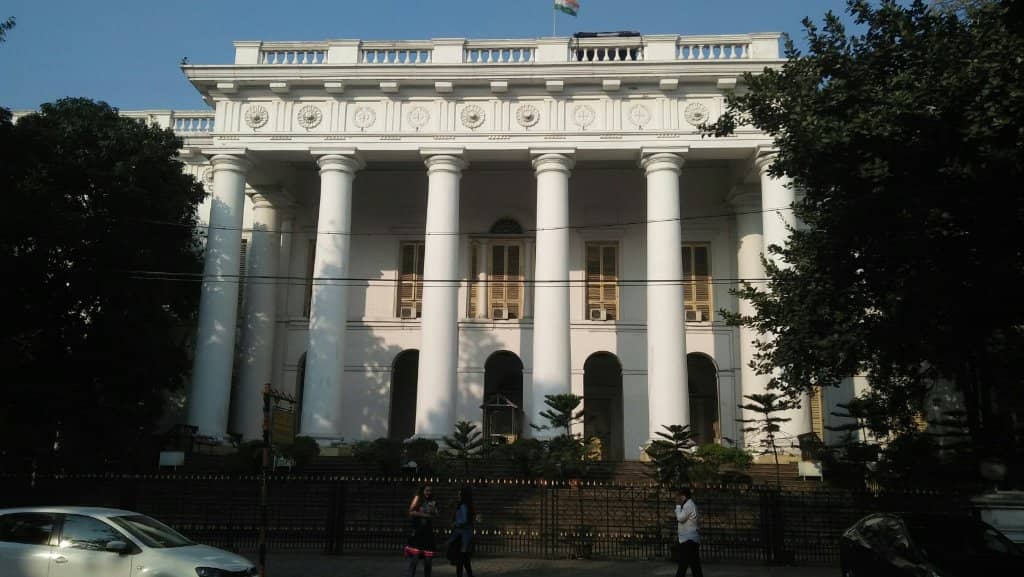
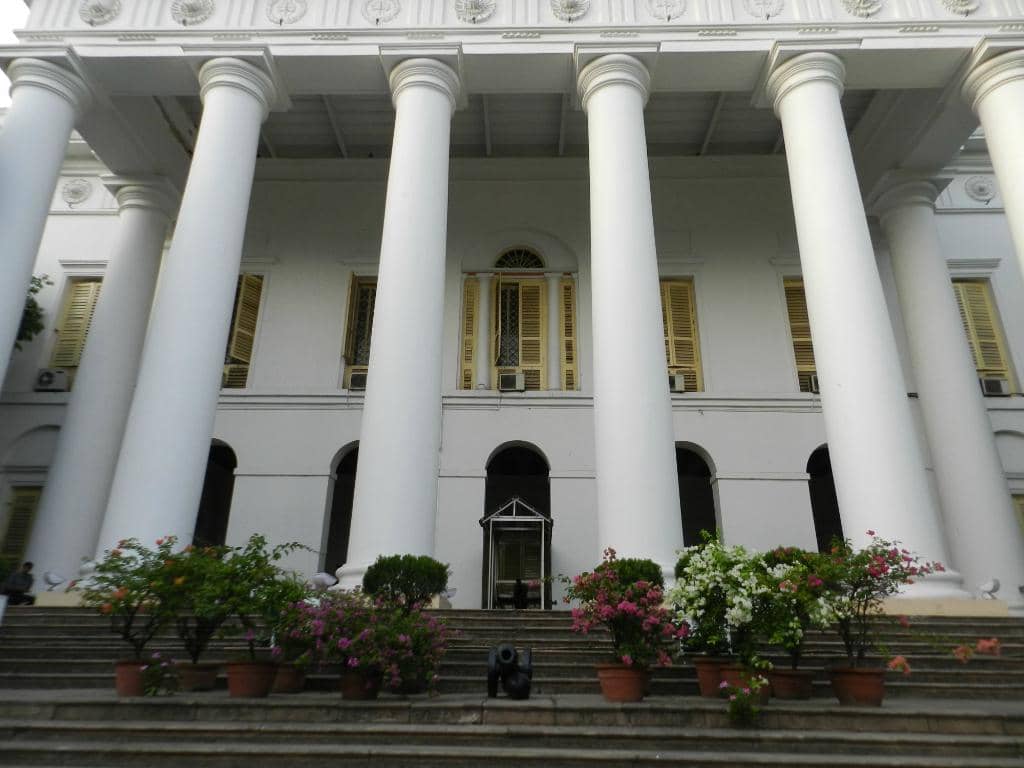
Neoclassical Architecture
Exterior
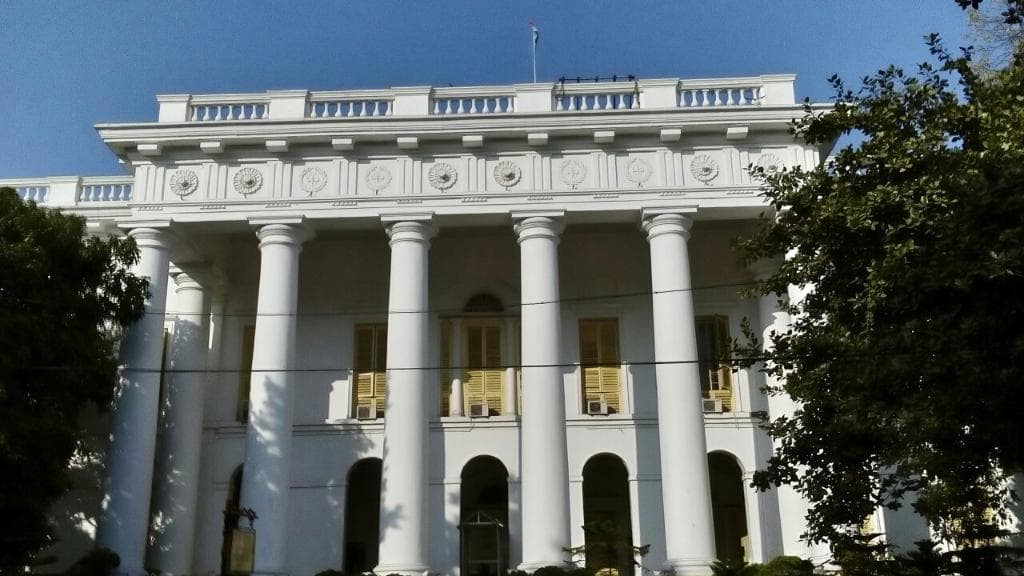
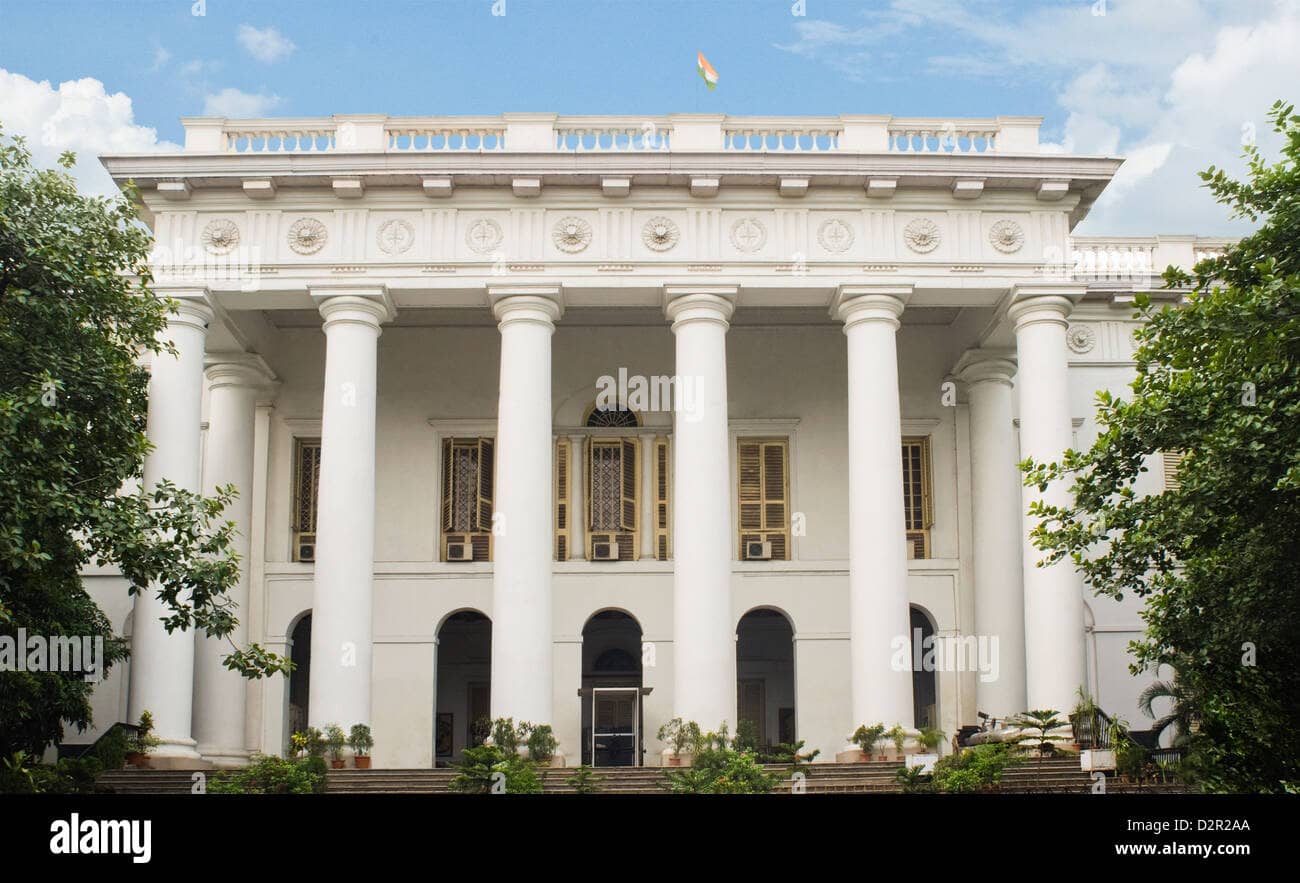
Admire the imposing Greco-Roman structure with grand Doric columns and majestic facade.
Historic Hall
Interior
Imagine the debates and gatherings that took place in this vast 12,000 sq ft space.
Town Hall Museum (if open)
Interior
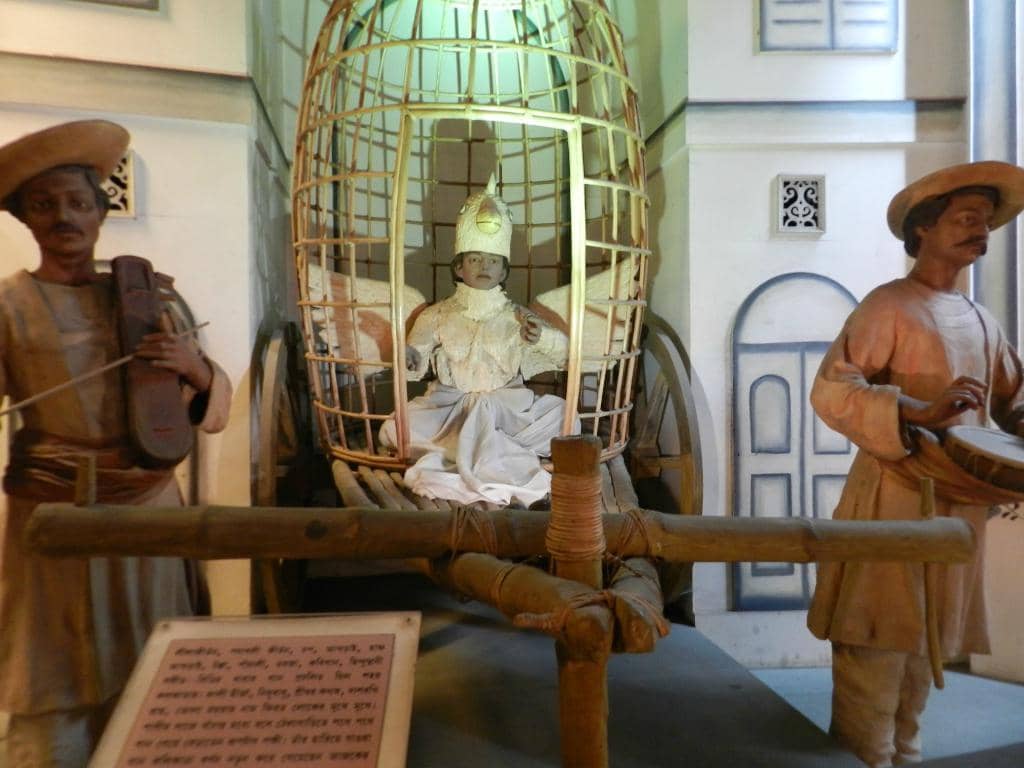
Explore a digital archive of Kolkata's history with rare maps and photographs.
Surrounding Lawns
Exterior
Enjoy a refreshing pause amidst green grass, shady trees, and history-laden surroundings.
Plans like a pro.
Thinks like you
Planning Your Visit
Timing Your Visit
Understanding Its Role
Best Times
Insider Tips
from TikTok, Instagram & Reddit
Check Museum Status
Museum access has been inconsistent; verify current opening status before visiting.
Attend Special Events
Events like ceremonies or festivals ensure entry and offer a lively experience. 
Appreciate the Architecture
The Roman Doric style is a highlight; take time to admire the building's grandeur.
Explore the Lawns
The surrounding green spaces offer a peaceful respite amidst the historic setting.
Tips
from all over the internet
Check Museum Status
Museum access has been inconsistent; verify current opening status before visiting.
Attend Special Events
Events like ceremonies or festivals ensure entry and offer a lively experience.
Appreciate the Architecture
The Roman Doric style is a highlight; take time to admire the building's grandeur.
Explore the Lawns
The surrounding green spaces offer a peaceful respite amidst the historic setting.
What Travellers Say
Reviews Summary
Town Hall Kolkata is lauded for its magnificent neoclassical architecture and historical significance as a former hub for British elites and later, Indian intellectuals. Visitors appreciate the grandeur of the building and its surrounding lawns, though the inconsistent accessibility of its museum is a recurring point of disappointment.
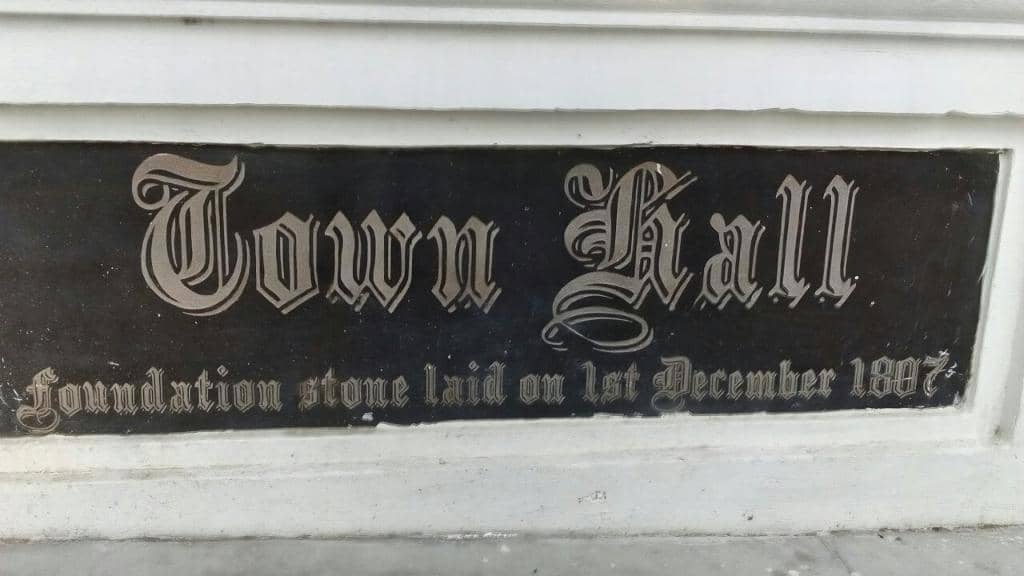
"Amidst the architectural splendor of Kolkata’s historic district stands the iconic Town Hall, an imposing neoclassical structure that has witnessed the city’s transformation from the capital of British India to the cultural epicenter of modern Bengal. Built in 1813-14 during the British Raj, Town Hall was once the beating heart of intellectual discourse, elite gatherings, and civic events. Today, it remains a significant landmark, echoing tales of Kolkata’s rich past while embracing its evolving future.
An Architectural Masterpiece
Designed by Colonel John Henry Garstin, the Town Hall is an impressive Greco-Roman structure, featuring tall Doric columns, grand staircases, and a vast central hall. The building's majestic façade, made of chunar sandstone and brick, exudes an aura of colonial elegance, making it one of the finest examples of 19th-century British architecture in India.
The hall, spanning 12,000 square feet, was originally built to serve as a venue for European aristocrats, bureaucrats, and merchants to host balls, banquets, and official meetings. However, over time, its role evolved, and it became a hub for public discourse, political debates, and literary events.
A Storied Past
- Town Hall’s early days: It was exclusively meant for the British elite, with Indians largely restricted from entering.
- Freedom Movement connections: By the late 19th and early 20th centuries, the Town Hall became a meeting ground for Indian intellectuals, reformists, and nationalist leaders, discussing ideas that shaped the independence movement.
- Post-independence evolution: After India gained independence, the hall transitioned into a civic and cultural center, hosting exhibitions, conferences, and public events.
Fascinating Facts About Town Hall
- In 1897, Swami Vivekananda delivered a powerful lecture here after his triumphant return from the West.
- Kabiguru Rabindranath Tagore, along with other literary and political figures, frequently attended discussions at this venue.
- The Town Hall Museum, added in the 21st century, showcases a digital archive of Kolkata’s history, featuring rare maps, documents, and photographs.
A Historic Treasure in Need of Attention
Despite its historical significance, Town Hall has faced periods of neglect, with structural wear threatening its grandeur. However, in recent years, restoration efforts by the Kolkata Municipal Corporation have revived its lost charm, ensuring that this colonial jewel continues to stand tall.
Today, Town Hall remains a symbol of Kolkata’s intellectual and political legacy, a place where history whispers through its walls, urging the present to remember its past."
Rajdeep Dutta
"This place is a Historic place and was built during Bristish Time.It has now being maintained by KOLKATA MUNICIPAL CORPORATION, this place has a big hall where so.many important meetings are being held.I have visited a meeting related to CLIMATE ACTION PLAN OF KOLKATA ON 5TH JUNE, WORLD ENVIRONMENT DAY 2025.This place is related to Rabindranath Tagore as well"
Avik Mukherjee
"The open lawns around Town Hall are refreshing in the middle of heritage buildings. Green grass, shady trees, and history-laden surroundings create the perfect spot for thoughtful pauses or casual evening strolls."
Local Guide
What People Like
What People Dislike
Frequently Asked Questions
🚇 🗺️ Getting There
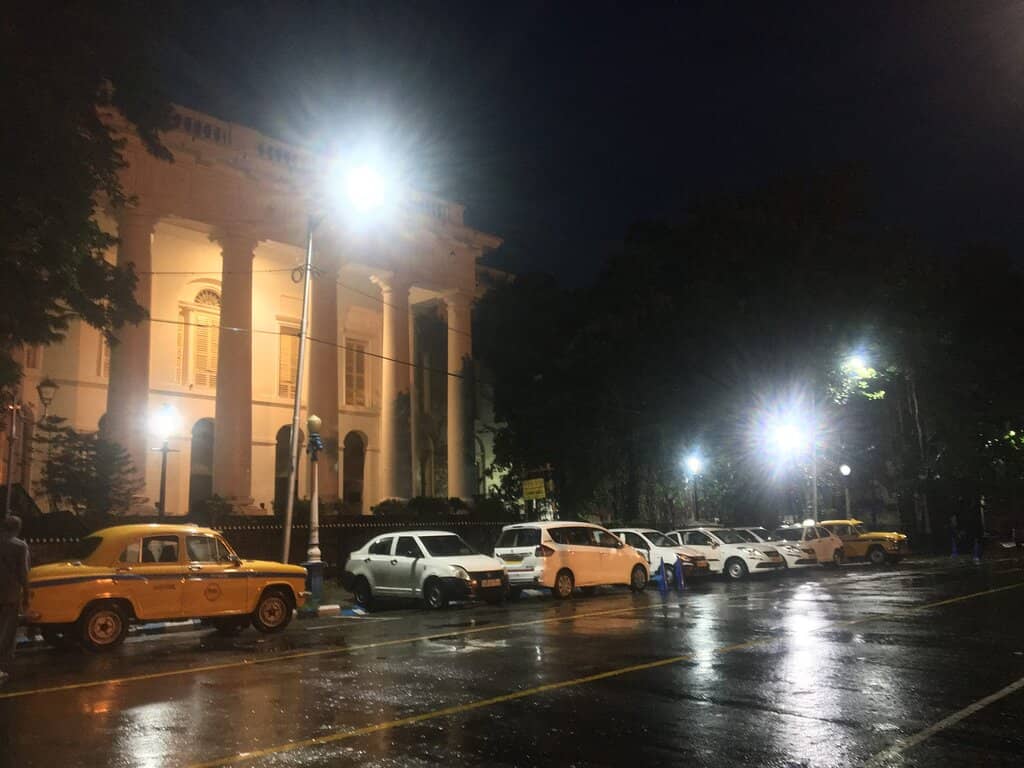
Town Hall is centrally located in Kolkata. You can reach it via taxi, ride-sharing services, or local buses. The nearest metro station is Esplanade, from where it's a short walk or a quick auto-rickshaw ride.
Parking availability can be limited in this historic area. It's advisable to use public transport or drop-off services if possible.
The Kolkata Metro is efficient for longer distances, while auto-rickshaws and taxis are good for shorter hops. Walking is also a great way to explore the heritage district.
🎫 🎫 Tickets & Entry
Entry to the Town Hall building and its grounds may depend on whether there are events or if the museum is open. It's best to check for current access policies as the museum has been reported closed.
Official opening hours, especially for the museum, can be inconsistent and have been reported as closed since 2017. It's crucial to verify current status before planning your visit.
Yes, Town Hall is used for various events, including ceremonies and festivals. Information on booking for private events would typically be through the Kolkata Municipal Corporation.
Historically, there might have been a fee, but current information suggests the museum has been inaccessible. Always confirm on-site or through official channels.
🎫 🏛️ Onsite Experience
The main attraction is the grand hall, which has hosted significant meetings and events. A museum showcasing Kolkata's history with digital archives, maps, and photographs is present, though its accessibility varies.
Absolutely! The neoclassical architecture, grand columns, and historic interiors offer excellent photo opportunities. The surrounding lawns also provide scenic backdrops.
Built in 1813, it was a social hub for the British elite and later a venue for Indian intellectuals and nationalists. It's a symbol of Kolkata's rich intellectual and political legacy.
Official guided tours are not widely advertised. However, attending an event or exploring the grounds can offer insights into its history.
If the museum is open, mornings might be less crowded. However, attending an evening event can offer a unique experience.
🍽️ 🍽️ Food & Dining
Town Hall itself does not typically have dining facilities for general visitors. However, the surrounding areas in Kolkata offer a wide array of dining options, from street food to fine dining.
You'll find diverse culinary experiences, including traditional Bengali cuisine, Indian street food, and international options, given its central location.
📸 📸 Photography
The grand facade with its Doric columns, the sweeping staircases, and the expansive central hall are prime photography locations. The lawns also offer picturesque views.
Tripod usage policies can vary, especially during events. It's advisable to check on-site regulations or inquire beforehand to avoid issues.
Golden hour (early morning or late afternoon) can provide beautiful lighting for the exterior. For interiors, consider the lighting conditions or if events are taking place.


Social
from TikTok, Instagram & Reddit