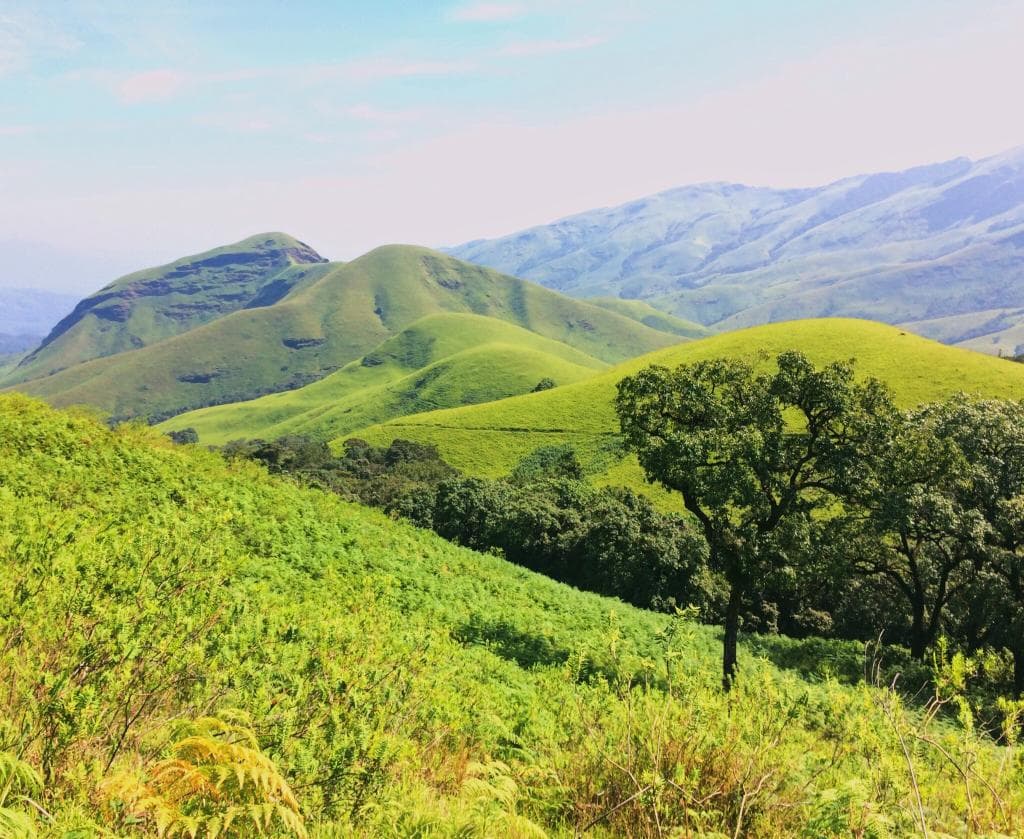
Kudremukh National Park
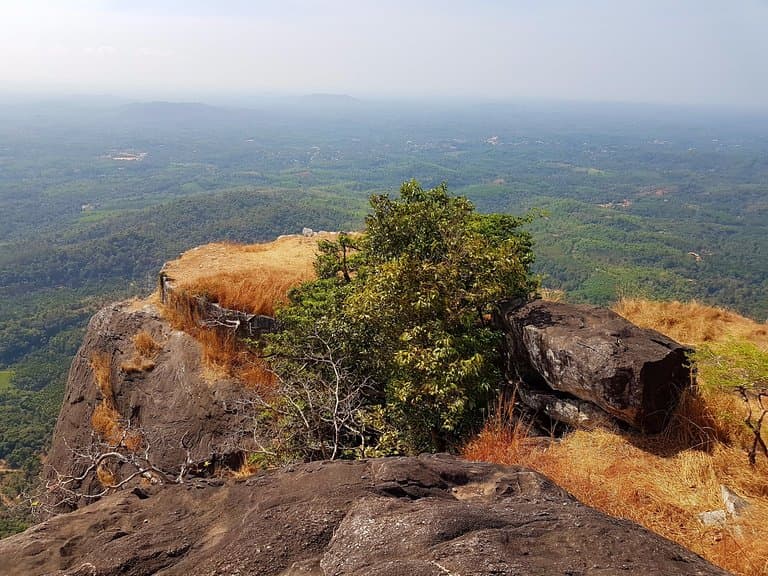
Explore Karnataka's emerald gem, Kudremukh National Park, offering challenging treks, diverse wildlife, and stunning Western Ghats vistas.
Highlights
Must-see attractions

Social
From TikTok & Reddit
Best Time
Lush greenery, pleasant weather
Kudremukh National Park
Best Time
Lush greenery, pleasant weather
Highlights
Must-see attractions
Explore Karnataka's emerald gem, Kudremukh National Park, offering challenging treks, diverse wildlife, and stunning Western Ghats vistas.
"A haven for nature enthusiasts, offering stunning landscapes, rich wildlife, and scenic trekking routes."
Book Permits Online
Secure your forest permits in advance via the official Kudremukh National Park website. 🎟️
Hire a Local Guide
Essential for navigation and safety, especially on longer treks. Guides cost around ₹1000. :man_detective:
Quick Facts
Hours
Rating
4.6 · 536 reviews
Type
National Park
Highlights
Discover the most iconic attractions and experiences
Kudremukh Peak Trek
Kudremukh National Park
Conquer Karnataka's second-highest peak for panoramic views of the Western Ghats. A challenging yet rewarding trek.
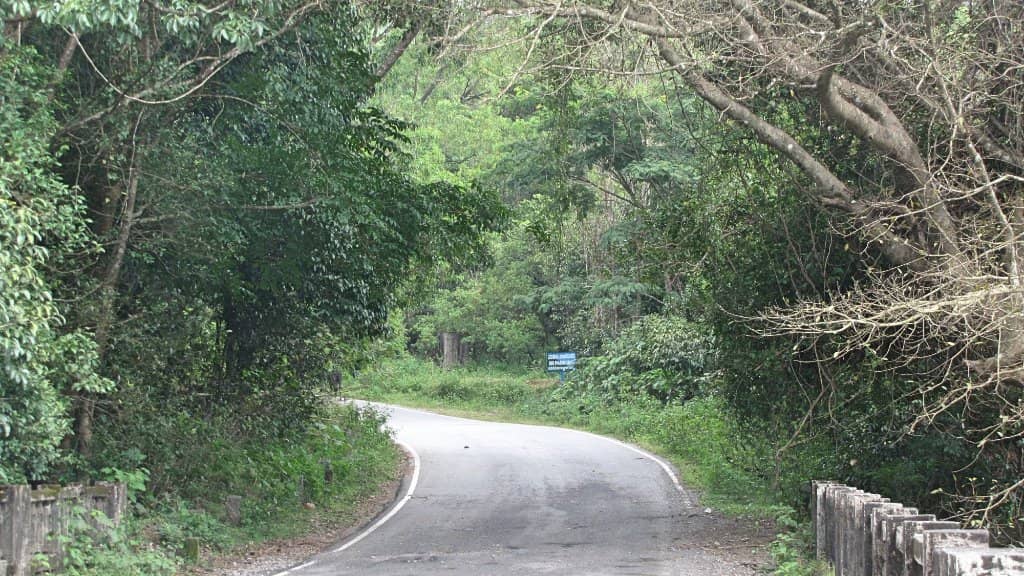
Kurinjal Peak Trek
Kudremukh National Park
Explore a less crowded trail through dense forests and meadows, offering a serene trekking experience.
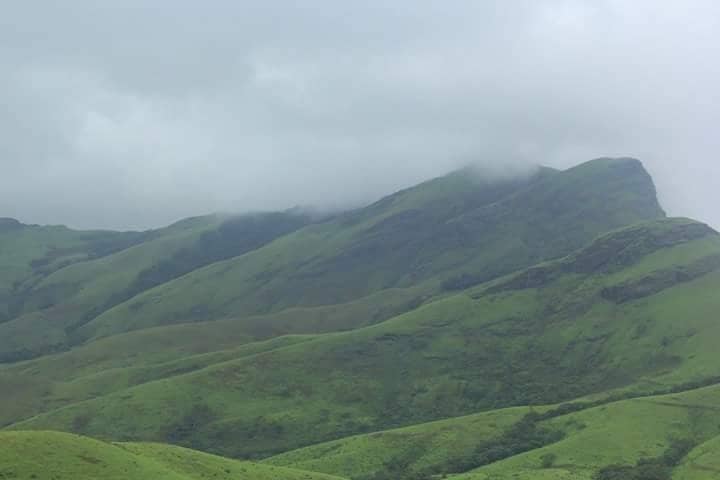
Lakya Dam
Kudremukh National Park
A picturesque reservoir surrounded by rolling hills, perfect for a peaceful retreat and stunning sunset views.
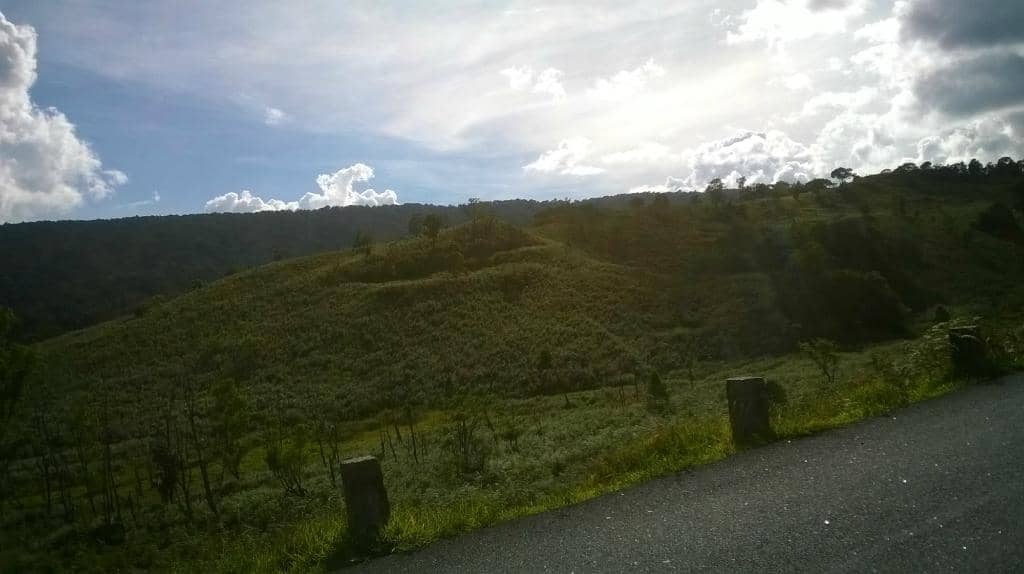
Bamikonda Viewpoint
Near Kalasa, Kudremukh National Park
A hidden gem offering ridge views of the Kudremukh range, with a peaceful trek through forests and streams.
Plans like a pro.
Thinks like you
Planning Your Visit
Permits and Trekking Essentials
Best Time to Visit & What to Expect
Best Times
Insider Tips
from TikTok, Instagram & Reddit
Book Permits Online
Secure your forest permits in advance via the official Kudremukh National Park website. 🎟️
Hire a Local Guide
Essential for navigation and safety, especially on longer treks. Guides cost around ₹1000. :man_detective:
Trekker's Essentials
Carry water, snacks, insect repellent, and wear sturdy trekking shoes. Leeches are common in monsoon. :hikingboot: :waterwave:
Respect Nature
Plastic is strictly prohibited. Carry your trash back. ♻️
Tips
from all over the internet
Book Permits Online
Secure your forest permits in advance via the official Kudremukh National Park website. 🎟️
Hire a Local Guide
Essential for navigation and safety, especially on longer treks. Guides cost around ₹1000. :man_detective:
Trekker's Essentials
Carry water, snacks, insect repellent, and wear sturdy trekking shoes. Leeches are common in monsoon. :hikingboot: :waterwave:
Respect Nature
Plastic is strictly prohibited. Carry your trash back. ♻️
Consider Group Treks
Organized treks offer convenience for permits, food, and accommodation. :handshake:
What Travellers Say
Reviews Summary
Visitors rave about Kudremukh National Park's stunning natural beauty, lush greenery, and challenging trekking opportunities. The panoramic views from the peaks and the serene atmosphere are major highlights. However, some find the mandatory guide fees and the presence of leeches during monsoon treks to be drawbacks.
"Kudremukh National Park is a stunning protected area located in the Chikmagalur district of Karnataka, India. It's renowned for its biodiversity, scenic landscapes, and is a popular destination for nature enthusiasts and trekkers. The park gets its name from the Kudremukh peak, which resembles a horse's face.
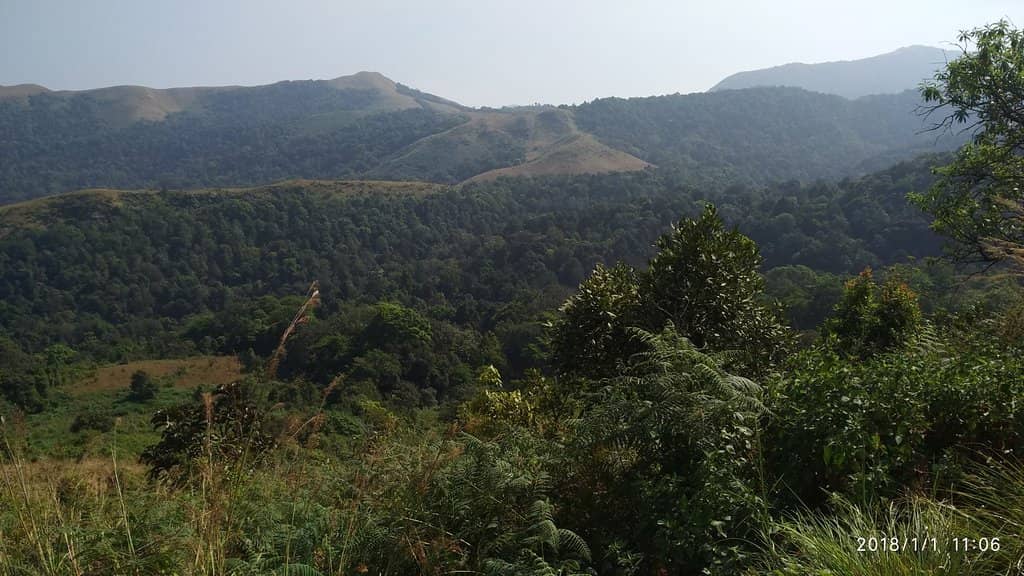
The park is a part of the Western Ghats, a UNESCO World Heritage site, and is home to a diverse range of flora and fauna. You can find various species of mammals, including tigers, leopards, wild dogs, and various species of birds and reptiles. The park's landscape is characterized by lush green forests, rolling hills, and cascading waterfalls.
Trekking is a popular activity in Kudremukh National Park, with several trails offering breathtaking views of the surrounding landscapes. The Kudremukh peak trek is the most popular, but it requires permission from the forest department. The best time to visit is during the post-monsoon season when the weather is pleasant, and the trails are accessible. Remember to carry essentials like water, snacks, and wear comfortable footwear."
Akash Dhumal
"What a place to trek, moderate to hard trek with leeches for company and challenges on the way it is a perfect trek for beginners to avid trekkers. Good place to bond. The ideal time to trek is during the monsoon or post monsoon to soak in the beauty of the place. Secon highest peak after Kumara Parvatha everyone should try this.Highly recommended."
Danesh _the Wandering Monk
"Great trekking experience in Kudremukh. After some forest area, we entered an open area. A rare chance to see wild animals. But have animals presence. Trek was hard. Two areas have steep. Saw some people return halfway. But we had completed the Trek. In top view was very nice. If you are interested in mountain hiking must try Kudremukh Trek. The guide was a waste fellow. Plastic is strictly not allowed in Trek. We can carry a water bottle. Must bring Trek Pole."
Travel Notes by Prasad
What People Like
What People Dislike
Frequently Asked Questions
🚇 🗺️ Getting There
Kudremukh National Park is accessible by road. The nearest major cities are Mangalore and Bangalore. From these cities, you can hire a taxi or take a bus to Kalasa or Kudremukh town, which are entry points to the park. The park itself is about 20 km from Kudremukh town. 🚌 🚗
Most treks start from designated points within or near the park. For the main Kudremukh Peak trek, you'll typically start from the forest check post after obtaining permits. Local transport or pre-arranged taxis can take you to these points. :oncoming_taxi:
Public transport within the park is limited. It's best to arrange your own vehicle or hire local taxis for transfers between points of interest or to the trek starting points. 🚐
Kudremukh National Park is approximately 300-350 km from Bangalore, a journey that takes about 6-8 hours by road, depending on traffic and route. :road:
Private vehicles are generally allowed on certain roads within the park, but access to trekking trails might be restricted. Check with the forest department for specific rules and entry fees for vehicles. 🚗
🎫 🎫 Tickets & Entry
Trekking permits are mandatory and must be obtained online through the official Kudremukh National Park trekking reservation website. The permit fee is ₹500 per person. Book in advance, especially during peak season. 
The park is generally open for visitors during daylight hours. Specific timings for trekking and entry points can vary, so it's best to check the official website or inquire locally. Treks usually start early in the morning. :clock1:
Yes, hiring a local guide is often mandatory for treks like Kudremukh Peak. The guide fee is typically around ₹1000. They are crucial for navigation and safety.
Besides the trekking permit fee, there might be separate entry fees for vehicles and individuals visiting specific areas like viewpoints or waterfalls. These are usually nominal. :moneybag:
While some sources suggest on-arrival permits might be possible for certain areas, it's highly recommended to book online in advance to avoid disappointment, as permits can be limited.
🎫 🏞️ Onsite Experience
The most popular is the Kudremukh Peak trek (22 km round trip). Other notable treks include Kurinjal Peak and the less-frequented Valikunja trail, offering diverse landscapes from dense forests to open meadows.
Kudremukh is home to tigers, leopards, wild dogs, and various birds and reptiles. While sightings are rare, the park's biodiversity is rich. Focus on the stunning flora and landscapes.
Yes, Humanagundi Falls is a beautiful waterfall within the park, accessible via an easy trek. It's a refreshing stop during your visit.
The Kudremukh Peak trek is considered moderate to hard, with steep sections and challenging terrain. It's suitable for beginners with good stamina and experienced trekkers. +1
It is strongly advised not to trek alone. Hiring a local guide is mandatory for most treks and ensures your safety and navigation through the park's challenging terrain.
🍽️ 🍽️ Food & Dining
There are no formal restaurants inside the national park. You'll find basic food options in nearby towns like Kudremukh or Kalasa. It's best to carry your own snacks and packed meals for treks.
Local eateries in Kudremukh and Kalasa offer South Indian cuisine, including rice-based meals and snacks. For more variety, you'd need to travel to larger towns. :samosa:
Yes, most local South Indian restaurants will have vegetarian options like 'thalis' (set meals), idli, dosa, and vada. :rice_bowl:
If you book with a trekking group or stay at a resort that organizes treks, meals are often included. Otherwise, carry your own food.
While not specific to the park, try local Malnad cuisine which often features rice, coconut, and local spices. :coconut:
📸 📸 Photography
The entire park is a photographer's paradise! Key spots include the panoramic views from Kudremukh Peak, the serene Lakya Dam, the lush forests, and the cascading Humanagundi Falls.
Landscape photography is dominant, capturing the rolling hills, meadows, and dense forests. Wildlife photography is challenging but possible. Sunrise and sunset shots at Lakya Dam are also popular.
Generally, no special permit is required for personal photography. However, for commercial or professional shoots, you might need to seek permission from the forest department. :camerawithflash:
Early mornings and late afternoons offer the best light for landscape photography, with softer shadows and golden hues. Sunrise at Lakya Dam is particularly stunning.
Avoid using drones without prior permission. Also, be mindful of wildlife and avoid disturbing them for a shot. Stick to designated paths. :noentrysign:




Social
from TikTok, Instagram & Reddit