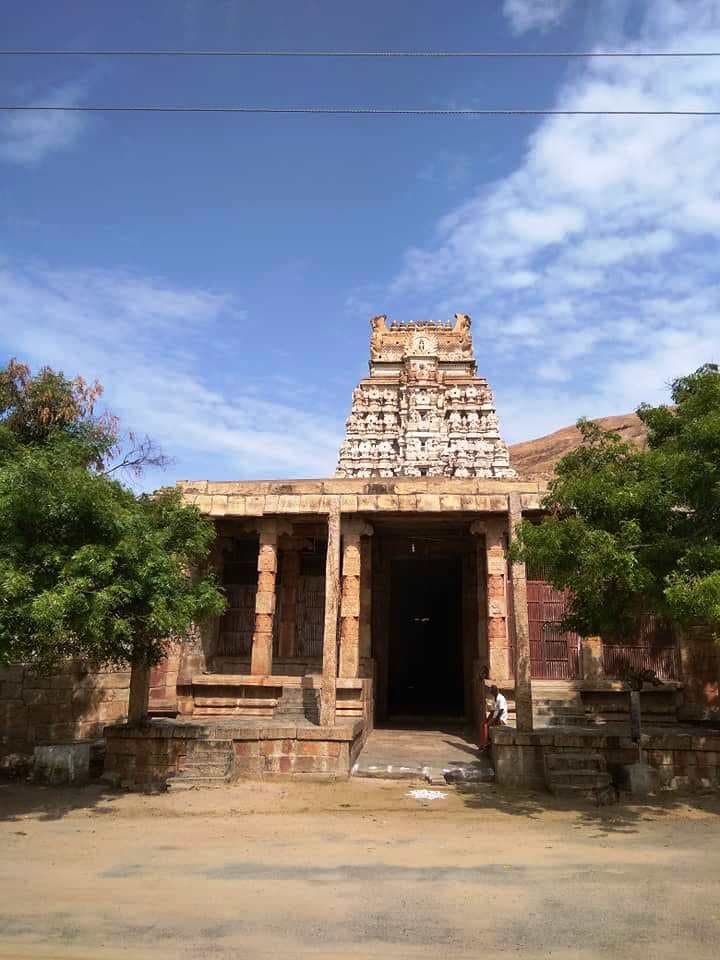
Kudumiyanmalai Temple
An ancient rock-cut temple renowned for its architectural marvels and rare musical inscriptions, a testament to Pallava and Chola artistry.
Highlights
Must-see attractions

Social
From TikTok & Reddit
Best Time
Fewer crowds, cooler temperatures
Kudumiyanmalai Temple
Best Time
Fewer crowds, cooler temperatures
Highlights
Must-see attractions
An ancient rock-cut temple renowned for its architectural marvels and rare musical inscriptions, a testament to Pallava and Chola artistry.
"An engineering marvel, this 1000+ year old temple is a must-visit for its grandeur and historical significance."
Wear Comfortable Shoes
You'll be doing a lot of walking and exploring the rocky terrain. :athletic_shoe:
Visit Early or Late
Beat the heat and crowds by visiting in the morning or late afternoon. 🌅 🌇
Quick Facts
Hours
Rating
4.7 · 183 reviews
Type
Hindu Temple
Highlights
Discover the most iconic attractions and experiences
Rock-Cut Cave Temple
Main temple complex
An 8th-century marvel carved directly into the rock, featuring a unique Shiva Linga.
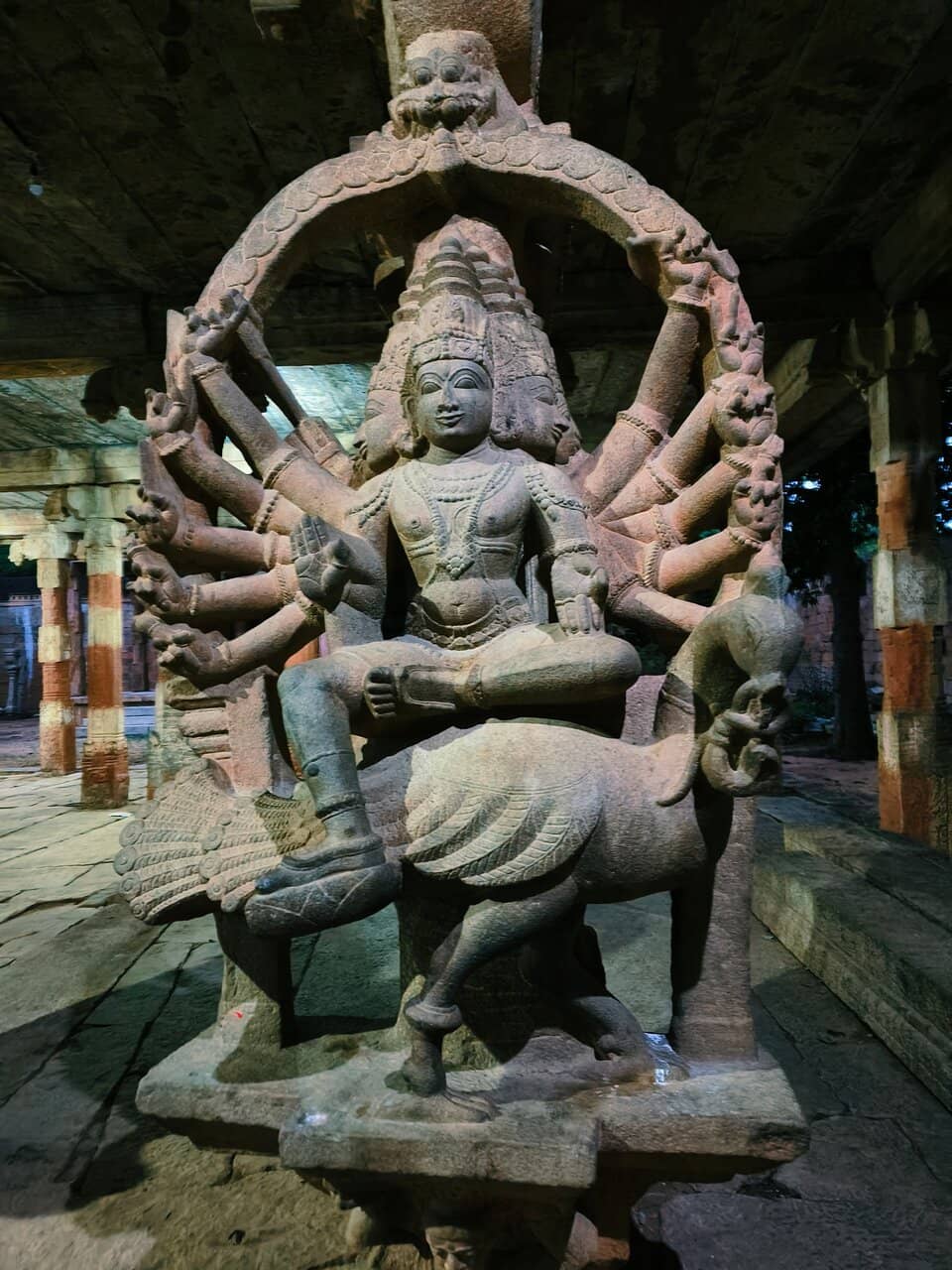
Ancient Musical Inscriptions
Near the cave temple
Rare inscriptions detailing the foundations of Carnatic music, a testament to ancient knowledge.
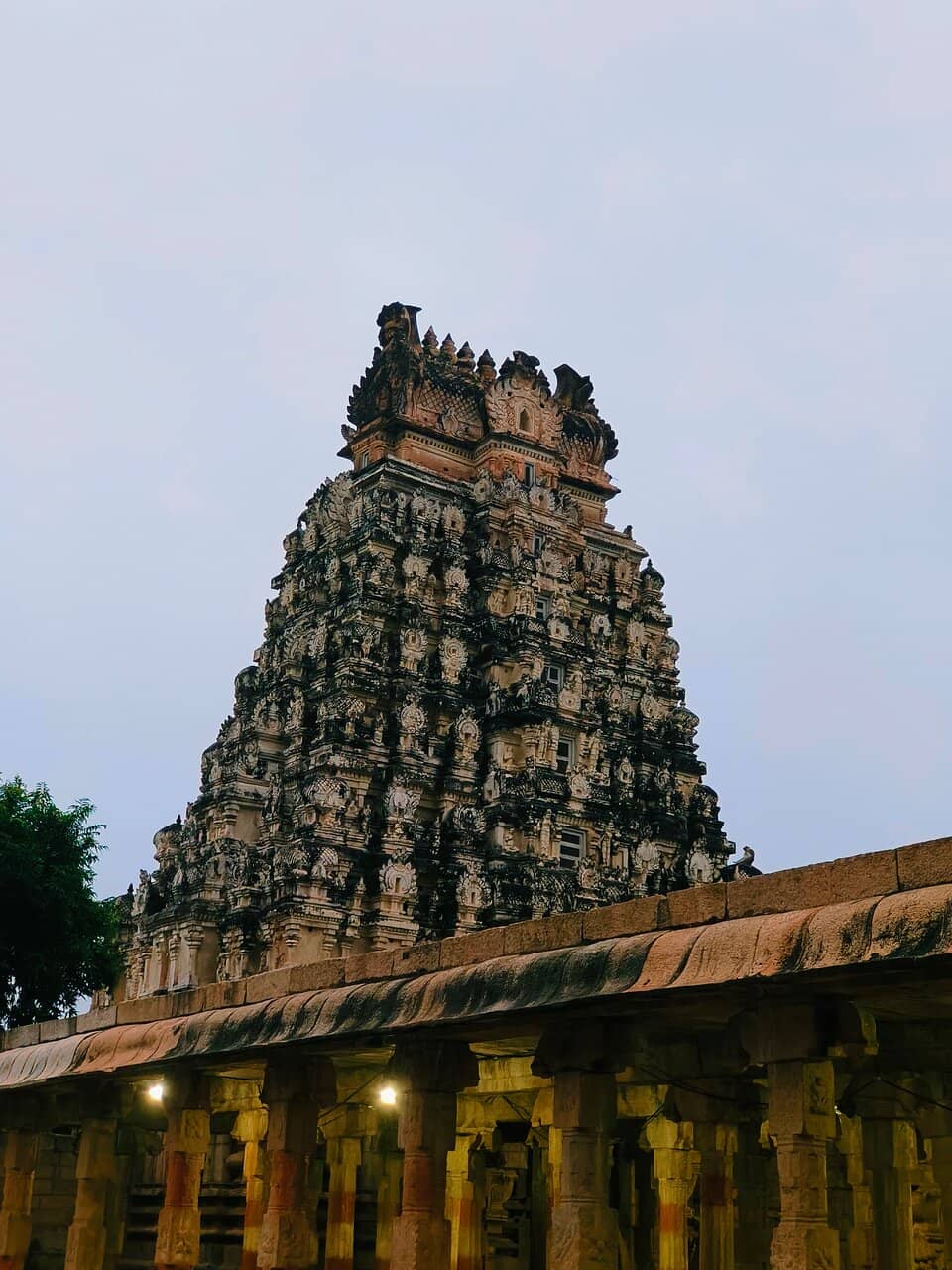
Sculptures of Shiva and Parvati
On the hill above the temple
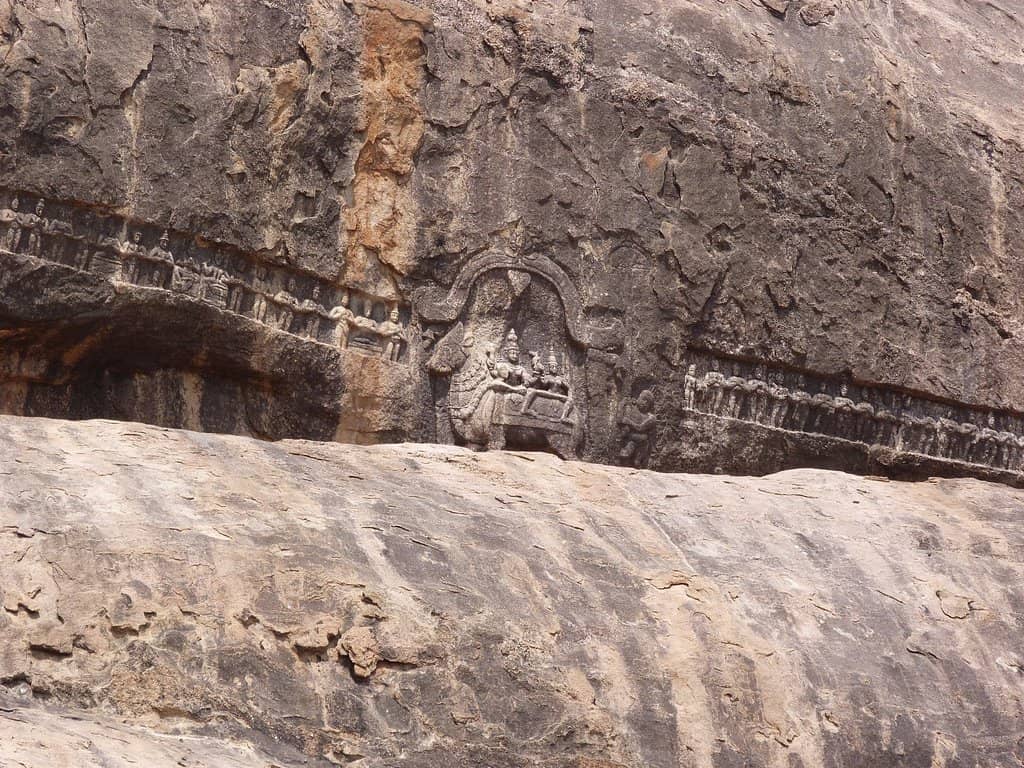
Magnificent carvings of Lord Shiva and Goddess Parvati on Rishabha Vahana, flanked by Nayanmars.
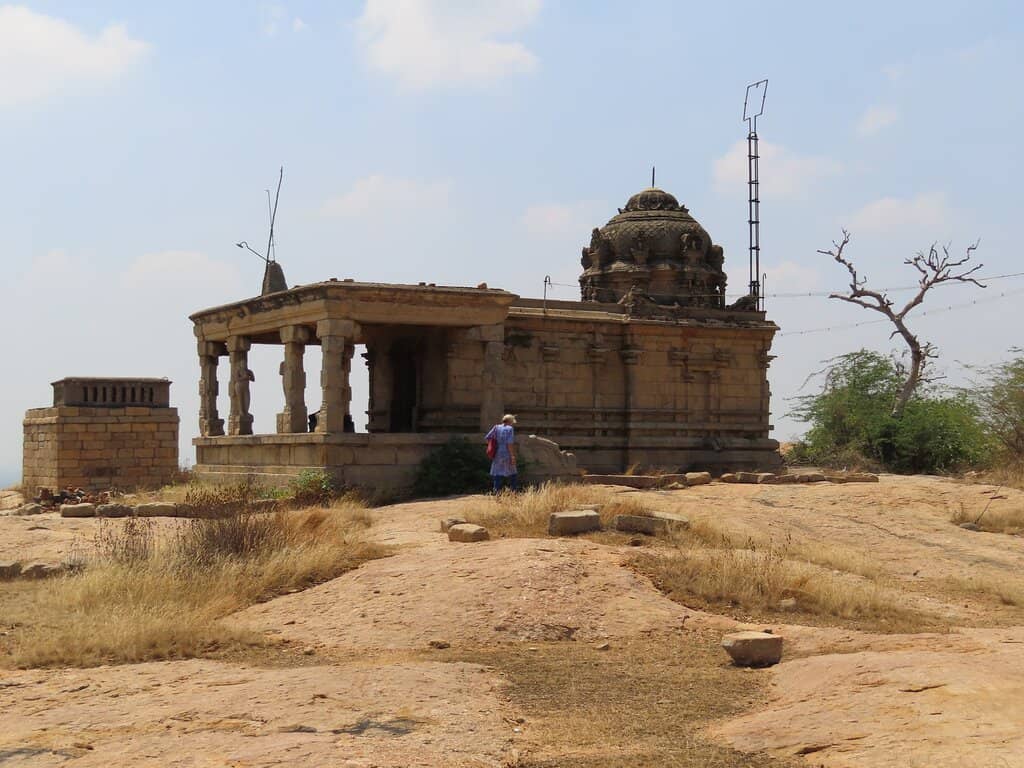
Pallava Era Architecture
Temple complex
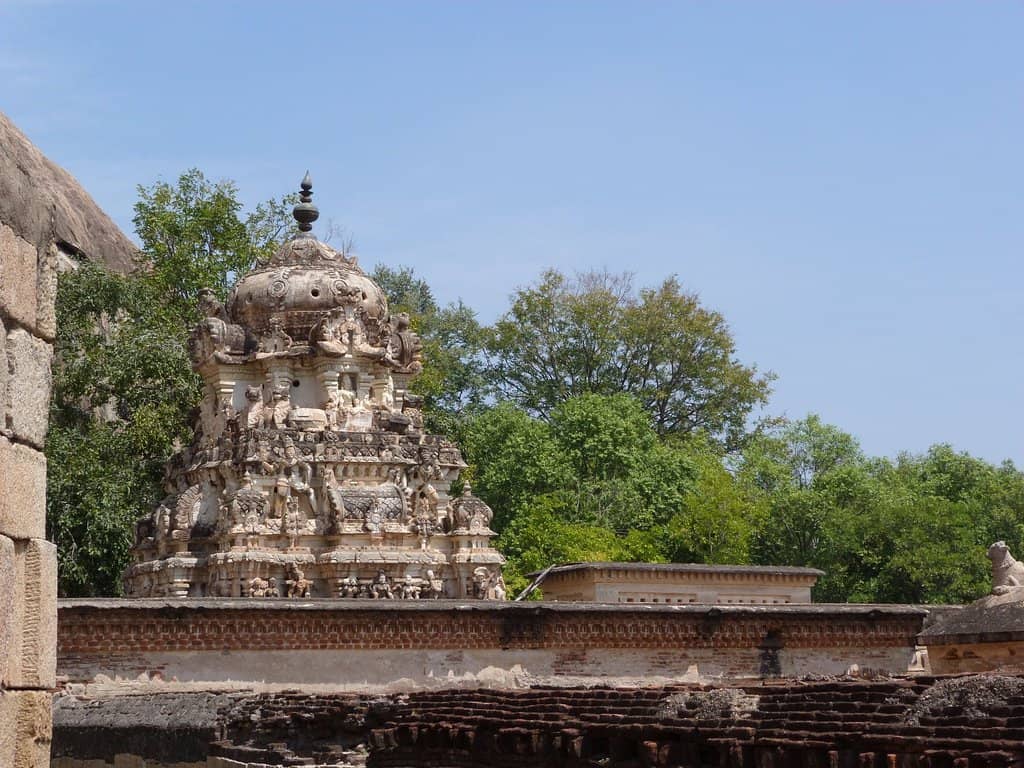
Witness the early Pallava period influences in the temple's construction and intricate carvings.
Plans like a pro.
Thinks like you
Planning Your Visit
Timing is Key for a Peaceful Visit
Explore Beyond the Main Shrine
Best Times
Insider Tips
from TikTok, Instagram & Reddit
Wear Comfortable Shoes
You'll be doing a lot of walking and exploring the rocky terrain. :athletic_shoe:
Visit Early or Late
Beat the heat and crowds by visiting in the morning or late afternoon. 🌅 🌇
Hire a Local Guide
Gain deeper insights into the temple's history and architecture. :man_detective:
Respectful Attire
Dress modestly to show respect for this ancient religious site. 🙏
Tips
from all over the internet
Wear Comfortable Shoes
You'll be doing a lot of walking and exploring the rocky terrain. :athletic_shoe:
Visit Early or Late
Beat the heat and crowds by visiting in the morning or late afternoon. 🌅 🌇
Hire a Local Guide
Gain deeper insights into the temple's history and architecture. :man_detective:
Respectful Attire
Dress modestly to show respect for this ancient religious site. 🙏
Look for Inscriptions
Don't miss the ancient musical notes carved into the rocks! :musical_note:
What Travellers Say
Reviews Summary
Visitors consistently praise Kudumiyanmalai Temple as an engineering and architectural marvel, highlighting its ancient rock-cut design and historical significance. Many appreciate the rare musical inscriptions and the detailed sculptures. However, some reviews mention that the temple could benefit from better maintenance and increased visitor footfall.
"Engineering Marvel, I'd say. Kuduminathar Temple at Kudumiyanmalai, located along the Pudukkottai–Manaparai road, is truly an architectural wonder. This 1000+ year old temple is under the control of ASI. We had the privilege of listening to Mr. Sudhakar from the ASI, who narrated the temple’s history beautifully.
The temple was constructed in four phases. The earliest, from the Pallava period, is a rock-cut temple. It was later expanded by the Pandyas, the Cholas, and finally the Nayakkars.
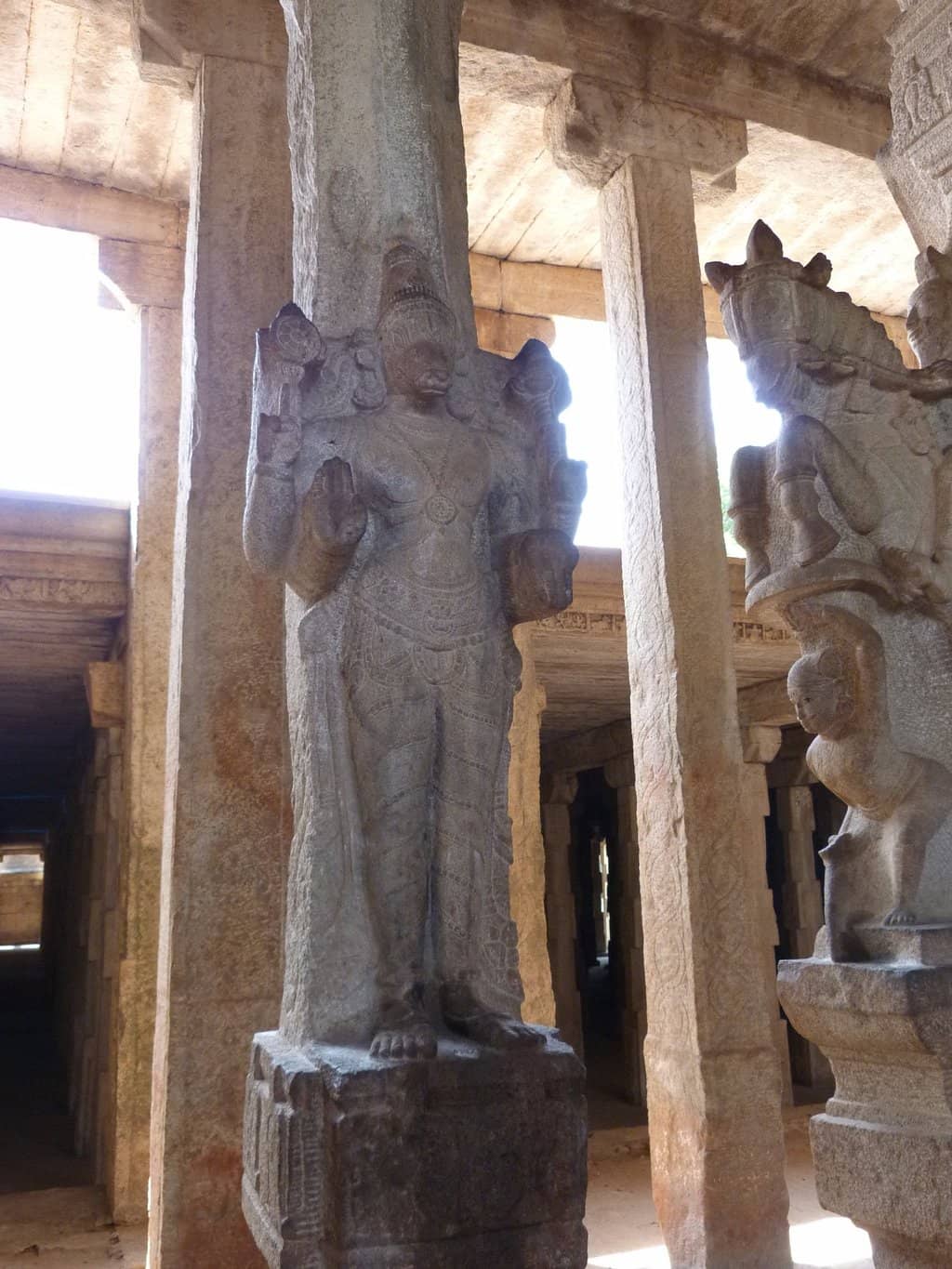
From the very entrance, the sculptures on either side leave you amazed, making you wonder how artisans carved them over a millennium ago. On entering, one is greeted by two unique sculptures of Lord Hanuman facing each other.
Here, Lord Shiva is depicted with a Sikha (hair knot, or 'kudumi'), which gives the temple its name. Kudumiyanmalai is also renowned for housing rare inscriptions that explain the foundations of Carnatic music. Unfortunately, we could not get close to these inscriptions due to the presence of numerous beehives.
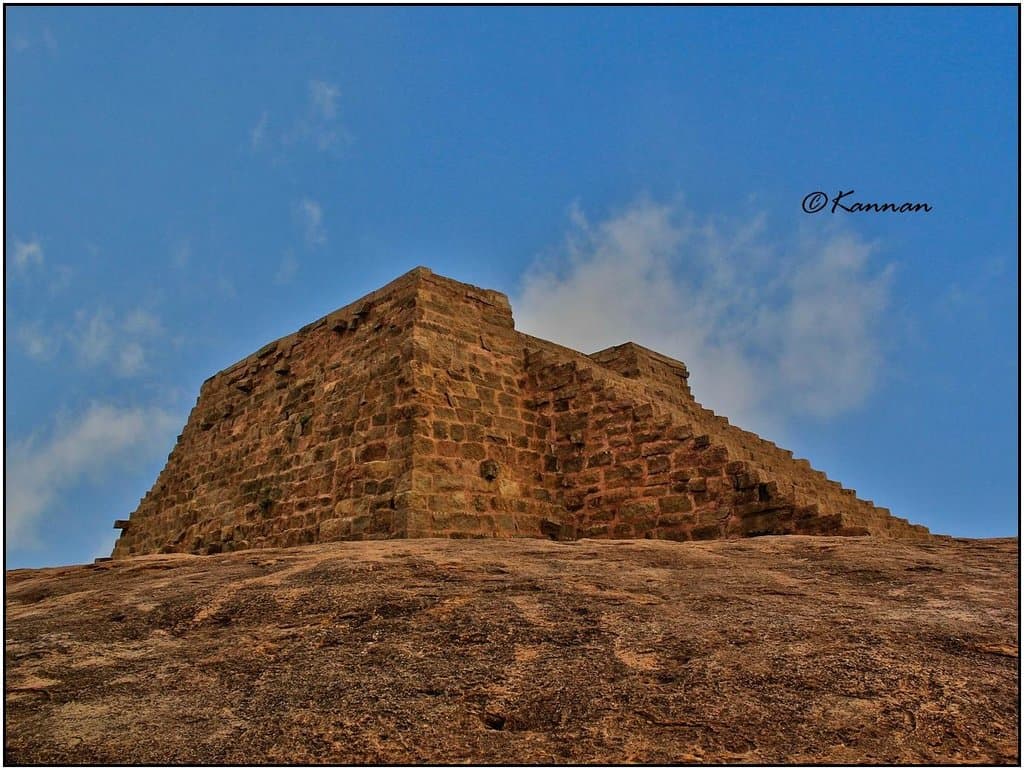
On the same hill, above the rock, one can witness a magnificent sculpture of Lord Shiva with Goddess Parvati seated on Rishabha Vahana, surrounded on both sides by the 63 Nayanmars.
This temple is a must-visit if you are in Pudukkottai. Set aside at least 1-2 hours to truly experience its grandeur."
Krishnamurthy Viswanathan
"This temple was built by Raja Mahendravarman for lord Shiva. The temple is a beautiful place that is full of some amazing architecture. However, it can definitely be better maintained. It might also do well with some additional footfall which is missing as of today."
Balasubramanian G
"It is made by mahendravarman 1 in 7th century. Beautiful place .it is famous for its historical and architectural significance.it a rock-cut cave temple.well Comunicated place."
debabrata mohanta
What People Like
What People Dislike
Frequently Asked Questions
🚇 🗺️ Getting There
Kudumiyanmalai Temple is located in Pudukkottai district, Tamil Nadu. It's accessible from Trichy, which has a railway station and an airport. You can take a bus or hire a taxi from Trichy to reach the temple. Many travelers mention it's a well-communicated place.
From Trichy, you can take a bus heading towards Pudukkottai or Manaparai, and get off at Kudumiyanmalai. Alternatively, hiring a taxi offers more flexibility and comfort, especially if you plan to visit other nearby sites.
Yes, public buses frequently ply the route from Trichy to Kudumiyanmalai, making it accessible via public transport. The temple is situated along the Pudukkottai–Manaparai road.
Kudumiyanmalai Temple is located approximately 20-25 kilometers from Pudukkottai town, making it a feasible day trip from the district headquarters.
While specific details on dedicated parking lots are scarce, visitors usually find space to park their vehicles near the temple entrance, especially during less crowded times.
🎫 🎫 Tickets & Entry
There is typically no entry fee for the main temple complex. However, some specific areas or guided tours might have nominal charges. It's always good to check on-site for any updates.
The temple is generally open from early morning to evening. Specific timings can vary, but it's advisable to visit between 6 AM to 6 PM to experience its full grandeur.
No, advance booking is not usually required for Kudumiyanmalai Temple as it's a historical site managed by the Archaeological Survey of India (ASI) and not a ticketed attraction in the typical sense.
Due to its rocky terrain and ancient structure, accessibility for people with disabilities might be challenging. Visitors are advised to check with the ASI on-site for specific accessibility information.
The musical inscriptions are a key attraction. While generally accessible, it's best to inquire on-site about any specific restrictions or guided access to this historical area.
🎫 🏛️ Onsite Experience
Kudumiyanmalai Temple is renowned for its 8th-century rock-cut architecture, ancient musical inscriptions, and the unique depiction of Lord Shiva with a 'kudumi' (hair knot). It's an engineering and historical marvel.
Don't miss the rock-cut cave temple, the rare musical inscriptions, the sculptures of Shiva and Parvati on the hill, and the intricate carvings on the pillars. 
To truly appreciate its grandeur and explore the various sections, set aside at least 1-2 hours for your visit.
Yes, local guides are often available at the temple who can provide detailed historical and architectural insights. Hiring one can significantly enhance your understanding of the site.
These inscriptions are considered some of the earliest explanations of Carnatic music principles, making the temple a significant site for musicologists and historians.
📸 📸 Photography
Photography is generally allowed in most outdoor areas of the temple complex. However, check for any specific restrictions inside the rock-cut cave or sensitive inscription areas.
The intricate pillar carvings, the rock-cut temple entrance, the sculptures on the hill, and the ancient inscriptions offer excellent photographic opportunities. The golden hour light can be magical.
Drone photography is typically not permitted at historical and religious sites without prior official permission from the Archaeological Survey of India (ASI).
A standard DSLR or mirrorless camera with a versatile lens (e.g., 24-70mm) is ideal. A wide-angle lens can be useful for capturing the scale of the architecture.
Yes, you can photograph the inscriptions, but be mindful of the lighting conditions and avoid using flash if it's prohibited or might damage the ancient carvings.




Social
from TikTok, Instagram & Reddit