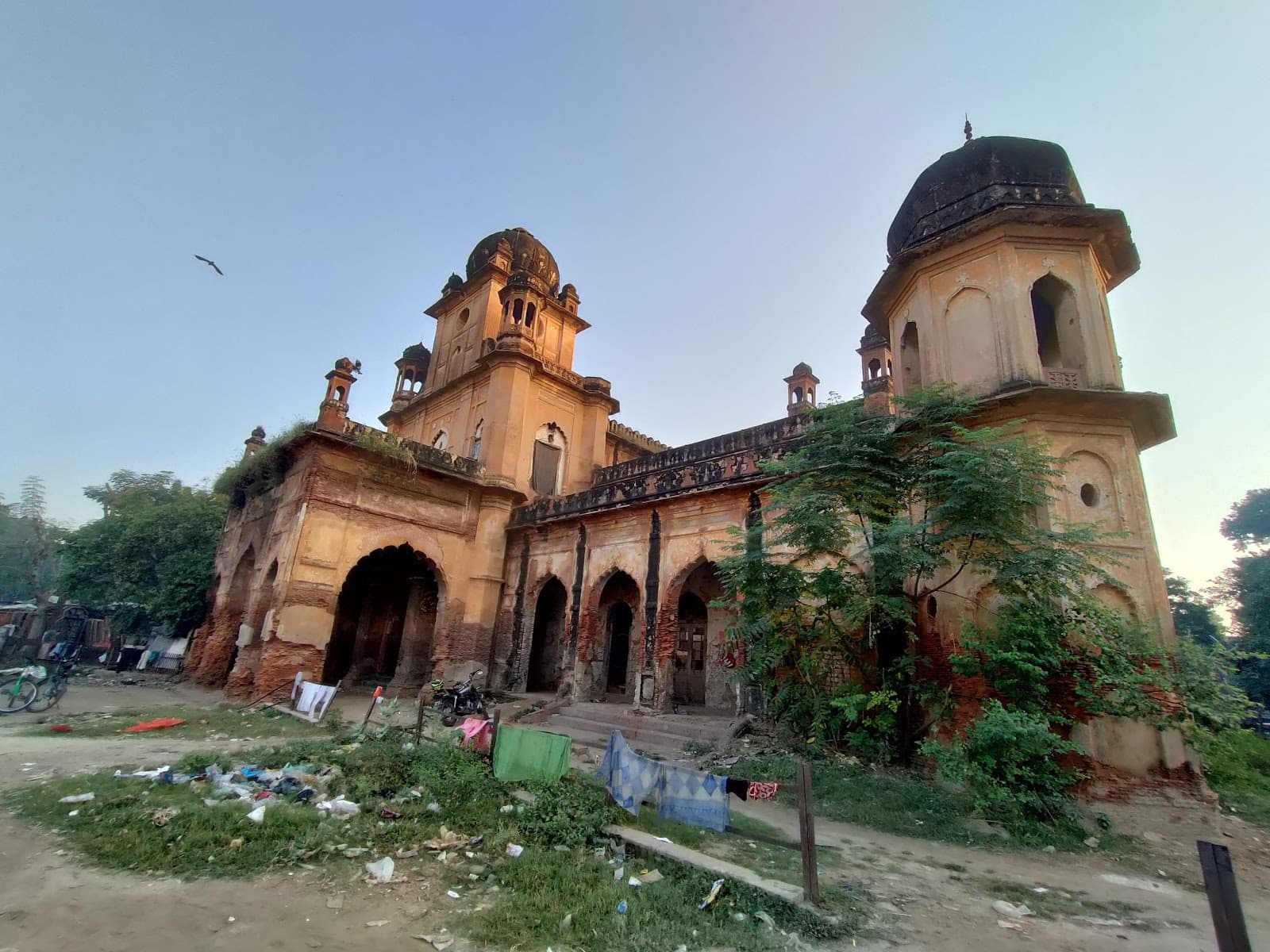
Rifa-e-Aam Club
A historic Nawabi-era club, once a hub for Indian nationalism and public discourse, now a poignant reminder of heritage.
Highlights
Must-see attractions

Social
From TikTok & Reddit
Best Time
Fewer crowds, better for photos
Rifa-e-Aam Club
Best Time
Fewer crowds, better for photos
Highlights
Must-see attractions
A historic Nawabi-era club, once a hub for Indian nationalism and public discourse, now a poignant reminder of heritage.
"A vital piece of history, though sadly showing its age."

🚶♂️ Respect the Heritage
Appreciate the historical significance, even if the building is in disrepair.
📸 Capture the Atmosphere
Bring your camera to document the unique architecture and historical markers.

Quick Facts
Rating
3.9 · 71 reviews
Type
Sports Club
Highlights
Discover the most iconic attractions and experiences
The Grand Architecture
Main Building
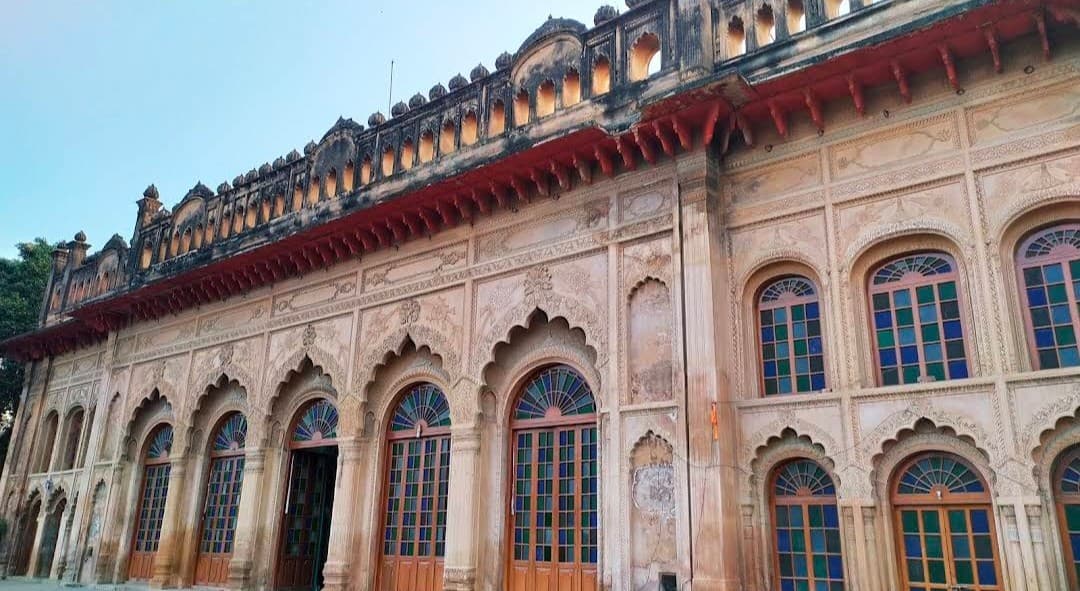
Explore the remnants of Nawabi-era architecture, a testament to its historical grandeur and cultural importance.
Hall of Nationalist Speeches
Main Hall
Stand where Mahatma Gandhi and Jawaharlal Nehru once addressed crowds, igniting the spirit of Indian nationalism.

The Lucknow Pact Site
Club Premises
Visit the location where the historic Lucknow Pact of 1916, a crucial agreement between the Indian National Congress and the Muslim League, was signed.
Plans like a pro.
Thinks like you
Planning Your Visit
Understand its Historical Significance
 +2
+2Be Prepared for its Current State
+2Best Times
Insider Tips
from TikTok, Instagram & Reddit
🚶♂️ Respect the Heritage
Appreciate the historical significance, even if the building is in disrepair.
📸 Capture the Atmosphere
Bring your camera to document the unique architecture and historical markers.
🧐 Understand its Past
Research its history beforehand to fully appreciate its role in India's freedom struggle.
⚠️ Manage Expectations
The club is not fully restored; some areas are neglected.
Tips
from all over the internet
🚶♂️ Respect the Heritage
Appreciate the historical significance, even if the building is in disrepair.
📸 Capture the Atmosphere
Bring your camera to document the unique architecture and historical markers.
🧐 Understand its Past
Research its history beforehand to fully appreciate its role in India's freedom struggle.
⚠️ Manage Expectations
The club is not fully restored; some areas are neglected.
What Travellers Say
Reviews Summary
The Rifa-e-Aam Club is a historically significant site, lauded for its role in Indian nationalism and its inclusive origins. Visitors appreciate its architectural remnants and the stories of figures like Gandhi and Nehru. However, many note its current state of disrepair and neglect, which can detract from the experience.
"The building was constructed around 1860 by the Nawab of Awadh, who intended it to be a centre of the royalty's literary life in the region. According to a local historian, the name derived from "rifa" or "happiness" and "aam" or "common", and suggested that the club offered happiness to the common man. The club was open to everybody, in contrast to European clubs which did not allow Indians to apply. In subsequent years it became what The Economist described as "an important nationalist hangout". It was one of the centres of Indian nationalism and other intellectual activity, frequented by individuals such as Munshi Premchand and Mohammad Amir Ahmad Khan. In the 1900s it hosted meetings of the All-India Muslim League. The club hosted a meeting of the Indian National Congress and the Muslim League which led to the Lucknow Pact of 1916, which was also signed on the premises. Mahatma Gandhi visited the building to give a speech on Hindu-Muslim unity on 15 October 1920 and on 26 April 1922 Jawaharlal Nehru and Vallabhbhai Patel made speeches at the club encouraging local people to intensify the Swadeshi movement. The Progressive Writers Movement was created on 10 April 1936.
The building has not been well maintained in the decades since; one wing has become a hospital, another has been abandoned, and the courtyard is a rubbish dump. The poor state of the building has led to local activism trying to get it recognized and protected as a heritage landmark by the government."
Farman Abbas Manjul
"Construction work going on to make it a better place"
Erum Fatima
"The building was constructed around 1860., The name derived from "rifa" or"happiness" and "aam" or "common", .. The club wasopen to everybody, in contrast to Europeanclubs which did not allow Indians"
Tabassum Khan
What People Like
What People Dislike
Frequently Asked Questions
🚇 🗺️ Getting There
The Rifa-e-Aam Club is located in Wazirganj, Lucknow. You can reach it by auto-rickshaw or taxi. It's advisable to use a navigation app for precise directions.
While there might not be direct bus routes to the club's doorstep, you can take a bus to a nearby area in Wazirganj and then a short auto-rickshaw ride.
From Charbagh Railway Station, you can hire a taxi or an auto-rickshaw. The journey should take approximately 30-45 minutes depending on traffic.
Parking can be challenging in the Wazirganj area. It's best to inquire locally or find a safe spot nearby, especially if you're driving.
It's unlikely to be a comfortable walking distance from major landmarks. Public transport or a taxi is recommended for convenience.
🎫 🎫 Tickets & Entry
Currently, there is no mention of an entry fee for visiting the Rifa-e-Aam Club. It's generally accessible to the public.
Specific opening hours are not widely published. It's best to visit during daylight hours, typically from morning to late afternoon.
Based on available information, there is no admission fee. The club is intended to be accessible to the public.
Yes, you can visit on weekends, but it might be slightly more crowded. Weekday mornings are often recommended for a quieter experience.
While generally open, it's advisable to be respectful of the site, especially given its historical and current condition.
🎫 🏛️ Onsite Experience
The club is in a state of disrepair, with some parts neglected and others facing encroachment. Local activism aims for its preservation.
It hosted speeches by Mahatma Gandhi and Jawaharlal Nehru, and was the site of the Lucknow Pact signing in 1916.
Yes, it offers unique photographic opportunities, capturing its historical architecture and the contrast of its current state.
Official guided tours are not commonly advertised. You can explore independently or join local heritage walks if available.
You can see the remnants of its Nawabi-era architecture, the grounds where significant historical speeches were made, and understand its role in Indian nationalism.
📸 📸 Photography
Focus on the architectural details, the grand entrance, and any remaining historical markers. The courtyard can also offer interesting shots.
Photography is generally allowed, but always be respectful of the site and any ongoing activities or local presence.
Architectural, historical, and street photography would be ideal to capture the essence of the club.
No specific restrictions are widely noted, but it's always good practice to avoid intrusive photography and be mindful of the surroundings.
While not explicitly forbidden, using a tripod might be cumbersome due to the uneven terrain and the need for mobility. Check locally if unsure.



Social
from TikTok, Instagram & Reddit