Manipal Museum of Anatomy and Pathology (MAP)
Explore one of Asia's largest anatomy and pathology museums, featuring real human and animal specimens. An educational marvel.
Highlights
Must-see attractions

Social
From TikTok & Reddit
Best Time
Fewer crowds, better focus
Manipal Museum of Anatomy and Pathology (MAP)
Best Time
Fewer crowds, better focus
Highlights
Must-see attractions
Explore one of Asia's largest anatomy and pathology museums, featuring real human and animal specimens. An educational marvel.
"A must-visit for everyone; you will never see such a HUGE collection of real anatomy anywhere else."
🤫 No Photography Allowed
Remember, cameras and phones are a no-go inside. Immerse yourself fully in the exhibits!
🚶♀️ Allow Ample Time
Give yourself at least 2.5 hours to explore this massive museum thoroughly.
Quick Facts
Hours
Rating
4.6 · 4,626 reviews
Type
Museum
Highlights
Discover the most iconic attractions and experiences
Vast Anatomical Collections
Explore one of Asia's largest collections of real human and animal anatomy specimens. A true learning immersion.
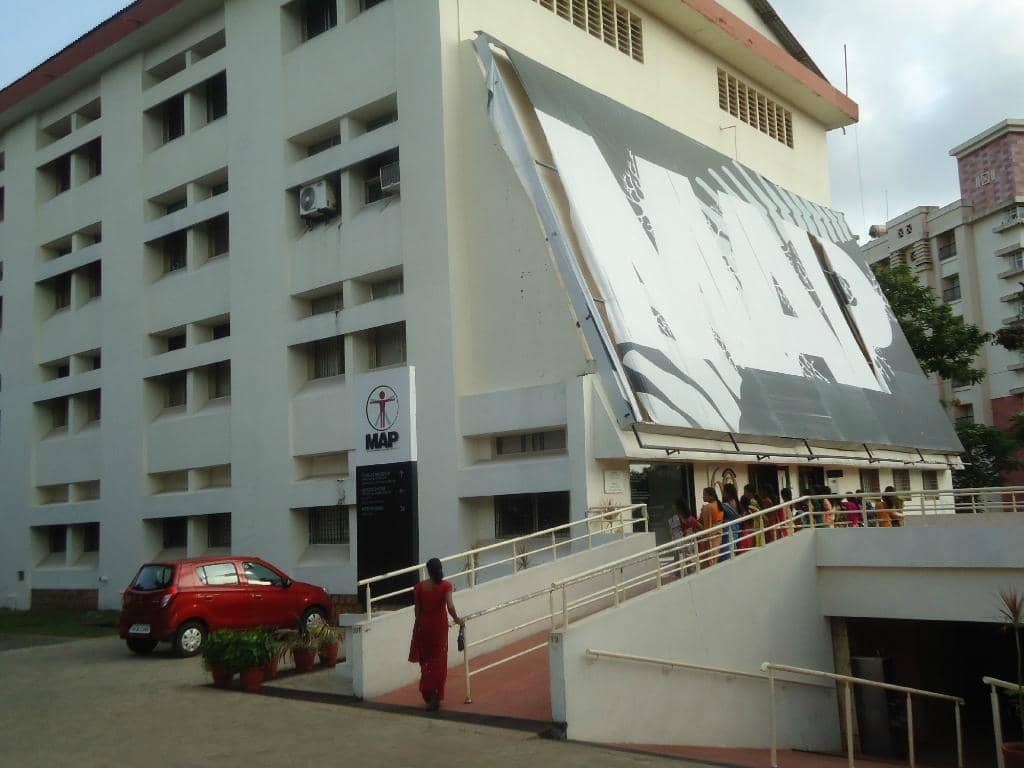
Pathology Exhibits
Witness detailed displays of various diseases and their impact on the human body. Informative and eye-opening.
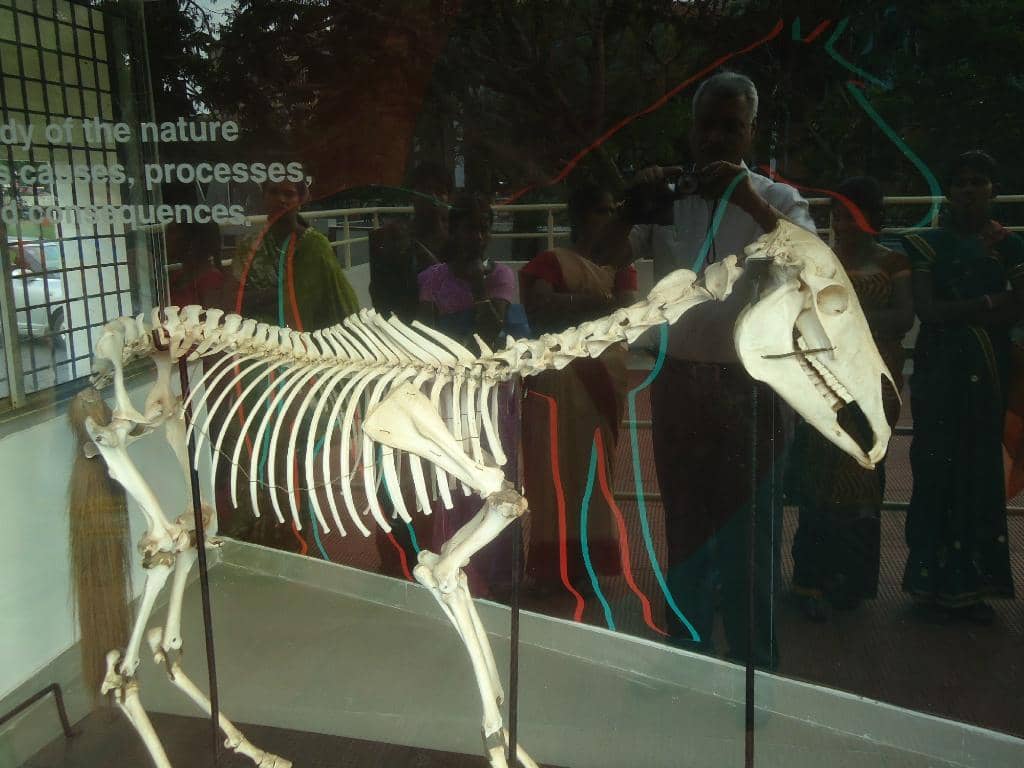
Skeletal Displays
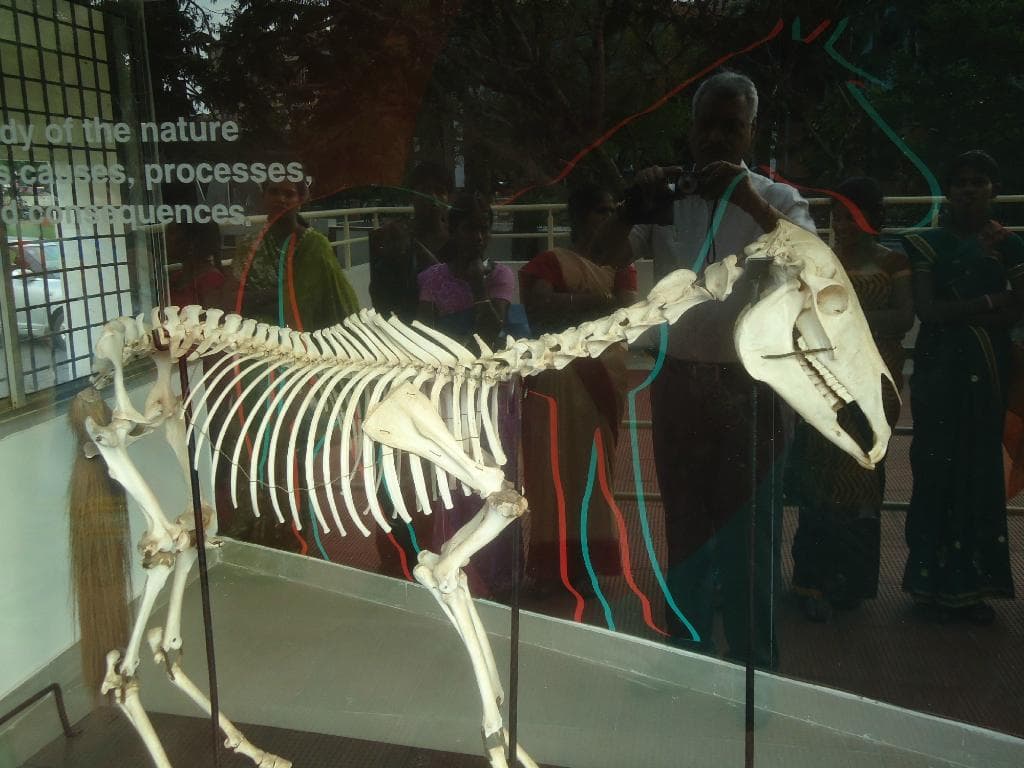
Marvel at an extensive array of skeletons, showcasing the intricate structure of diverse species.
Plans like a pro.
Thinks like you
Planning Your Visit
Prepare for a Unique Learning Experience
Logistics and Accessibility
Best Times
Insider Tips
from TikTok, Instagram & Reddit
🤫 No Photography Allowed
Remember, cameras and phones are a no-go inside. Immerse yourself fully in the exhibits!
🚶♀️ Allow Ample Time
Give yourself at least 2.5 hours to explore this massive museum thoroughly.
🚗 Follow MAP Signs
Google Maps can be confusing; trust the museum's own signboards for directions.
💰 Incredible Value
The entry fee is incredibly low, making it a must-visit for its educational value.
Tips
from all over the internet
🤫 No Photography Allowed
Remember, cameras and phones are a no-go inside. Immerse yourself fully in the exhibits!
🚶♀️ Allow Ample Time
Give yourself at least 2.5 hours to explore this massive museum thoroughly.
🚗 Follow MAP Signs
Google Maps can be confusing; trust the museum's own signboards for directions.
💰 Incredible Value
The entry fee is incredibly low, making it a must-visit for its educational value.
⚠️ Not for the Squeamish
The museum features real specimens, which might be unsettling for some, especially young children.
What Travellers Say
Reviews Summary
Visitors consistently praise the Manipal Museum of Anatomy and Pathology for its immense collection and educational value, calling it one of Asia's most unique museums. The incredibly low entry fee is a major draw, offering an unparalleled learning experience for students and the curious alike. However, the graphic nature of the real specimens means it's not suitable for everyone, and the strict no-photography rule is a point of note.
""Fascinating insight into human anatomy! The Manipal Museum of Anatomy & Pathology is a unique and captivating destination for medical enthusiasts and curious minds alike. Explore the intricacies of the human body through an impressive collection of specimens, models, and exhibits.
The museum's well-curated displays offer a deeper understanding of anatomy and pathology, making it an excellent resource for students and professionals. The staff is knowledgeable and enthusiastic, sharing valuable insights and expertise.
A must-visit for anyone interested in the medical field or human biology! Highly recommended!"
Anish Jangam
"It's such a huge museum. One of biggest in south Asia. Great learning experience. There are plenty and plenty of samples which one can see. So many diseases also captured in museum.
Took 2.5 hours to clearly check upon everything... Was a great experience."
poornashri
"Photography or videography not allowed inside.
But I must say this to all, we should visit this museum once in our lifetime. We should think how lucky we are , life is too short just enjoy every moment in life. Entry ticket is just 10 rs ."
Vestira Designs
What People Like
What People Dislike
Frequently Asked Questions
🚇 🗺️ Getting There
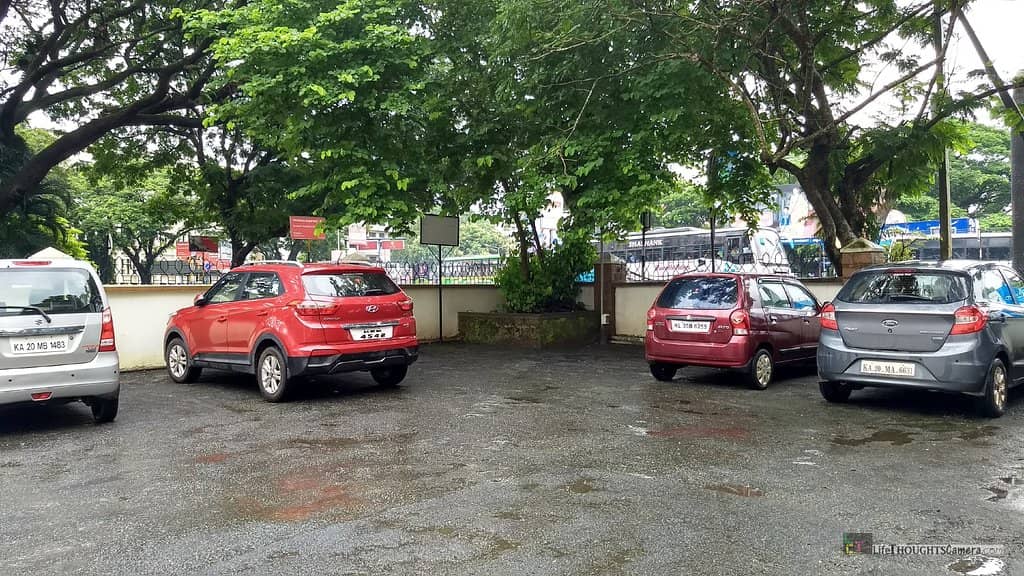
The museum is located in Manipal. While Google Maps can sometimes be unreliable, look for dedicated 'MAP' signboards to guide you. There is ample parking available directly at the museum or opposite near the Food Court.
Yes, there is ample parking available at the museum. You can also find parking opposite the building near the Food Court.
Unfortunately, there is no luggage hold facility available at the museum. It's best to travel light.
Information on public transport accessibility is limited, but the museum is located within Manipal, which is generally well-connected. It's advisable to check local transport options upon arrival in Manipal.
Operating hours can vary, so it's recommended to check the official museum website or contact them directly for the most up-to-date information before your visit.
🎫 🎫 Tickets & Entry
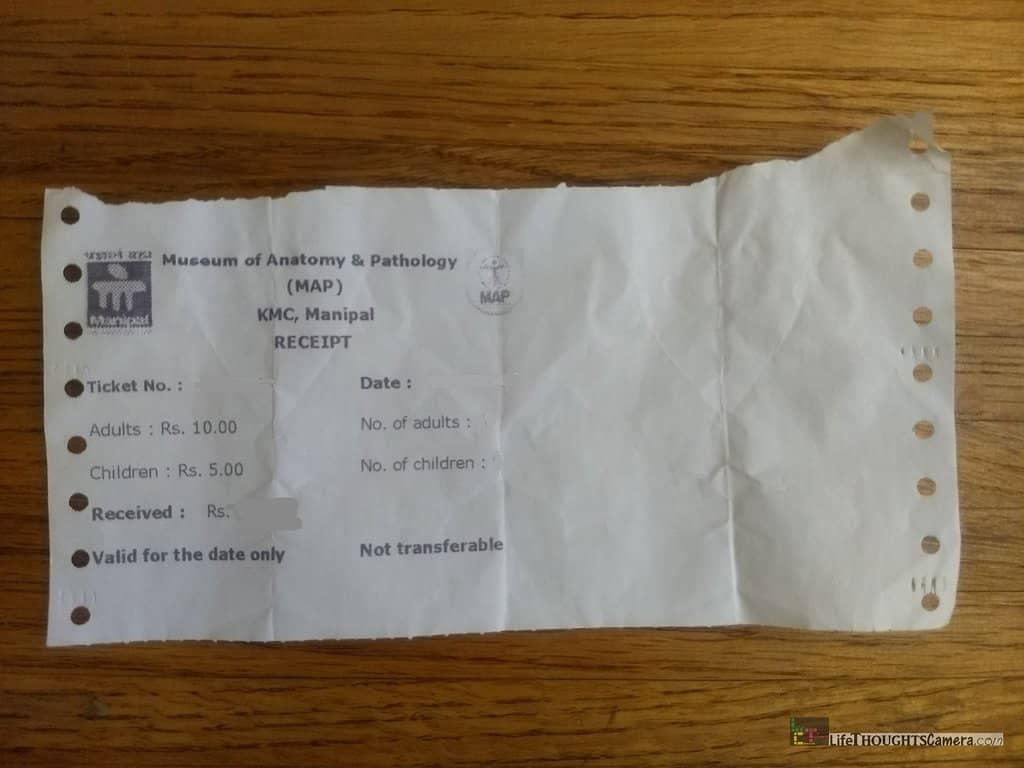
The entry fee is remarkably low, reportedly just 10 Indian Rupees, making it an incredibly affordable and valuable educational experience.
Advance booking is generally not required for individual visitors, given the low entry fee. However, for group visits or special arrangements, it's advisable to inquire with the museum administration.
While the base entry fee is very low, it's always a good idea to inquire directly with the museum about potential group discounts or student rates, especially for educational institutions.
No, photography or videography is strictly prohibited inside the museum. Visitors are asked to refrain from taking pictures to preserve the exhibits and maintain the museum's policy.
Tickets are typically purchased at the entrance upon arrival. The process is usually straightforward due to the low cost and high volume of visitors.
🎫 🧭 Onsite Experience
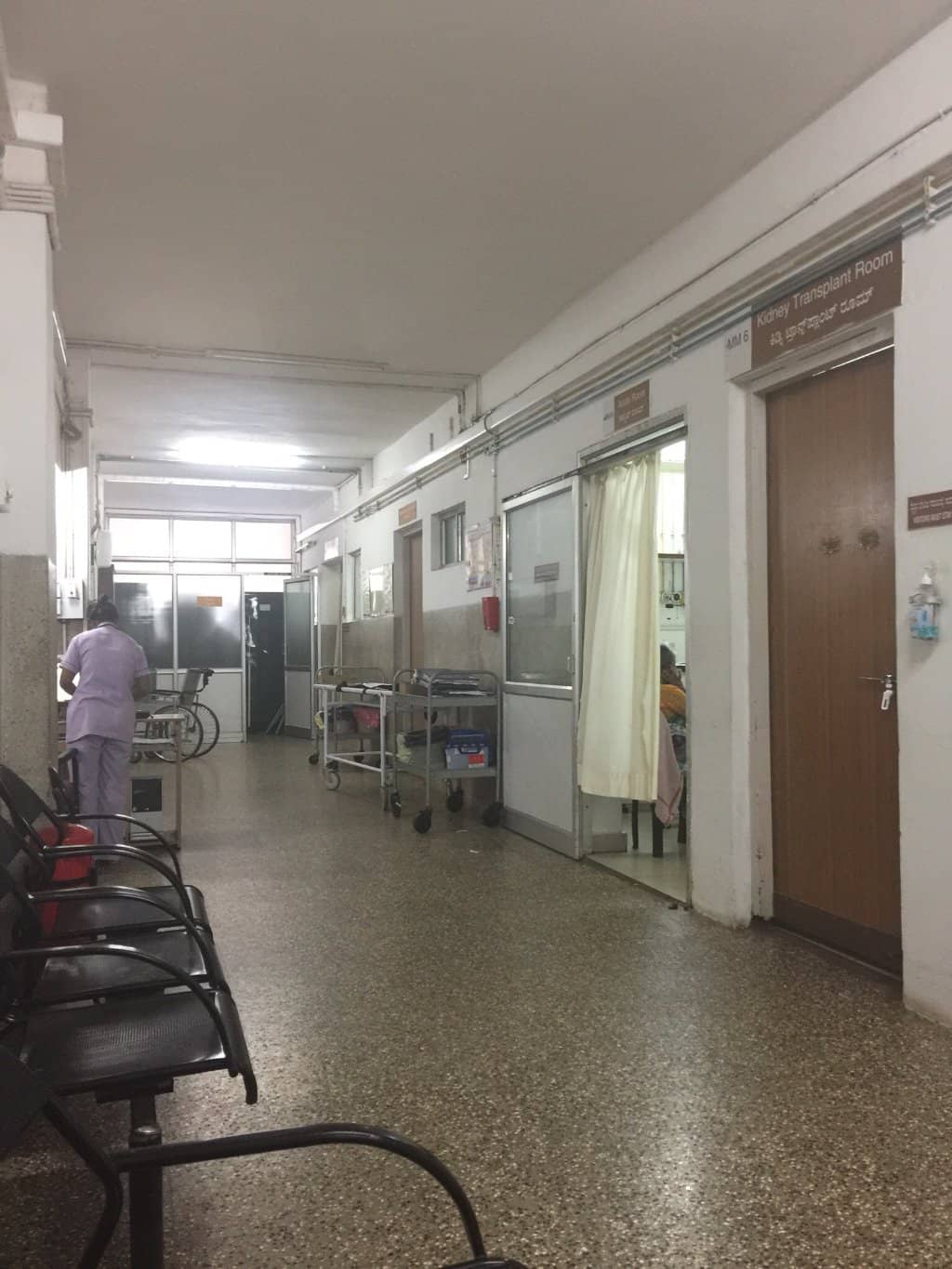
You can expect to see a vast collection of real human and animal specimens, including skeletons, diseased organs, and detailed anatomical models. It's a comprehensive look at anatomy and pathology.
The museum features real preserved specimens, which can be a little creepy and might not be suitable for all children, especially younger ones. However, some visitors found their 8-year-olds enjoyed it. Parental discretion is advised.
Visitors often report spending around 2.5 hours to thoroughly explore everything the museum has to offer.
Yes, the exhibits are generally well-organized, clearly labeled, and filled with detailed information, making the learning experience engaging.
Crowd levels can vary, but weekday mornings tend to be less crowded, allowing for a more focused and relaxed experience. Afternoons might see more visitors.
🍽️ 🍽️ Food & Dining
While there are no specific dining facilities within the museum itself, there is a Food Court located opposite the building, offering convenient options for visitors.
It's generally advisable to check the museum's specific policies regarding outside food and drinks. However, given the educational nature of the exhibits, it's common for such venues to discourage eating within the display areas.
The nearby Food Court likely offers a variety of local and popular food options, catering to different tastes. It's a good place to grab a meal before or after your museum visit.
Manipal has a vibrant food scene with numerous restaurants and cafes catering to students and locals. Exploring the area around the museum can lead to discovering some great dining spots.
While not explicitly mentioned, the area around the museum might offer some open spaces. However, it's best to be mindful of any local regulations regarding picnicking.
📸 📸 Photography
No, photography and videography are strictly prohibited inside the museum. Visitors must adhere to this rule.
The prohibition on photography is likely to protect the delicate nature of the specimens, maintain the educational focus, and prevent unauthorized distribution of sensitive content.
There are no designated areas for photography inside the museum. Visitors are encouraged to focus on experiencing the exhibits firsthand.
Taking photos of the museum's exterior is generally permissible, but it's always good practice to be discreet and respectful of the surroundings.
Focus on detailed observation, perhaps sketching in a notebook if permitted, or discussing your observations with companions. You can also take photos of the exterior or surrounding areas to commemorate your trip.



Social
from TikTok, Instagram & Reddit