
Mansar Excavations Maharashtra
Unearth the grandeur of the Vakataka dynasty and ancient Buddhist heritage at Mansar Excavations, a significant archaeological marvel.
Highlights
Must-see attractions

Social
From TikTok & Reddit
Best Time
Pleasant weather for exploration
Mansar Excavations Maharashtra
Best Time
Pleasant weather for exploration
Highlights
Must-see attractions
Unearth the grandeur of the Vakataka dynasty and ancient Buddhist heritage at Mansar Excavations, a significant archaeological marvel.
"Stepping back in time at Mansar Excavations, a hidden treasure of Vidarbha's rich heritage."
🐍 Be Snake Aware
The site is natural; keep an eye out for snakes and tread carefully.
👟 Wear Comfortable Shoes
You'll be walking on uneven terrain, so sturdy footwear is a must.
Quick Facts
Rating
4.4 · 310 reviews
Type
Historical Landmark
Highlights
Discover the most iconic attractions and experiences
Vakataka Dynasty Ruins
Main excavation sites
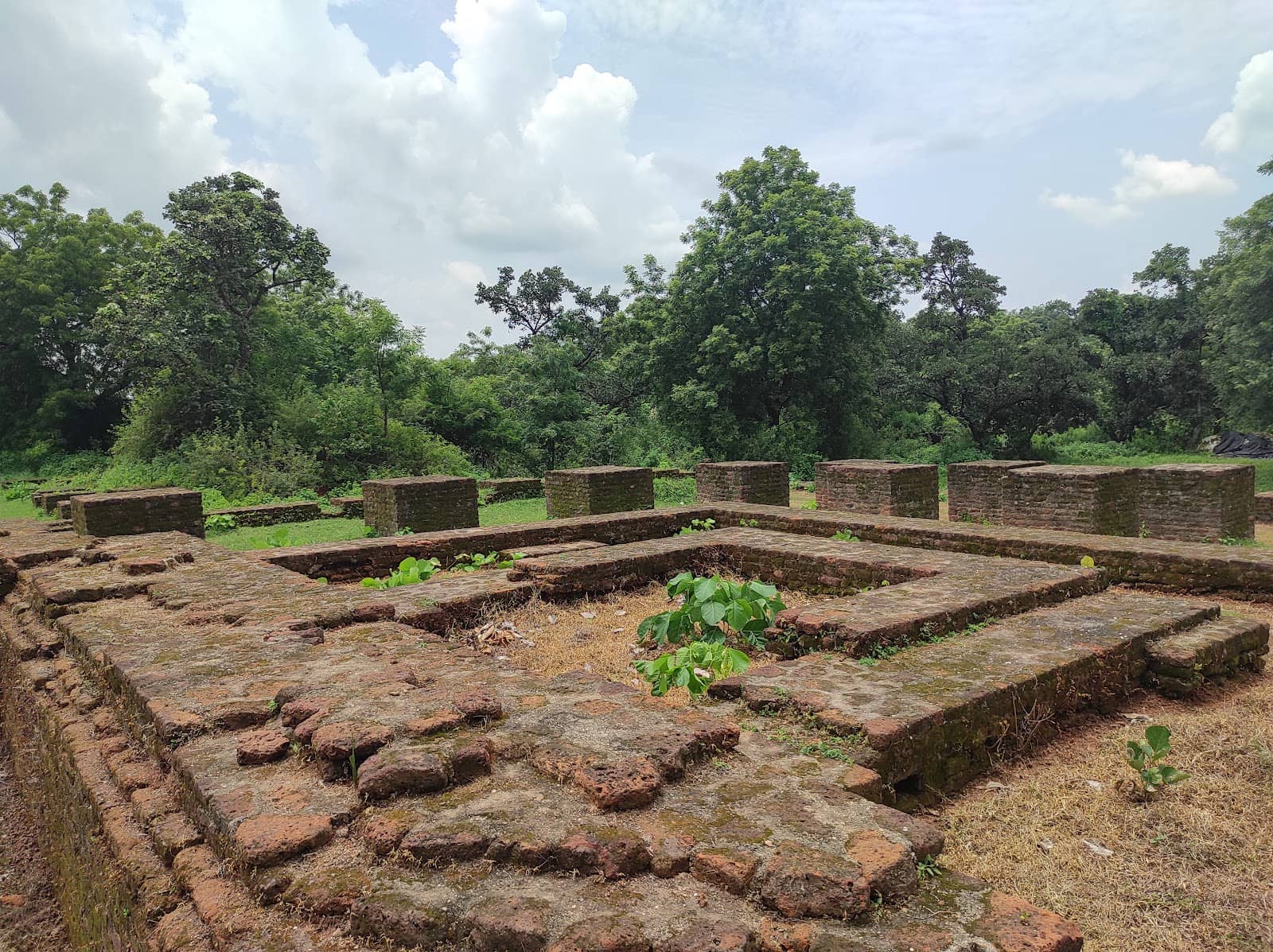
Explore the remnants of magnificent palaces and temples from the 5th-century Vakataka capital.
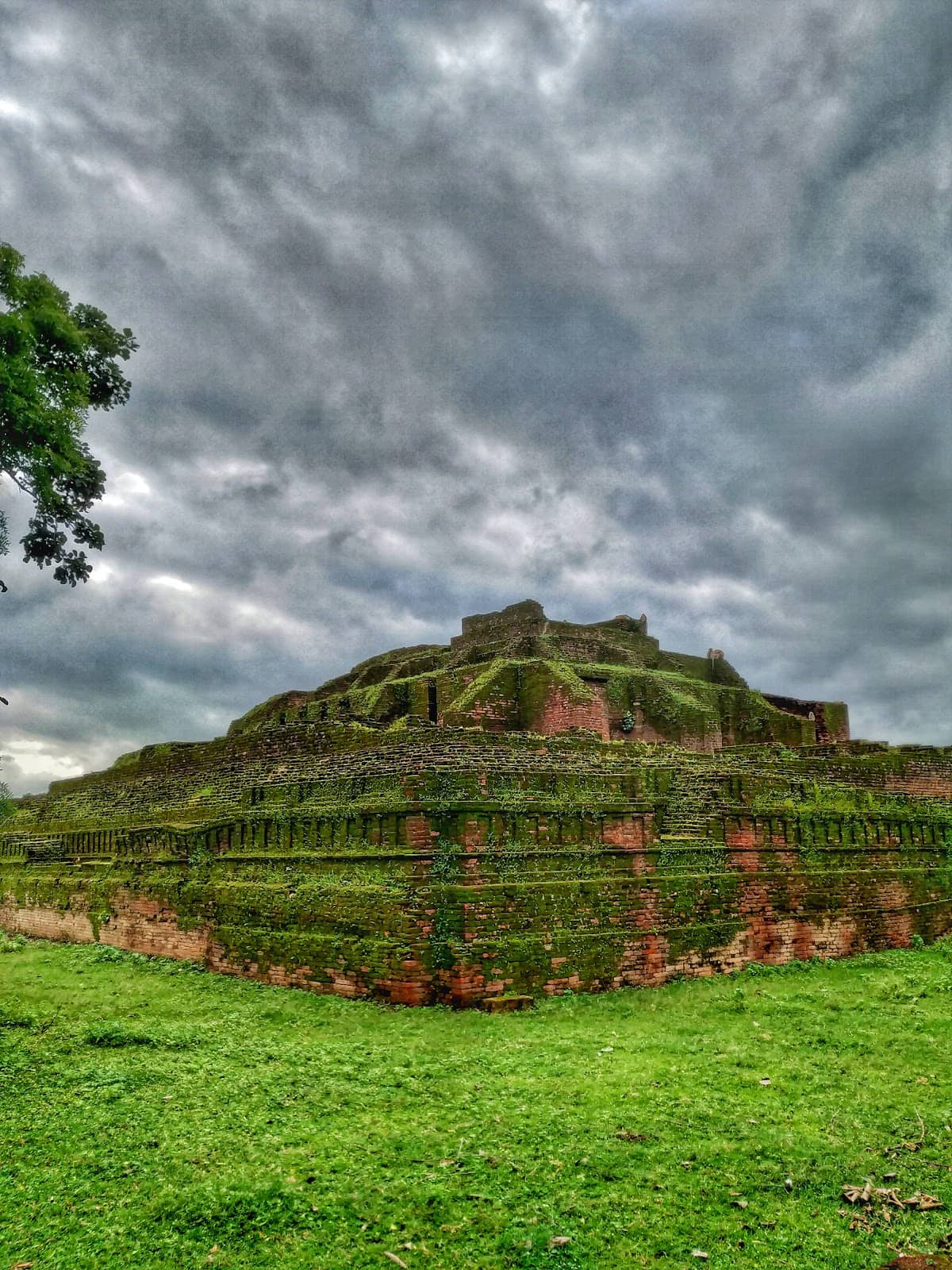
Buddhist Stupa
MNS sites
Discover the ancient Buddhist stupa, a testament to the region's spiritual and architectural history.
Ancient Temples
Various excavation areas
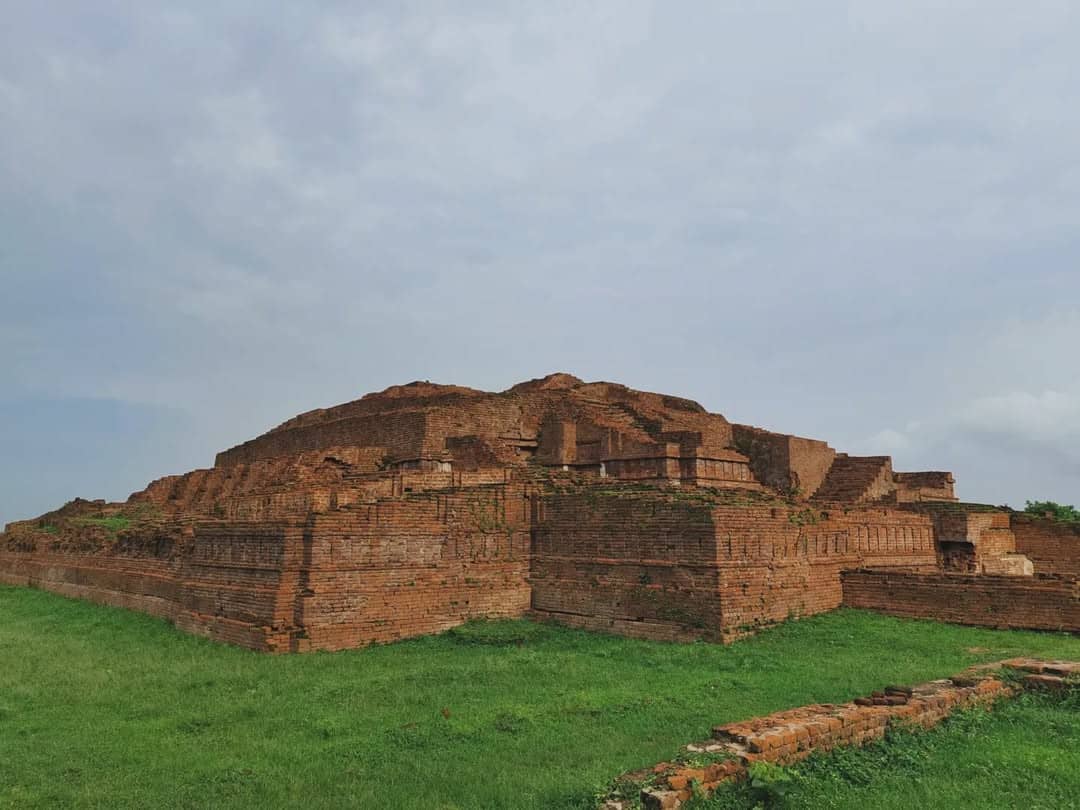
Witness the architectural marvels of ancient temples, showcasing intricate designs and historical significance.
Plans like a pro.
Thinks like you
Planning Your Visit
Uncover Ancient History
Essential Visitor Information
Best Times
Insider Tips
from TikTok, Instagram & Reddit
Ruins of Pravarapura from 4th Century CE, Mansar, near Ramtek
Is this open for tourists?
🐍 Be Snake Aware
The site is natural; keep an eye out for snakes and tread carefully.
👟 Wear Comfortable Shoes
You'll be walking on uneven terrain, so sturdy footwear is a must.
24(M)Visiting nagpur for first time for 2days with my gf(22), how i make most of it?
Tldr: Help me eliminate/add to the list below to save time and money. Can you suggest places to travel, where I can get a bike/scooter for rent, couple-friendly hotels, must-eat foods etc. Since we will only have 1-1.5 days at max, I want to plan precisely, what to spend time…
🎟️ Affordable Entry Fee
A small fee of INR 20 grants access to this historical treasure.
📸 Capture History
Bring your camera to document the ancient ruins and stunning architecture.
Tips
from all over the internet
🐍 Be Snake Aware
The site is natural; keep an eye out for snakes and tread carefully.
👟 Wear Comfortable Shoes
You'll be walking on uneven terrain, so sturdy footwear is a must.
🎟️ Affordable Entry Fee
A small fee of INR 20 grants access to this historical treasure.
📸 Capture History
Bring your camera to document the ancient ruins and stunning architecture.
💧 Carry Water
Stay hydrated, especially during warmer months, as facilities might be limited.
What Travellers Say
Reviews Summary
Visitors are consistently amazed by the historical significance and well-preserved ruins of Mansar Excavations, particularly the remnants of the Vakataka dynasty and the Buddhist stupa. Many praise its peaceful atmosphere and its value as a hidden heritage site. Some minor concerns include the need for better signage and awareness of potential wildlife.
"As a local from Nagpur, I recently visited this site on 15th June with my family — and honestly, I was amazed by what I saw!
The site is full of incredible historical remains, including ancient temples, palace structures, and a Buddhist stupa. It felt like stepping back in time — the connection to the Vakataka dynasty and the way the ruins are still preserved makes it a truly special place.
It's peaceful, clean, and perfect for families or anyone who appreciates history and culture. I had no idea such a rich part of our heritage existed so close to home.
Highly recommend visiting if you're in or around Nagpur or Ramtek. It's not just a tourist spot — it’s a hidden treasure of Vidarbha!"
Prem.k
"Mansar Buddhist Stupa Site is Constructed during Mauryan period around 323 BC, it's recently excavated archeological discovery.
From 1997-98, excavations were carried out at this ancient sites of Mansar, by Nagpur University first and thereafter by Archeological Survey of India and Bodhisattva Nagarjun Smarak Sanstha Va Anusandhan Kendra, Nagpur.
From the excavation they found Brick Structures which contained the Buddhist Monastery, Ruin temples, the structure of the palace, Buddhist Box Pattern Stupa.
So far 5 sites have been excavated in Mansar, which are designated as MNS 1, MNS 2, MNS 3, MNS 4 and MNS 5.
Various Stone images also exposed during the Excavation.
The water reservoir around the site and findings of ancient tools and other objects point to the fact that a large population inhabited the area 1600 years ago.
This place has immense historical importance. Must place to visit with your family and friends."
Ankit Raipure
"Beware of snakes here. The site is under archeological survey of India hence an entry fee of INR. 20/- needs to be paid to visit the site."
Chetan Padiyar
What People Like
What People Dislike
Frequently Asked Questions
🚇 🗺️ Getting There
Mansar Excavations are located near Nagpur. You can hire a taxi or take a local bus from Nagpur to Mansar. The drive is approximately 1-1.5 hours. Renting a scooter is also an option if you prefer a more adventurous journey.
Yes, local buses frequently run from Nagpur to Mansar, making it accessible via public transport. However, checking the latest schedules is advisable.
For a day trip, hiring a private car or taxi from Nagpur offers the most convenience and flexibility to explore Mansar Excavations and nearby areas.
The most common route is via NH44 towards Ramtek, with a diversion to Mansar. The roads are generally in good condition.
Yes, you can rent bikes or scooters in Nagpur for your visit to Mansar, offering a flexible way to explore the site and its surroundings.
🎫 🎫 Tickets & Entry
The entry fee for Mansar Excavations is INR 20 per person. The site is maintained by the Archaeological Survey of India.
While specific hours can vary, archaeological sites are typically open during daylight hours. It's best to visit during the day to fully appreciate the ruins.
No, advance booking is generally not required for Mansar Excavations. Tickets can be purchased at the site.
Information on concessions is not widely available, but the entry fee is very nominal, making it accessible for most visitors.
Due to the nature of the archaeological ruins, accessibility for people with disabilities might be limited. It's advisable to inquire locally before your visit.
🎫 🧭 Onsite Experience
You can explore ancient temples, palace structures, a Buddhist stupa, and various brick structures that were part of the Vakataka dynasty's capital. Stone images have also been unearthed.
Allocate at least 2-3 hours to thoroughly explore the site and appreciate its historical significance.
Official guides may not always be readily available. It's recommended to do some prior research or hire a local guide if possible for a deeper understanding.
Wear comfortable shoes and take your time to walk through the different excavated areas (MNS 1-5). Be mindful of the terrain.
Basic facilities might be available, but it's wise to carry your own water and snacks, as amenities can be limited.
📸 📸 Photography
Photography is generally allowed at Mansar Excavations for personal use. However, it's always good to check for any specific restrictions on professional photography or drone usage.
The ancient temples, the Buddhist stupa, and the palace ruins offer excellent photographic opportunities. The overall landscape also provides scenic backdrops.
Specific restrictions on tripods or professional equipment are not widely publicized, but it's advisable to be discreet and respectful of the historical site.
Early morning or late afternoon light offers the best conditions for photography, creating dramatic shadows and highlighting the textures of the ruins.
Drone usage is often restricted at archaeological sites due to preservation concerns and regulations. It's best to assume it's not permitted unless explicitly stated otherwise.

Social
from TikTok, Instagram & Reddit