Chettikulangara Devi Temple
Ancient 1200-year-old temple dedicated to Goddess Bhagavathi, famed for its vibrant Kumbha Bharani festival and unique cultural traditions.
Highlights
Must-see attractions

Social
From TikTok & Reddit
Best Time
Spectacular festival & Kettukazhcha
Chettikulangara Devi Temple
Best Time
Spectacular festival & Kettukazhcha
Highlights
Must-see attractions
Ancient 1200-year-old temple dedicated to Goddess Bhagavathi, famed for its vibrant Kumbha Bharani festival and unique cultural traditions.
"A divine abode that beautifully blends spirituality, culture, and tradition."
Dress Modestly
Cover shoulders & knees. Respect local customs. 🙏
Attend a Festival
Experience the vibrant Kumbha Bharani for unforgettable sights & sounds. :tada:
Quick Facts
Hours
Rating
4.8 · 6,562 reviews
Type
Hindu Temple
Website
chettikulangara.orgHighlights
Discover the most iconic attractions and experiences
Kumbha Bharani Festival
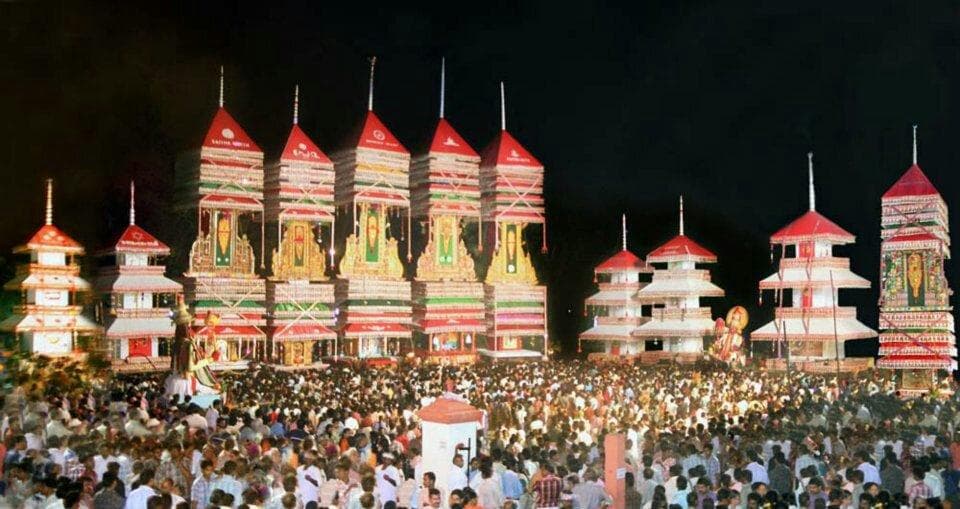
Witness the spectacular Kettukazhcha, a procession of massive, decorated structures. A true visual feast!

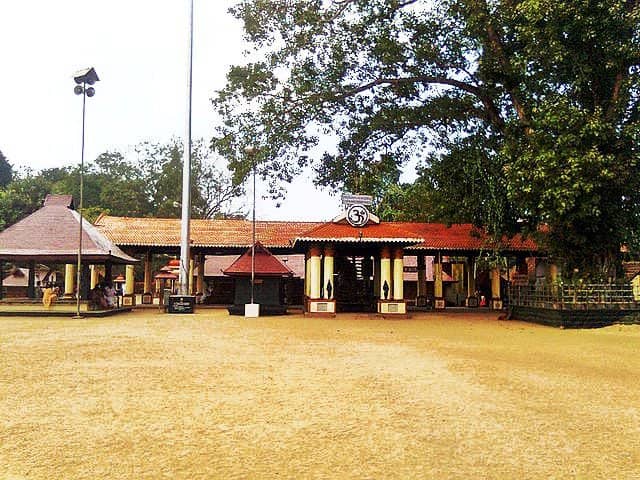
Goddess Bhagavathi's Sanctum
Experience the serene yet powerful energy of the main deity, Sree Bhadrakali. Feel the divine presence.
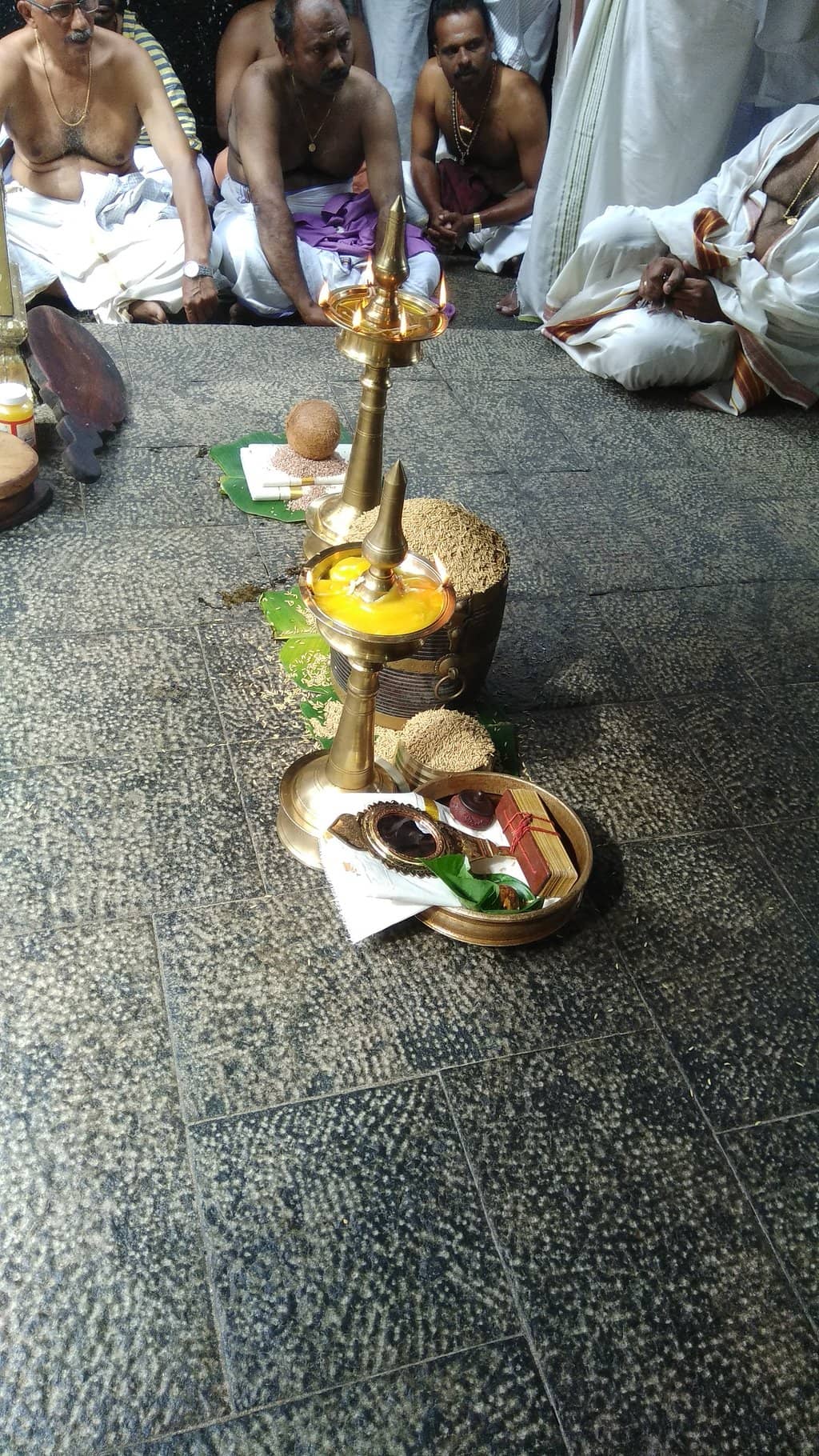
Traditional Kerala Architecture
Admire the intricate woodwork, murals, and traditional Kerala-style temple design. A glimpse into rich heritage.
Plans like a pro.
Thinks like you
Planning Your Visit
Timing Your Visit for Festivals
Understanding Temple Etiquette
Best Times
Insider Tips
from TikTok, Instagram & Reddit
Dress Modestly
Cover shoulders & knees. Respect local customs.
Attend a Festival
Experience the vibrant Kumbha Bharani for unforgettable sights & sounds.
Seek Blessings
Feel the powerful, peaceful vibe and divine presence of Goddess Bhagavathi. ✨
Explore the Karas
Understand the temple's connection to its 13 'Karas' or territories. :world_map:
Tips
from all over the internet
Dress Modestly
Cover shoulders & knees. Respect local customs.
Attend a Festival
Experience the vibrant Kumbha Bharani for unforgettable sights & sounds.
Seek Blessings
Feel the powerful, peaceful vibe and divine presence of Goddess Bhagavathi. ✨
Explore the Karas
Understand the temple's connection to its 13 'Karas' or territories. :world_map:
What Travellers Say
Reviews Summary
Chettikulangara Devi Temple is celebrated for its powerful divine presence, rich cultural heritage, and vibrant festivals, especially the spectacular Kumbha Bharani. Visitors are deeply moved by the serene yet potent spiritual atmosphere and the strong community bond. While the temple is well-maintained, some find the crowds during festivals overwhelming.
"One of the biggest temple in south kerala which is so old and powerful and so popular due to the rituals associated with it and managed by the travancore devaswom board. Though we had seen and visited the temple on numerous occasions , this time we managed to accompany the deity visiting the residence of devotees for other rituals.This is truly amazing as the deity and the priests showering blessings to the devotees and collecting grains and other offerings which forms part of the rituals. The temple is famous for various types of poojas , festivals and other offerings which are part of folklore. It was so exciting and we felt so blessed to accompany the deity."
Shafi Vikraman
"Chettikulangara Bhagavathi Temple, located in the Alappuzha district of Kerala, is a divine abode that beautifully blends spirituality, culture, and tradition. Dedicated to Goddess Bhagavathi, this temple is renowned for its vibrant festivals, especially the spectacular Kettukazhcha, where massive decorated structures are paraded in a grand celebration of devotion and community spirit.
The temple exudes a serene yet powerful energy. The sanctum, with its beautifully adorned deity, inspires awe and devotion. The intricate woodwork, traditional architecture, and detailed murals reflect Kerala’s rich temple heritage. Every ritual here is performed with deep reverence, preserving customs that have been followed for centuries.
One of the most fascinating aspects is the strong bond the temple shares with the local community. Devotees from near and far come not just to seek blessings but also to be part of its cultural life. The annual festivals light up the entire region, making it a vibrant experience for both devotees and visitors.
Whether you come during a grand celebration or on a quiet day, the divine presence of Goddess Bhagavathi and the temple’s cultural richness make it an unforgettable experience. Chettikulangara Bhagavathi Temple is not just a place of worship — it’s a living symbol of Kerala’s spiritual and artistic traditions."
Jennifer Fernandes
"The temple has 13 "Karas", or territories. The temple is at the centre of the oldest four Karas (Erezha South, Erezha North, Kaitha South and Kaitha North) and the rest of the Karas (Kannamangalam South, Kannamangalam North, Pela, Kadavoor, Anjilipra, Mattam North, Mattam South, Menampally and Nadakkavu) surround the temple, which is believed to be 1,200 years old.
The Thantric rights of the temple belongs to Plackudy Illom, With its Tharavadu (Base) in Ambalapuzha. Plackudy is one among the ancient Thantric families of Kerala. The Present temple Thanthric charge is for Brahmasri. Plackudy Unnikrishnan Namboothiri.
Recently UNESCO collected details about the temple and its customs (Kuthiyottam, Kumbha Bharani) in order to examine whether the temple is eligible for inclusion in the UNESCO World Heritage List.
This is the second largest temple in terms of income under the control of Travancore Devaswom Board, second only next to Sabarimala.[1] It is estimated that the temple has earnings worth many crores per year. In 2009 it earned around 1.7 crore Rupees from a single type of offering called "Chanthattam". A major part of the Nellu (whole rice grain) offered to the Bhagavathi is also used to make Appam and Aravana prasadams at Sabarimala. The income from the temple is also helpful to run the daily rituals and Poojas at various temples under the Travancore Devaswom Board.
Kuthiramoottil kanji and Therummoottil kanji, are major offerings at Chettikulangara Devi temple, which received the Geographical Indication (GI) tags. Ten other names associated with the temple have been registered under the trademark and patents regime. These include Chettikulangara Amma, Chettikulangara Kumbha Bharani, Chettikulangara Kettukazhcha, Kuthiyottam, and Chooralmuriyal. The registration under the rules of protection of intellectual property rights has been made in the name of Sree Devi Vilasam Hindu Matha Convention, Chettikulangara, an organisation of 13 karas or regional societies. The organisation has also applied for design patent for kuthira and theru as well as Jeevatha, the deity's palanquin. There are Similar Kettukazhcha at various temples in this Onattukara Area. Kumabha Bharani festival of this temple is being attracted by lakhs of people every year.
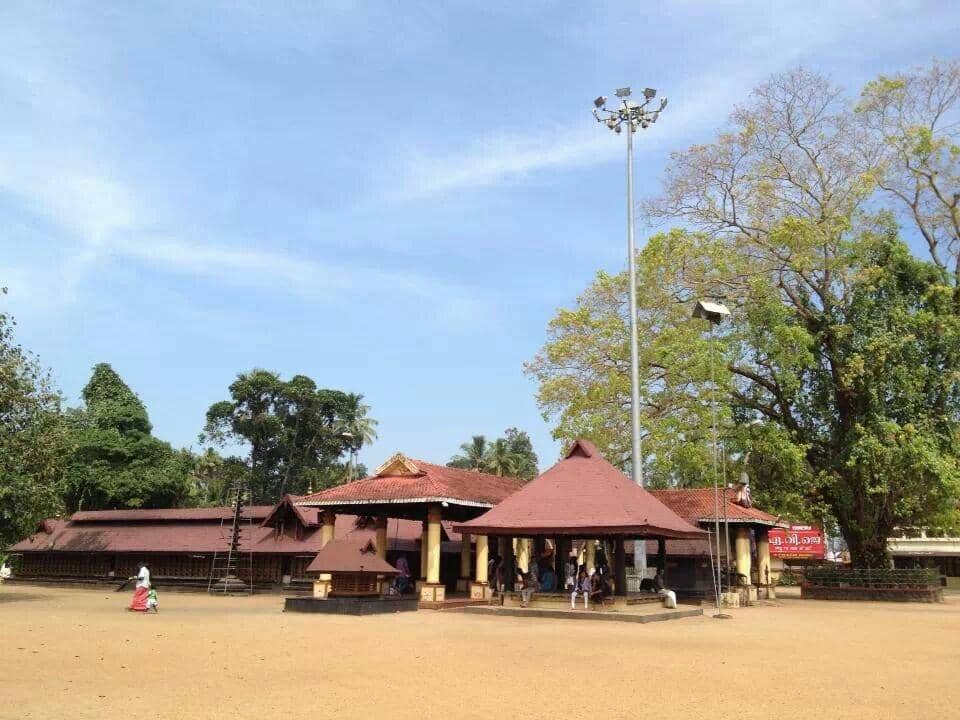
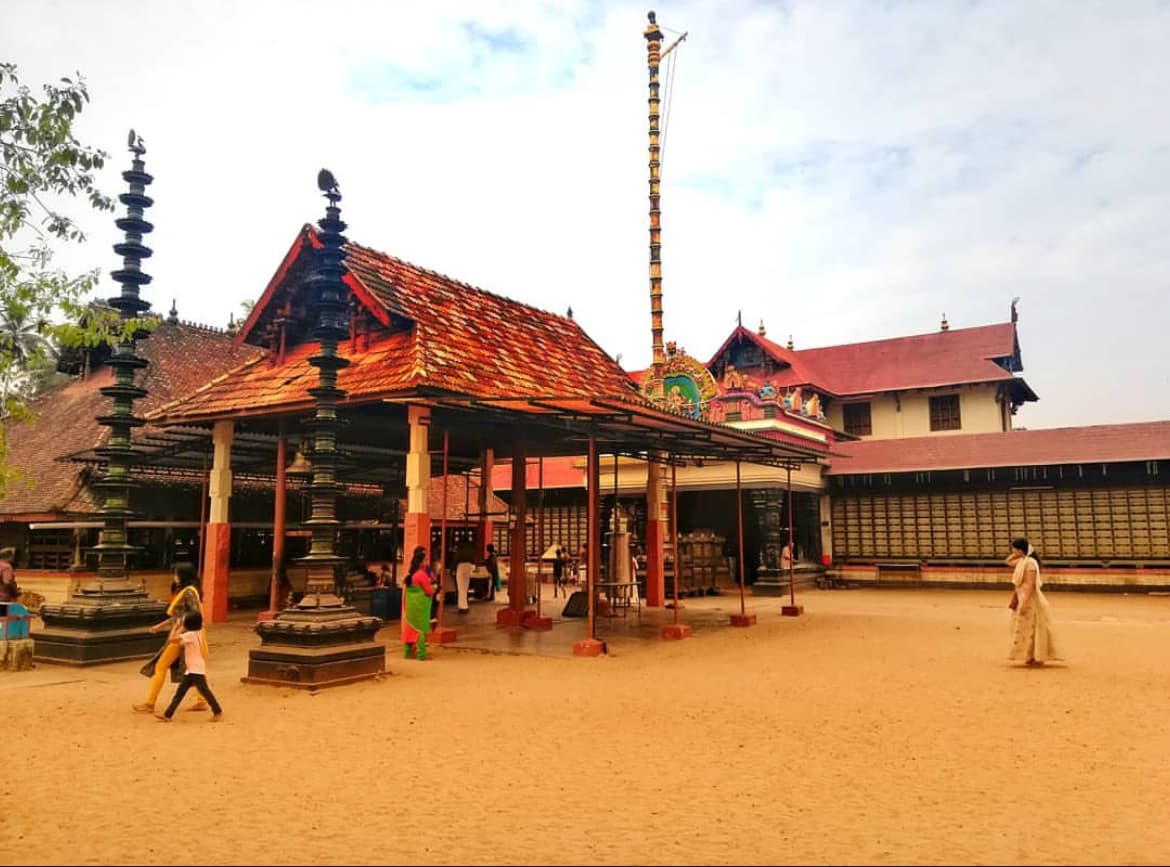
From the moment you step into the temple premises, you are welcomed by a tranquil yet powerful ambiance. The wide open spaces, the sacred banyan trees, and the traditional temple architecture all add to a sense of divine presence. There is a distinct energy here — a mix of devotion, tradition, and community spirit that is rarely found elsewhere.
The Kumbha Bharani festival, held in the Malayalam month of Kumbham (Feb–March), is one of the most spectacular events in Kerala. The highlight is the Kettukazhcha, a procession of massive, decorated structures resembling temple cars and mythological figures, created by the Karas. It is a visual feast and a powerful expression of community devotion.
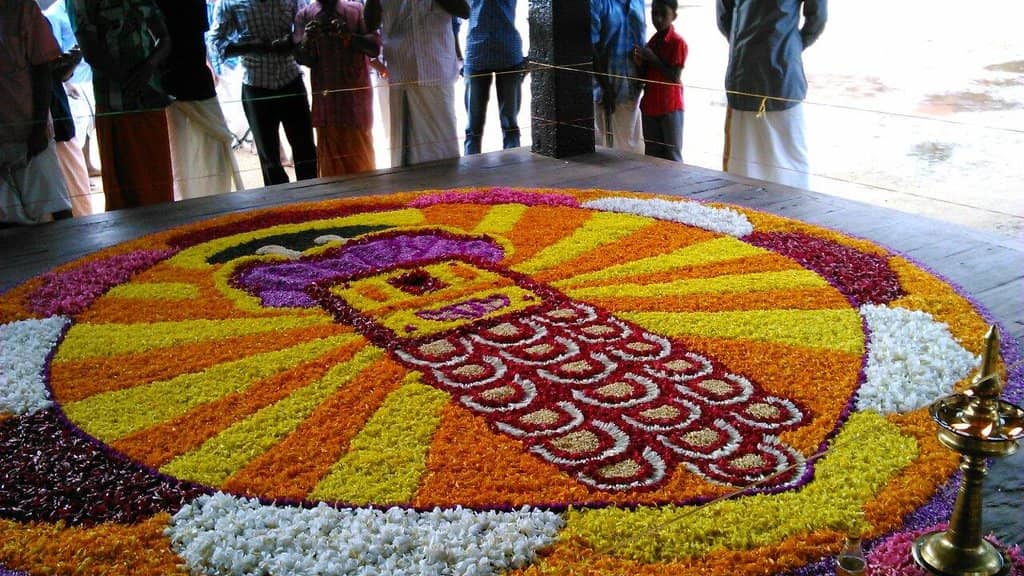
Equally captivating is the Meenam Aswathy festival, where offerings like kanji (rice gruel), muthirappuzhukku (boiled horse gram with coconut), and konjum mangayum (tender mango pieces) are prepared and shared among devotees. These humble, traditional offerings carry deep spiritual meaning and symbolize gratitude and simplicity in devotion.
A visit to Chettikulangara Bhagavathy Temple is not just a spiritual experience — it’s a cultural immersion. Whether you're drawn by faith or fascinated by Kerala's traditions, this temple will leave a lasting impression on your heart."
Navneet V Nair
What People Like
What People Dislike
Frequently Asked Questions
🚇 🗺️ Getting There
The temple is located in Alappuzha district, Kerala. You can reach it by road from major cities like Kochi or Thiruvananthapuram. Nearest railway station is Mavelikkara.
From Alappuzha, you can hire a taxi or take a local bus towards Mavelikkara, which is near the temple.
Yes, parking facilities are generally available for visitors, especially during non-festival times.
Ride-sharing apps might be available in the surrounding areas, but it's advisable to check their coverage beforehand. Local taxis are a reliable option.
The nearest airports are Cochin International Airport (COK) and Trivandrum International Airport (TRV), both about 2-3 hours away by road.
🎫 🎫 Tickets & Entry
Entry to the temple premises is generally free. However, special rituals or offerings might have associated fees.
The temple typically opens early in the morning and closes in the evening. Specific timings can vary, so it's best to check locally or online.
While entry to the temple is free, specific viewing areas or special arrangements during the festival might require advance booking or passes. It's advisable to check with local authorities closer to the date.
Photography might be restricted in the inner sanctum and during certain rituals. Always observe signage and local customs.
Yes, various offerings are accepted. You can inquire at the temple counter for details on available poojas and their associated costs.
🎫 🧭 Onsite Experience
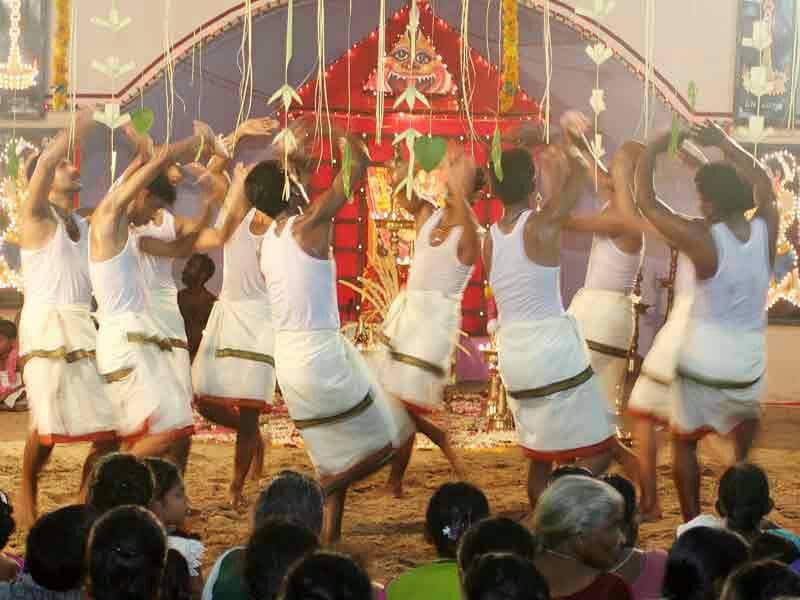
The temple is famous for its unique rituals like Kuthiyottam, Kuthiramoottil Kanji, and Therummoottil Kanji, which have received GI tags.
Kettukazhcha is a spectacular procession of massive, decorated structures during the Kumbha Bharani festival. It's a major highlight.
While efforts are made to maintain accessibility, some older parts of the temple might present challenges. Inquire locally for specific assistance.
The temple is central to 13 'Karas' or territories, highlighting its deep connection with the local community and its historical importance.
Yes, this ritualistic procession occurs, offering devotees a chance to receive blessings and make offerings. It's a unique experience.
🍽️ 🍽️ Food & Dining
Yes, you can find local eateries and restaurants in the vicinity offering traditional Kerala cuisine.
Try authentic Kerala dishes like Sadhya (a vegetarian feast), Appam, and local seafood preparations.
Yes, prasadams like Appam and Aravana are often available. Some offerings like Kanji and Mutthirappuzhukku are also shared.
Many local eateries offer vegetarian options, especially during temple festivals. Inquire locally for specific recommendations.
During festivals, community meals (Annadanam) might be organized. It's best to check with temple authorities for participation details.
📸 📸 Photography
The temple architecture, the vibrant festival processions (Kettukazhcha), and the serene sanctum offer great photo opportunities.
Photography is generally allowed in the outer premises, but often restricted inside the sanctum. Drone usage is usually prohibited.
Early morning or late afternoon often provides softer light. During festivals, the vibrant atmosphere is captivating at any time.
Be respectful and check if photography is permitted during specific rituals. Some ceremonies might be considered sacred and private.
The elaborate Kettukazhcha structures, traditional attire worn by devotees, and the temple's intricate carvings are highly photogenic.


Social
from TikTok, Instagram & Reddit