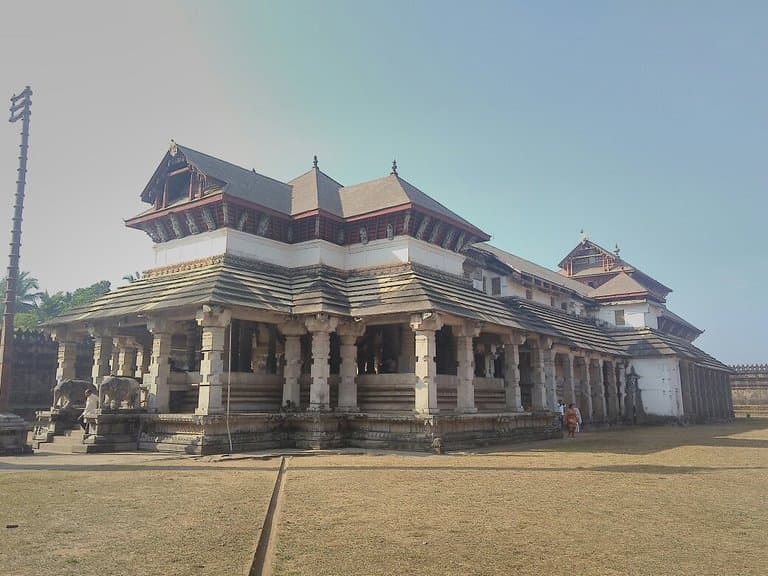
Moodabidri Thousand Pillars Basadi
A 15th-century Jain marvel in Moodabidri, renowned for its 1,000 intricately carved granite pillars, each uniquely designed.
Highlights
Must-see attractions

Social
From TikTok & Reddit
Best Time
Beat the crowds and heat
Moodabidri Thousand Pillars Basadi
Best Time
Beat the crowds and heat
Highlights
Must-see attractions
A 15th-century Jain marvel in Moodabidri, renowned for its 1,000 intricately carved granite pillars, each uniquely designed.
"Each pillar tells a story, with no two pillars identical! 
🚶♀️ Wander and Wonder
Take your time to explore each pillar; no two are alike!
🤫 Keep it Peaceful
Remember it's a sacred site. Avoid loud noises and respect the sanctity.
Quick Facts
Hours
Rating
4.6 · 162 reviews
Type
Place of Worship
Highlights
Discover the most iconic attractions and experiences
The Thousand Pillars
Main Hall
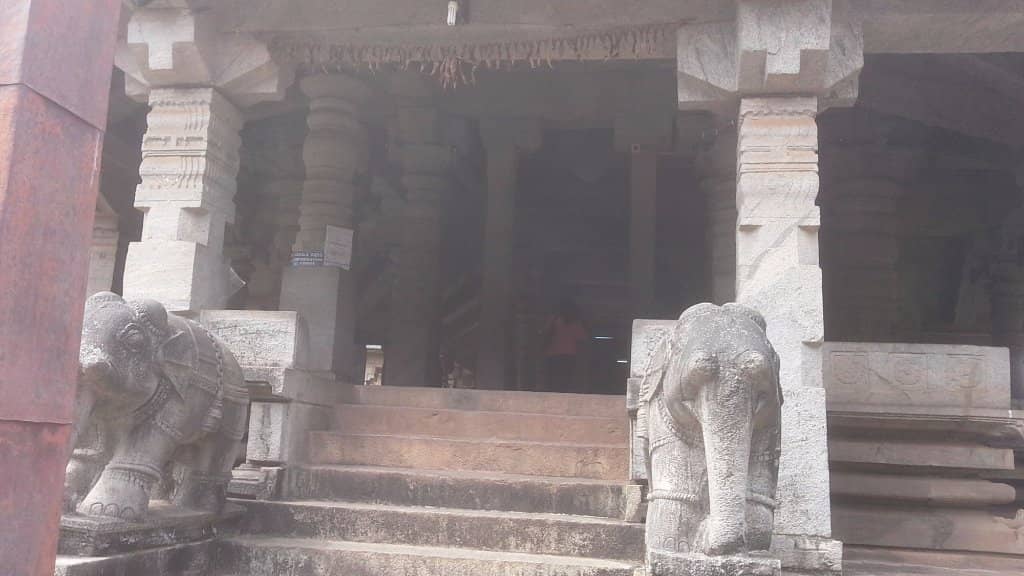
Marvel at over 1,000 intricately carved granite pillars, each uniquely designed, showcasing ancient artistry.
+1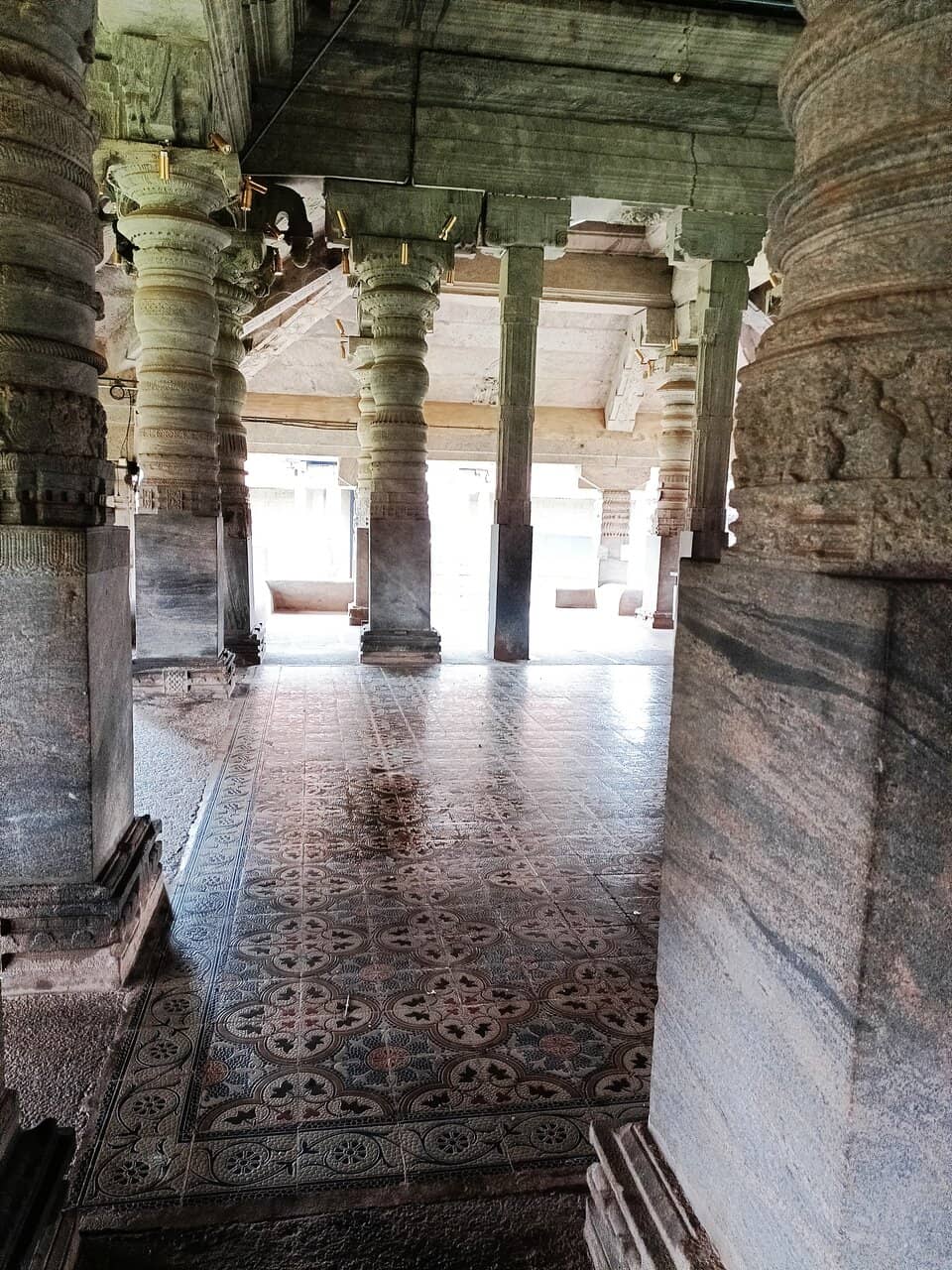
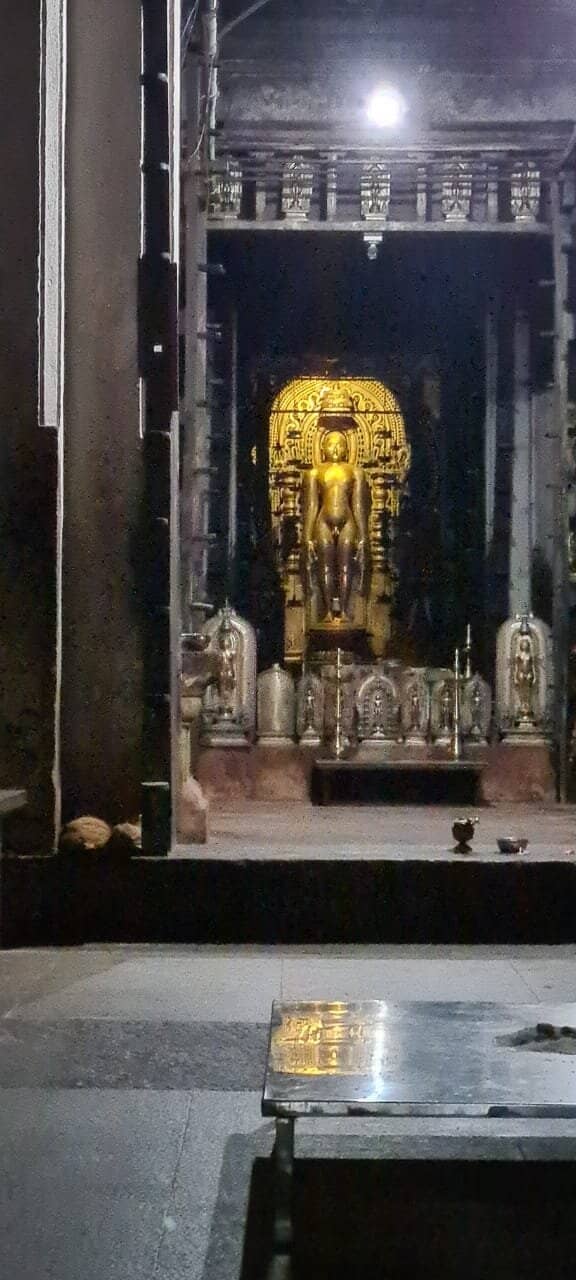
Lord Chandraprabha Idol
Sanctum Sanctorum
Find peace in the presence of the serene idol of Lord Chandraprabha, the eighth Tirthankara, in the main shrine.
Intricate Stone Carvings
Throughout the Temple
Discover detailed carvings of mythological figures, floral motifs, and geometric patterns on every surface.
Plans like a pro.
Thinks like you
Planning Your Visit
Timing is Key for Tranquility
Respectful Attire and Conduct
Best Times
Insider Tips
from TikTok, Instagram & Reddit
🚶♀️ Wander and Wonder
Take your time to explore each pillar; no two are alike!
🤫 Keep it Peaceful
Remember it's a sacred site. Avoid loud noises and respect the sanctity.
📸 Photography Etiquette
Wedding shoots are not allowed. Be mindful of others when taking photos.
💧 Stay Hydrated
Carry water, especially during warmer months, as you'll be doing a lot of walking.
Tips
from all over the internet
🚶♀️ Wander and Wonder
Take your time to explore each pillar; no two are alike!
🤫 Keep it Peaceful
Remember it's a sacred site. Avoid loud noises and respect the sanctity.
📸 Photography Etiquette
Wedding shoots are not allowed. Be mindful of others when taking photos.
💧 Stay Hydrated
Carry water, especially during warmer months, as you'll be doing a lot of walking.
What Travellers Say
Reviews Summary
Visitors consistently praise the Thousand Pillars Basadi for its breathtaking architecture, particularly the unique and intricately carved granite pillars. The serene ambiance and historical significance are also frequently highlighted as major draws. Some visitors note that wedding shoots are not permitted, and a few mention the need for respectful conduct within the sacred space.
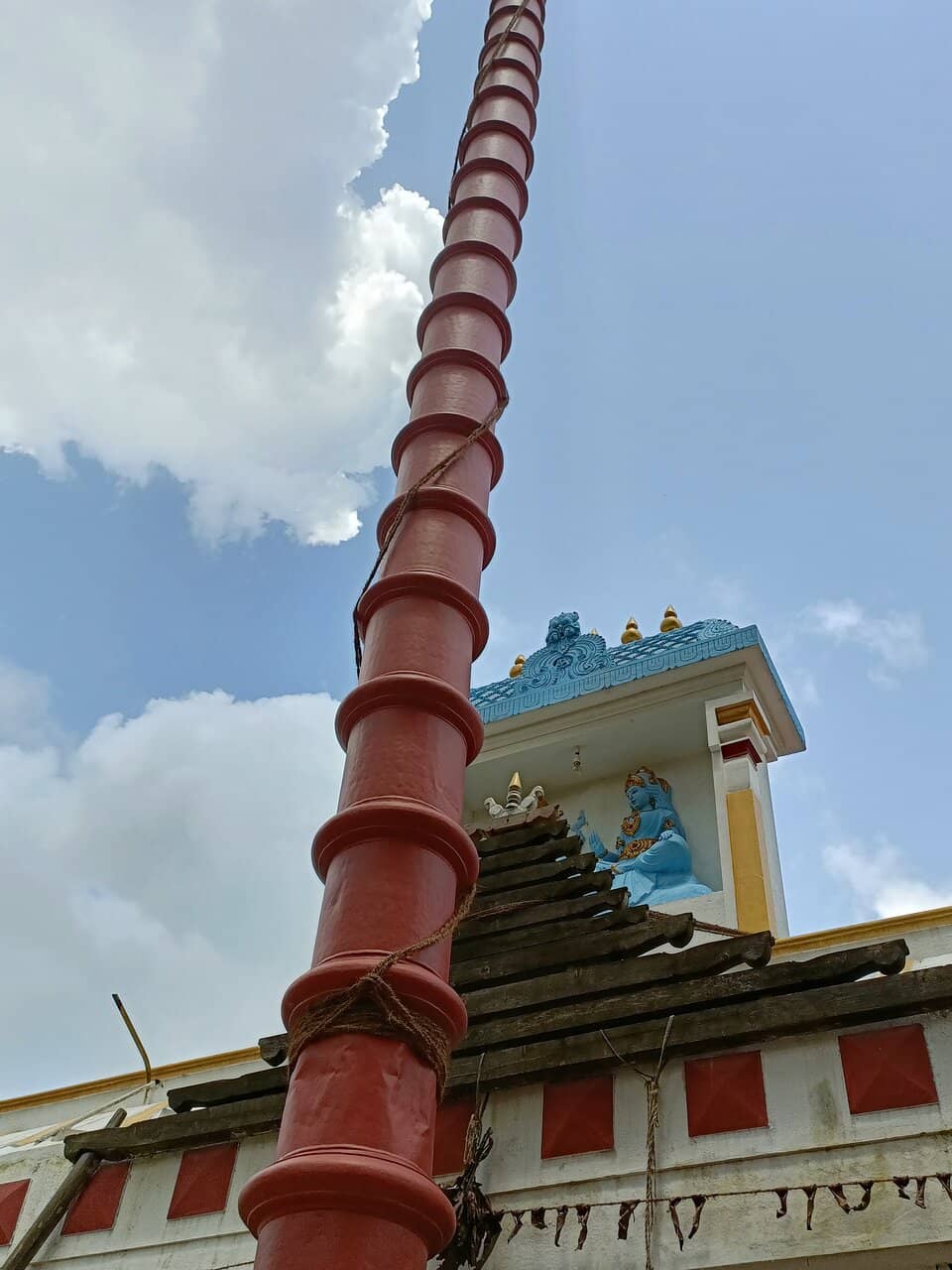
"The Gateway of Tribhuvana Tilaka Chudamani or the Saavira Kambada Basadi (1000 pillared Jaina Temple of Moodabidri) . This gateway was built by M. R. Ry. Kattemar Raghuchandra Ballal Avargal around the early 20th century. He was a local Tuluva Jaina aristocract, landowner and MLC in Madras Presidency of British India. A descendant of the Kattemar Jaina Shetty and Irvathur Beedu Ballal family. It's colonial nature is evident if you contrast it with the older 15th century Basadi which was built by the local Jaina Rajas with funding from Nakhara Shettys and Pattana Shettys of Bedra (Moodabidri) who were rich merchants. In the second picture you can see a line art depicting the gateway of the Mangalore Basadi which was also renovated by Kattemar Raghuchandra Ballal. The colonial era influences in native canara/Tuluva temple architecture is quite subtle. Even the Mangalore tiles are colonial additions. Originally there was thatched roofing"
Prajeeth Shetty
"The 1000 Pillar Temple, also known as Saavira Kambada Basadi, is a magnificent Jain temple located in the heart of Moodbidri, a town in the Dakshina Kannada district of Karnataka. This architectural marvel, built in the 15th century, stands as a testament to the rich cultural and religious history of Jainism in the coastal region of Karnataka. It is dedicated to Lord Chandraprabha, the eighth Tirthankara in Jainism, and is one of the most significant and elaborate Jain temples in South India.
As the name suggests, the temple is renowned for its thousand intricately carved pillars, no two of which are exactly alike. These stone pillars showcase an incredible range of patterns and motifs, including lotus flowers, elephants, dancers, dragons, and mythological creatures, all chiselled with meticulous detail. The entire temple is made from locally sourced granite and showcases the Vijayanagara style of architecture blended with indigenous craftsmanship.
Located on Jain Pete (Jain Street), this temple is part of a historic settlement that once flourished as a major Jain center. The area still houses ancient manuscripts and Jain relics, preserved carefully by Jain monks and scholars. The temple complex also includes a massive open hall (mandapa), a sanctum (garbhagriha), and a richly decorated altar where the idol of Lord Chandraprabha is seated in deep meditation.
The temple was commissioned by Devaraya Wodeyar, a local ruler and Jain patron, and construction spanned over three generations, reflecting the dedication and artistic excellence of the craftsmen involved. Even after centuries, the polish and detailing of the stonework remain remarkably intact, making it a timeless beauty.
The 1000 Pillar Temple is not only a sacred place of worship but also a symbol of peace, heritage, and artistic brilliance. It continues to attract tourists, history lovers, and devotees from all over the world."
Gayathri R Nair
"One of most beautiful Jain temple in tulunadu ❤️ architecture is really beautiful. And carvings are depict its glorious history . Must visit palace if ur in tulunadu .
.
The Thousand Pillars Temple was built in the 15th century by local ruler Devaraya Wadiyar. Temple was renovated in 1962. Each of the thousand pillars is dotted with exquisite rock carvings. Interesting fact about the pillars is, it is believed that no two pillars are said to be alike.
.
Imp instructions:-
.
1. Visit any season.
2 wedding shoots are not allowed.
3. Try to keep silence.
4. It’s temple don’t act like ur in public place . U saw group people shouting and cracking stupid jokes"
listen loy d'souza (Listu)
What People Like
What People Dislike
Frequently Asked Questions
🚇 🗺️ Getting There
Moodabidri is accessible by road from Mangalore (about 35 km). You can hire a taxi or take a local bus from Mangalore to reach Moodabidri. The temple is centrally located within the town.
Yes, there is usually parking available near the temple complex, though it can get busy during peak times.
Once in Moodabidri, the Basadi is easily walkable from other local attractions. Auto-rickshaws are also available for short distances.
The nearest major airport is Mangalore International Airport (IXE), and the closest railway station is in Mangalore. From there, you'll need to arrange road transport.
Absolutely! Moodabidri is a popular day trip destination from Mangalore, offering a glimpse into Jain heritage and architecture.
🎫 🎫 Tickets & Entry
Entry to the Thousand Pillars Basadi is generally free. However, donations are welcome to help with the maintenance and preservation of this historic site.
The temple is typically open from early morning to evening. It's best to visit during daylight hours to fully appreciate the carvings.
No, advance booking is not required as there is no entry fee. You can visit anytime during opening hours.
Photography is generally allowed, but wedding shoots are prohibited. Be respectful of the sacred nature of the site.
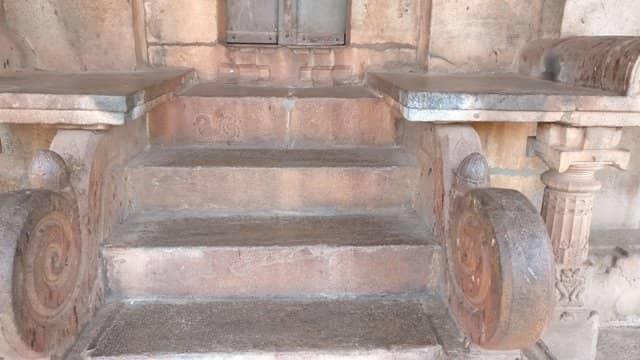
While the main areas are accessible, some parts might have steps. It's advisable to check on-site for specific accessibility information.
🎫 🏛️ Onsite Experience
The 1000 pillars are a testament to the incredible craftsmanship of the 15th century. Each pillar is uniquely carved, featuring diverse motifs and patterns, symbolizing the artistic and spiritual prowess of the era.
You'll find a rich variety of carvings, including floral designs, mythological figures, dancers, animals, and intricate geometric patterns.
Local guides may be available to share insights into the temple's history and architecture. Engaging a guide can enhance your understanding.
Wander through the halls, take your time to admire each pillar, and soak in the peaceful ambiance. The sheer scale and detail are best appreciated at a leisurely pace.
Yes, Moodabidri is known as the 'Jain Varanasi' of South India and has 18 Jain temples, with the Thousand Pillars Basadi being the most prominent.
🍽️ 🍽️ Food & Dining
Yes, Moodabidri town offers several local eateries and restaurants serving South Indian cuisine. You can find options for a quick snack or a full meal.
Expect traditional Karnataka cuisine, including vegetarian dishes, local snacks, and South Indian staples like dosa and idli.
Typically, there are no dining facilities within the temple complex itself. It's advisable to eat before or after your visit.
It's best to consume food and drinks outside the temple premises to maintain its cleanliness and sanctity.
Look for local Udupi-style vegetarian restaurants for an authentic taste of the region.
📸 📸 Photography
The entire temple is a photographer's dream! Focus on the intricate pillar carvings, the architectural details, and the serene ambiance.
Tripod usage might be restricted to ensure smooth visitor flow and to protect the delicate structures. It's best to check on-site regulations.
Early mornings and late afternoons offer beautiful natural light that enhances the textures and details of the carvings.
Drone photography is generally not permitted in and around religious sites due to privacy and security concerns.
Use a wide-angle lens to capture the scale of the pillars and a macro lens for detailed shots of the carvings. Good low-light performance is also beneficial.




Social
from TikTok, Instagram & Reddit