Oriental Research Institute
Discover ancient wisdom in Mysore's Oriental Research Institute, home to thousands of rare palm-leaf manuscripts and the original Arthashastra.
Highlights
Must-see attractions

Social
From TikTok & Reddit
Best Time
Open 8 AM to 8 PM
Oriental Research Institute
Best Time
Open 8 AM to 8 PM
Highlights
Must-see attractions
Discover ancient wisdom in Mysore's Oriental Research Institute, home to thousands of rare palm-leaf manuscripts and the original Arthashastra.
"A treasure trove for knowledge seekers, preserving India's rich literary and cultural heritage."
🎯 Get Prior Permission
For deeper access to manuscripts, contact the office beforehand.
📜 See Ancient Wisdom
Marvel at thousands of palm-leaf manuscripts covering diverse ancient topics.
Quick Facts
Hours
Rating
4.4 · 54 reviews
Highlights
Discover the most iconic attractions and experiences
Arthashastra Manuscript
Manuscript Library
See the original copy of Kautilya's Arthashastra, inscribed on palm leaves in the ancient Grantha script. A true historical treasure.

Palm Leaf Manuscript Collection
Exhibition Room
Explore over 14,000 palm leaf manuscripts detailing ancient wisdom, literature, philosophy, and more.

Architectural Beauty
Exterior
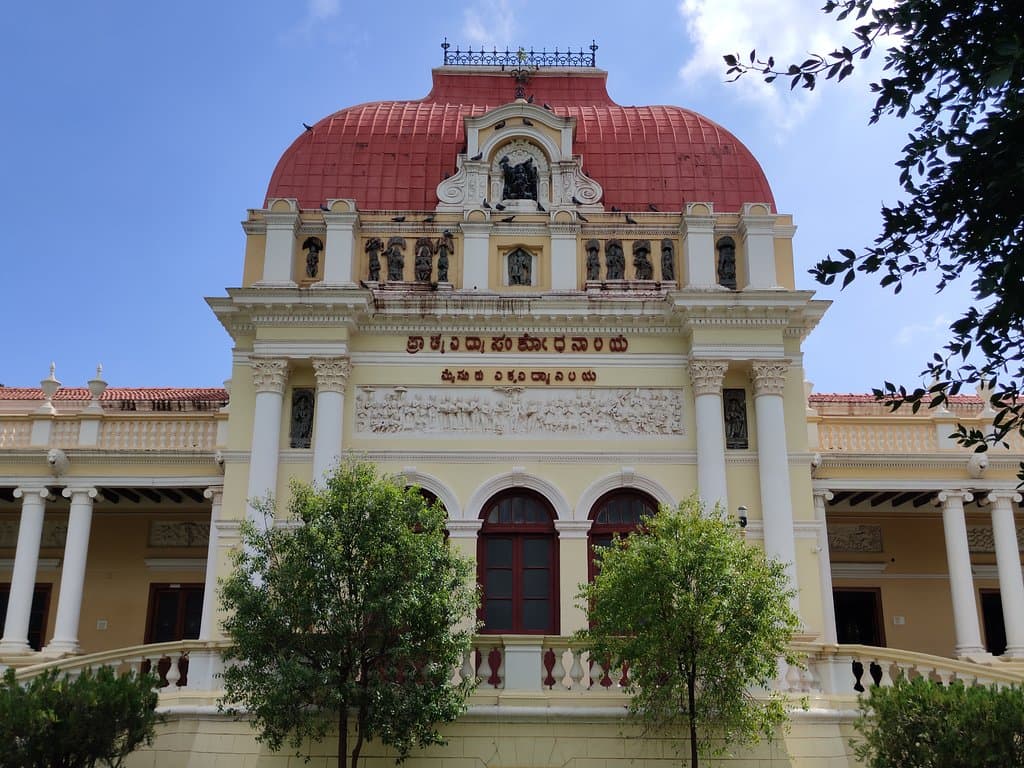
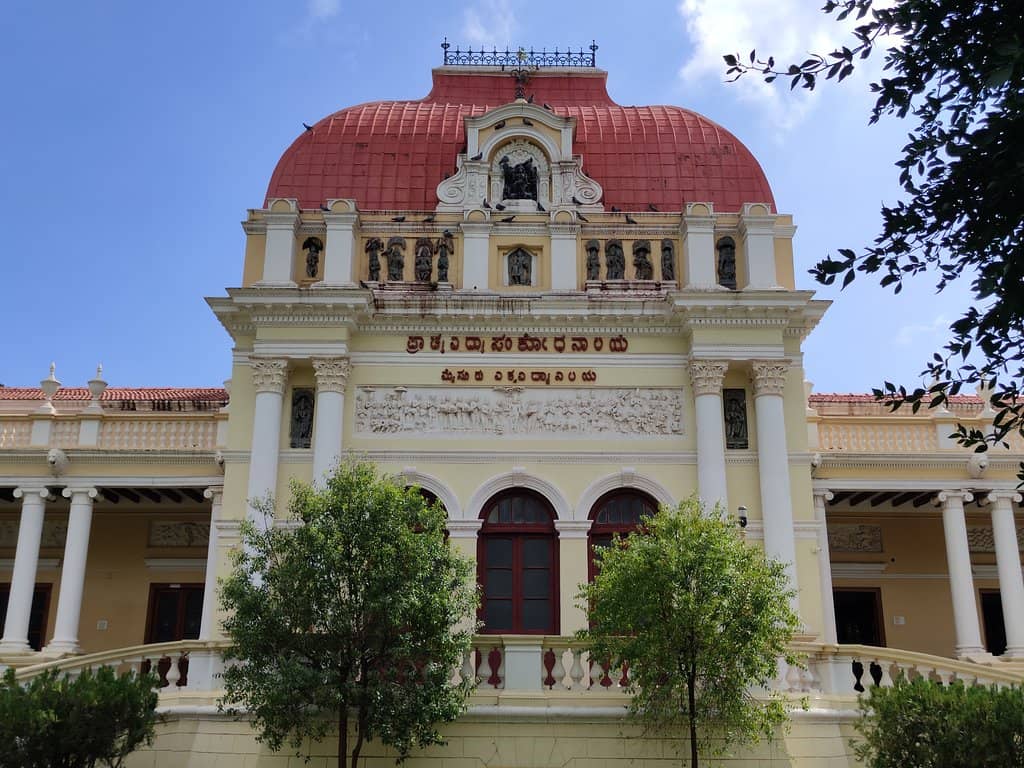
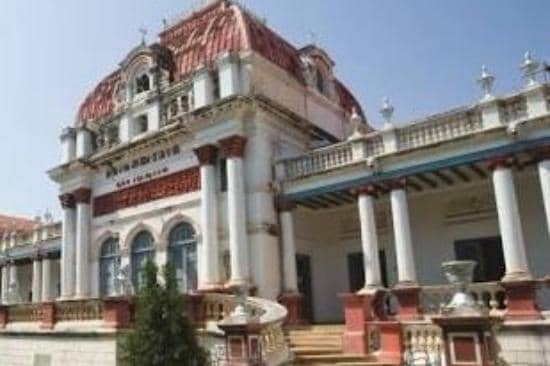
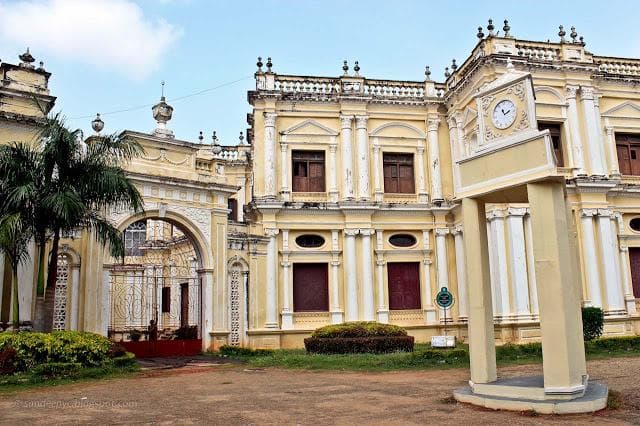
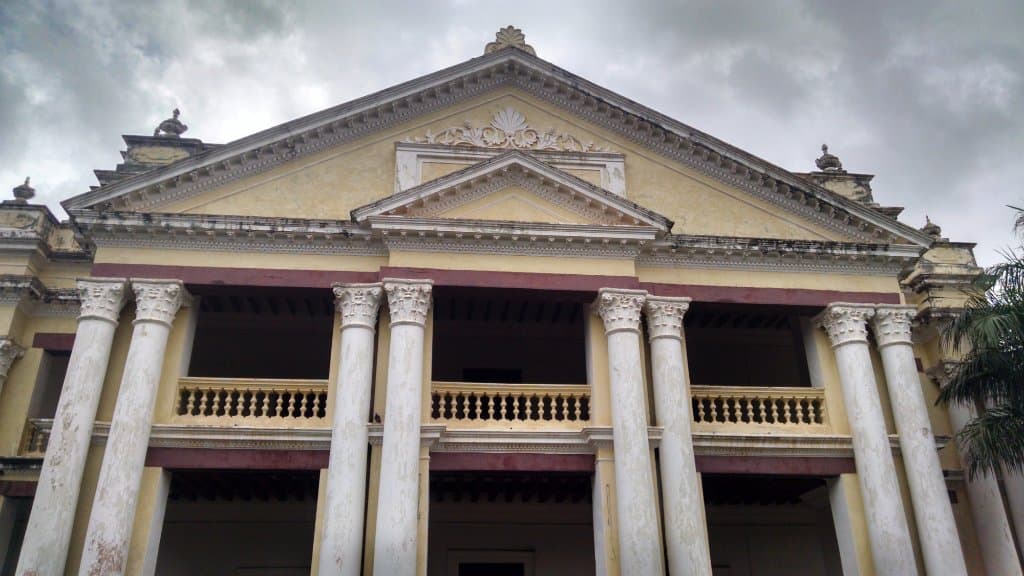
Admire the stunning architecture of the Jubilee Hall, built in 1887, which houses the institute. A visual treat.

Stone Pillar Inscriptions
Exhibition Area
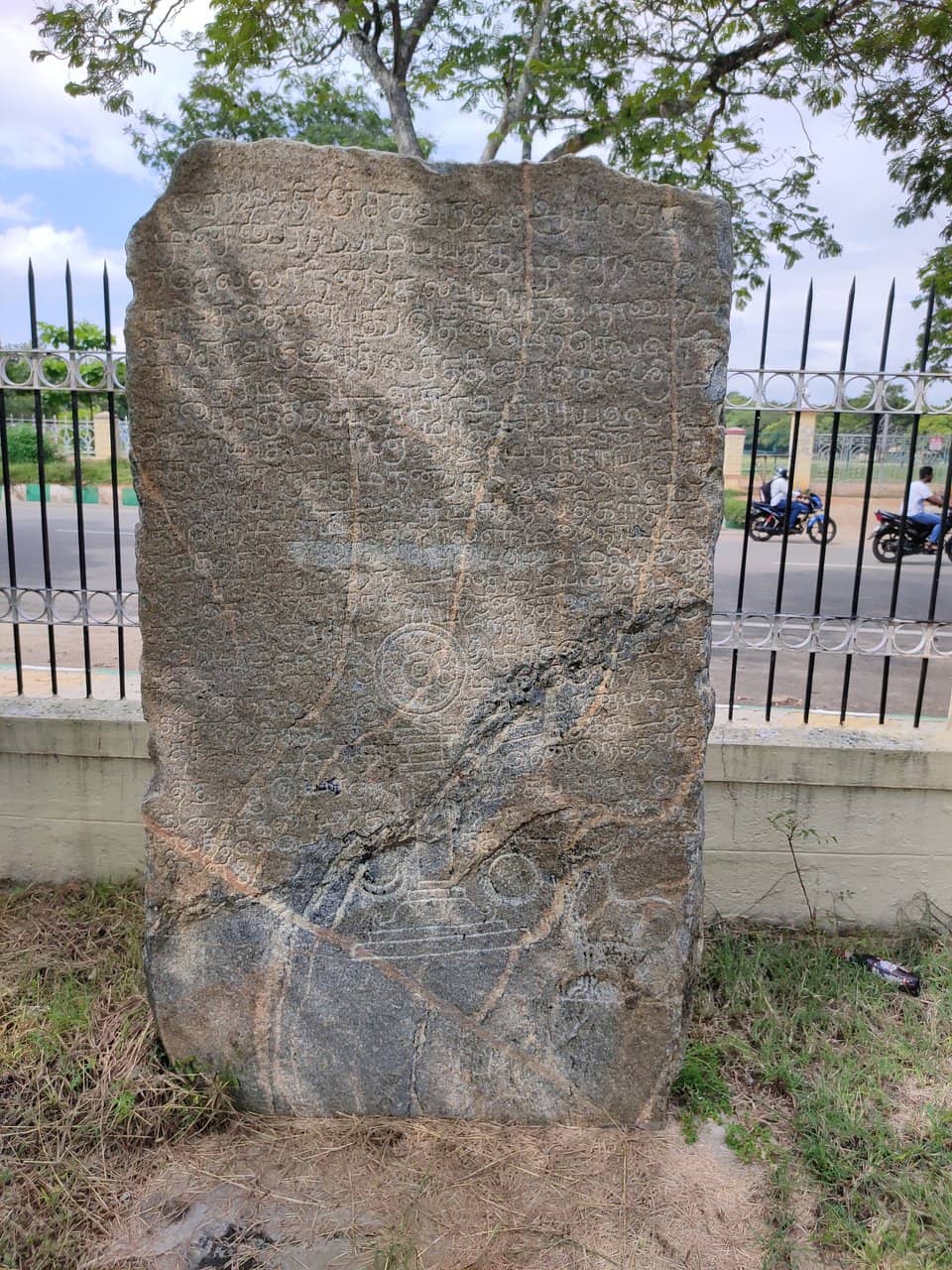
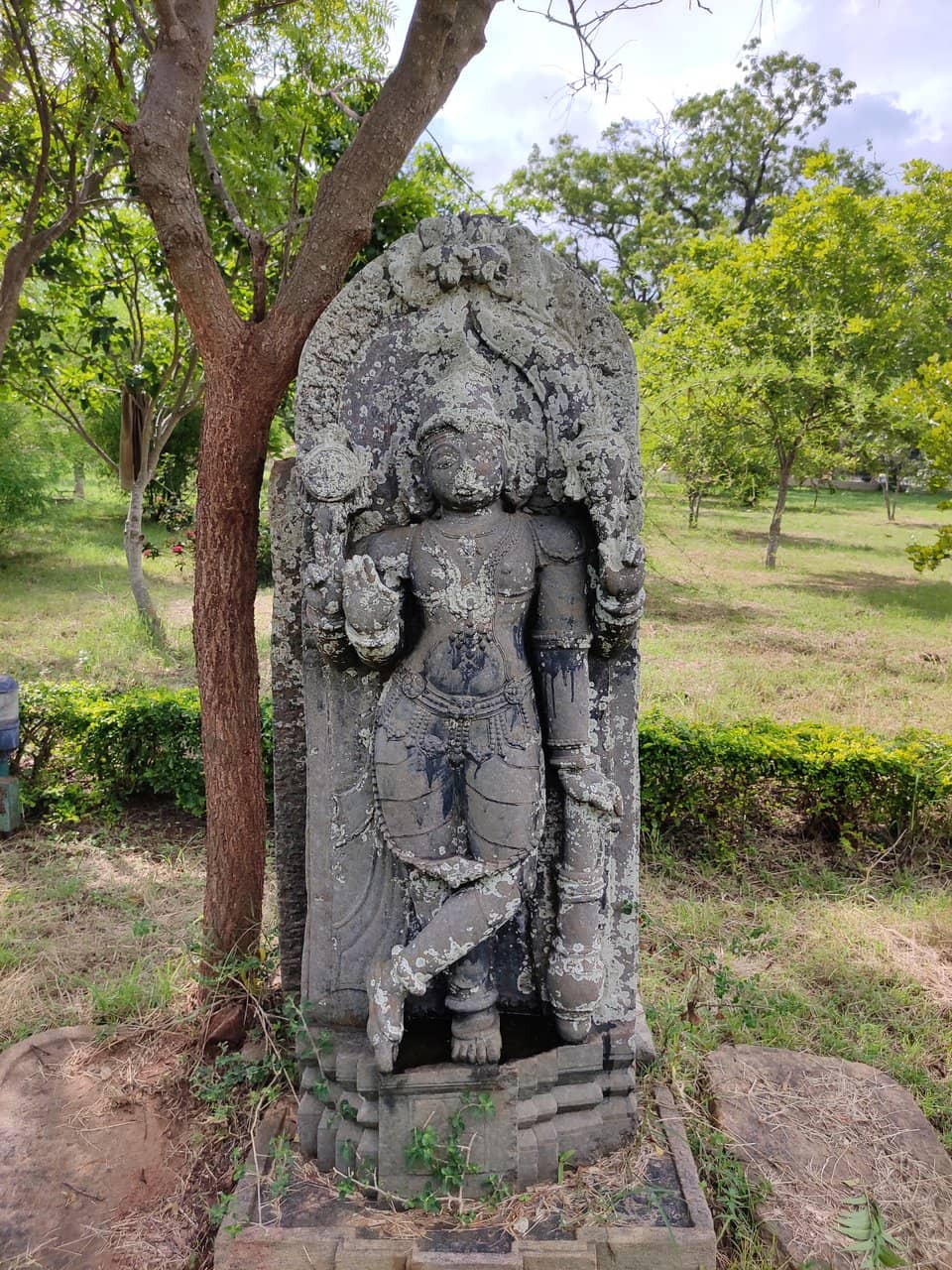
View ancient stone pillar inscriptions, like the 1029 CE artifact from Nelamangala, showcasing Hale Kannada and Sanskrit.
Plans like a pro.
Thinks like you
Planning Your Visit
Accessing the Archives
Preservation Insights
Best Times
Insider Tips
from TikTok, Instagram & Reddit
🎯 Get Prior Permission
For deeper access to manuscripts, contact the office beforehand.
📜 See Ancient Wisdom
Marvel at thousands of palm-leaf manuscripts covering diverse ancient topics.
🏛️ Admire the Architecture
The Jubilee Hall building itself is a historical and architectural gem.
📚 Explore the Library
Over 50,000 books in various languages are available for reference.
Tips
from all over the internet
🎯 Get Prior Permission
For deeper access to manuscripts, contact the office beforehand.
📜 See Ancient Wisdom
Marvel at thousands of palm-leaf manuscripts covering diverse ancient topics.
🏛️ Admire the Architecture
The Jubilee Hall building itself is a historical and architectural gem.
📚 Explore the Library
Over 50,000 books in various languages are available for reference.
🌿 Learn Preservation
Discover the unique lemongrass oil method for preserving palm leaves.
What Travellers Say
Reviews Summary
Visitors praise the Oriental Research Institute as a treasure trove of ancient wisdom, particularly highlighting the rare palm-leaf manuscripts and the original Arthashastra. The institute's historical building and unique preservation techniques are also frequently commended. While access to certain collections may require prior permission, the overall experience is considered enriching for knowledge seekers and researchers.
"A place of knowledge where you can find ancient wisdom written on palm leaves. You can see more than 14 thousand palm leaf manuscripts which contains 70 thousand works of different authors."
Chaya
"When Scholars felt the need to collect, and preserve Sanskrit and Kannada palm leaf and Manuscripts, the idea of establishing an institution in the name of ‘Oriental Library’ came in their mind and that resulted in its establishment by Maharaja Sri Chamaraja Wadeyar in 1891. Mysore University was started in 1916. Since then ‘Oriental Library’ became an integral part of Mysore University. Its objects are to collect, preserve, edit and publish the rare valuable Sanskrit and Kannada palm leaf as well as Paper Manuscripts available in our country. Later in 1943 ‘Oriental Library’ was renamed as ‘Oriental Research Institute’.
It is managed and administered by Director and staff. It has compiled and published ‘Sritattvanidhi’ of Sri Mummadi Krishnaraja Wadeyar, in three Volumes, comprising of Shakthi Nidhi, Vishnu Nidhi and Shiva Nidhi, apart from many other rare Sanskrit works. It has to its credit vast number of collection exceeding a lakh. Its library, as I have seen, contains more than 50,000 books in Sanskrit, Kannada, English, Hindi and other languages. It is an internationally recognised institution getting financial aid from USA and others.
Infact Oriental Library was the first public library in Mysore that was dedicated to the cause of research and editing of manuscripts, keeping Indology as its prime focus. It has published nearly 200 titles from 1893 till date. It has preserved in its womb a rich collection of more than 75000 ancient, rare and highly valued materials, books and documents. I can quote some important and rare collections like Encyclopaedia of Religion and Ethics by James Hastings, Vedic Concordance by Maurice Bloomfield and critical editions of Ramayana and Mahabharata. I could not find any difficulty to pick the book of choice because the books are systematically arranged to have easy access to reader’s desired books and documents.
The palm leaves manuscripts are of standard size of 15cm x 3.5cm. These are extraordinary manuscripts that open an unusual window to literature, philosophy, astrology, religious practices and languages that were in vogue in primordial times. Manuscripts are organic materials at risk of decay and destruction by Silverfish. Lemon grass oil is applied on manuscripts to preserve them. Lemon grass oil actually injects natural fluidity into the brittle palm leaves and hydrophobic nature of oil keeps the manuscripts dry and the text is not lost due to humidity. Conventional method is adopted to preserve manuscripts in microfilm. Original manuscripts are available for reference. ‘The Emperor's Riddles’ authored by Satyarth Nayak was featured by it in 2014. It is a mystery thriller novel as I have seen. I have visited this library several times.
Oriental Institute is a treasure trove for knowledge seekers and research students and scholars, having preserved several greatest works of literature, philosophy, religion and what not! Visitors are allowed to see the palm leaf and paper manuscripts. It has preserved not only the rare manuscripts safely but also makes them available for research purposes. The name itself suggests its commitments to propagate Indian culture and heritage. It has been encouraging and furthering Indological research all these years from its inception. It is in reality a museum displaying 50,000 ancient palm-leaf manuscripts and later manuscripts in paper.
Oriental Institute is found at northern end of Krishnaraja Boulevard Road. It is adjacently opposite to Crawford Hall and within the campus of Mysore University. Its building is architecturally beautiful and attracts viewers from a distance. It is actually the Jubilee Hall built in 1887 to commemorate golden jubilee of Queen Victoria`s taking over British throne.
It is kept open for public from 8am to 8pm on all days. Contact on 0821 – 2420331/2419336."
SHREE GANESH S
"Opposite Maharaja's College Grounds on Krishnaraja Boulevard Road ( Kautilya Circle / Yuvaraja's College ) .Has stone edicts / tablets , rare manuscripts and lierature on palm leaf ..It is an institute doing research on ancient Oriental Languages ."
vishwanath krishnaswamy
What People Like
What People Dislike
Frequently Asked Questions
🚇 🗺️ Getting There
The Oriental Research Institute is located on Krishnaraja Boulevard Road, opposite Maharaja's College Grounds and near Crawford Hall, within the Mysore University campus. It's easily accessible by local transport.
Information on dedicated parking is limited, but visitors can typically find parking options near the Mysore University campus or along Krishnaraja Boulevard.
It is located opposite Maharaja's College Grounds and Yuvaraja College campus, and adjacently opposite to Crawford Hall.
Yes, ride-sharing apps like Uber and Ola are readily available in Mysore and can be used to reach the Oriental Research Institute.
Mysore has a good public bus network, and you can likely find routes that stop near Krishnaraja Boulevard or the Mysore University campus.
🎫 🎫 Tickets & Entry
Entry to the publicly accessible areas of the Oriental Research Institute is generally free, but it's always a good idea to check for any recent policy changes.
The institute is open to the public from 8 AM to 8 PM every day.
Access to the manuscript library for research purposes may require prior permission from the institute's office. It's recommended to contact them in advance.
Photography rules can vary. It's best to inquire at the entrance or with staff about restrictions, especially concerning manuscripts.
While generally free for public viewing, it's advisable to confirm if any nominal fee or special access charges apply, especially for research purposes.
🎫 🏛️ Onsite Experience
You can see ancient palm-leaf manuscripts, including the Arthashastra, rare books, stone pillar inscriptions, and admire the institute's beautiful architecture. +1
A visit can range from an hour to a few hours, depending on your interest in exploring the manuscripts and books.
Yes, the manuscripts are meticulously preserved using traditional methods like lemongrass oil application to prevent decay.
While children can visit, the primary appeal is for those interested in history, ancient texts, and research.
The building, known as Jubilee Hall, was constructed in 1887 to commemorate Queen Victoria's golden jubilee and is architecturally significant.
🎫 📚 Books & Manuscripts
The institute holds over 14,000 palm-leaf manuscripts and later manuscripts on paper, covering literature, philosophy, religion, astrology, and more.
Yes, Indology is a prime focus, and the library contains a vast collection of books and documents related to Indian studies.
Borrowing is generally not permitted, but manuscripts and books are available for reference and research within the institute.
Notable rare collections include the Arthashastra manuscript, Encyclopaedia of Religion and Ethics, and Vedic Concordance.
They are preserved using methods like applying lemongrass oil to maintain flexibility and prevent decay from humidity and pests.




Social
from TikTok, Instagram & Reddit