
Deekshabhoomi
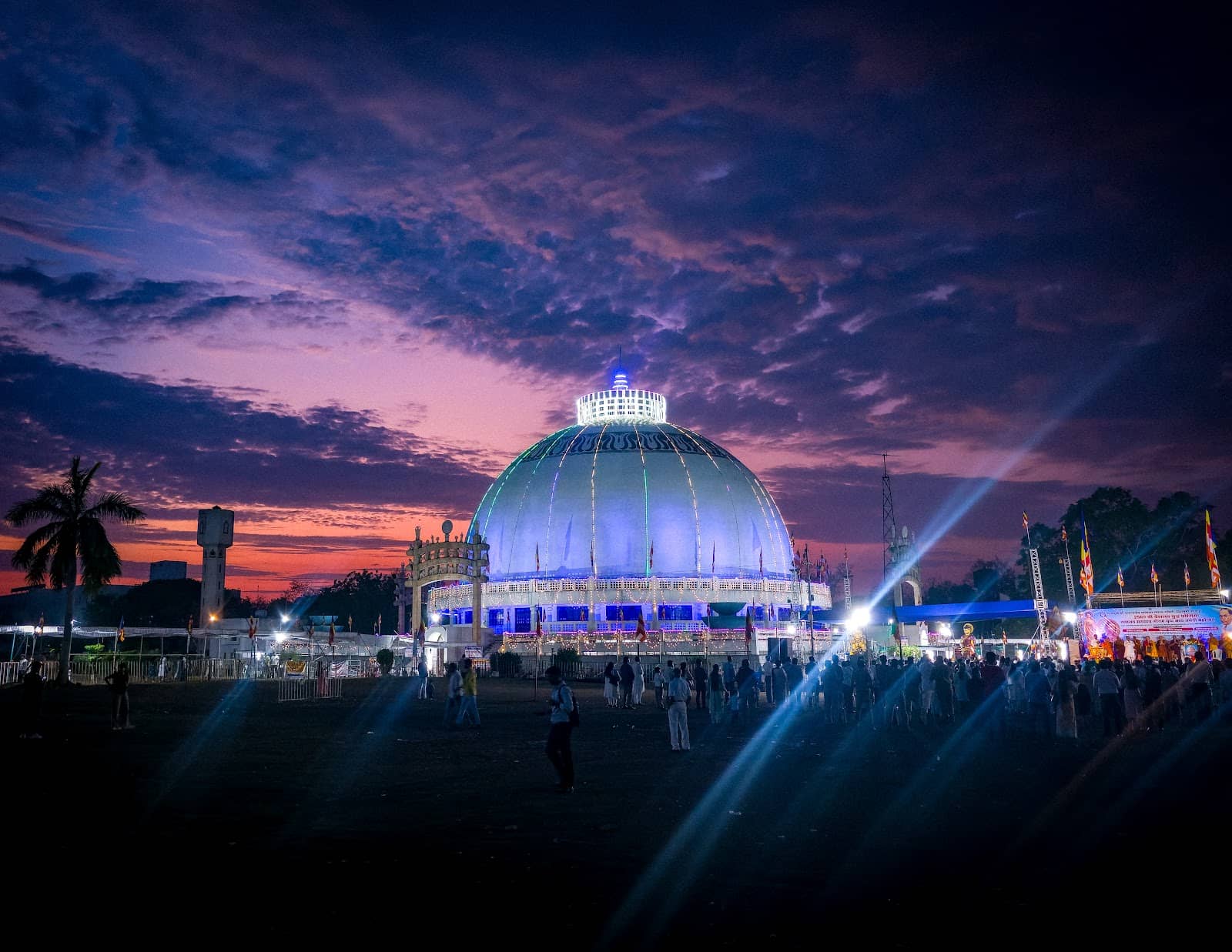
A sacred Buddhist stupa marking Dr. B.R. Ambedkar's mass conversion, symbolizing peace, equality, and historical transformation.
Highlights
Must-see attractions

Social
From TikTok & Reddit
Best Time
Fewer crowds, peaceful atmosphere
Deekshabhoomi
Best Time
Fewer crowds, peaceful atmosphere
Highlights
Must-see attractions
A sacred Buddhist stupa marking Dr. B.R. Ambedkar's mass conversion, symbolizing peace, equality, and historical transformation.
"A must-visit spot for anyone coming to the city, offering an insightful look into history."
🎯 Dress Modestly
Cover shoulders and knees out of respect for this sacred site. 🙏
🚶♂️ Explore the Grounds
Take time to read the 22 vows and the Constitution's Preamble. 📜
Quick Facts
Hours
Rating
4.5 · 11,788 reviews
Type
Place of Worship
Highlights
Discover the most iconic attractions and experiences
The Grand Stupa
Central structure
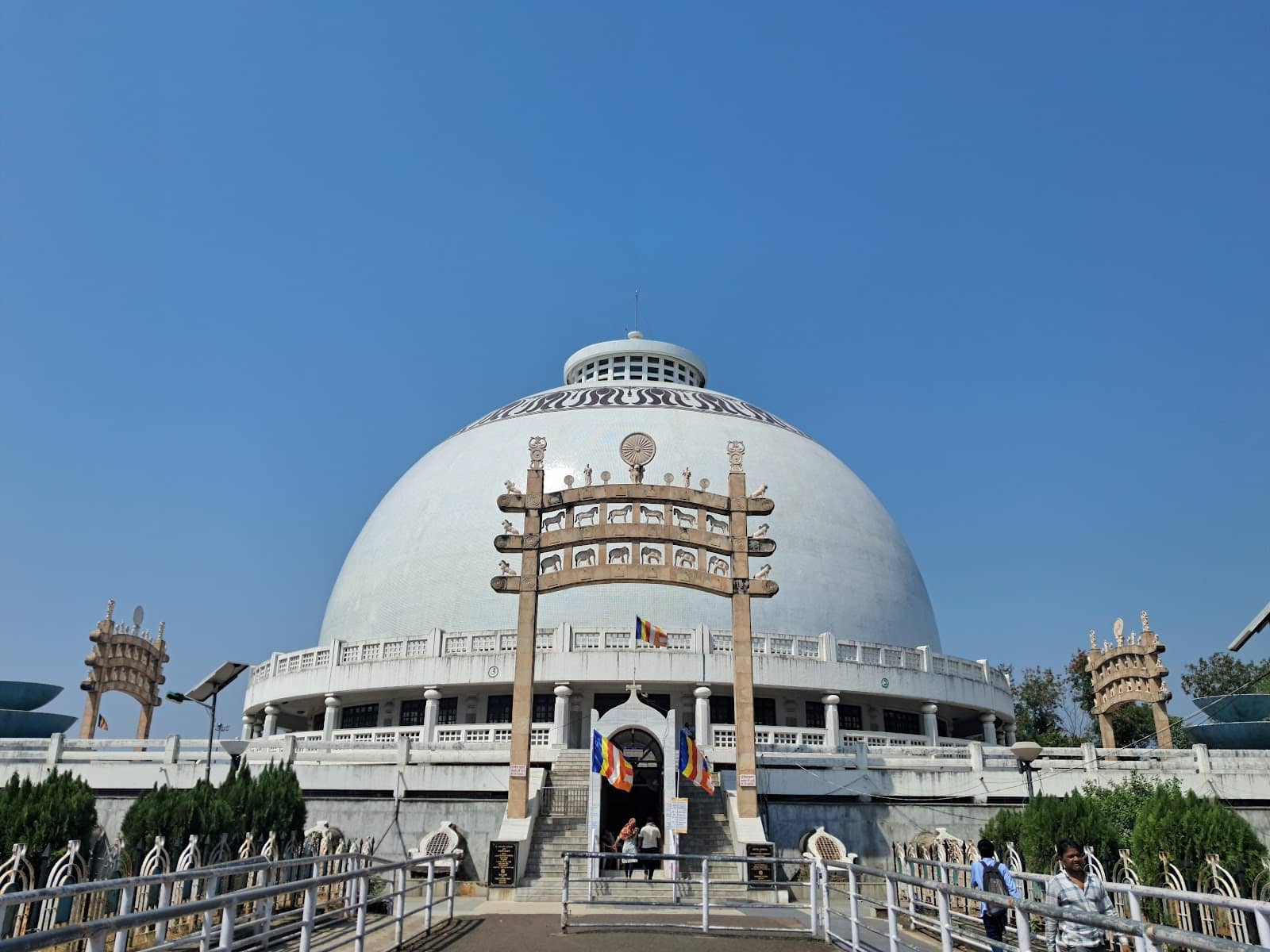
A magnificent Buddhist stupa, symbolizing peace and enlightenment. A central point of reverence and architectural beauty.
Statues of Buddha and Ashoka
Within the stupa complex
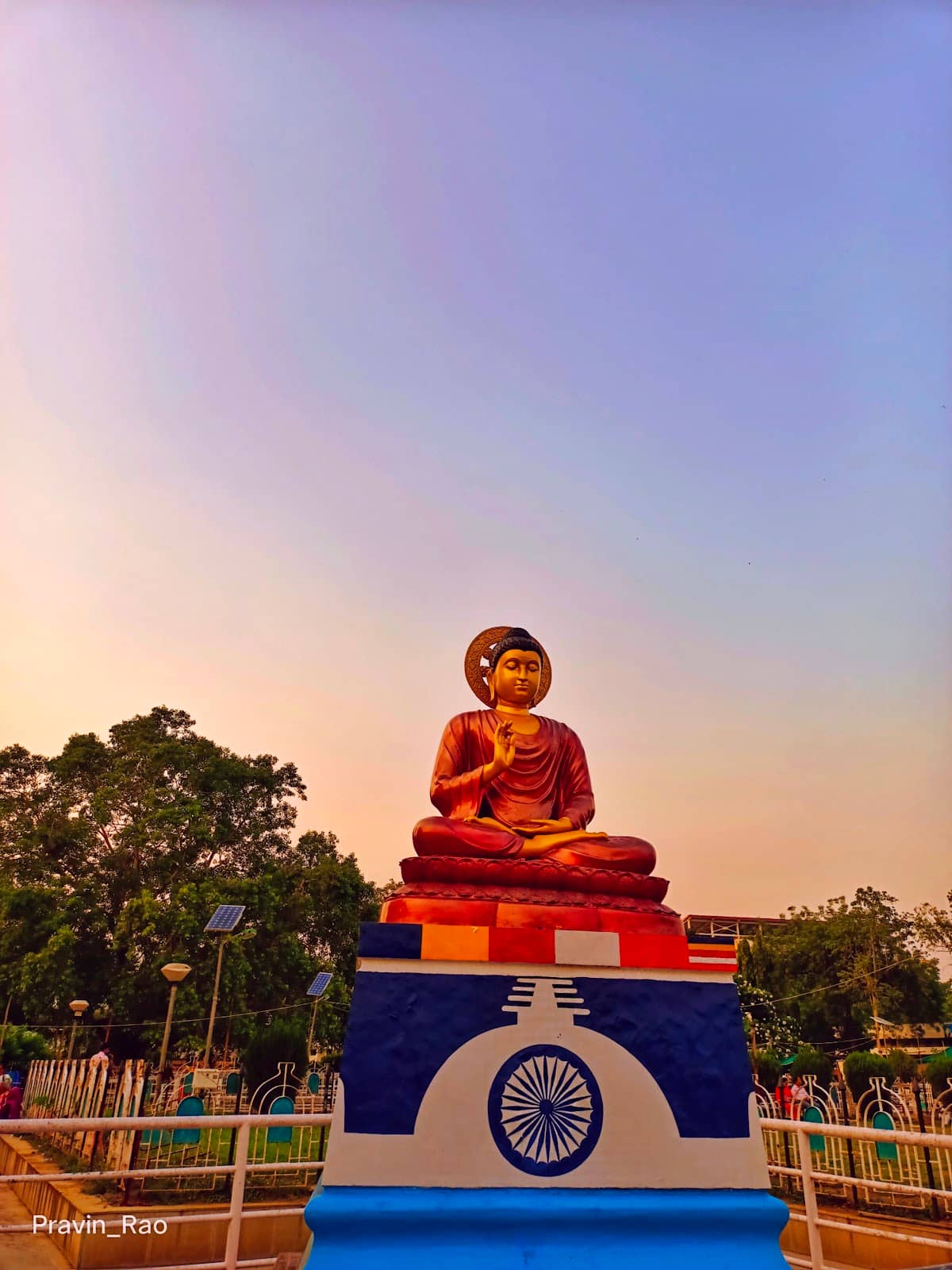
Admire serene statues of Lord Buddha and Emperor Ashoka, reflecting historical and spiritual connections.
The 22 Vows Display
Exterior walls
Read the 22 vows Dr. B.R. Ambedkar and his followers took during their conversion to Buddhism.
Preamble of the Indian Constitution
Exterior walls
See the Preamble of the Indian Constitution, a testament to Dr. Ambedkar's vision for equality.
Plans like a pro.
Thinks like you
Planning Your Visit
Timing is Key for a Peaceful Visit
Respectful Attire and Behavior
Best Times
Insider Tips
from TikTok, Instagram & Reddit
🎯 Dress Modestly
Cover shoulders and knees out of respect for this sacred site. 🙏
🚶♂️ Explore the Grounds
Take time to read the 22 vows and the Constitution's Preamble. 📜
📸 Photography Etiquette
Be mindful of where photos are allowed; some areas may be restricted. :camerawithflash:
🚗 Ample Parking Available
The spacious parking area makes arrival and departure convenient. 🚗
Tips
from all over the internet
🎯 Dress Modestly
Cover shoulders and knees out of respect for this sacred site. 🙏
🚶♂️ Explore the Grounds
Take time to read the 22 vows and the Constitution's Preamble. 📜
📸 Photography Etiquette
Be mindful of where photos are allowed; some areas may be restricted. :camerawithflash:
🚗 Ample Parking Available
The spacious parking area makes arrival and departure convenient. 🚗
🙏 Seek Inner Peace
The calm and clean environment offers a soothing spiritual experience. :lotus_flower:
What Travellers Say
Reviews Summary
Deekshabhoomi is widely praised as a peaceful, inspiring, and historically significant site in Nagpur. Visitors highlight its cleanliness, well-maintained grounds, and the profound spiritual and educational experience it offers. It's considered a must-visit for understanding a crucial part of Indian history and Buddhist heritage.
"I visited Deeksha Bhoomi in Nagpur, and it’s definitely a place that holds great historical and cultural importance. The site is known for being where Dr. B. R. Ambedkar embraced Buddhism, and inside, you can see a detailed journey of his life, from his early days to his social work and final years.
There’s a large stupa with two statues of Lord Buddha, and a statue of Emperor Ashoka nearby. Outside, the 22 vows that were used during the conversion from Hinduism to Buddhism are displayed, along with the Preamble of the Indian Constitution (in its updated version).
The area is clean, peaceful, and well-maintained, with ample parking and space for large gatherings. Whether or not you follow the ideology, the place offers an insightful look into an important part of India’s history and reform movements."
Aman SharmaJii
"Deekshabhoomi is one of the most peaceful and inspiring places in Nagpur. It is an important Buddhist monument where Dr. Babasaheb Ambedkar embraced Buddhism, making it a major historical and spiritual landmark. The area is calm, clean, and beautifully maintained, with a grand stupa that adds to its beauty.
Visiting Deekshabhoomi feels soothing and meaningful. It's a great place to relax, learn about history, and feel connected to Nagpur's culture. Overall, a must-visit spot for anyone coming to the city."
MAKRANT KAMBLE
"It's really nice to have such a wonderful stupa! Which reminds us about the historic transformation of the Great Indian Emperor Ashoka... And also religious transformation of Dr. Babasaheb Ambedkar who embraced millions of backward caste people to religion of humanity the Buddhism"
suraj sawant
What People Like
What People Dislike
Frequently Asked Questions
🚇 🗺️ Getting There
Deekshabhoomi is located in Nagpur, Maharashtra. You can reach Nagpur by air, train, or bus. From within Nagpur, auto-rickshaws and local buses are readily available to take you to the site. Many visitors find it convenient to use ride-sharing apps as well.
Yes, Deekshabhoomi offers a spacious car parking area, making it convenient for visitors arriving by private vehicles.
Local buses and auto-rickshaws are common modes of transport within Nagpur. Ride-sharing apps are also a popular and convenient option for reaching Deekshabhoomi.
🎫 🎫 Tickets & Entry
Entry to Deekshabhoomi is generally free, making it accessible to all visitors.
Deekshabhoomi is typically open throughout the day, from early morning until evening. However, it's always a good idea to check for any specific timings or holiday closures before your visit.
Yes, Deekshabhoomi is open daily. Weekdays tend to be less crowded than weekends, offering a more peaceful experience.
Visitors are expected to dress modestly and behave respectfully, as it is a sacred Buddhist site. Photography may be restricted in certain areas.
🎫 🧭 Onsite Experience
Deekshabhoomi is historically significant as the site where Dr. B.R. Ambedkar and over 300,000 of his followers converted to Buddhism on October 14, 1956. It marks a pivotal moment in Indian social and religious history.
The main attractions include the grand Buddhist stupa, statues of Lord Buddha and Emperor Ashoka, the display of the 22 vows taken during the conversion, and the Preamble of the Indian Constitution.
Yes, many visitors find Deekshabhoomi to be a very peaceful and inspiring place, ideal for quiet reflection and connecting with history.
Photography is generally permitted in the outdoor areas, but it's advisable to check for specific restrictions within the stupa or other sensitive areas.
Take your time to walk around the complex, read the inscriptions, and absorb the peaceful atmosphere. Understanding the historical context enhances the experience.
📸 📸 Photography
The grand stupa itself offers stunning photographic opportunities, especially during sunrise or sunset. The statues and the exterior inscriptions also make for great shots. 
While general photography is usually allowed, it's wise to be discreet and respectful. Check for any signs indicating restricted areas, particularly inside the main stupa.
Early morning and late afternoon offer the best natural light, creating a warm and serene ambiance for your photographs.
Social
from TikTok, Instagram & Reddit