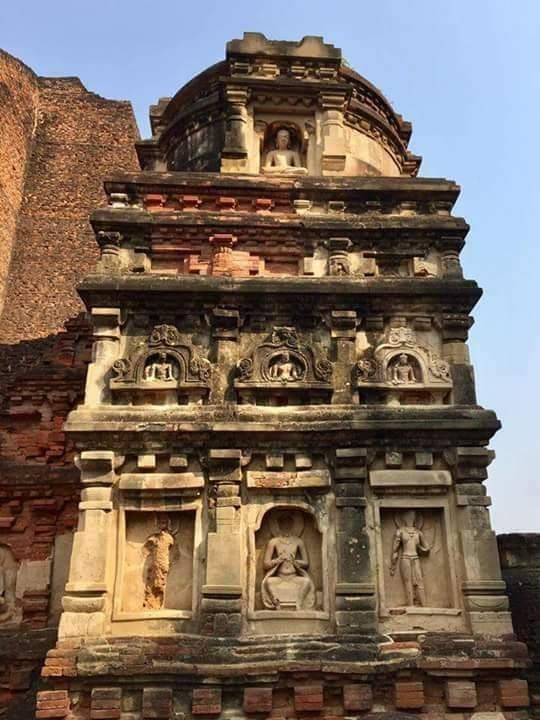
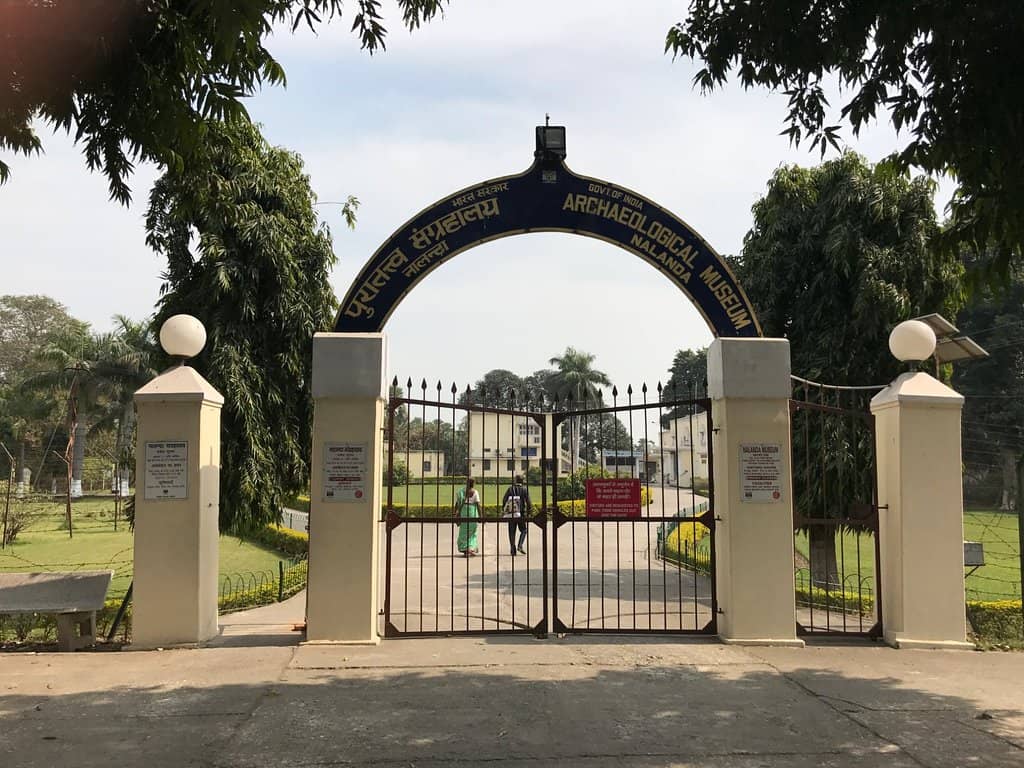
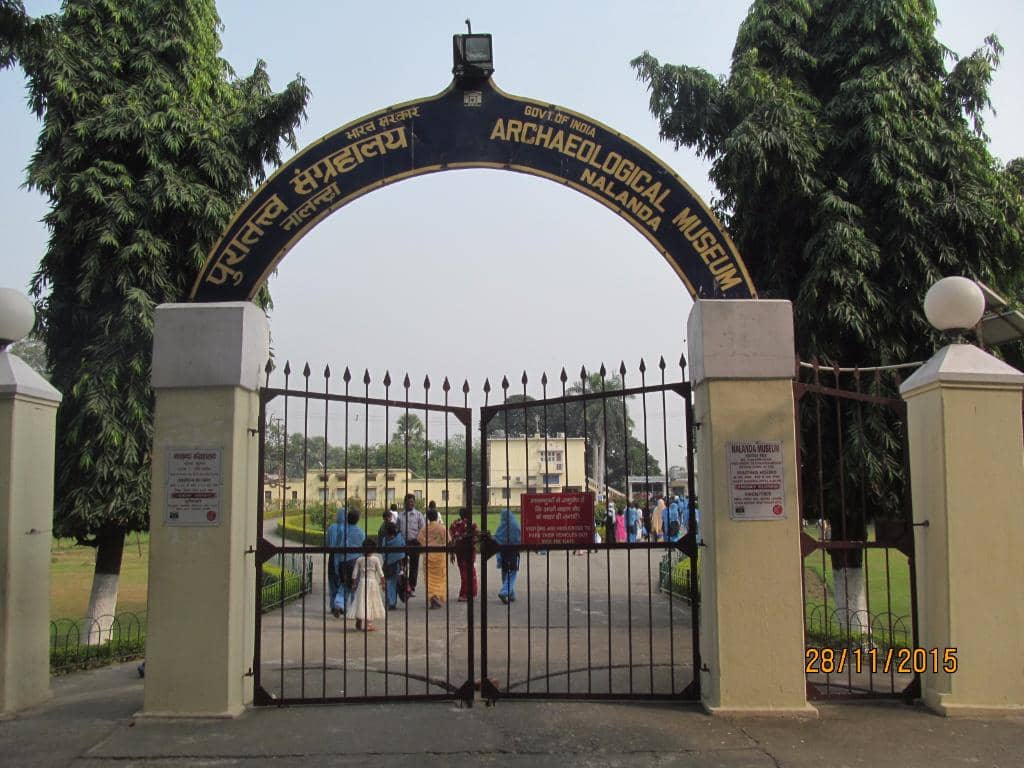
Nalanda Archaeological Museum
Discover ancient treasures from the world's first residential university, showcasing exquisite sculptures and artifacts from the Gupta and Pala eras.
Highlights
Must-see attractions

Social
From TikTok & Reddit
Best Time
Fewer crowds, peaceful exploration
Nalanda Archaeological Museum
Best Time
Fewer crowds, peaceful exploration
Highlights
Must-see attractions
Discover ancient treasures from the world's first residential university, showcasing exquisite sculptures and artifacts from the Gupta and Pala eras.
"A treasure trove of ancient artifacts offering deep insights into Buddhist art and education."
🎟️ Low Ticket Prices
Admission is very affordable, typically around Rs. 10-20, making it a budget-friendly historical site. :moneybag:
🚶♂️ Explore the Ruins Too
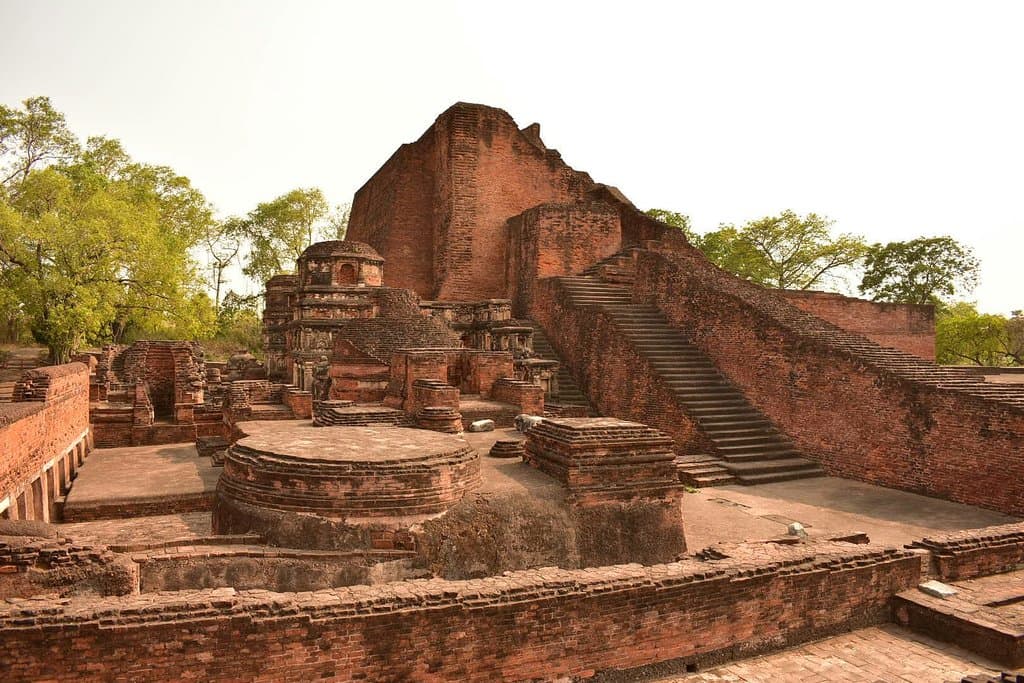
Combine your museum visit with the nearby Nalanda University ruins for a complete historical experience. :ruins:
Quick Facts
Rating
4.5 · 2,532 reviews
Type
Museum
Highlights
Discover the most iconic attractions and experiences
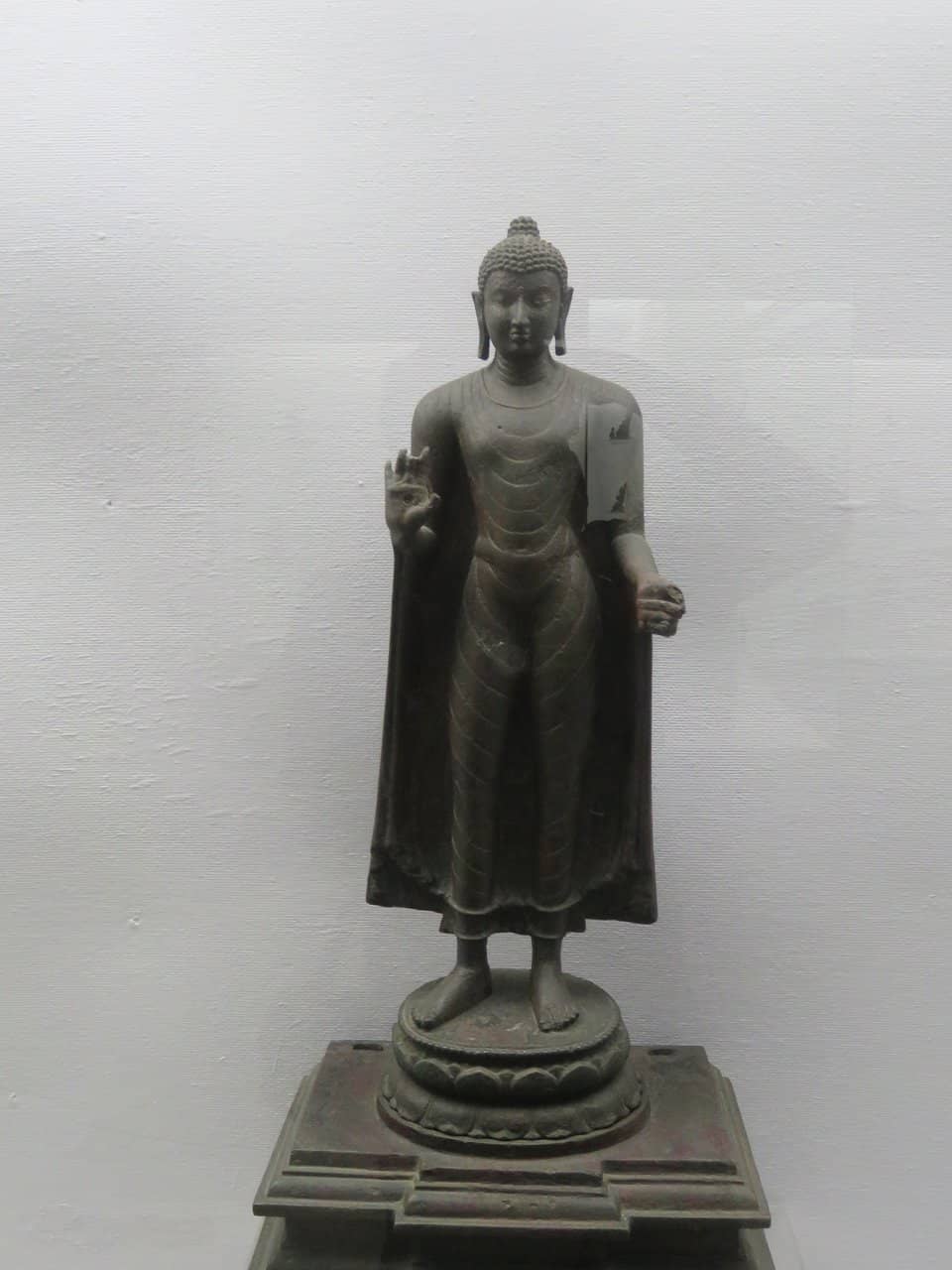
Sculptures of Buddha and Bodhisattvas
Main Exhibition Hall
Exquisite stone, bronze, and stucco sculptures showcasing the artistic brilliance of the Gupta and Pala periods.
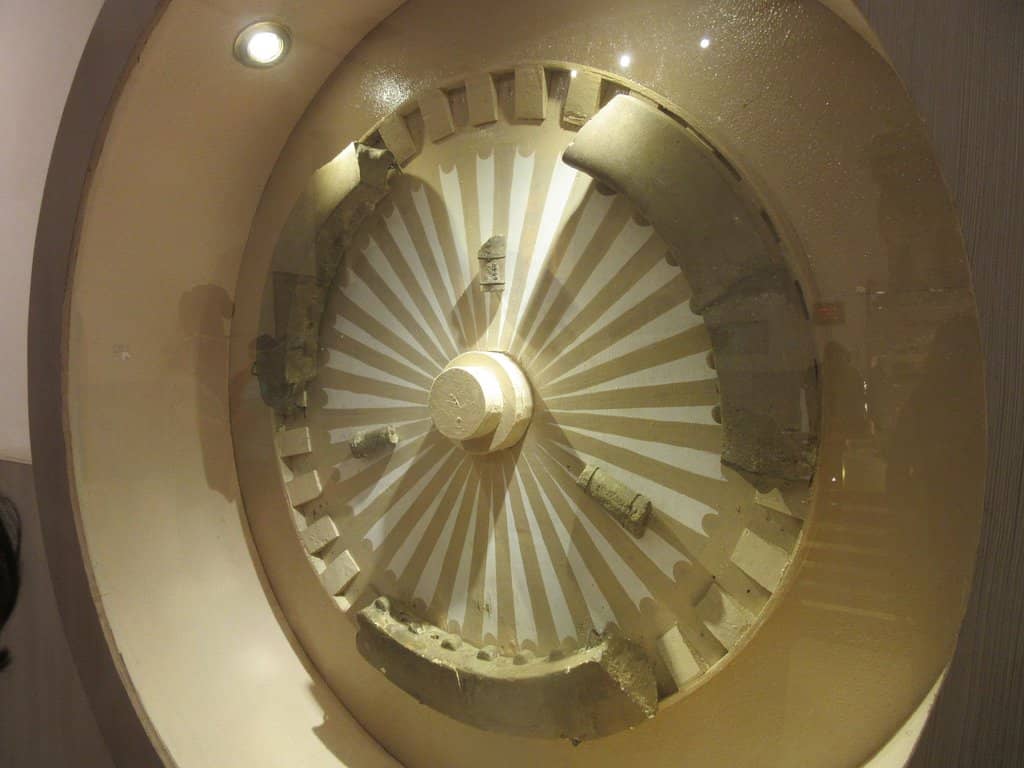
Terracotta Artifacts and Seals
Exhibition Galleries
Discover ancient pottery and seals that offer insights into the daily life and administrative systems of Nalanda University.
Coins and Inscriptions
Display Cases
Examine ancient coins and inscriptions that narrate the economic and linguistic history of the region.
Plans like a pro.
Thinks like you
Planning Your Visit
Timing Your Visit to Nalanda
Understanding Nalanda's Significance
Best Times
Insider Tips
from TikTok, Instagram & Reddit
🎟️ Low Ticket Prices
Admission is very affordable, typically around Rs. 10-20, making it a budget-friendly historical site. :moneybag:
🚶♂️ Explore the Ruins Too
Combine your museum visit with the nearby Nalanda University ruins for a complete historical experience. :ruins:
🗣️ Hire a Guide
Guides are available to provide deeper insights into the artifacts and the history of Nalanda University. :man_teacher:
📸 Capture the History
The museum offers great photo opportunities of ancient sculptures and artifacts. :camerawithflash:
Tips
from all over the internet
🎟️ Low Ticket Prices
Admission is very affordable, typically around Rs. 10-20, making it a budget-friendly historical site. :moneybag:
🚶♂️ Explore the Ruins Too
Combine your museum visit with the nearby Nalanda University ruins for a complete historical experience. :ruins:
🗣️ Hire a Guide
Guides are available to provide deeper insights into the artifacts and the history of Nalanda University. :man_teacher:
📸 Capture the History
The museum offers great photo opportunities of ancient sculptures and artifacts. :camerawithflash:
What Travellers Say
Reviews Summary
Visitors praise the Nalanda Archaeological Museum for its rich collection of ancient artifacts, particularly the sculptures from the Gupta and Pala periods, offering deep insights into the history of Nalanda University. The low ticket prices and well-maintained exhibits are frequently highlighted as positives. Some visitors note that the museum is small, but its contents are significant.
"The museum houses over 13,000 antiquities excavated from Nalanda and surrounding areas, dating back to the 5th to 12th centuries CE. Among its prized possessions are exquisite sculptures of Lord Buddha, Bodhisattvas, and Hindu deities carved in stone, bronze, and stucco. The beautifully crafted images reflect the artistic brilliance of the Gupta and Pala periods. The museum also displays terracotta artifacts, inscriptions, seals, and coins that narrate the university's vibrant academic and cultural life."
Prahlad Kumar
"Nalanda Archaeological Museum is a treasure trove of ancient artifacts from the Nalanda University ruins. It houses sculptures, coins, pottery, & bronze Buddha statues, offering deep insights into Buddhist art and education... A well-maintained museum that enriches the historical experience of visiting Nalanda..."
Khushal Jethwani
"The Nalanda University was established during the Gupta Empire era and flourished for over 800 years. It was a renowned center of learning, attracting students from across Asia, including China, Mongolia, Tibet, and Korea. The university offered courses in various subjects, including Buddhism, grammar, medicine, logic, and mathematics. It was destroyed by invaders led by Bakhtiyar Khilji at the end of the 12th century.
Some appreciate the opportunity to sit in lecture halls and imagine the learning that took place there."
Ashish Prasad
What People Like
What People Dislike
Frequently Asked Questions
🚇 🗺️ Getting There
The museum is located near the Nalanda University ruins in Bihar, India. You can reach it by road from major cities like Patna (approx. 90 km) or Gaya (approx. 70 km). Taxis and local buses are available. 🚌 🚗
Yes, the museum is generally accessible by road. The nearest major railway stations are in Gaya and Patna, from where you can hire a taxi or take a bus. 🚂
From Patna, you can hire a taxi for a direct trip to Nalanda, which takes about 2-3 hours. Alternatively, you can take a bus from Patna to Bihar Sharif and then a local auto-rickshaw to Nalanda. 🚗 🚌
The nearest airports are Gaya Airport (GAY) and Jay Prakash Narayan International Airport in Patna (PAT). From these airports, you would need to arrange road transport to Nalanda. ✈️
Yes, Nalanda is a popular day trip from Bodh Gaya, approximately a 2-hour drive. Many tourists combine visits to both sites. :sunriseovermountains:
🎫 🎫 Tickets & Entry
Ticket prices are very affordable, typically around Rs. 10-20 per person, making it an accessible historical site for all visitors. 🎟️
The museum is generally open from 10 AM to 5 PM, but it's advisable to check the latest timings before your visit, as they can vary. It is usually closed on Mondays. :clock1:
Advance booking is usually not required for Nalanda Archaeological Museum due to its low ticket prices and high capacity. You can purchase tickets at the counter upon arrival. 💳
There might be a slight difference in ticket prices for Indian citizens and foreign nationals, but both are generally very reasonable. :flag_in:
Photography is usually allowed inside the museum, but it's always a good idea to check for any specific restrictions on flash photography or certain exhibits. :camerawithflash:
🎫 🏛️ Onsite Experience
The museum houses over 13,000 artifacts, including sculptures of Buddha and Bodhisattvas, terracotta items, seals, coins, and inscriptions from the ancient Nalanda University. :statueofliberty:
To fully appreciate the exhibits, allocate at least 1-2 hours for the museum. If you plan to visit the nearby ruins as well, budget for half a day. :stopwatch:
Yes, licensed guides are often available at the site who can provide detailed information about the artifacts and the history of Nalanda University. :man_teacher:
Reviews suggest that the museum is generally well-maintained, with artifacts displayed clearly and the premises kept tidy. ✨
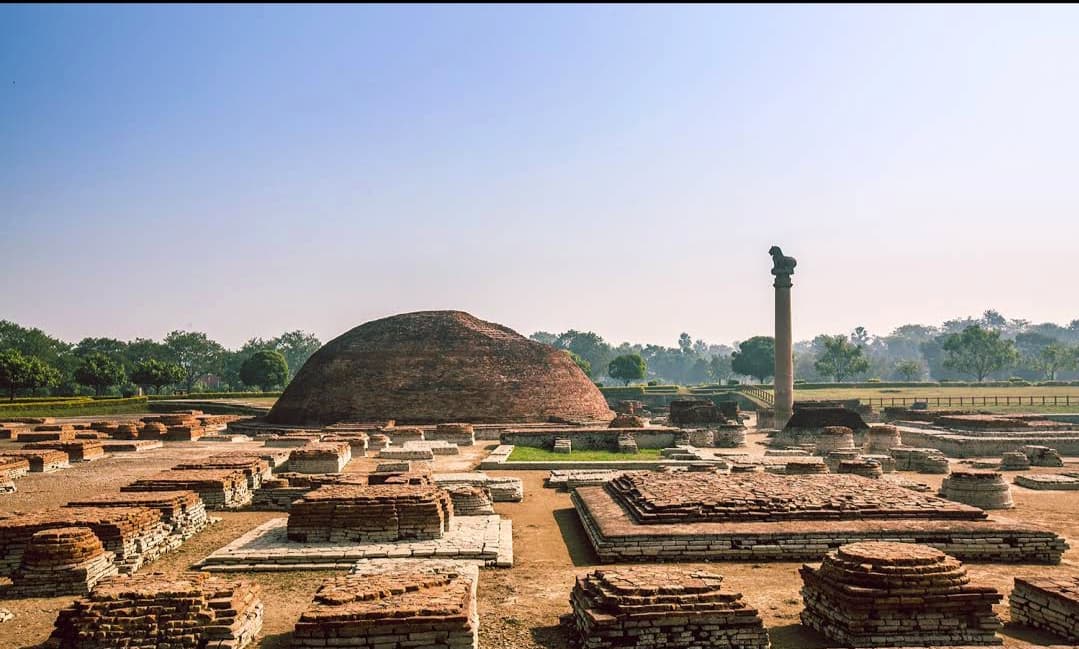
The museum preserves artifacts from Nalanda University, once the world's first residential university, attracting scholars from across Asia and flourishing for over 800 years. 📜
🍽️ 🍽️ Food & Dining
There are limited food options directly at the museum. However, you can find local eateries and dhabas in the nearby town of Nalanda or Bihar Sharif offering basic Indian cuisine. :foodie:
Expect to find traditional North Indian dishes, including vegetarian options. It's advisable to carry snacks and water, especially if you plan to spend a longer time exploring the ruins. 🍞
For an authentic local experience, trying a well-regarded local dhaba can be rewarding. However, exercise caution and choose places that appear clean and busy. :chef_hat:
Fine dining options are scarce in the immediate vicinity. For more variety, you might need to travel back to larger towns like Bihar Sharif or Rajgir. :wine_glass:
While not explicitly prohibited, it's generally best to consume outside the museum galleries to maintain the cleanliness and sanctity of the exhibits. :water_wave:
📸 📸 Photography
Photography is generally permitted inside the museum, but check for any specific signs regarding flash photography or restricted areas. :camerawithflash:
Focus on the intricate details of the ancient sculptures, the terracotta artifacts, and the historical inscriptions. The bronze Buddha statues are particularly photogenic. :gem_stone:
The main exhibition halls with the larger sculptures and the display cases featuring smaller artifacts offer excellent photographic opportunities. :frame_photo:
Drone usage is typically restricted at historical and archaeological sites for security and preservation reasons. It's best to avoid bringing drones. :noentrysign:
A standard DSLR or mirrorless camera with a versatile lens (e.g., 24-70mm) is ideal. A smartphone camera will also capture good images, especially in good lighting. :iphone:
Social
from TikTok, Instagram & Reddit