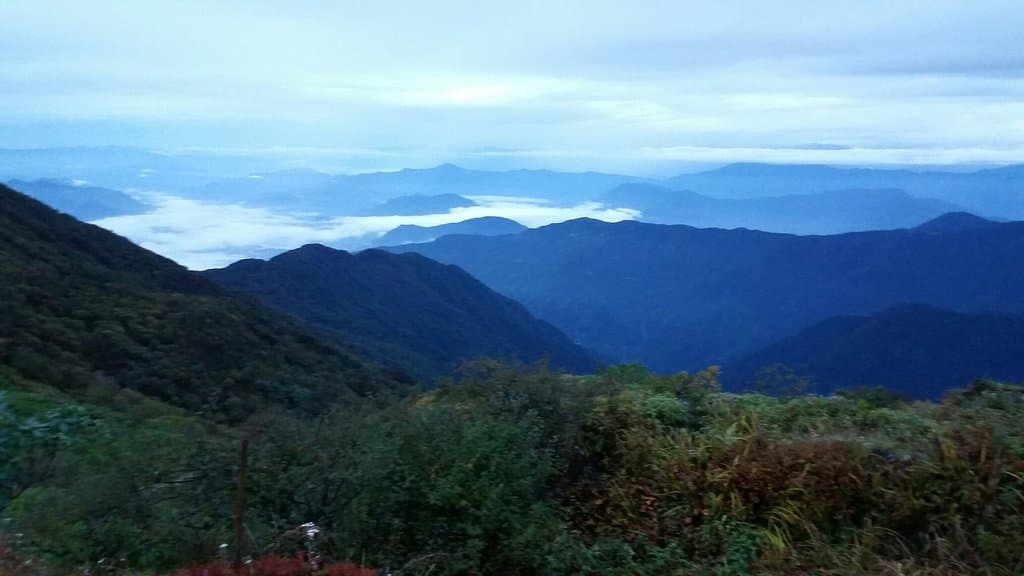
Gnathang Valley Sikkim
A serene high-altitude paradise in Sikkim, offering breathtaking Kanchenjunga sunrises and authentic cultural homestay experiences.
Highlights
Must-see attractions

Social
From TikTok & Reddit
Best Time
Pleasant weather, blooming flowers
Gnathang Valley Sikkim
Best Time
Pleasant weather, blooming flowers
Highlights
Must-see attractions
A serene high-altitude paradise in Sikkim, offering breathtaking Kanchenjunga sunrises and authentic cultural homestay experiences.
Carry Cash 💰
ATMs are non-existent. Carry enough Indian Rupees for your entire stay. Card payments are rare.
Pack Warm Layers 🧥
Evenings get chilly. Pack woolens, jackets, and thermals. Altitude sickness is real, so be prepared.
Quick Facts
Highlights
Discover the most iconic attractions and experiences
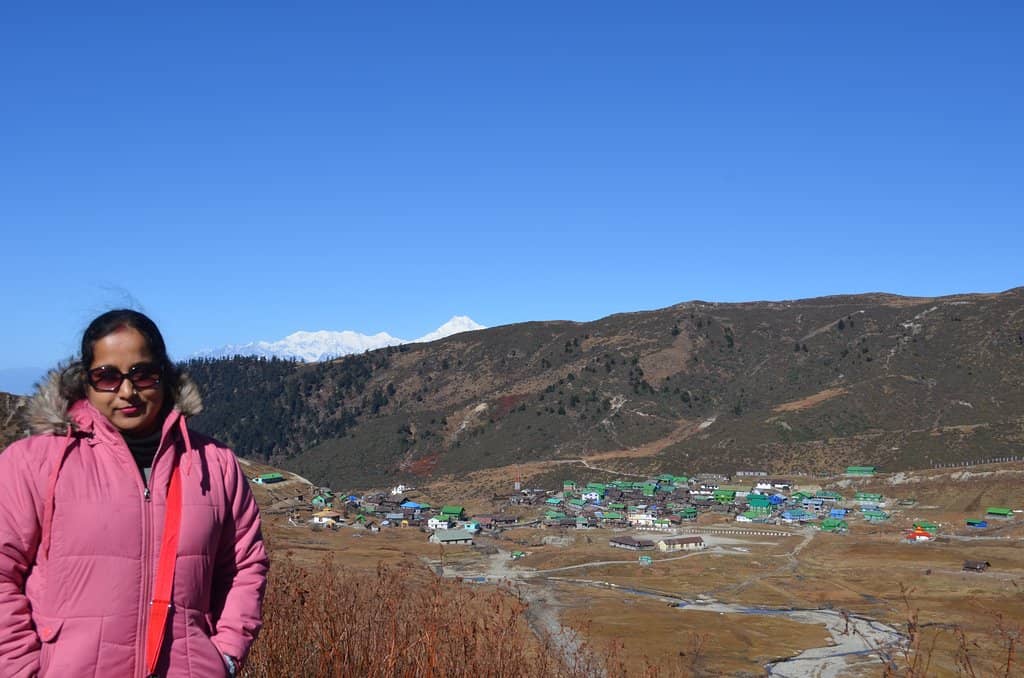
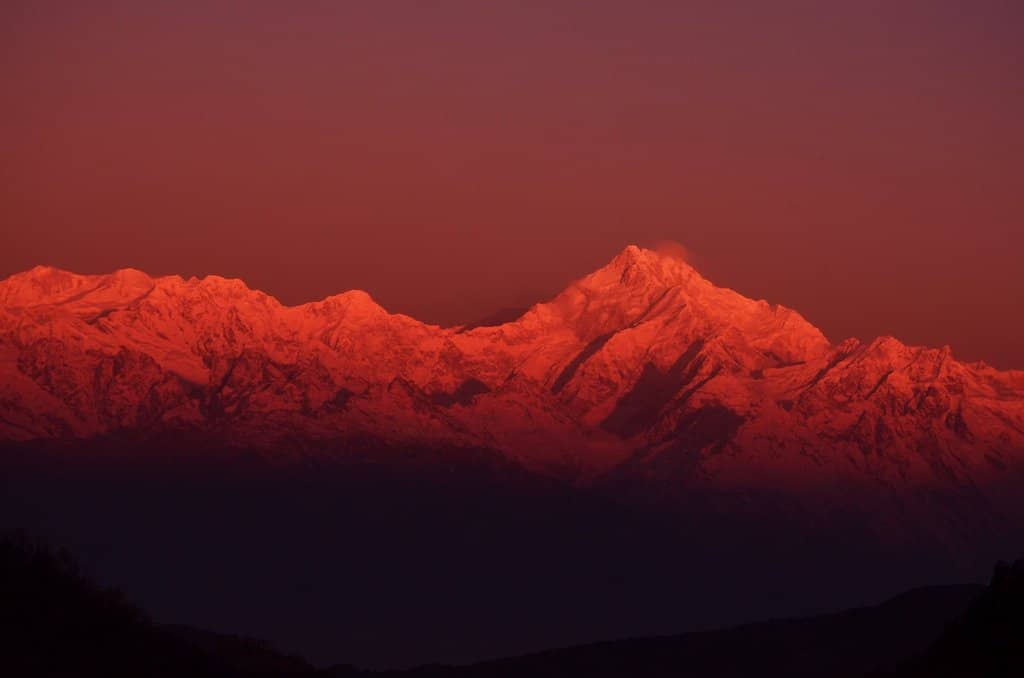
Sunrise Over Kanchenjunga
Various viewpoints
Witness the majestic Kanchenjunga bathed in golden hues as the sun rises. A truly breathtaking spectacle.
Old Gnathang Monastery
Gnathang Village
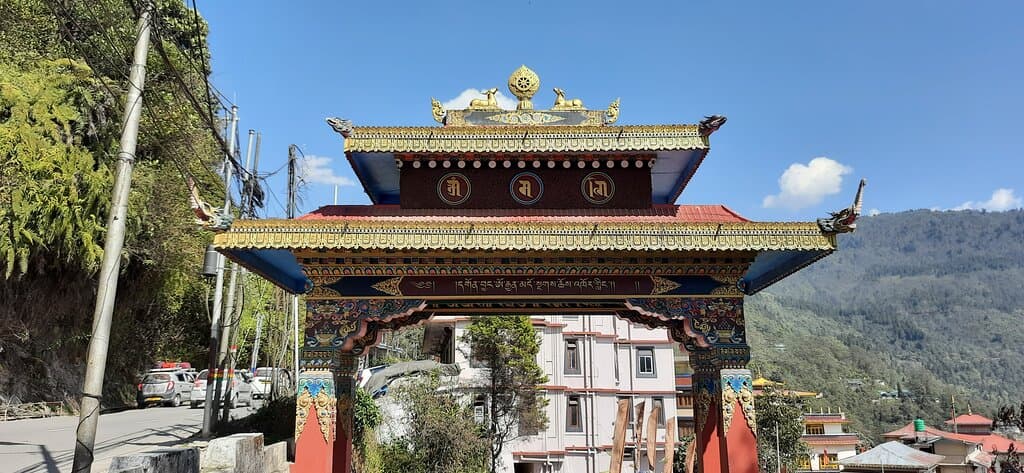
A serene Buddhist monastery offering a glimpse into local spirituality and history. Peaceful and picturesque.
Yak Safari Experience
Open meadows
Enjoy a unique and gentle ride on a yak through the scenic valley. A memorable way to explore the landscape.
Plans like a pro.
Thinks like you
Planning Your Visit
Embrace the Altitude
Connectivity & Comfort
Best Times
Insider Tips
from TikTok, Instagram & Reddit
Carry Cash 💰
ATMs are non-existent. Carry enough Indian Rupees for your entire stay. Card payments are rare.
Pack Warm Layers 🧥
Evenings get chilly. Pack woolens, jackets, and thermals. Altitude sickness is real, so be prepared.
Respect Local Culture 🙏
Dress modestly when visiting monasteries. Ask permission before taking photos of locals.
Stay Hydrated 💧
Drink plenty of water to help with acclimatization. Avoid alcohol and smoking initially.
Tips
from all over the internet
Carry Cash 💰
ATMs are non-existent. Carry enough Indian Rupees for your entire stay. Card payments are rare.
Pack Warm Layers 🧥
Evenings get chilly. Pack woolens, jackets, and thermals. Altitude sickness is real, so be prepared.
Respect Local Culture 🙏
Dress modestly when visiting monasteries. Ask permission before taking photos of locals.
Stay Hydrated 💧
Drink plenty of water to help with acclimatization. Avoid alcohol and smoking initially.
What Travellers Say
Reviews Summary
Gnathang Valley is lauded for its breathtaking natural beauty, especially the majestic sunrise views of Kanchenjunga and the serene, untouched landscapes. Visitors rave about the authentic cultural immersion through homestays and the warm hospitality of the locals. However, the high altitude can be challenging, and the limited connectivity and basic amenities require preparedness.
What People Like
What People Dislike
Frequently Asked Questions
🚇 🗺️ Getting There
The most common way to reach Gnathang Valley from Gangtok is by hiring a private taxi or joining a shared jeep tour. The journey takes approximately 4-5 hours and offers scenic views of the Sikkim Himalayas. Ensure your vehicle is permitted for the route, as some areas require special permits.
Public transport directly to Gnathang Valley is limited. Travelers typically rely on pre-booked taxis or tour packages from Gangtok or Siliguri. Shared taxis might be an option, but require more flexibility and local inquiry.
Yes, a Restricted Area Permit (RAP) or Inner Line Permit (ILP) is required for foreign nationals and sometimes for Indian nationals to visit Gnathang Valley and surrounding areas. This is usually arranged by your tour operator or hotel in Gangtok.
Driving your own vehicle is possible, but be prepared for challenging road conditions, especially during monsoon. Ensure your vehicle is well-maintained and you have the necessary permits. Hiring a local driver is often recommended for ease and safety.
The nearest airport is Bagdogra Airport (IXB) in West Bengal, which is about a 5-6 hour drive from Gangtok, the gateway to Gnathang Valley. From Gangtok, you'll need to arrange further transport.
🎫 🎫 Tickets & Entry
There isn't a direct entry fee for Gnathang Valley itself. However, you will need to pay for permits to enter the restricted area, which are typically included in tour packages or arranged by your accommodation. The cost of permits can vary.
Gnathang Valley is an open area and doesn't have fixed opening or closing hours. However, travel is generally restricted during heavy snowfall in winter and often best during daylight hours for safety and visibility.
It is highly recommended to book accommodation in advance, especially during peak tourist seasons (spring and autumn). Options are limited, primarily consisting of homestays and basic guesthouses.
There are no specific age restrictions for visiting Gnathang Valley. However, due to the high altitude, it's advisable for infants, elderly individuals, and those with pre-existing respiratory or cardiac conditions to consult a doctor before traveling.
No, permits for Gnathang Valley cannot be obtained on arrival. They must be arranged in advance, typically through your tour operator or hotel in Gangtok, before you commence your journey.
🎫 🧭 Onsite Experience
Accommodation in Gnathang Valley primarily consists of cozy homestays and basic guesthouses. Expect simple, clean rooms, often with shared bathrooms. Many offer delicious home-cooked meals, providing an authentic local experience.
Popular activities include witnessing the sunrise over Kanchenjunga, visiting the Old Gnathang Monastery, enjoying a yak safari, and exploring the serene landscapes. Birdwatching and short hikes are also enjoyable.
Mobile network coverage is very limited and often unreliable in Gnathang Valley. Some BSNL postpaid connections might work intermittently. It's best to prepare for a digital detox and inform loved ones about potential communication blackouts.
Exploring Gnathang Valley is best done on foot to soak in the tranquility and natural beauty. For longer distances or specific viewpoints, hiring a local guide with a vehicle or taking a yak ride are excellent options.
Medical facilities in Gnathang Valley are very basic. There are no hospitals or advanced clinics. It's crucial to carry a personal first-aid kit and any necessary medications. In case of emergencies, evacuation to Gangtok might be required.
🍽️ 🍽️ Food & Dining
Food in Gnathang Valley is typically local and home-cooked, often served at homestays. Expect simple yet delicious Sikkimese cuisine, including momos, thukpa, and local vegetables. Non-vegetarian options are usually available.
Gnathang Valley is a small village, and dedicated restaurants are scarce. Most visitors dine at their homestays, which offer a communal and authentic culinary experience. Some small eateries might be present, but options are limited.
Yes, vegetarian food is readily available. Local Sikkimese cuisine often features a variety of vegetable dishes, dal, and rice. Inform your host in advance about any dietary preferences or restrictions.
Don't miss trying the local momos (dumplings), thukpa (noodle soup), and various vegetable preparations. If you're adventurous, try 'gundruk' (fermented leafy green vegetable) or 'sishnu' (nettle soup).
While some basic snacks and bottled water might be available at homestays or small local shops, it's advisable to carry a few of your preferred snacks and a reusable water bottle. Refill stations are not common.
📸 📸 Photography
The entire valley offers stunning photographic opportunities. Key spots include viewpoints for sunrise over Kanchenjunga, the Old Gnathang Monastery, yak grazing fields, and the winding roads leading into the valley. Golden hour is magical here.
A wide-angle lens is great for capturing the expansive landscapes. A telephoto lens can be useful for distant mountain peaks and wildlife. Don't forget extra batteries, as charging facilities can be limited. A sturdy tripod is recommended for sunrise shots.
Generally, photography is allowed in open areas. However, always be respectful when photographing people, especially monks or locals. Always ask for permission before taking close-up portraits. Photography inside monasteries might be restricted.
Sunrise is unparalleled for capturing Kanchenjunga. Early mornings and late afternoons (golden hours) offer soft, beautiful light for landscapes. Midday can be harsh, but good for capturing details and village life.
Drone usage might be restricted in certain areas, especially near monasteries or sensitive border regions. It's advisable to check local regulations and obtain necessary permissions before flying a drone. Respect local privacy and avoid disturbing wildlife.



Social
from TikTok, Instagram & Reddit