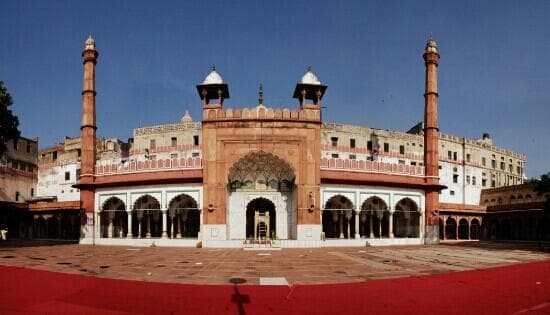
Fatehpuri Masjid Delhi
An elegant 17th-century Mughal mosque in Old Delhi, offering serene architecture and historical depth amidst bustling Chandni Chowk.
Highlights
Must-see attractions

Social
From TikTok & Reddit
Best Time
Serene atmosphere, fewer crowds
Fatehpuri Masjid Delhi
Best Time
Serene atmosphere, fewer crowds
Highlights
Must-see attractions
An elegant 17th-century Mughal mosque in Old Delhi, offering serene architecture and historical depth amidst bustling Chandni Chowk.
"A beautiful and peaceful escape from the bustling streets nearby, with impressive Mughal architecture."
🚶♀️ Explore Chandni Chowk
Combine your visit with exploring the vibrant markets and food stalls of Chandni Chowk nearby. 🍽️
👟 Remove Shoes
Remember to take off your shoes before entering the prayer hall. :athletic_shoe:
Quick Facts
Highlights
Discover the most iconic attractions and experiences
Mughal Architecture
Main Prayer Hall
Admire the elegant red sandstone structure, onion-shaped domes, and intricate calligraphic inscriptions.
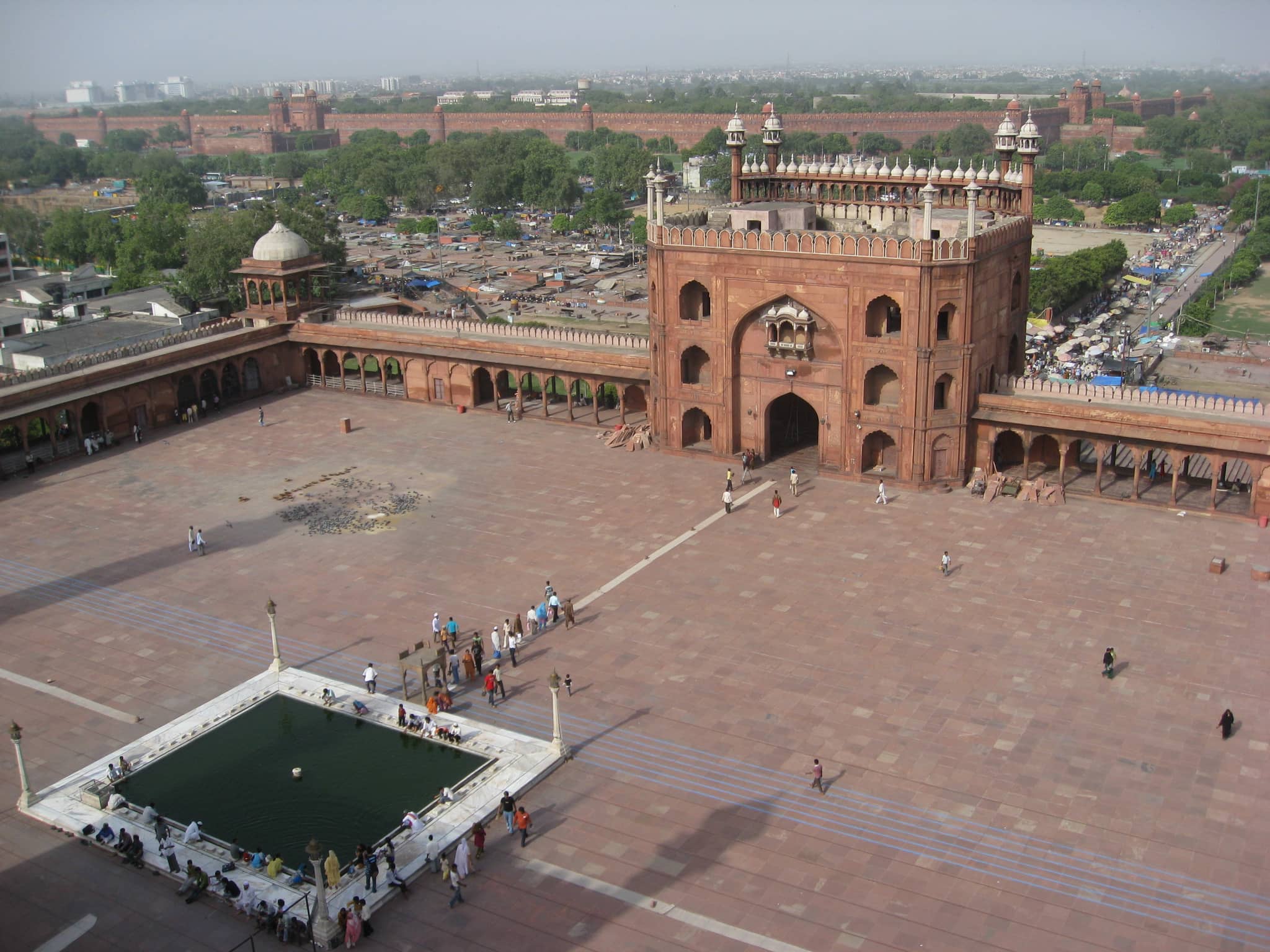
Tranquil Courtyard
Central Courtyard
Find a peaceful escape from Chandni Chowk's bustle in this serene space perfect for reflection.
Historical Significance
Throughout the Masjid
Connect with centuries of history, from Mughal grandeur to post-1857 transformations.
Plans like a pro.
Thinks like you
Planning Your Visit
Timing Your Visit to Fatehpuri Masjid
Respectful Attire and Conduct
Best Times
Insider Tips
from TikTok, Instagram & Reddit
Best time to visit Jama Masjid?
As Ramadan is currently going on, on which days can we get good food near Jama Masjid? And please recommend your favourites as well!
🚶♀️ Explore Chandni Chowk
Combine your visit with exploring the vibrant markets and food stalls of Chandni Chowk nearby. 🍽️
👟 Remove Shoes
Remember to take off your shoes before entering the prayer hall. :athletic_shoe:
I have never been to Jama Masjid side , today I have a plan to go there to get good food need suggestion where to get good food
Aslam butter chicken , Kareem is also must Try ashok chaat in chawri bazaar Best sweets from chaina ram fatehpuri is legit must Gianis faluuda Barabar me ice cream wala is also good Sitaram kachori wale Gujarat namkeen batsabula chowk Ruhaani bhtter chicken wale Jawahar hotel…
Going to jama masjid
Going jama masjid today for first time ... Suggest krdo chicken kahan accha khane layak hai aur mutton bhi... specially mutton... service bhi thoda consider krna ye nhi ki kuch bhi daldia aur bad me sun nhi rhe . And also in budget Update - thnx guys for all your suggestions ,…
🕌 Modest Dress Code
Dress respectfully, covering shoulders and knees. :womanintunic:
📸 Photography Etiquette
Be mindful of worshippers when taking photos. :camerawithflash:
Tips
from all over the internet
🚶♀️ Explore Chandni Chowk
Combine your visit with exploring the vibrant markets and food stalls of Chandni Chowk nearby. 🍽️
👟 Remove Shoes
Remember to take off your shoes before entering the prayer hall. :athletic_shoe:
🕌 Modest Dress Code
Dress respectfully, covering shoulders and knees. :womanintunic:
📸 Photography Etiquette
Be mindful of worshippers when taking photos. :camerawithflash:
What Travellers Say
Reviews Summary
Visitors praise Fatehpuri Masjid for its serene atmosphere, beautiful Mughal architecture, and historical significance, offering a peaceful escape from the bustling Chandni Chowk. It's noted as being less crowded than Jama Masjid, making it a more tranquil experience for reflection and exploration. Some find the surrounding markets overwhelming, but the mosque itself is consistently well-regarded.
"Historic mosque in Chandni chowk.. built sometime in 1650s.. from the Shahjahan era."
Rajat Srivastava
"Old Delhi , my birth place. It has a different place in my heart. The memories of old Delhi will never fade away. Nowadays so many reels are getting viral to visit old Delhi and it's food. But we have experienced authentic and true tatse of old Delhi. Whether it's food or the fairs held here. Like the famous Ramleela. I went there to buy some dry fruits, suits and kanha ji dress. Had some chole kulche and ramladoo."
Anjali Pahal
"Fatehpuri Masjid, one of Delhi’s oldest and most revered mosques, was constructed in 1650 by Fatehpuri Begum, a wife of the Mughal Emperor Shah Jahan, who also commissioned the Taj Mahal. Named after its founder, Fatehpuri Masjid stands at the western end of the bustling Chandni Chowk, opposite the monumental Red Fort and facing Jama Masjid across the old city. This masjid showcases the intricate Mughal architectural style, specifically with its red sandstone structure, onion-shaped domes, and beautifully arched gateways.
Architectural Features: Fatehpuri Masjid’s architecture is modest yet impressive, embodying the classic simplicity of Mughal aesthetics. The mosque features a central courtyard surrounded by arched galleries, with three large domes topping the main prayer hall. The walls are adorned with calligraphic inscriptions, and the traditional mihrab (prayer niche) inside the hall is decorated with minimalistic yet elegant carvings. Unlike the Jama Masjid, Fatehpuri Masjid has a single prayer hall, but its architecture allows ample natural light and ventilation, making it a peaceful and inviting space for worship.
Historical Significance: Fatehpuri Masjid has stood as a silent witness to Delhi’s transformations, from the grandeur of the Mughal era to British colonial rule and post-independence India. After the First War of Indian Independence in 1857, British forces seized the mosque, converting it into a military base and storehouse as part of a larger effort to suppress the city’s Muslim community. Subsequently, the British auctioned it to Rai Lala Chunnamal, a prominent local businessman and one of the few wealthy individuals allowed to remain in the Chandni Chowk area after the uprising.
In 1877, in recognition of its religious significance and as a goodwill gesture to the Muslim community, the British returned the masjid to its original purpose through negotiations funded by the Nawab of Rampur, a well-known patron of art, culture, and religious institutions.
Cultural and Religious Role: Over the centuries, Fatehpuri Masjid has served as an essential spiritual and educational center for the Muslim community in Delhi. The masjid houses a madrasa (Islamic school), which has historically attracted students from all over the region. In addition to regular prayers, the masjid is a gathering point for Friday congregational prayers, Eid celebrations, and other significant religious events. The mosque’s tranquil courtyard provides a place for reflection amidst the surrounding hustle and bustle of Chandni Chowk’s market streets, drawing not only worshippers but also travelers, photographers, and history enthusiasts.
Present-Day Fatehpuri Masjid: Today, Fatehpuri Masjid remains a well-preserved monument, revered both as a functioning mosque and a historic site. The masjid is managed by the local community, with ongoing efforts to maintain its architectural integrity and spiritual atmosphere. During Ramzan, the masjid comes alive with devotees who gather for iftar and tarawih prayers, creating an atmosphere that resonates with Delhi’s rich Islamic traditions.
Visitors to Fatehpuri Masjid often enjoy its proximity to the cultural heart of Old Delhi. Surrounded by traditional markets, iconic eateries, and centuries-old shops, the masjid is integral to the living heritage of the area. Fatehpuri Masjid stands as both a piece of Mughal history and a testament to the resilience and continuity of Delhi’s Islamic culture, drawing visitors who seek a glimpse into the city’s layered past and its enduring cultural diversity."
Mustaque Ahmed
What People Like
What People Dislike
Frequently Asked Questions
🚇 🗺️ Getting There
Fatehpuri Masjid is located at the western end of Chandni Chowk. You can reach it via the Delhi Metro, alighting at Chandni Chowk station (Yellow Line) and then taking a short auto-rickshaw or cycle-rickshaw ride. It's also accessible by bus and taxi. Be prepared for the bustling traffic and crowds typical of Old Delhi.
Yes, Fatehpuri Masjid is situated opposite the Red Fort, at the other end of Chandni Chowk. This makes it convenient to visit both historical sites in one trip.
Navigating Chandni Chowk can be an adventure! Auto-rickshaws and cycle-rickshaws are common for shorter distances. Walking is also an option if you enjoy soaking in the market atmosphere, but be aware of the crowds.
Parking in Old Delhi is notoriously difficult. It's advisable to use public transport like the metro or a ride-sharing service rather than driving your own vehicle.
Yes, taxis and ride-sharing services like Uber and Ola are readily available in Delhi and can drop you off near Chandni Chowk. From there, you might need a short rickshaw ride to the mosque itself.
🎫 🎫 Tickets & Entry
No, there is no entry fee to visit Fatehpuri Masjid. It is a functioning mosque and open to all visitors free of charge.
Fatehpuri Masjid is generally open from 5:00 AM to 9:30 PM daily, allowing ample time for visitors to explore and for worshippers to offer prayers.
No advance booking is required as there is no entry fee. You can visit anytime during its opening hours.
While generally open, access might be restricted during peak prayer times or special religious ceremonies. It's always respectful to be mindful of ongoing prayers.
Yes, visiting during Ramzan or Eid can offer a unique cultural experience, but expect significantly larger crowds. The mosque is a central site for Eid celebrations.
🎫 🧭 Onsite Experience
Visitors are expected to dress modestly. This means covering your shoulders and knees. Scarves are often available for women to cover their heads if needed.
Yes, you must remove your shoes before entering the prayer hall or any part of the mosque where prayer takes place. Shoe racks are usually available.
Photography is generally permitted in the courtyard and exterior areas, but it's crucial to be respectful and avoid photographing people, especially during prayer. Ask permission if unsure.
It's generally less crowded than Jama Masjid, offering a more serene experience. However, it can get busy during prayer times, weekends, and festivals.
Look for the red sandstone structure, the elegant onion-shaped domes, the arched gateways, and the intricate calligraphic inscriptions. The central courtyard is also a highlight.
🍽️ 🍽️ Food & Dining
The area around Fatehpuri Masjid, within Chandni Chowk, is a food paradise. You can find everything from street food like chole bhature and kebabs to traditional Mughlai cuisine. Haji Hussain's shop and Qureshi's are popular for fried chicken and kebabs respectively.
Absolutely! Chandni Chowk is famous for its affordable and delicious street food. Look for local eateries and street vendors for authentic and budget-friendly meals.
Don't miss out on kebabs, parathas, jalebis, and various chaats. For a more substantial meal, try Mughlai dishes.
Yes, there are plenty of vegetarian options available, including chole kulche, ram ladoo, and various types of chaat and sweets.
While street food is a highlight, it's advisable to choose vendors that appear clean and have a good turnover of customers. Many travelers have positive experiences with the street food here.
📸 📸 Photography
The central courtyard offers great symmetry and light. The main prayer hall's arches and the exterior red sandstone structure are also excellent subjects. Capture the details of the domes and minarets.
Early mornings or late afternoons provide the best natural light, creating a warm glow on the red sandstone. Avoid midday sun which can be harsh.
Be respectful of worshippers. Avoid taking close-up photos of individuals without their consent, especially inside the prayer hall.
A wide-angle lens is useful for capturing the mosque's architecture and courtyard. A standard zoom lens is versatile for details. A smartphone camera is also perfectly adequate.
Drone usage is generally restricted in and around historical monuments and densely populated areas in Delhi due to security regulations. It's best to avoid bringing drones.




Social
from TikTok, Instagram & Reddit