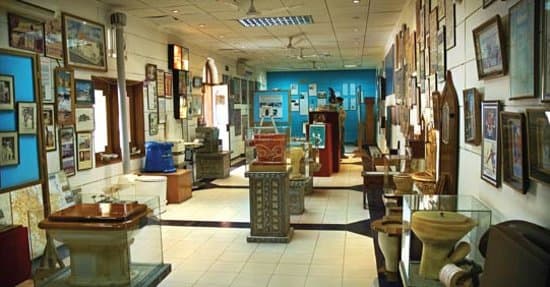
Sulabh International Museum of Toilets
Explore the fascinating history of toilets from 2500 BC to today. A unique, free museum celebrating sanitation and hygiene.

Highlights
Must-see attractions

Social
From TikTok & Reddit
Best Time
Fewer crowds, more personal attention
Sulabh International Museum of Toilets
Best Time
Fewer crowds, more personal attention
Highlights
Must-see attractions
Explore the fascinating history of toilets from 2500 BC to today. A unique, free museum celebrating sanitation and hygiene.
"A quirky yet educational attraction that showcases the history of toilets from ancient to modern times."
🎯 Free Admission Alert!
Enjoy this unique museum without spending a rupee. Perfect for budget explorers! :moneywithwings:
🚶♀️ Wear Comfy Shoes
You'll be walking and exploring exhibits, so comfortable footwear is key for a pleasant visit. :athletic_shoe:
Quick Facts
Hours
Rating
4.3 · 8,763 reviews
Type
Museum
Website
sulabhtoiletmuseum.orgHighlights
Discover the most iconic attractions and experiences
Ancient to Modern Toilets
Main Exhibition Hall
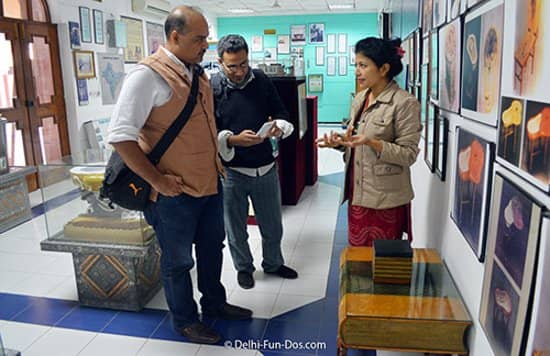
Trace the fascinating evolution of sanitation, from ancient latrines to ornate Victorian commodes and modern innovations.
Royal and Eccentric Designs
Medieval and Modern Sections
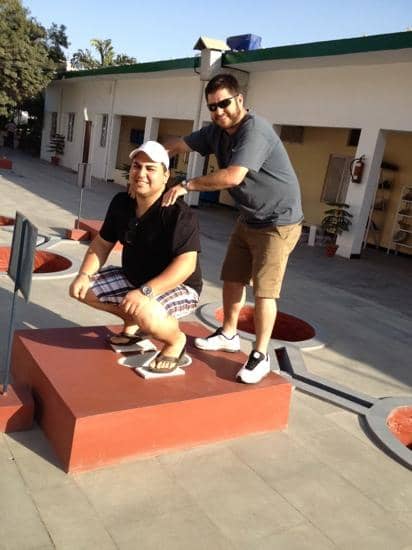
Discover toilets disguised as treasure chests and the rumored commode of King Louis XIV – a truly royal experience!
Global Sanitation Stories
International Exhibits
See toilet artifacts from over 50 countries, showcasing diverse cultural approaches to hygiene and waste management.
Plans like a pro.
Thinks like you
Planning Your Visit
Embrace the Quirky History
Free Entry, Big Impact
Best Times
Insider Tips
from TikTok, Instagram & Reddit
Sulabh International Museum of Toilets, New Delhi, India
I've visited this museum, it's in Delhi and it's run by a charity that provides toilet facilities to villages in India with zero sanitation. They do run public lavatories that provide cooking gas from the "material" deposited. While the inside is interesting, and some of the…
🎯 Free Admission Alert!
Enjoy this unique museum without spending a rupee. Perfect for budget explorers! :moneywithwings:
🚶♀️ Wear Comfy Shoes
You'll be walking and exploring exhibits, so comfortable footwear is key for a pleasant visit. :athletic_shoe:
TIL: There is a museum of toilet in New Delhi named Sulabh International Museum Of Toilets. It features rare collection of toilets from 2500BC up to today and gives a view of evolution of toilet related social custom, sanitary habits and technology and shows how deep rooted a simple toilet is.
this may seem ironic considering that open defecation is a real problem in India, but the founder of this museum is trying to change that. > Dr. Pathak invented, innovated and developed eco-friendly two-pit, pour-flush compost toilet technology popularly known as Sulabh…
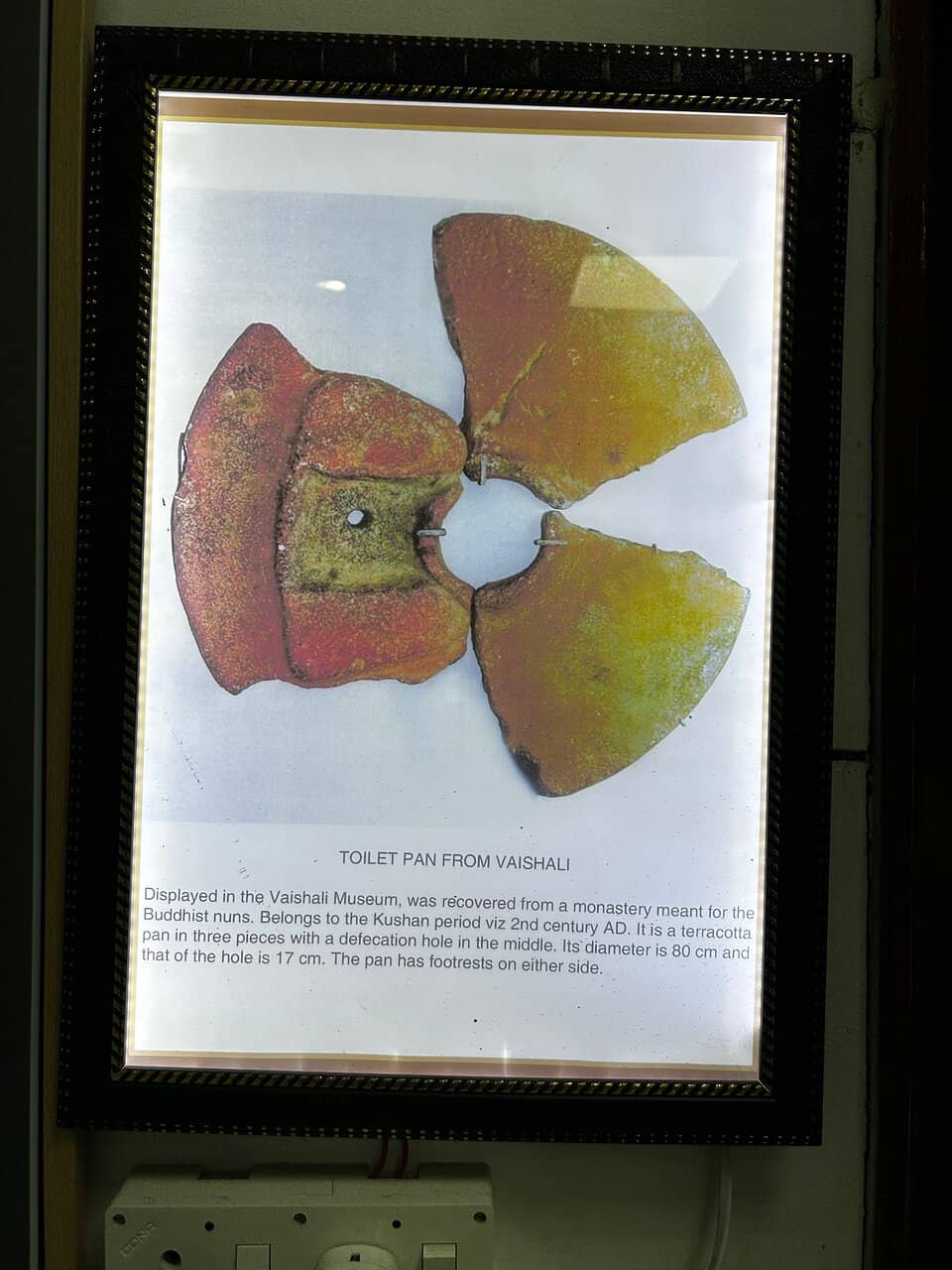
The Sulabh International Museum of Toilets in Delhi is run by the Sulabh International, dedicated to the global history of sanitation and toilets. Established in 1992, the museum has exhibits from 50 countries spanning from 3000 BC through the end of the 20th Century.
🤔 Ask Questions!
The museum staff are knowledgeable and can offer fascinating insights into the exhibits. 💡
📸 Capture the Quirky
This place is full of photo ops! Get creative with your shots of historical and unusual toilet designs. :camerawithflash:
Need help in exploring delhi
Is there any good peace spot near Dwarka regardless of all the sectors? I just want a peaceful spit to sit by and obverse the nature around. And also please let me some good location near ramphal chok.
Tips
from all over the internet
🎯 Free Admission Alert!
Enjoy this unique museum without spending a rupee. Perfect for budget explorers! :moneywithwings:
🚶♀️ Wear Comfy Shoes
You'll be walking and exploring exhibits, so comfortable footwear is key for a pleasant visit. :athletic_shoe:
🤔 Ask Questions!
The museum staff are knowledgeable and can offer fascinating insights into the exhibits. 💡
📸 Capture the Quirky
This place is full of photo ops! Get creative with your shots of historical and unusual toilet designs. :camerawithflash:
What Travellers Say
Reviews Summary
Visitors consistently praise the Sulabh International Museum of Toilets for its unique concept, educational value, and surprisingly engaging exhibits. It's a quirky yet insightful journey through the history of sanitation, offering a fresh perspective on a daily necessity. While small, its free entry and thought-provoking displays make it a memorable stop in Delhi.
"Sulabh international Museum of Toilets is a unique place of visit , which has been made possible by the untiring and deep rooted efforts of Dr. Bindeshwar Pathak , founder of the Sulabh Sanitation movement. He was instrumental in creating this awareness amongst the masses and the need for hygiene and sanitation at grassroot level. He's a Padma Vibhushan awardee . One can see the origin of the toilets , the various types of toilets , toilets meant for different classes , toilets used around the world etc. Sulabh toilets can be seen all around the country. They have lately also diversified into recycling of waste water, sewer treatment plants, bio waste management. Must visit museum in Delhi."
Bhaskar sen
"Review: Sulabh International Museum of Toilets – A Thought-Provoking Visit
I recently had the opportunity to visit the Sulabh International Museum of Toilets in Delhi with my son, with the purpose of introducing him to the importance of solid waste management and environmental awareness. What we experienced there was far more enriching than we had anticipated.
The museum, established by Dr. Bindeshwar Pathak, is a unique and insightful space dedicated to the history and evolution of toilets from ancient times to the modern era. The museum manager personally guided us through the exhibits, providing a detailed and engaging explanation of the transformation of sanitation practices across various civilizations. From primitive open defecation systems to intricate medieval commodes and modern bio-toilets, the collection showcases how hygiene, technology, and culture have shaped toilet design over centuries.
Each exhibit was not only informative but also deeply thought-provoking. It was eye-opening to realize how much of a role sanitation plays in shaping public health and dignity, especially in developing countries like India. The historical context provided added a fascinating dimension—underlining how societies, both ancient and modern, have grappled with the challenges of waste management.
For my son, the visit was an excellent learning experience. He came away with a deeper understanding of how poor sanitation impacts the environment and human health, and why change is necessary. The session was more than just an academic exploration—it was a call to action.
India, with its growing population and urban sprawl, urgently needs a sanitation revolution, and institutions like Sulabh are doing commendable work in spreading awareness. I highly recommend this museum to parents, educators, and policymakers alike. It is a place where history, science, and social responsibility come together to inspire a cleaner, more conscious future."
Manas Kumar Jha
"The Sulabh International Toilet Museum in Delhi is a super unique and quirky attraction that's all about celebrating the history and evolution of toilets! Founded by Dr. Bindeshwar Pathak in 1992, this museum aims to promote sanitation awareness and educate visitors about the importance of hygiene. It's actually been recognized by TIME magazine as one of the "10 Weirdest Museums in the World" ¹ ² ³.
What to Expect:
- Exhibits: You'll find a fascinating collection of toilet artifacts from over 50 countries, showcasing everything from ancient latrines to modern marvels.
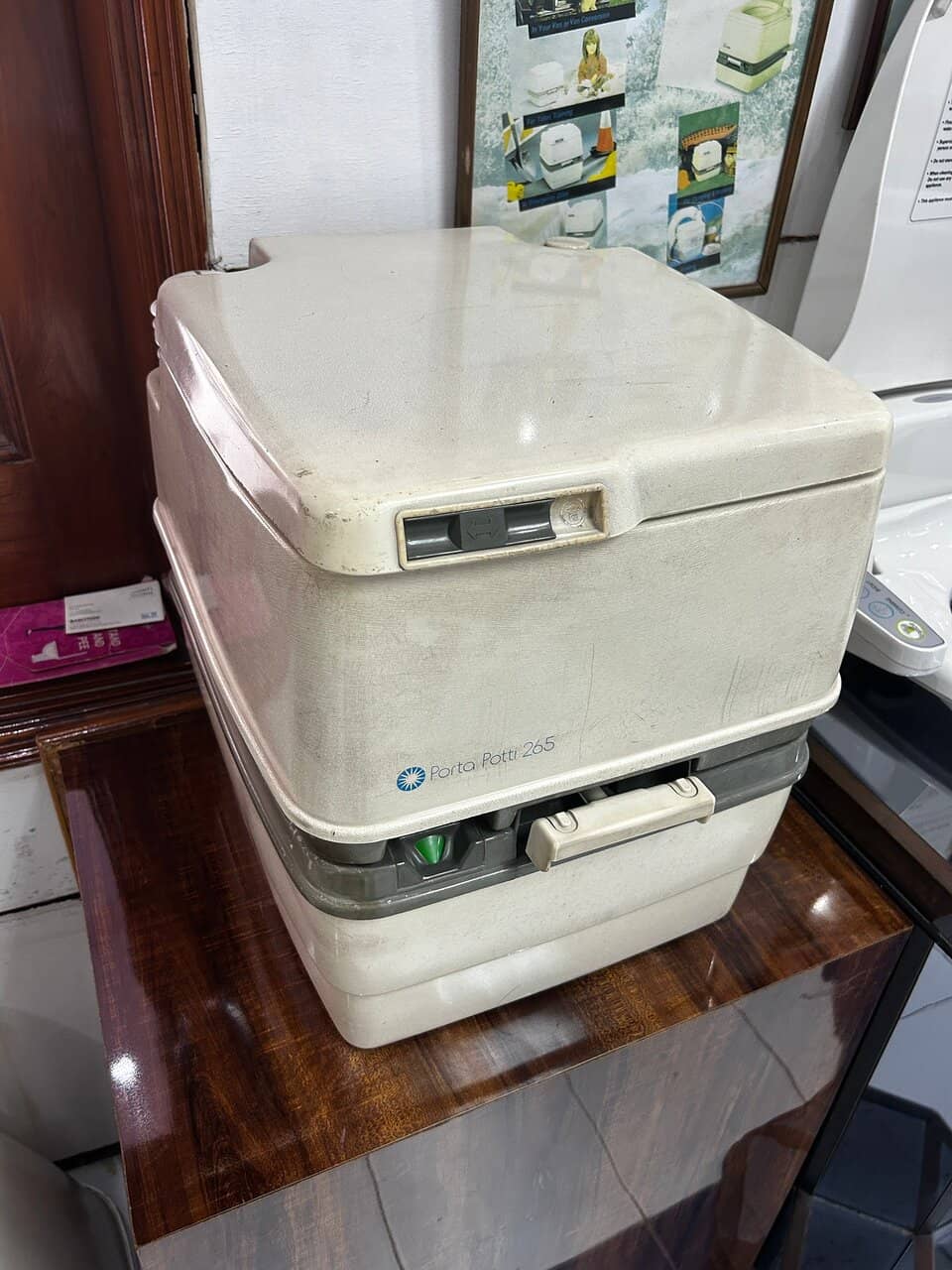
- Interactive Displays: The museum features informative displays, comic strips, and replicas of toilets from different eras and cultures.
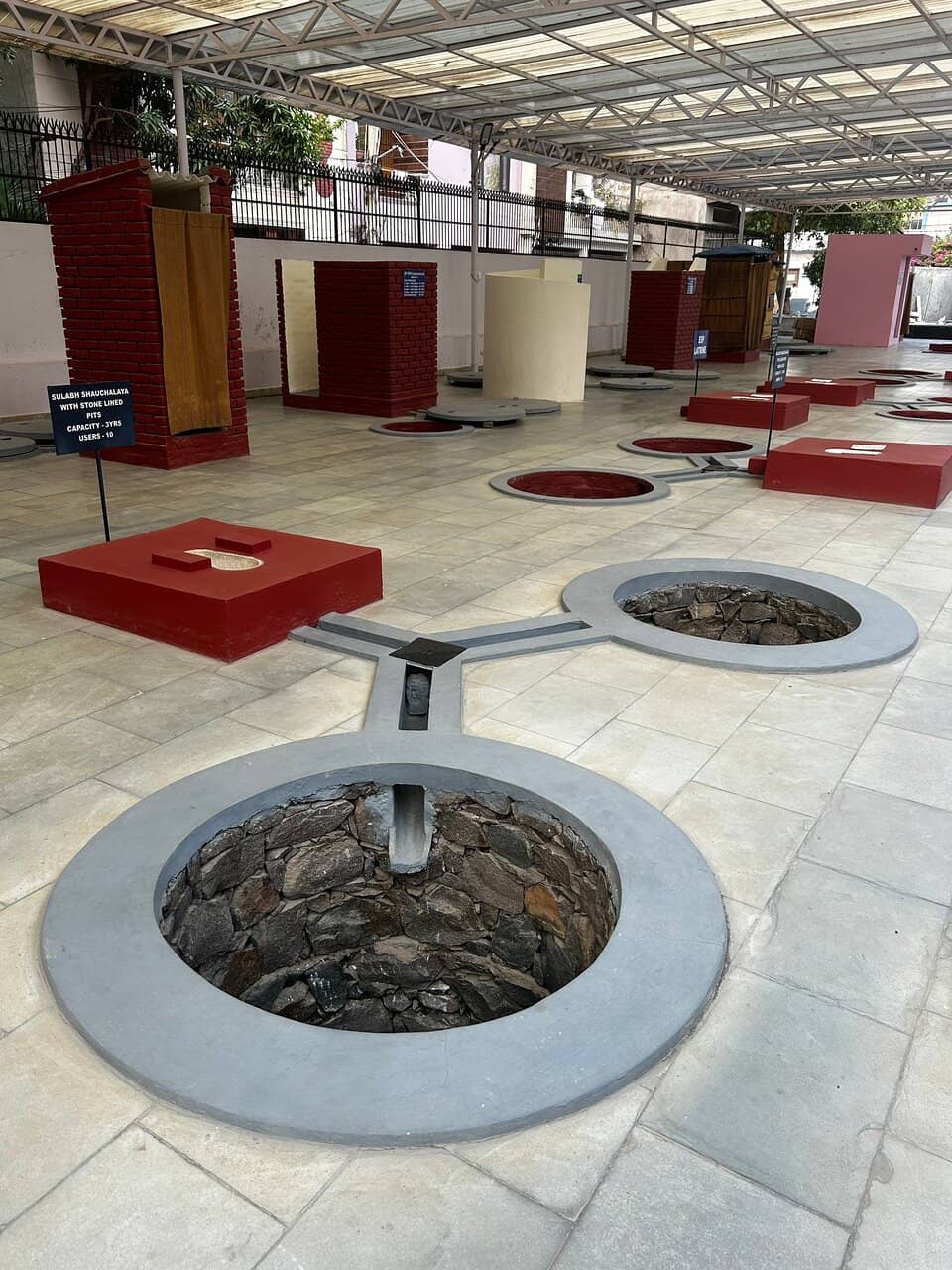
- Innovative Toilets: You'll see demos of Sulabh-designed toilets, which use a two-pit system to store waste, allowing it to turn into manure.
- Free Entry: Admission is completely free, making it an awesome option for budget travelers.
Reviews and Ratings:
Visitors rave about the museum's unique concept, humor, and educational value. Many leave with a newfound appreciation for toilets and a better understanding of sanitation issues ¹ ⁴.
Practical Info:
- Location: Palam Dabri Road, Kali Nagar, Mahavir Enclave, New Delhi
- Hours: 10 AM - 6 PM (Monday to Saturday), 10 AM - 5 PM (Sunday)
- Getting There: Nearest metro station is Dashrathpuri (Magenta Line), followed by a short walk or auto-rickshaw ride
Overall, the Sulabh International Toilet Museum is a must-visit for anyone looking for a quirky, education"
MV Place Guider
What People Like
What People Dislike
Frequently Asked Questions
🚇 🗺️ Getting There
The museum is located on Palam Dabri Road, Kali Nagar, Mahavir Enclave, New Delhi. The nearest metro station is Dashrathpuri on the Magenta Line. From there, it's a short walk or an auto-rickshaw ride to the museum. 🚂🚕
Yes, it's well-connected by the Delhi Metro. Dashrathpuri station is the closest, making it convenient to reach via public transport. 🚌
From South Delhi, you can take the Magenta Line metro towards Janakpuri West and alight at Dashrathpuri. Alternatively, consider a taxi or ride-sharing service for a direct route. 🚗
Limited parking might be available, but it's advisable to check on arrival or consider public transport due to potential space constraints. 🅿️
The museum is situated in Mahavir Enclave, which is a residential and commercial area. While not as central as Lutyens Delhi, it's accessible. :round_pushpin:
🎫 🎫 Tickets & Entry
Great news! Admission to the Sulabh International Museum of Toilets is completely free. You can explore this unique collection without any entry fee. 🎟️
No advance booking is required as the entry is free. You can visit anytime during the operating hours. 📅
The museum is typically open from 10 AM to 6 PM on Mondays to Saturdays, and 10 AM to 5 PM on Sundays. It's always a good idea to confirm hours before your visit. :clock1:
While generally open daily, it's wise to check for any public holidays or special closures before planning your visit. ❌
Since entry is free, there are no ticket discounts. However, group visits can still be a very enriching experience. :peopleholdinghands:
🎫 🤔 Onsite Experience
You'll find a fascinating collection of toilet artifacts from 3000 BC to the present, spanning 50 countries. Expect everything from ancient commodes to modern designs, with informative displays and even some humor. 🚽
Yes, it's a surprisingly educational and engaging experience for children, offering a unique perspective on history and hygiene. Parents find it a great way to teach about sanitation. :child:
Most visitors spend about 1 to 2 hours exploring the exhibits. It's a compact museum, but the information is rich and thought-provoking. ⏳
While not always formally advertised, the museum staff are often very helpful and can provide detailed explanations, acting as informal guides. :man_teacher:
Photography is generally permitted for personal use, but it's always best to check for any specific restrictions upon arrival. :iphone:
🍽️ 🍽️ Food & Dining
There are no dining facilities within the museum itself. You'll need to explore nearby areas for food and refreshments. 🍴
The surrounding Mahavir Enclave area offers various local eateries and cafes serving Indian cuisine. 🍛
It's generally advisable not to consume food or drinks inside museums to preserve the exhibits. :nofoodand_drinks:
📸 📸 Photography
The most photogenic spots include the ornate Victorian toilet seats, the commode disguised as a treasure chest, and the unique international toilet designs. 📷
While personal photography is usually allowed, it's best to avoid flash photography that might disturb other visitors or damage exhibits. :no_flash:
A smartphone camera with good low-light capabilities or a mirrorless camera would be ideal for capturing the details of the exhibits. :dslr:


Social
from TikTok, Instagram & Reddit