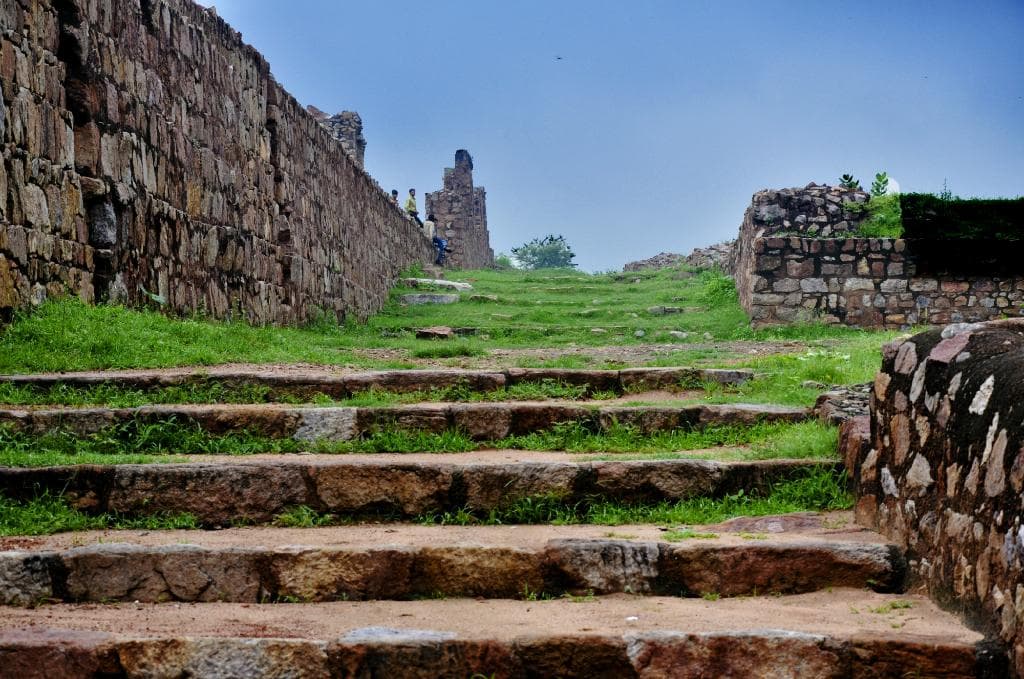
Tughlaqabad Fort
Explore the colossal ruins of Tughlaqabad Fort, a 14th-century abandoned capital city, offering a glimpse into grand historical ambitions.
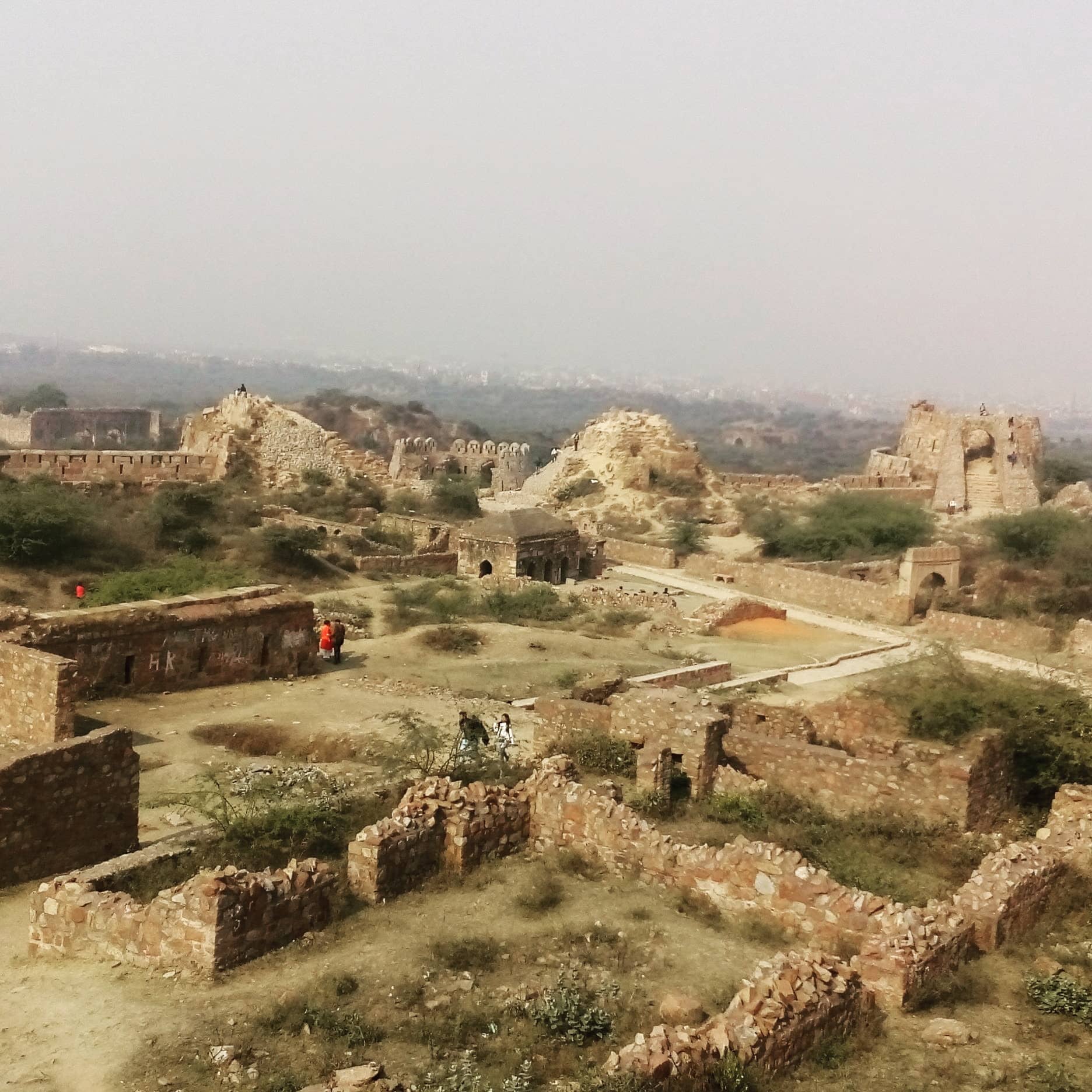
Highlights
Must-see attractions

Social
From TikTok & Reddit
Best Time
Pleasant weather, fewer crowds
Tughlaqabad Fort
Best Time
Pleasant weather, fewer crowds
Highlights
Must-see attractions
Explore the colossal ruins of Tughlaqabad Fort, a 14th-century abandoned capital city, offering a glimpse into grand historical ambitions.
"Massive and full of history, a true glimpse into Delhi’s past. The ruins still speak of its grandeur."
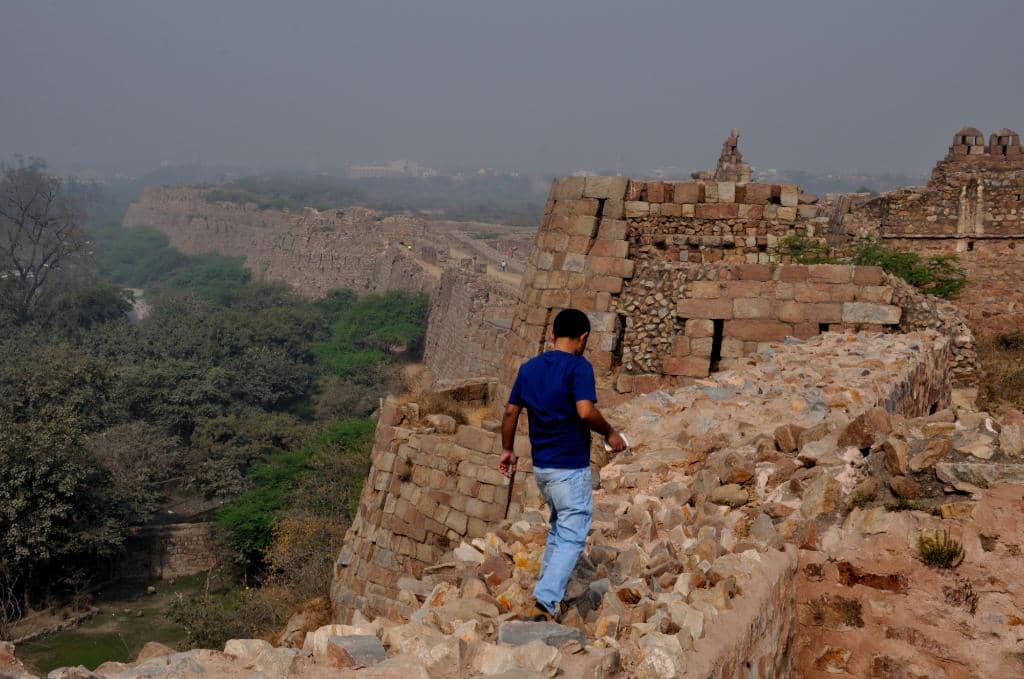
👟 Wear Comfortable Shoes
The fort is huge and uneven. You'll be doing a lot of walking on stone paths.
💧 Carry Water & Snacks
Limited facilities inside. Stay hydrated, especially during warmer months.
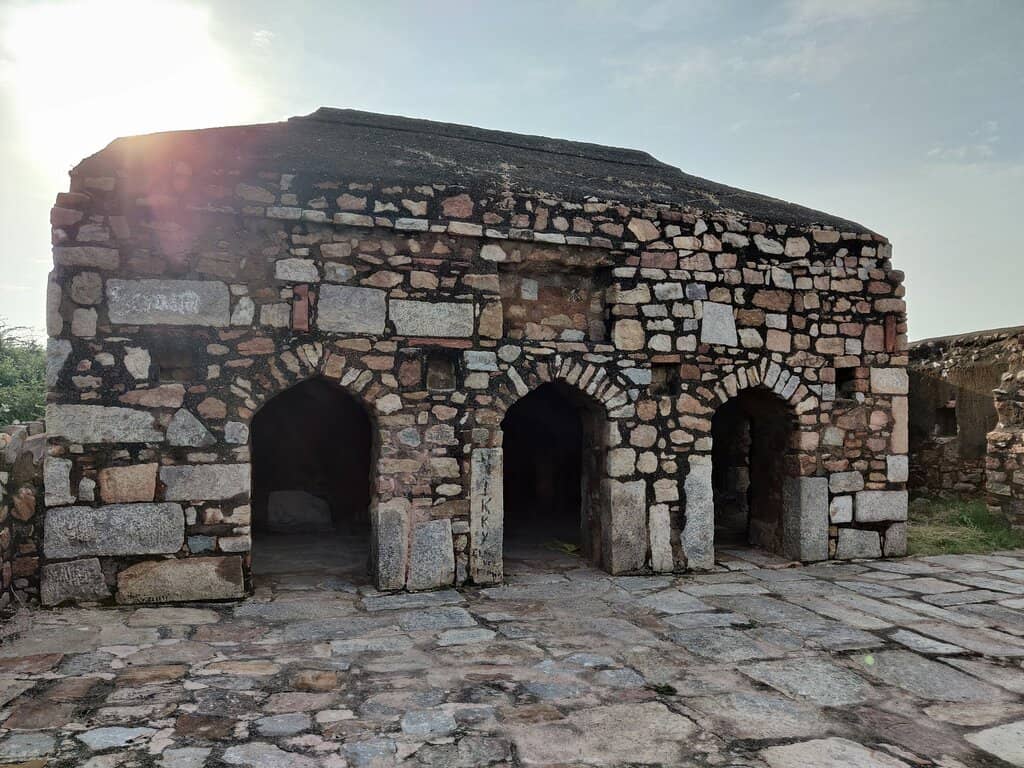
Quick Facts
Hours
Rating
4.2 · 13,885 reviews
Highlights
Discover the most iconic attractions and experiences
Massive Ramparts
Outer walls of the fort
Explore the imposing stone ramparts and battlements, remnants of a grand 14th-century city. Feel the history echo through the vastness.
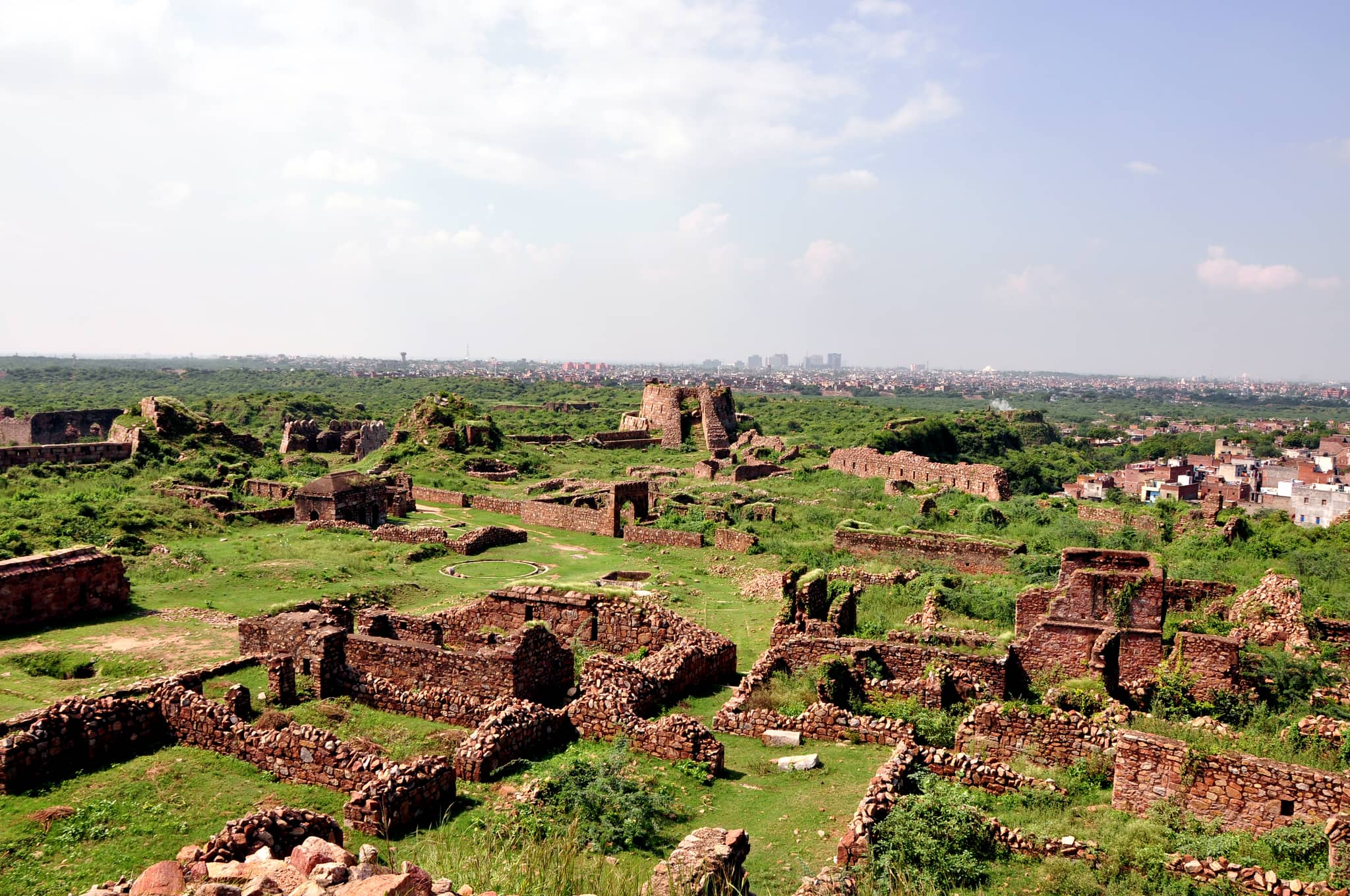
Panoramic City Views
Highest points within the fort
Ascend to vantage points for sweeping views of Delhi. Catch a glimpse of the city's sprawl, especially beautiful during sunset.
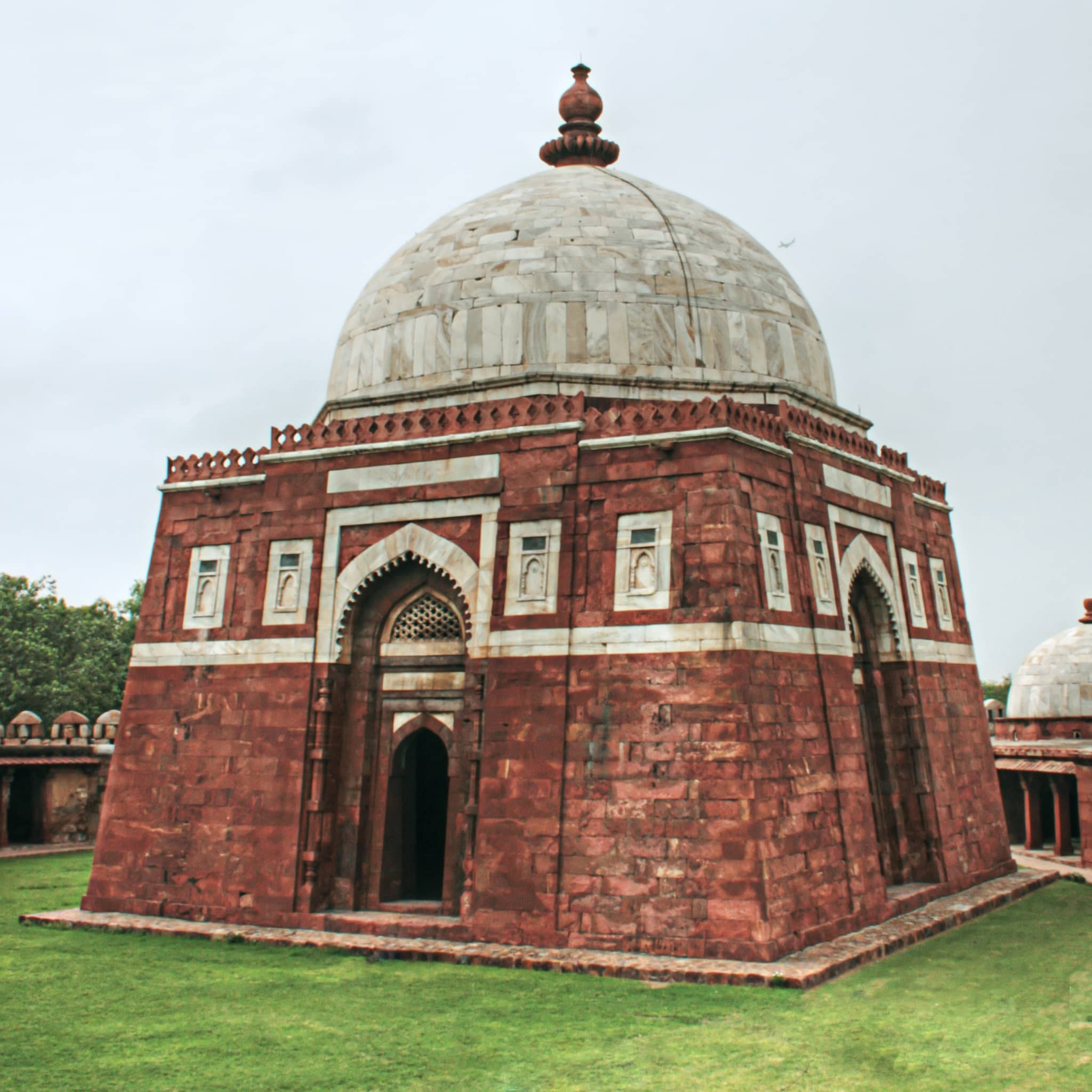
Ghiyasuddin Tughlaq's Tomb
Across the road from the fort
Don't miss the impressive tomb of the fort's founder, located just opposite. Its architecture is a beautiful complement to the fort itself.
Plans like a pro.
Thinks like you
Planning Your Visit
Beat the Heat & Crowds
Tickets & Transport Tips
Best Times
Insider Tips
from TikTok, Instagram & Reddit
Whats up with Tughlaqabad fort?
Visited this place sometime back cuz it’s very close to where I work but something didn’t feel right. Was exploring it myself when suddenly a person turned up from nowhere and said he saw me before and what was I doing there ? I didn’t even know this person ! Also, didn’t find a…
👟 Wear Comfortable Shoes
The fort is huge and uneven. You'll be doing a lot of walking on stone paths.
💧 Carry Water & Snacks
Limited facilities inside. Stay hydrated, especially during warmer months.
Tughlaqabad Fort and Mehrauli-Badarpur Road (1880s and now), during its heyday the whole area in front of the fort used to be submerged under water acting as a large moat. Elevated pathway connecting the fort and Tomb of Ghyasuddin Tughlaq can also be seen pierced by the modern road.
I have been here a couple of times... The fort ( most of it is in ruins) the other part on the other side of the road that is the mausoleum is in really good shape and well preserved... It makes for a nice day out..
📸 Photography Paradise
Monsoon brings lush greenery, making for stunning photos. Butterflies are also common.
💰 Ticket Purchase Hassle
Online ticket purchase can be tricky. Be patient or have a backup plan.
Tips
from all over the internet
👟 Wear Comfortable Shoes
The fort is huge and uneven. You'll be doing a lot of walking on stone paths.
💧 Carry Water & Snacks
Limited facilities inside. Stay hydrated, especially during warmer months.
📸 Photography Paradise
Monsoon brings lush greenery, making for stunning photos. Butterflies are also common.
💰 Ticket Purchase Hassle
Online ticket purchase can be tricky. Be patient or have a backup plan.
🐒 Monkey Alert!
Be mindful of monkeys; guards can help if they become a nuisance.
What Travellers Say
Reviews Summary
Tughlaqabad Fort is praised for its immense historical significance, grand architecture, and peaceful, uncrowded atmosphere, offering a genuine glimpse into Delhi's past. Visitors appreciate the vast spaces for exploration and photography, and the nearby tomb is also a highlight. However, the fort's maintenance could be improved, and accessibility via public transport can be challenging.
"I recently visited Tughlaqabad Fort for a heritage walk, and it was an amazing experience. The fort is truly impressive, with massive stone walls and a fascinating glimpse into Delhi’s medieval history. It’s a great place for history lovers as well as photography enthusiasts — every corner offers something interesting to capture.
The entry ticket is just ₹20, which is very reasonable for such a beautiful and historic site. The fort is spread over a large area, so be prepared for a bit of walking, but the views and atmosphere make it totally worth it.
Overall, Tughlaqabad Fort is a must-visit for anyone interested in history, architecture, or offbeat places in Delhi."
RAHUL KAPOOR
"Tuglakabad fort is located in the south part of Delhi. The fort was built by Gyasuddin tuglaq.
This fort never flourished.
Ticket price is around Rs 20, there is a small parking place but you would always get parking as it is very less crowded. You will have to do a lot of walking and the altitude is also slightly high.
The Tughlaqabad Fort is a ruined fort in Delhi, India, built in 1321 by Ghiyasuddin Tughlaq, the founder of the Tughlaq Dynasty. It was intended to be the third historical city of Delhi and a massive, impregnable fortress to ward off invaders, particularly the Mongols.
The fort is known for its remarkable, massive stone fortifications, including sloping rubble-filled walls characteristic of Tughlaq architecture, which rise to 10-15 meters in height. It was divided into three sections: the main city area, the citadel with the tower known as Bijai-Mandal, and the palace area. Despite its grand vision, the fort was abandoned just a few years later in 1327, a quick demise often linked to the legend of a curse pronounced by the Sufi saint Nizamuddin Auliya. The Tomb of Ghiyasuddin Tughlaq, built with red sandstone and marble, stands outside the fort and is connected by a causeway"
Aby G
"I booked a walking tour through Urbanaut with guide Sikkawala, and it was an incredible way to experience Tughluqabad Fort beyond just ruins on a map. The site is vast, atmospheric, and layered with history, place where time feels suspended. As I walked through the broken stone walls, overgrown grasses, and wide open ridge views, I could feel the pulse of past, present, and future merging.
This is more than an archaeological site, it’s a soul-place. The mist, the light on the stones at sunset, and the silence between the old battlements speak of both transience and something immortal that still lingers here. Life goes on even through decay, and you can feel that continuity in the wind, in the grasses pushing through the cracks, in the pulse of urban life teaming on all sides.
If you visit, I highly recommend taking a guided walking tour to bring stories, legend, and context alive. Tughluqabad is a powerful reminder of history, impermanence, and endurance all at once. A must see on a cultural immersion, deep-dive, slow-mo slow travel tour through the seven ancient cities Delhi."
Jana LaBarbera
What People Like
What People Dislike
Frequently Asked Questions
🚇 🗺️ Getting There
The nearest metro station is Tughlaqabad, about 6 km away. From there, you'll need to take an auto-rickshaw or a bus. Public buses can be crowded and slow, while autos might be expensive. Consider ride-sharing apps like Rapido or Ola/Uber for a more direct route.
Yes, public buses are available, but they can be very crowded and take a long time to reach the vicinity. The nearest bus stop is about 280 meters away, requiring a short walk.
From Tughlaqabad Metro station, autos are the most common option. Be prepared to negotiate fares, as they can be quite high for the short distance.
Limited parking might be available, but it's advisable to check on-site or rely on ride-sharing services if you're driving, as parking can be a challenge.
Qutub Minar Metro is another option, and from there, you can also hire an auto or use ride-sharing services to reach the fort. The distance is comparable to Tughlaqabad Metro.
🎫 🎫 Tickets & Entry
Tughlaqabad Fort is typically open from sunrise to sunset. However, it's always a good idea to check the official timings before your visit, as they can vary.
Entry fees can vary for Indian citizens and foreigners. Foreigners typically pay a higher fee, around ₹250, which may include a guide service.
Yes, tickets are often available for online purchase. However, some visitors have reported issues with the website's user interface, so be prepared for potential difficulties.
Yes, sometimes guards offer guided tours, especially for foreigners who pay a higher entry fee. You can inquire upon arrival.
Generally, Tughlaqabad Fort is known for being much less crowded than other historical sites in Delhi, offering a peaceful experience.
🎫 🧭 Onsite Experience
Inside, you'll find the massive stone ramparts, battlements, and ruins of the 14th-century city. The fort offers vast open spaces and impressive architecture.
While the fort is historically significant, reviews suggest that maintenance could be improved. However, the ruins still convey a sense of grandeur.
Early mornings or late afternoons are ideal to avoid the heat and enjoy softer light for photography. Sunset views from the fort are particularly magnificent.
Basic facilities might be available, but it's advisable to use restrooms before entering the fort complex, as they may be limited or not well-maintained.
Absolutely! The fort's architecture, vastness, and the surrounding greenery (especially after monsoon) make it a great spot for photography.
🍽️ 🍽️ Food & Dining
There are generally no food stalls or restaurants within the fort premises. It's recommended to eat before or after your visit.
The areas around Tughlaqabad and Badarpur offer local eateries and dhabas. For more options, you might need to travel towards more commercial parts of Delhi.
Bringing your own snacks and water is a good idea, as there are no dining facilities inside. Ensure you dispose of your trash responsibly.
📸 📸 Photography
The ramparts, arched gateways, and elevated viewpoints offer excellent photographic opportunities. The tomb across the road is also a picturesque subject.
Drone usage is typically restricted at historical monuments. It's best to check with local authorities or the Archaeological Survey of India before attempting to fly a drone.
Sunrise and sunset provide the most dramatic lighting for photography, casting long shadows and warm hues across the stone structures.
Generally, photography for personal use is allowed. However, professional shoots might require special permissions.
A wide-angle lens is great for capturing the fort's scale, while a telephoto lens can be useful for details. A tripod can help with low-light shots during sunrise/sunset.



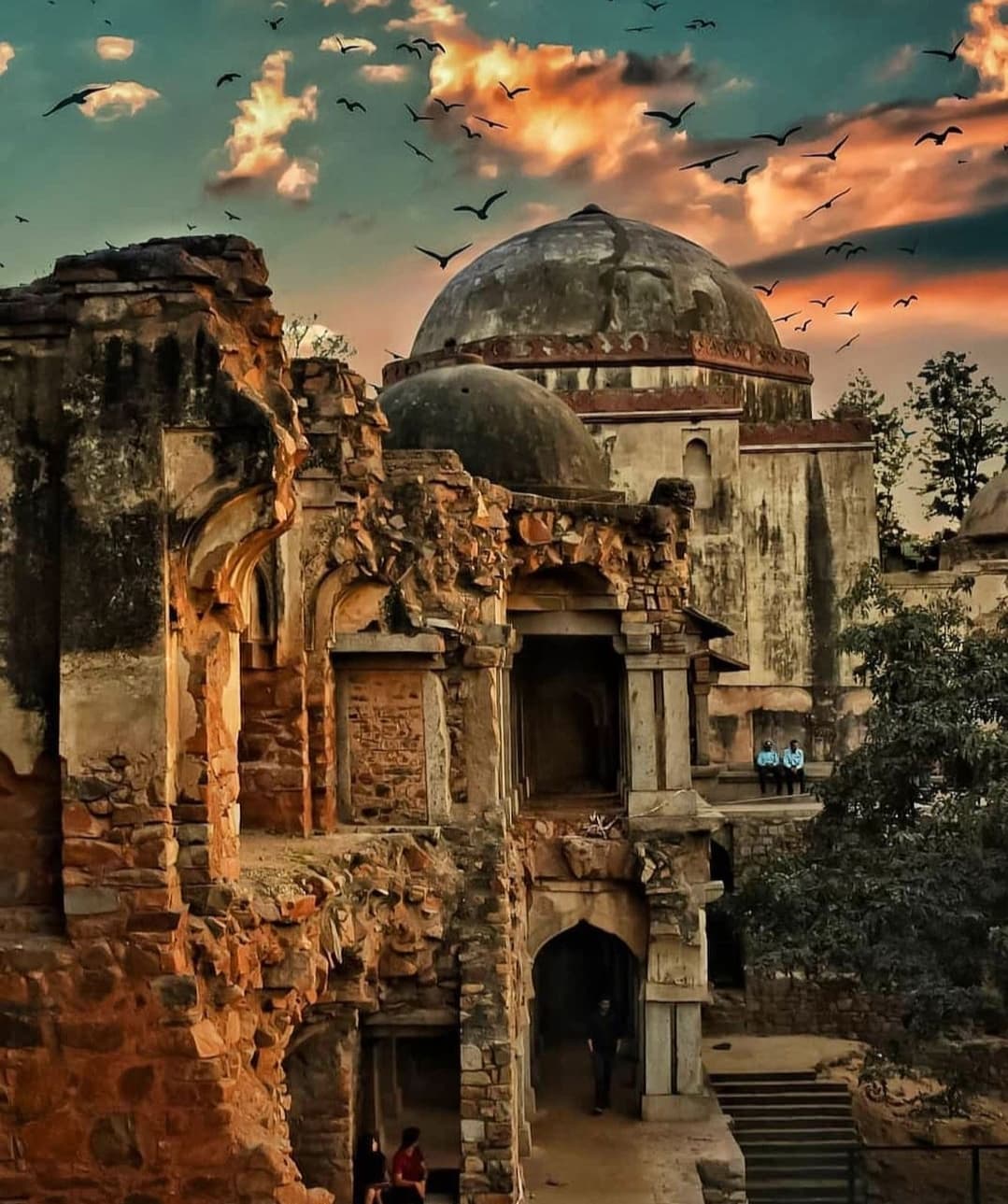



Social
from TikTok, Instagram & Reddit