
Nirona Village Rogan Art
Nirona Village: Home to the rare 400-year-old Rogan Art, a vibrant oil-based textile painting tradition preserved by the Khatri family.
Highlights
Must-see attractions

Social
From TikTok & Reddit
Best Time
See the vibrant colors best
Nirona Village Rogan Art
Best Time
See the vibrant colors best
Highlights
Must-see attractions
Nirona Village: Home to the rare 400-year-old Rogan Art, a vibrant oil-based textile painting tradition preserved by the Khatri family.
"Witness the mesmerizing creation of intricate, oil-based designs on fabric by the dedicated Khatri family."

Witness the Magic
Watch a live demonstration to truly appreciate the skill and dedication behind Rogan Art.
Support the Legacy
Purchase artwork directly from artisans to help preserve this 400-year-old tradition.

Quick Facts
Highlights
Discover the most iconic attractions and experiences
Rogan Art Demonstration
Khatri Family Workshops
Witness the mesmerizing creation of intricate, oil-based designs on fabric using just a stylus and your hands.
Tree of Life Motif
Rogan Art Paintings
Marvel at the iconic 'Tree of Life' design, a symbol of Persian heritage brought to life with vibrant colors.

Meet the Artisans
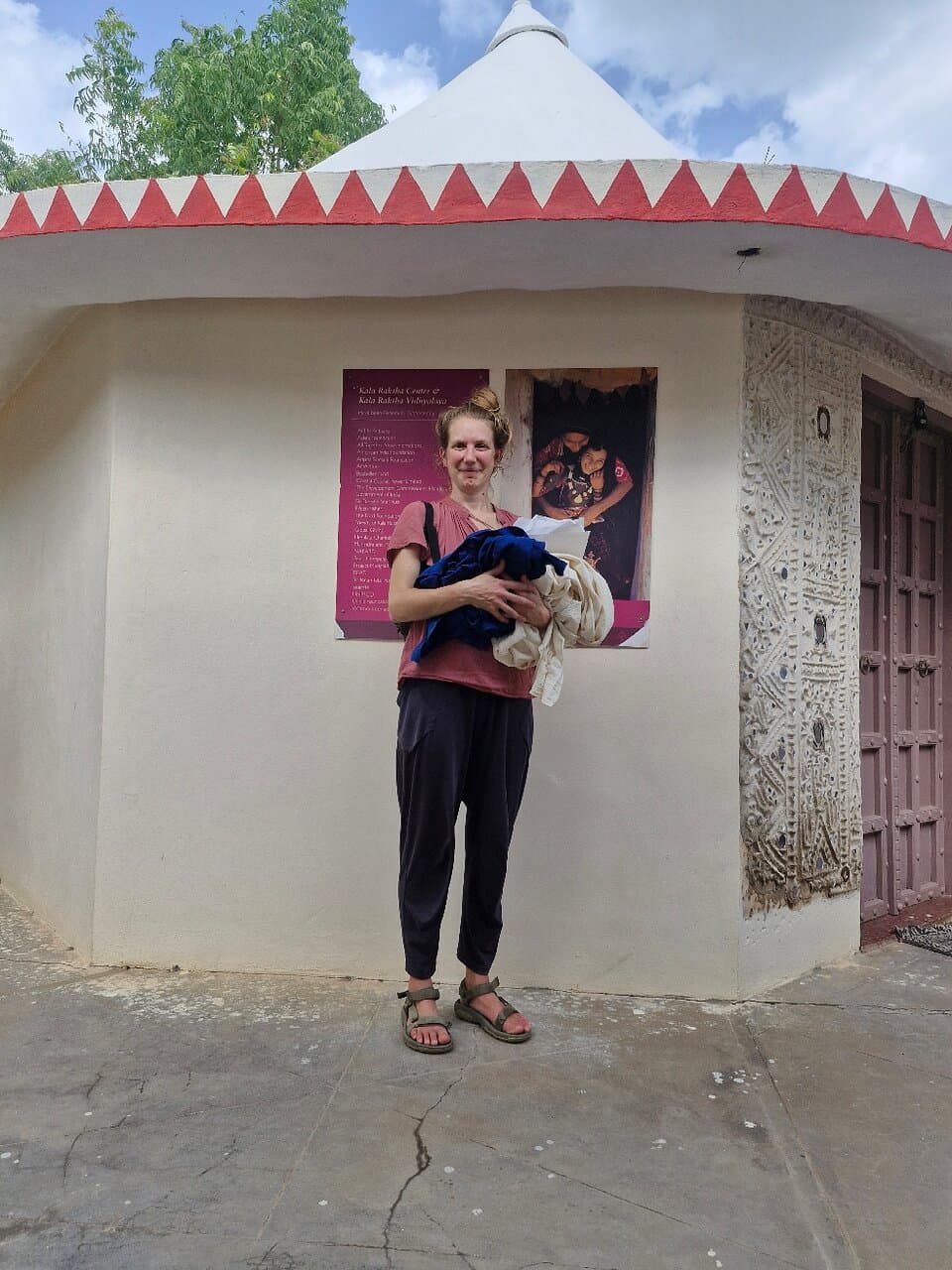
Nirona Village Homes
Engage with the dedicated Khatri family, the custodians of this 400-year-old art form, and learn their stories.
Plans like a pro.
Thinks like you
Planning Your Visit
Embrace the Artistry
Support Local Artisans
Best Times
Insider Tips
from TikTok, Instagram & Reddit
Witness the Magic
Watch a live demonstration to truly appreciate the skill and dedication behind Rogan Art.
Support the Legacy
Purchase artwork directly from artisans to help preserve this 400-year-old tradition.
Plan Your Visit
Allocate at least half a day to explore artisan houses and workshops in Nirona.
Cultural Exchange
Experience a wonderful cultural exchange by visiting the artisans' homes.
Tips
from all over the internet
Witness the Magic
Watch a live demonstration to truly appreciate the skill and dedication behind Rogan Art.
Support the Legacy
Purchase artwork directly from artisans to help preserve this 400-year-old tradition.
Plan Your Visit
Allocate at least half a day to explore artisan houses and workshops in Nirona.
Cultural Exchange
Experience a wonderful cultural exchange by visiting the artisans' homes.
Beyond Rogan Art
Nirona also offers Lacquer wooden work and Copper Bell art to explore.
What Travellers Say
Reviews Summary
Visitors are consistently awestruck by the breathtaking beauty and intricate craftsmanship of Rogan Art, praising the dedication of the Khatri family in preserving this ancient tradition. The opportunity to witness live demonstrations and interact with the artisans is a highlight, offering a deep appreciation for the cultural heritage. While the village is focused on crafts, the lack of extensive dining options means planning meals in nearby Bhuj is recommended.
"Rogan art is a rare, oil-based fabric painting tradition from Gujarat, India, where artisans use a thick, colorful paste of boiled castor oil and natural pigments to create intricate designs on fabric. The paste is skillfully manipulated with metal rods into thin strands, then transferred to dark-colored cloth to form motifs, often creating a mirror image by folding the fabric. Known for its detailed, vibrant "Tree of Life" designs and other culturally inspired patterns, Rogan art, despite a near extinction in the late 20th century, has experienced a revival and is now a protected cultural heritage.
Key Characteristics
Origin: The art form has roots in Persia and was brought to the Kutch region of Gujarat, India, over 300 years ago.
Materials: It uses a paste made from castor oil, which is boiled and mixed with mineral pigments (like white chalk powder) and a binding agent.
Technique:
The thick paint is softened by body heat and placed on the artisan's palm.
A metal rod is used to stretch and twist the paint into fine, thread-like strands.
These strands are trailed onto the fabric to form detailed patterns without the rod touching the cloth.
The design is then folded in half to create a symmetrical mirror image.
Motifs: Traditional designs include elaborate geometric patterns, nature-inspired motifs like peacocks and the famous "Tree of Life," which draws from Persian influences.
Preservation and Revival
Decline: Mechanization and cheaper, machine-made textiles led to Rogan art nearly dying out in the 1980s.
Revival: The Khatri family from the Nirona village in Kutch played a crucial role in preserving and reviving the art form.
Modernization: The 2001 Gujarat earthquake and subsequent infrastructure improvements, along with increased tourism and online marketing, helped boost interest in Rogan art and provided a livelihood for artisans.
Cultural Significance: Rogan art is a symbol of Kutch's cultural identity and a prized cultural asset for India."
BHAWANI SINGH DOHAT RATHORE
"Stopped here on our way to Kutch and I'm so glad we did. The artwork is breathtaking and the amount of care and craftsmanship that goes into this type of art is admirable. We got a demonstration of how the artwork is made and I'm happy to have taken a piece of artwork home with me to remember this wonderful experience. All the best to the artists at Rogan Art."
Jamie Liu
"Padma Shri Awarded in 2019, National Award in 1997, State Award in 1988, Abdul Gafur Khatri is not just an Artist but a true gem of Kutch. Rogan Painting saw a resurgence due to his efforts. In 2014, Honourable Prime Minister Narendra Modi visited U.S White House, and gave President Obama two Rogan paintings, by Abdul Gafur Ji and his younger brother Sumer Khatri."
Anjali Lalwani
What People Like
What People Dislike
Frequently Asked Questions
🚇 🗺️ Getting There
Nirona Village is located near Bhuj in Kutch, Gujarat. The most convenient way to reach Nirona is by hiring a taxi or a private car from Bhuj. The journey takes approximately 1-1.5 hours. Auto-rickshaws are also an option, though they might be less comfortable for longer distances.
While direct public bus services to Nirona might be limited, you can take a bus from Bhuj to a nearby town and then arrange local transport. However, for a more comfortable and direct experience, hiring a taxi is recommended.
The best way to explore Nirona is by walking through the village and visiting the artisan houses and workshops. This allows for a personal connection with the artists and a deeper understanding of their craft.
While not always formally advertised, many local guides in Bhuj can arrange visits to Nirona Village, often including a Rogan Art demonstration. It's worth inquiring at your accommodation or local tour operators in Bhuj.
The road conditions to Nirona Village are generally good, especially the main routes from Bhuj. The government has worked on developing the infrastructure to promote tourism.
🎫 🎫 Tickets & Entry
There are no entrance fees to visit Nirona Village itself. You can freely explore the village and witness the art forms. However, purchasing artwork from the artisans is encouraged to support their craft.
The workshops are typically open during daylight hours when the artisans are actively working. It's best to visit during the day to see the art being created. Some artisans may have specific timings, so it's good to be flexible.
While demonstrations are often offered freely as part of the experience, it's customary to show appreciation through a purchase or a small tip if you feel inclined. The primary goal is to share their heritage.
You can contact artisans directly via phone to schedule a visit, especially if you have a specific interest or a larger group. This ensures they can accommodate you.
Most artisans will accept cash payments. It's advisable to carry sufficient cash as not all may have card payment facilities.
🎫 🎨 Onsite Experience
Rogan Art is a rare, oil-based fabric painting tradition from Gujarat, using a paste of boiled castor oil and natural pigments. Artisans use a stylus to create intricate, symmetrical designs, often inspired by nature. The paste is stretched into fine strands and applied to fabric, creating mirror images when folded. +1
Besides Rogan Art, Nirona Village is also known for its Lacquer wooden work and Copper Bell art. Exploring these crafts offers a broader understanding of the village's artistic heritage.
A demonstration of Rogan Art can take about 15-30 minutes, but you can spend much longer observing the artisans, learning about their techniques, and appreciating the finished pieces.
While you can't typically try the art yourself, you can observe the intricate process closely and ask the artisans questions about their techniques. They are often happy to share their knowledge.
Rogan Art is a symbol of Kutch's cultural identity and a prized cultural asset for India. It's a testament to the dedication of the Khatri family in preserving a 400-year-old Persian art form.
🍽️ 🍽️ Food & Dining
Nirona Village is primarily focused on its artisan crafts. You won't find many formal restaurants. It's advisable to have your meals in Bhuj before or after your visit to Nirona.
Small local shops might offer basic snacks and bottled water. However, it's recommended to carry your own water bottle, especially during warmer months.
In the Kutch region, you can try local specialties like 'Kutchi Dabeli' (a spiced potato-filled bread), 'Undhiyu' (a mixed vegetable dish), and various Gujarati thalis.
The nearest town with a good selection of eateries is Bhuj. You'll find a variety of restaurants offering Gujarati and other Indian cuisines there.
While not a common practice, if you build a good rapport with an artisan family, they might be able to offer a simple, home-cooked meal. This is not guaranteed and would depend on their hospitality.
📸 📸 Photography
Photography is generally allowed in Nirona Village, and artisans are often happy for you to capture their work. However, it's always polite to ask permission before taking close-up shots of individuals or their detailed work.
The intricate Rogan Art designs, the vibrant colors, the artisans at work, and the traditional village setting are all excellent subjects for photography. Don't miss the 'Tree of Life' motif. 
For personal use, photography is usually fine. If you intend to use images for commercial purposes, it's essential to seek explicit permission from the artisans and potentially negotiate usage rights.
Daylight hours are best for capturing the vibrant colors of Rogan Art. Early morning or late afternoon can offer softer light, but the detailed work is best seen under good natural light.
A good quality smartphone camera or a DSLR with a decent lens will suffice. The key is to capture the detail and color accurately. Consider a macro lens if you want to focus on the intricate patterns.
Social
from TikTok, Instagram & Reddit