Phawngpui Peak Mizoram
Mizoram's 'Blue Mountain' offers a challenging trek to a majestic summit, rich biodiversity, and breathtaking panoramic views.
Highlights
Must-see attractions

Social
From TikTok & Reddit
Best Time
Clear skies, pleasant weather
Phawngpui Peak Mizoram
Best Time
Clear skies, pleasant weather
Highlights
Must-see attractions
Mizoram's 'Blue Mountain' offers a challenging trek to a majestic summit, rich biodiversity, and breathtaking panoramic views.

Book Permits Early
🎟️ Ensure you have your trekking permits sorted before your trip to avoid last-minute issues. :handshake:
Hire a Local Guide
🚶 Local guides are invaluable for navigation and understanding the park's ecosystem. :earth_asia:
Quick Facts
Highlights
Discover the most iconic attractions and experiences
Phawngpui Peak Summit
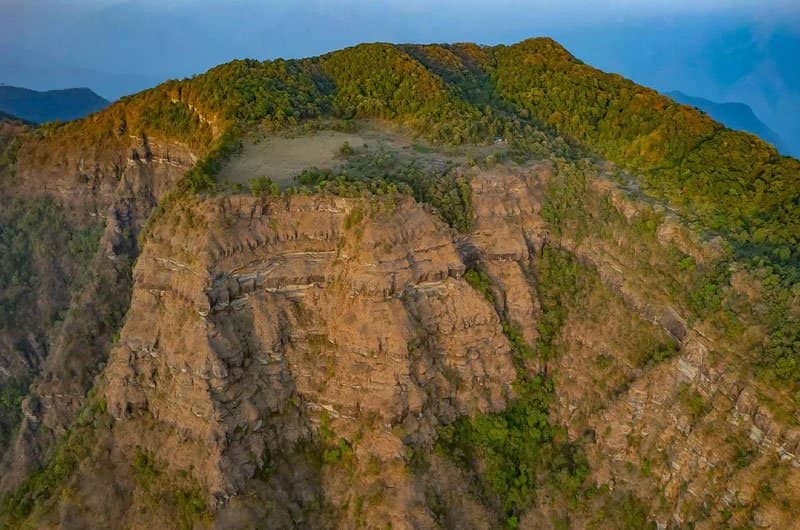
Highest point of the Blue Mountain National Park
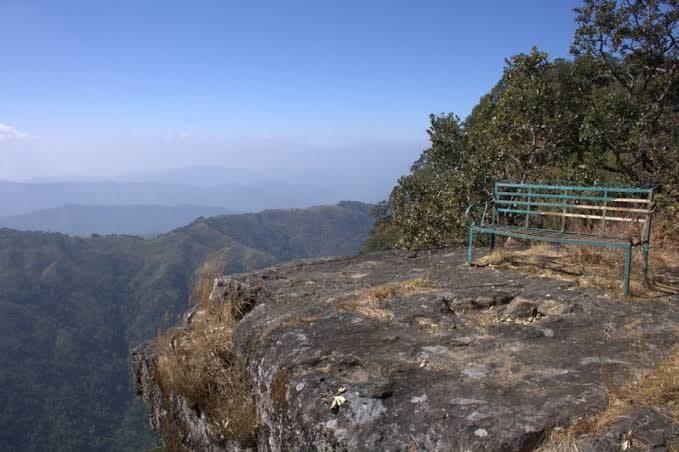
Reach the majestic summit for breathtaking panoramic views of the surrounding hills and valleys. A truly rewarding trek.
Rare Flora and Fauna
Throughout the park
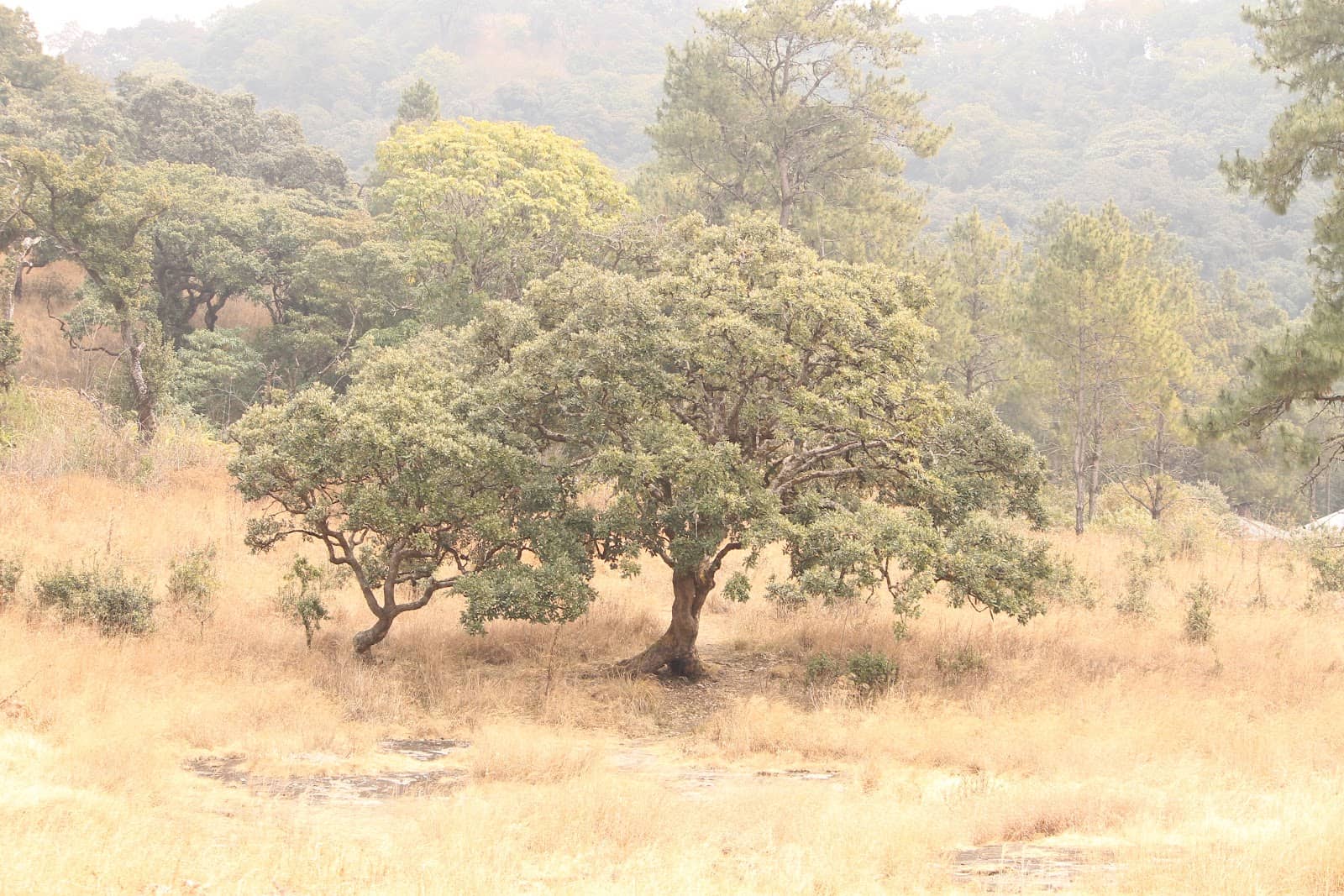
Spot diverse wildlife including rare birds, barking deer, and if you're lucky, even a leopard or tiger. A nature lover's paradise.
Crystal Water Spring
Near the peak
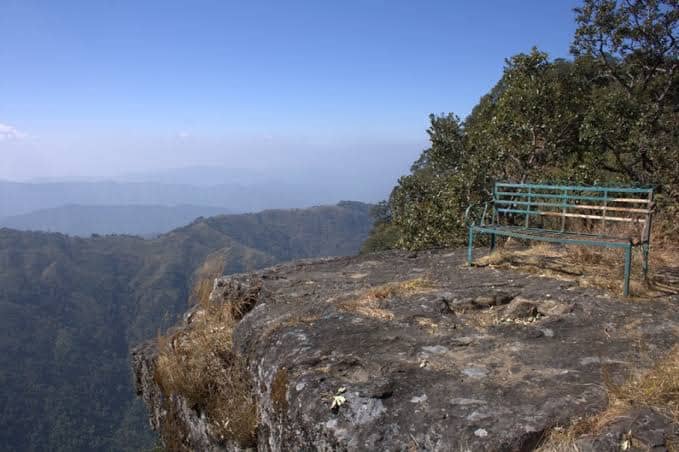
Discover a pristine natural spring offering crystal-clear water, a refreshing stop during your trek. The water is said to be pure.
Plans like a pro.
Thinks like you
Planning Your Visit
Trekking Permits & Guides
Best Season & Gear
Best Times
Insider Tips
from TikTok, Instagram & Reddit
Book Permits Early
🎟️ Ensure you have your trekking permits sorted before your trip to avoid last-minute issues. :handshake:
Hire a Local Guide
🚶 Local guides are invaluable for navigation and understanding the park's ecosystem. :earth_asia:
Pack for All Weather
☁️ Evenings can be cool. Pack layers, including a light jacket and rain gear. ☂️
Stay Hydrated
:droplet: Carry plenty of water, especially during the trek. Refill at the spring if possible. :water_wave:
Tips
from all over the internet
Book Permits Early
🎟️ Ensure you have your trekking permits sorted before your trip to avoid last-minute issues. :handshake:
Hire a Local Guide
🚶 Local guides are invaluable for navigation and understanding the park's ecosystem. :earth_asia:
Pack for All Weather
☁️ Evenings can be cool. Pack layers, including a light jacket and rain gear. ☂️
Stay Hydrated
:droplet: Carry plenty of water, especially during the trek. Refill at the spring if possible. :water_wave:
Respect Nature
:seedling: Leave no trace. Protect the park's delicate ecosystem and wildlife. :dove:
What Travellers Say
Reviews Summary
Phawngpui Peak offers a challenging yet incredibly rewarding trekking experience amidst stunning natural beauty and rich biodiversity. Visitors praise the breathtaking views from the summit and the opportunity to witness rare wildlife. However, the trek's difficulty, the need for permits, and limited facilities require thorough planning and preparation.
What People Like
What People Dislike
Frequently Asked Questions
🚇 🗺️ Getting There
Phawngpui Peak is located in the Lawngtlai district of Mizoram. The nearest major town is Saiha. From Saiha, you can hire a taxi or a shared jeep to reach the base of the trekking route. The journey can be long and bumpy, so be prepared for an adventurous ride.
You can reach Saiha by road from Aizawl, the capital of Mizoram. Buses and taxis are available. Alternatively, you can fly to the nearest airport, which is in Lengpui (near Aizawl), and then take a road journey to Saiha.
While public buses might go to Saiha, reaching the actual trekking starting point often requires private transport like taxis or hired jeeps. It's advisable to arrange transport in advance, especially if you're not familiar with the local routes.
Road conditions can be challenging, with many stretches being unpaved and prone to landslides during the monsoon. The dry season offers better road conditions, but it's still advisable to use a sturdy vehicle and drive cautiously.
Yes, you can drive your own vehicle, but it's recommended to have a 4x4 or a vehicle with good ground clearance due to the rough terrain. Ensure your vehicle is in good condition before embarking on the journey.
🎫 🎫 Tickets & Entry
Yes, a trekking permit is mandatory for visiting Phawngpui Peak. You can obtain these permits from the Forest Department in Saiha or Aizawl. It's best to inquire about the latest permit requirements and procedures before your visit.
The cost of the permit can vary. It's advisable to check with the local Forest Department for the current fees. Sometimes, there are also entry fees for the national park itself.
Permits are typically issued by the Divisional Forest Officer (DFO) in Saiha or the Directorate of Tourism in Aizawl. It's recommended to apply a few days in advance, especially during peak tourist season.
Besides the trekking permit, there might be separate entry fees for the Phawngpui National Park. These fees usually contribute to the park's maintenance and conservation efforts.
It is highly recommended to obtain your permits before reaching the trekking point. While some arrangements might be possible on arrival, it's not guaranteed and can lead to delays or disappointment.
🎫 🏞️ Onsite Experience
The best time to trek Phawngpui Peak is during the dry season, from October to March. The weather is pleasant, and the skies are clear, offering excellent visibility for the stunning views. Avoid the monsoon season (June to September) due to heavy rainfall and potential landslides.
The trek to Phawngpui Peak is considered moderately challenging. It involves steep ascents and descents through dense forests. A reasonable level of fitness is required. Hiring a local guide is highly recommended for navigation and safety.
Phawngpui Peak is known for its rich biodiversity. You might spot rare birds like the Blyth's Tragopan, various species of pheasants, barking deer, and if you're extremely fortunate, leopards or tigers. The park is a haven for nature enthusiasts.
Accommodation options directly at the peak are limited. Basic guesthouses or forest rest houses might be available in nearby villages like Vawngawn or in Saiha town. Camping is also an option for trekkers, but ensure you have the necessary permissions and gear.
Pack essentials like sturdy trekking shoes, warm clothing (layers are best), rain gear, a first-aid kit, insect repellent, sunscreen, a hat, a flashlight, and sufficient water and high-energy snacks. A good quality backpack is also crucial.
🍽️ 🍽️ Food & Dining
There are no restaurants or food stalls directly at Phawngpui Peak or along the trekking route. It's essential to carry your own packed meals, snacks, and plenty of water for the entire duration of your trek. Plan your food supplies carefully before you start.
In Saiha town, you can find local Mizo cuisine. Expect dishes often featuring rice, meat (pork, chicken, fish), and local vegetables. Some eateries might offer basic Indian dishes as well. It's a good place to stock up on snacks before heading to the peak.
Arranging meals during the trek is generally not possible. If you hire a local guide, they might be able to help with basic arrangements for food if you discuss it with them beforehand, but it's safer to be self-sufficient. Carry non-perishable food items.
High-energy snacks like nuts, dried fruits, energy bars, biscuits, and chocolates are ideal for the trek. Also, carry some ready-to-eat meals if you prefer. Ensure your food packaging is eco-friendly and can be carried back.
The crystal water spring is known for its purity, but it's always a good practice to purify water from natural sources if you have any doubts. Carrying a water filter or purification tablets is a wise precaution. Otherwise, carry all the drinking water you'll need.
📸 📸 Photography
The summit offers unparalleled panoramic views of the surrounding mountains and valleys, making it a prime photography spot. The crystal water spring provides a serene natural setting. Keep an eye out for unique flora and fauna for close-up shots.
A wide-angle lens is great for capturing the expansive landscapes. A telephoto lens can be useful for wildlife photography. Ensure your camera is protected from dust and moisture, and carry extra batteries as charging points are unavailable.
Early morning and late afternoon offer the best light for photography, with softer shadows and warmer hues. Sunrise and sunset from the summit can be spectacular. Midday sun can be harsh, so be mindful of lighting conditions.
Generally, photography for personal use is allowed. However, it's always wise to check for any specific regulations regarding drone usage or commercial photography within the national park. Respect wildlife and avoid disturbing them for a shot.
Patience is key for wildlife photography. Use a telephoto lens and try to be as quiet as possible. Look for signs of animal activity. Early morning and dusk are the most active times for many species. Respect their space and do not feed them.
Social
from TikTok, Instagram & Reddit