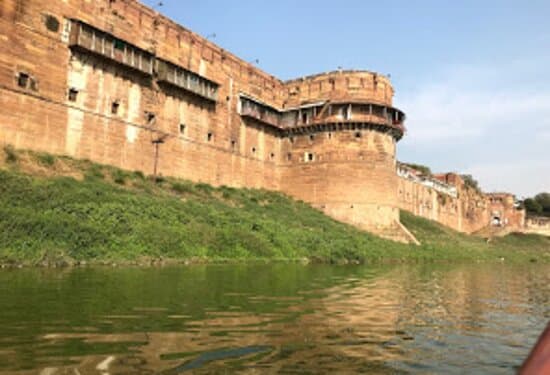
Allahabad Fort Prayagraj
A massive 16th-century Mughal fortress by the Yamuna, housing sacred sites like the Akshayavat tree, with limited public access.
Highlights
Must-see attractions

Social
From TikTok & Reddit
Best Time
Pleasant weather for exploring
Allahabad Fort Prayagraj
Best Time
Pleasant weather for exploring
Highlights
Must-see attractions
A massive 16th-century Mughal fortress by the Yamuna, housing sacred sites like the Akshayavat tree, with limited public access.
"A historical marvel with deep spiritual roots, though access is restricted."
Carry Water & Snacks
Food and water are scarce inside. Bring your own to stay hydrated and avoid risks. :water_wave:
Check Access Beforehand
Much of the fort is army-controlled. Confirm which areas are open to tourists. :information_desk:
Highlights
Discover the most iconic attractions and experiences
Akshayavat Tree
Inside the Fort
The legendary 'immortal banyan tree' of immense religious significance, a must-see for its mythical aura.
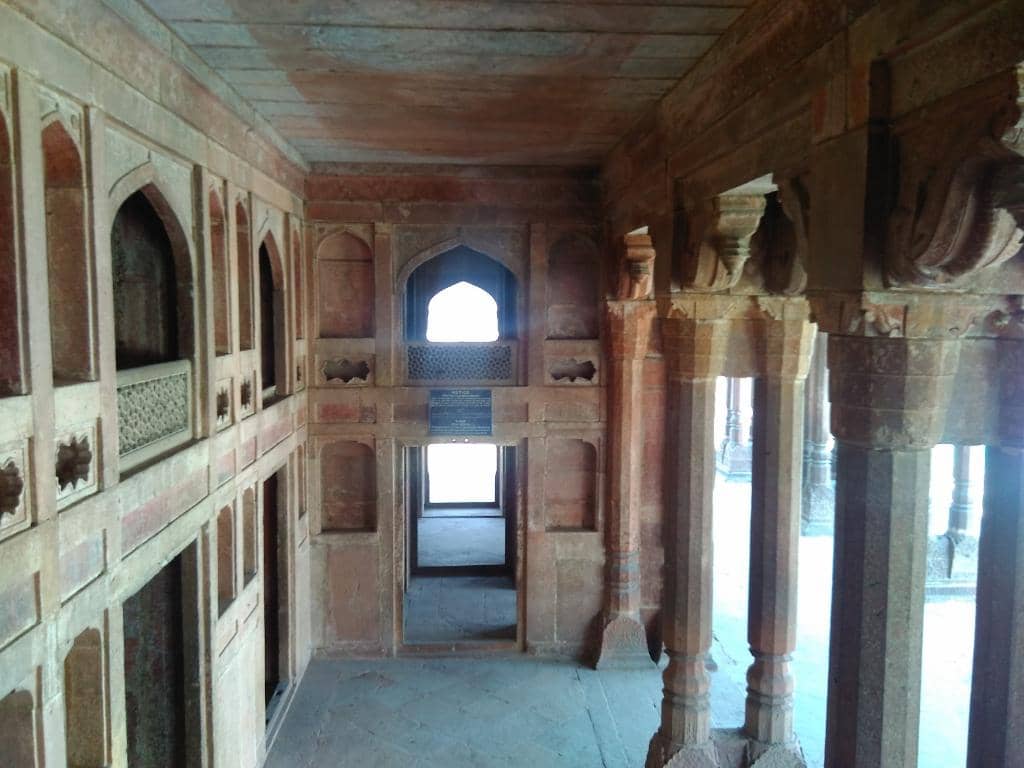
Ashoka Pillar
Inside the Fort
An ancient 3rd-century BC pillar relocated from Kaushambi, bearing Emperor Ashoka's edicts.
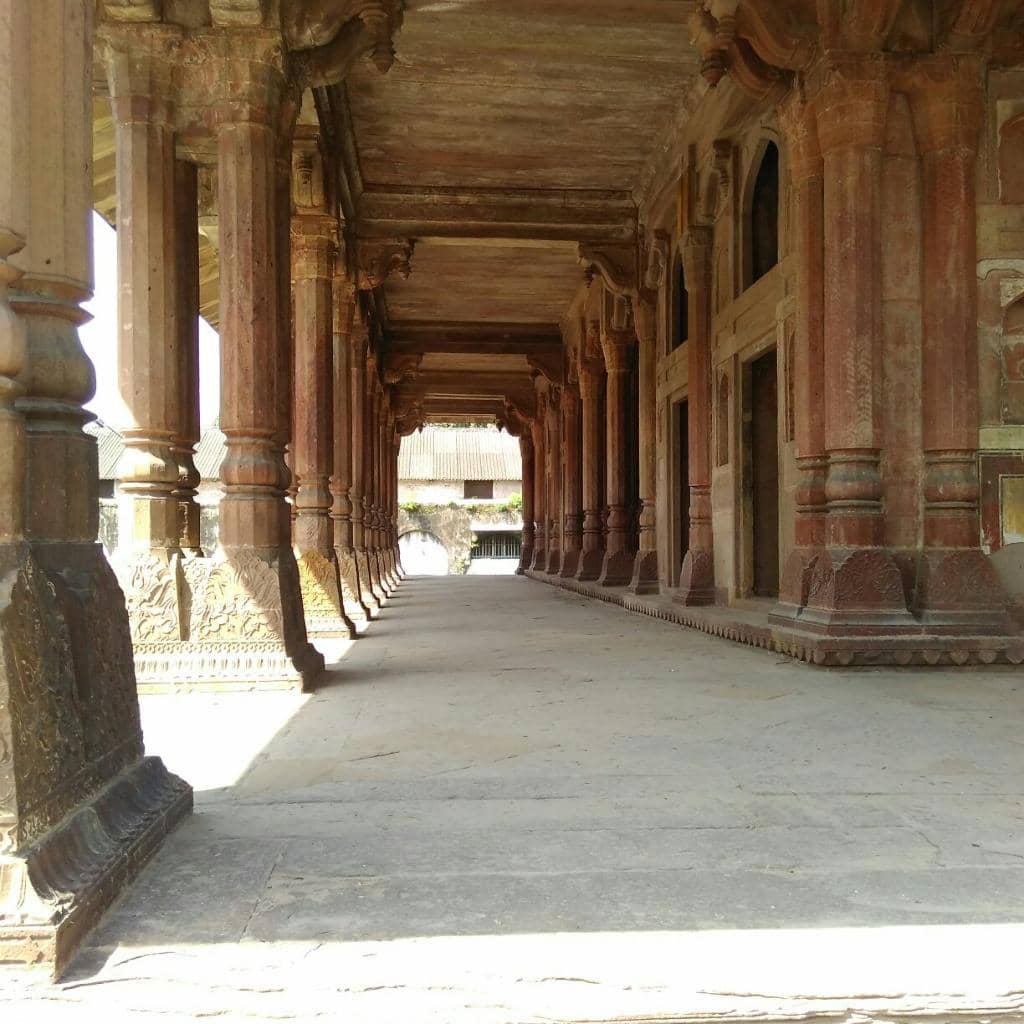
Bade Hanuman Ji Mandir
Near the Fort
A unique temple housing a large reclining idol of Lord Hanuman, offering spiritual peace.
Plans like a pro.
Thinks like you
Planning Your Visit
Limited Public Access
Best Time to Visit
Best Times
Insider Tips
from TikTok, Instagram & Reddit
Carry Water & Snacks
Food and water are scarce inside. Bring your own to stay hydrated and avoid risks. :water_wave:
Check Access Beforehand
Much of the fort is army-controlled. Confirm which areas are open to tourists. :information_desk:
Respect Religious Sites
Be mindful when visiting temples like Bade Hanuman Ji Mandir. Dress modestly. :pray:
Capture the Grandeur
The fort's massive walls and historical artifacts are incredibly photogenic. :camerawithflash:
Tips
from all over the internet
Carry Water & Snacks
Food and water are scarce inside. Bring your own to stay hydrated and avoid risks. :water_wave:
Check Access Beforehand
Much of the fort is army-controlled. Confirm which areas are open to tourists. :information_desk:
Respect Religious Sites
Be mindful when visiting temples like Bade Hanuman Ji Mandir. Dress modestly. :pray:
Capture the Grandeur
The fort's massive walls and historical artifacts are incredibly photogenic. :camerawithflash:
What Travellers Say
Reviews Summary
Visitors praise Allahabad Fort for its historical significance, particularly the Akshayavat tree and Ashoka Pillar. The nearby Bade Hanuman Ji Mandir is a spiritual highlight. However, the limited public access due to army control is a common point of disappointment, and visitors advise carrying water and snacks.
"It's oldest fort bank of yamuna river.Allahabad Fort was built by the Mughal emperor Akbar at Allahabad in 1583. The fort stands on the banks of the Yamuna, near its confluence with the Ganges. It is classified by the Archaeological Survey of India as a monument of national importance. And inside old Akshayvaat temple also which rituals are famous."
laxman yaduwanshi
"Yeah you can go there , you can eat panipuri but carry own mineral water bottle and packaged food that is hard to get. If don't want to risk ."
Dhritabrata Swarnakar
"The Akbar Fort in Prayagraj, also known as Allahabad Fort, was built by the Mughal Emperor Akbar in 1583 near the confluence of the Ganges and Yamuna rivers to strengthen Mughal control in the region. It served as a vital military and administrative center, featuring grand architecture with massive walls enclosing palatial buildings and significant religious sites like the Ashoka Pillar and the Akshayavat tree. The fort's strategic location and historical importance made it a landmark, although much of it is now used by the army, limiting public access.
Construction and Purpose
Commissioned by Akbar: Emperor Akbar commissioned the construction of the fort in 1583, naming the city "Ilahabas," meaning "abode of God," which evolved into Allahabad.
Strategic Location: The fort was strategically built on the banks of the Yamuna River near its confluence with the Ganges (Triveni Sangam) to control the region and strengthen Mughal authority.
Architectural and Religious Features
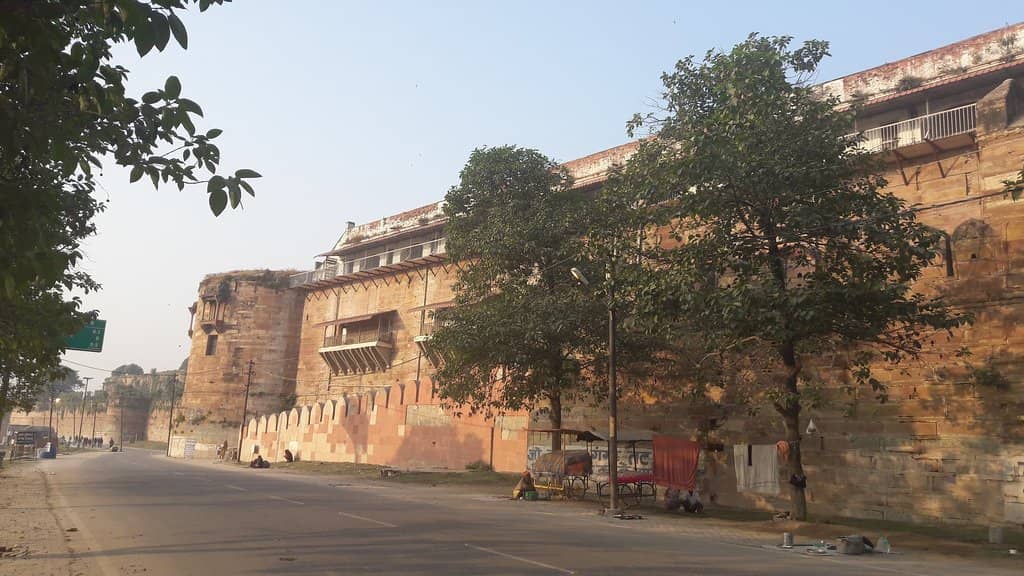
Massive Walls and Towers: The fort is known for its grand architecture, featuring massive outer walls, three main galleries, and high towers.
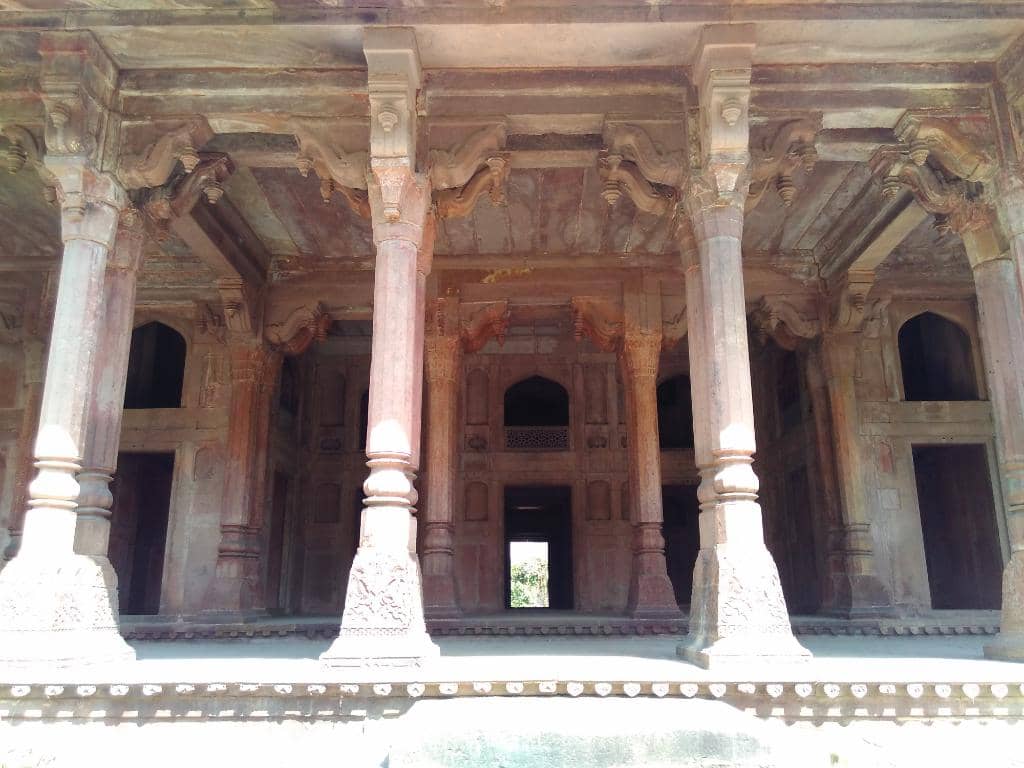
Internal Structures: Within the fort's walls are buildings like the Zenana (women's quarters), a palace, and barracks for soldiers.
Ashoka Pillar: A significant historical artifact, the Ashoka Pillar from the 3rd century BC, was relocated to the fort from Kaushambi and bears the edicts of Emperor Ashoka.
Akshayavat: The fort encloses the "Akshayavat," or immortal banyan tree, a tree of immense religious significance with legendary stories of its indestructibility and connection to Hindu mythology.
Patalpuri Temple and Saraswati Koop: The fort also houses the ancient underground Patalpuri Temple and the Saraswati Koop, believed to be the source of the mythical Saraswati River.
Later History
Maratha and British Era: The fort changed hands over centuries, passing to the Marathas before being ceded to the British in 1798 and used by the East India Company, which even built a railway track to it for military purposes.
Present-Day Status: The fort is currently managed by the Indian Army, and while its outer walls are a recognizable landmark, access to the interior is limited, with only a portion open to the public."
Shlok Pandey
What People Like
What People Dislike
Frequently Asked Questions
🚇 🗺️ Getting There
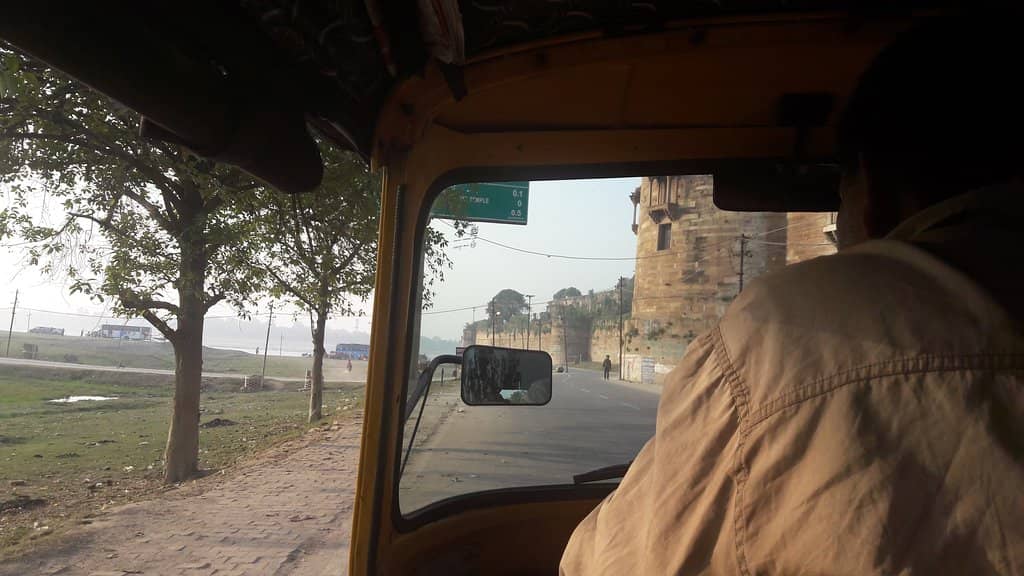
Allahabad Fort is located near the Triveni Sangam in Prayagraj. You can reach it by auto-rickshaw or taxi from anywhere in the city. Many travelers suggest getting a view from Saraswati Ghat or the new Naini Bridge if direct access is limited.
Parking availability can be limited due to the fort's location and army presence. It's advisable to use local transport like auto-rickshaws or taxis.
While there might not be a direct bus to the fort's entrance due to army control, you can take a bus to Prayagraj city and then hire a local auto-rickshaw or taxi to reach the fort vicinity.
Auto-rickshaws are a popular and affordable way to get around Prayagraj. Negotiate the fare before starting your journey.
The nearest major railway station is Prayagraj Junction. From there, you'll need to take a taxi or auto-rickshaw to reach the fort.
🎫 🎫 Tickets & Entry
While a portion of the fort is open to tourists, specific entry requirements or ticket fees can vary. It's best to check on-site or with local authorities for the most current information.
The accessible parts of the fort typically have visiting hours, but these can be subject to change due to its military status. It's recommended to visit during daylight hours.
No, a significant portion of Allahabad Fort is managed by the Indian Army and is not accessible to the public. Only specific areas are open for tourism.
Currently, there is no widely advertised online booking system for Allahabad Fort tickets, as access is limited. It's advisable to purchase tickets on-site if available.
Historically, tourists have been allowed to visit sites like the Ashoka Pillar, Saraswati Well, and Jodhabai Palace on special occasions. Inquire locally for any such possibilities.
🎫 🧭 Onsite Experience
Key attractions include the ancient Akshayavat tree, the Ashoka Pillar, and the Bade Hanuman Ji Mandir. The fort's massive architecture is also a sight to behold.
Yes, the fort's historical architecture, the riverfront views, and the religious sites offer excellent photographic opportunities.
The Akshayavat, or 'immortal banyan tree,' is a sacred tree in Hindu mythology, believed to be indestructible and holding immense religious importance.
No, due to its current use by the Indian Army, only a limited section of the fort is accessible to tourists.
Official guides may not always be available due to the limited access. However, local guides might offer insights if you can find them.
🍽️ 🍽️ Food & Dining
There are limited food options directly at the fort. It's recommended to explore eateries in the main Prayagraj city area for a wider variety of local dishes.
Don't miss trying local street food like panipuri, chaat, and other North Indian delicacies. Be cautious with street food and carry your own water.
No, there are no restaurants or food stalls inside the fort complex. Visitors are advised to carry their own food and water.
While street food is popular, it's advisable to eat from reputable vendors and carry your own mineral water to avoid any health risks.
Prayagraj offers a mix of traditional North Indian cuisine, with a strong emphasis on vegetarian dishes and popular street food snacks.
📸 📸 Photography
The massive ramparts, the Ashoka Pillar, the river views from the fort, and the Bade Hanuman Ji Mandir are excellent for capturing memorable shots. 
Photography is generally allowed in the public areas, but it's always wise to be respectful and check for any specific signage or restrictions, especially in areas managed by the army.
Early morning or late afternoon offers the best light for photography, creating dramatic shadows and softer hues.
Drone usage is typically restricted in and around military installations and historical monuments. It's highly unlikely to be permitted.
A versatile lens like a 24-70mm is useful for capturing both wide shots of the fort and details of the architecture. A wide-angle lens can be great for the expansive views.
For Different Travelers
Tailored advice for your travel style
👨👩👧 Families with Kids
Given the limited access, it's best to manage expectations. Focus on the accessible areas and make it a learning opportunity about Mughal history and Indian culture. Ensure children are supervised, especially near any water bodies or uneven terrain. The Ashoka Pillar can spark curiosity about ancient India.
🚶 Budget Travelers
To save money on food, it's highly recommended to carry your own packed lunch and water bottles. This avoids the need to purchase potentially overpriced or unavailable items within or near the fort.
🙏 Spiritual Seekers
+1The fort's historical context, combined with these sacred spots, creates an atmosphere conducive to reflection and devotion. Many visitors find the experience deeply moving and a highlight of their visit to Prayagraj.
Deep Dives
In-depth insights and expert knowledge
History and Construction of Allahabad Fort
Within its formidable walls, the fort once enclosed palatial buildings, barracks, and significant religious sites. It housed the Ashoka Pillar, a relic from the 3rd century BC, which was relocated from Kaushambi. Another crucial element is the Akshayavat, an ancient banyan tree of immense religious significance in Hindu mythology. The fort also contained the underground Patalpuri Temple and the Saraswati Koop.
Over centuries, the fort passed through various hands, including the Marathas and the British East India Company. Today, the Indian Army manages the fort, with only a portion accessible to the public. This limited access preserves its historical integrity while allowing visitors to glimpse its past grandeur.
Religious Significance and Key Sites
Adjacent to the fort, and a major draw for visitors, is the Shri Bade Hanuman Ji Mandir. This unique temple houses a large, reclining idol of Lord Hanuman, known as 'Lete Hue Hanuman Ji.' The sight of the deity in this posture is considered highly auspicious, and the temple is a place of immense peace and spiritual solace for devotees.
+1The fort also historically contained the Patalpuri Temple and the Saraswati Koop, adding to its sacred landscape. While access to these might be restricted, their historical presence underscores the fort's multifaceted importance as a confluence of history, military strategy, and spiritual devotion.
Navigating Limited Access and Visitor Experience
Travelers often find that the experience is more about appreciating the scale of the fort from the accessible areas and focusing on the key attractions like the Ashoka Pillar and the Akshayavat tree. Some visitors have noted that parts of the fort can be submerged during the monsoon season, impacting accessibility.
Despite the limitations, the fort remains a significant landmark. Many recommend viewing the fort from nearby points like Saraswati Ghat or the new Naini Bridge, especially if direct entry is restricted. This allows visitors to still appreciate its imposing presence and historical context.
Social
from TikTok, Instagram & Reddit