
Ashoka Pillar Allahabad Fort
A 3rd-century BCE Ashoka Pillar, inscribed with ancient edicts, stands within the historic Allahabad Fort, a site of immense historical and cultural i...
Highlights
Must-see attractions

Social
From TikTok & Reddit
Best Time
Fewer crowds, easier access
Ashoka Pillar Allahabad Fort
Best Time
Fewer crowds, easier access
Highlights
Must-see attractions
A 3rd-century BCE Ashoka Pillar, inscribed with ancient edicts, stands within the historic Allahabad Fort, a site of immense historical and cultural importance.

Check Entry Rules
Fort access is controlled by the Army. Verify current entry procedures and timings before you go. :informationdeskperson:
Wear Comfortable Shoes
You'll be doing a lot of walking within the fort complex. :athletic_shoe:

Quick Facts
Type
Building
Highlights
Discover the most iconic attractions and experiences
The Ashoka Pillar
Inside Allahabad Fort
A magnificent 3rd-century BCE pillar inscribed with Ashoka's edicts, a testament to ancient Indian history.
Allahabad Fort Architecture
Allahabad Fort
Explore the robust historical architecture of this 16th-century fort, a significant military structure.
Plans like a pro.
Thinks like you
Planning Your Visit
Fort Access & Timing
Historical Significance
Best Times
Insider Tips
from TikTok, Instagram & Reddit
Check Entry Rules
Fort access is controlled by the Army. Verify current entry procedures and timings before you go. :informationdeskperson:
Wear Comfortable Shoes
You'll be doing a lot of walking within the fort complex. :athletic_shoe:
Carry Water
Stay hydrated, especially during warmer months. :droplet:
Respect Military Presence
Remember it's an active military area. Follow all instructions from personnel. :soldier:
Tips
from all over the internet
Check Entry Rules
Fort access is controlled by the Army. Verify current entry procedures and timings before you go. :informationdeskperson:
Wear Comfortable Shoes
You'll be doing a lot of walking within the fort complex. :athletic_shoe:
Carry Water
Stay hydrated, especially during warmer months. :droplet:
Respect Military Presence
Remember it's an active military area. Follow all instructions from personnel. :soldier:
What Travellers Say
Reviews Summary
Visitors find the Ashoka Pillar and the historical significance of Allahabad Fort impressive, offering a deep dive into ancient Indian history. However, access can be challenging due to its military control, and facilities are basic, requiring visitors to plan ahead.
What People Like
What People Dislike
Frequently Asked Questions
🚇 🗺️ Getting There
The Ashoka Pillar is located inside the Allahabad Fort (now Prayagraj Fort). You'll need to reach the fort first, which is accessible by road. Taxis and auto-rickshaws are readily available in Prayagraj to take you to the fort's entrance. Be prepared for security checks as it's an army-controlled area.
Prayagraj is well-connected by air, rail, and road. The nearest airport is Prayagraj Airport (IXD). The city has a major railway station, Prayagraj Junction (PRYJ), with frequent trains from across India. National highways also connect Prayagraj to major cities.
Entry to Allahabad Fort is typically managed by the Indian Army. While there are designated entry points for visitors, it's advisable to confirm the current operational entry gate and timings with local authorities or reliable travel resources before your visit.
🎫 🎫 Tickets & Entry
Entry to the Allahabad Fort, where the Ashoka Pillar is located, may require an entry ticket or permit, especially for civilian visitors. It's best to check the latest ticketing information and any associated fees before your trip, as these can change.
Opening hours for Allahabad Fort can be variable due to its military control. Typically, visiting hours are during daylight hours on weekdays. It's crucial to verify the current timings, as they can be subject to change without much notice.
Photography rules inside military-controlled areas like Allahabad Fort can be strict. While some areas might permit photography, it's essential to check with the security personnel on-site. Avoid photographing sensitive military installations or personnel.
Visiting on weekends or holidays might be subject to different access rules or potentially higher crowds. Confirming the fort's operational status and visiting hours for these days is highly recommended to ensure a smooth visit.
🎫 🏛️ Onsite Experience
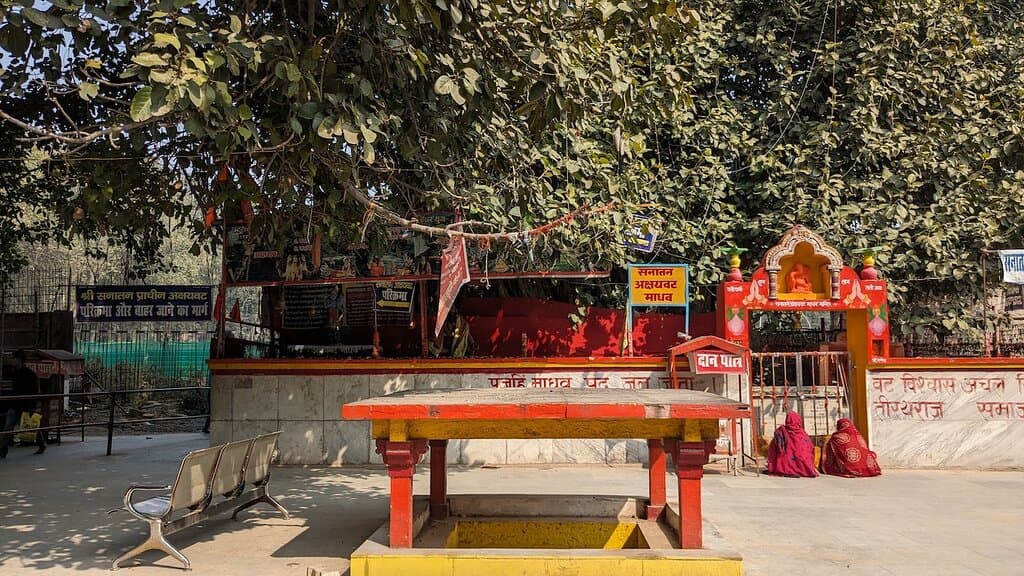
Besides the Ashoka Pillar, the fort complex houses the historical Akshaya Vat (immortal banyan tree), Saraswati Koop (a well), and ancient temples. The fort itself offers a glimpse into Mughal and British colonial architecture.
Allocate at least 2-3 hours to explore the Ashoka Pillar and the main attractions within Allahabad Fort. This allows time for security checks, walking around, and appreciating the historical significance of the site.
Official guides might not always be readily available inside the fort due to its military nature. However, you can hire local guides outside the fort who can provide historical context, but ensure they are knowledgeable and authorized.
Facilities inside the fort are generally minimal. It's advisable to carry your own water and snacks. Restrooms might be available but can be basic. Plan accordingly for your visit.

Social
from TikTok, Instagram & Reddit