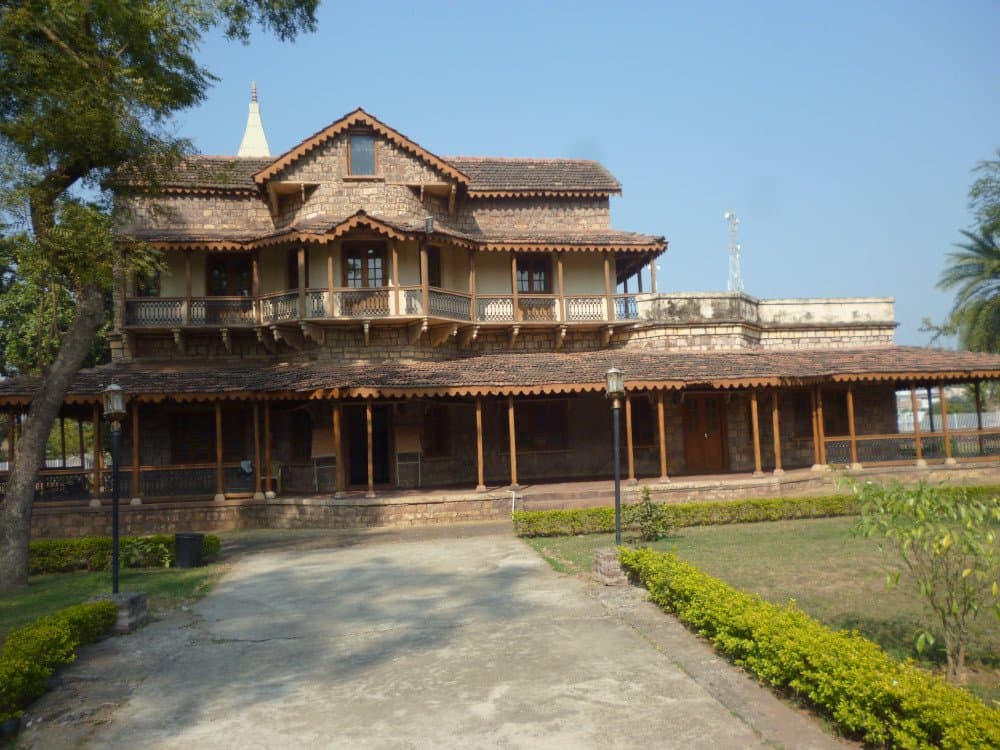
Sanchi Museum Sanchi
Discover ancient Indian art and Buddhist heritage at Sanchi Museum, home to significant sculptures and artifacts.

Highlights
Must-see attractions

Social
From TikTok & Reddit
Best Time
Pleasant weather for exploring
Sanchi Museum Sanchi
Best Time
Pleasant weather for exploring
Highlights
Must-see attractions
Discover ancient Indian art and Buddhist heritage at Sanchi Museum, home to significant sculptures and artifacts.
"A perfect spot to explore history, art, and culture, truly worth a visit!"
🚶 Walk from Stupa
The museum is a short walk (approx. 700m) from the Sanchi Stupa, making it easy to combine visits. :athletic_shoe:
🤝 Friendly Guards
Museum guards are known to be helpful and provide good information about the exhibits. Don't hesitate to ask! :bustsinsilhouette:
Highlights
Discover the most iconic attractions and experiences
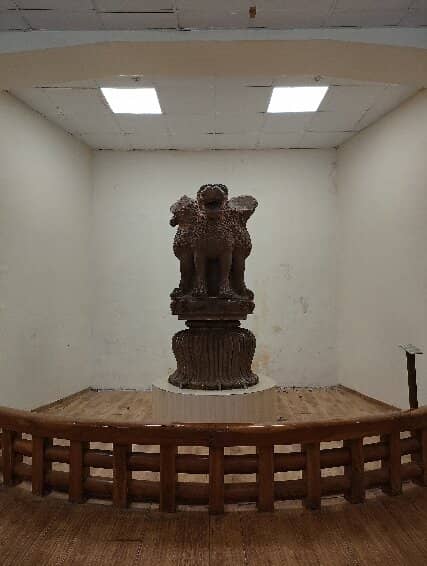
Ashoka Pillar Lion Capital
Main Hall
See the fragmented yet majestic Lion Capital from an Ashokan Pillar, a testament to ancient Indian craftsmanship.
Sculpture Galleries
Various Galleries
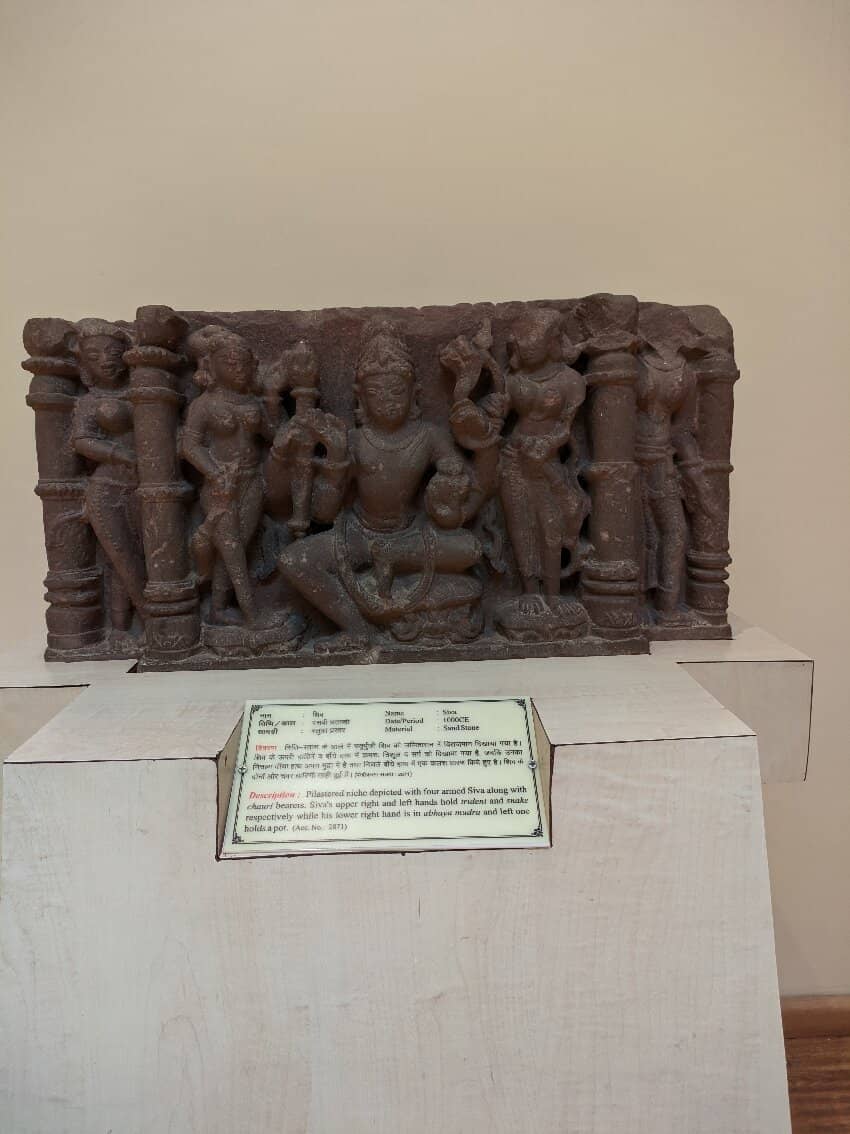
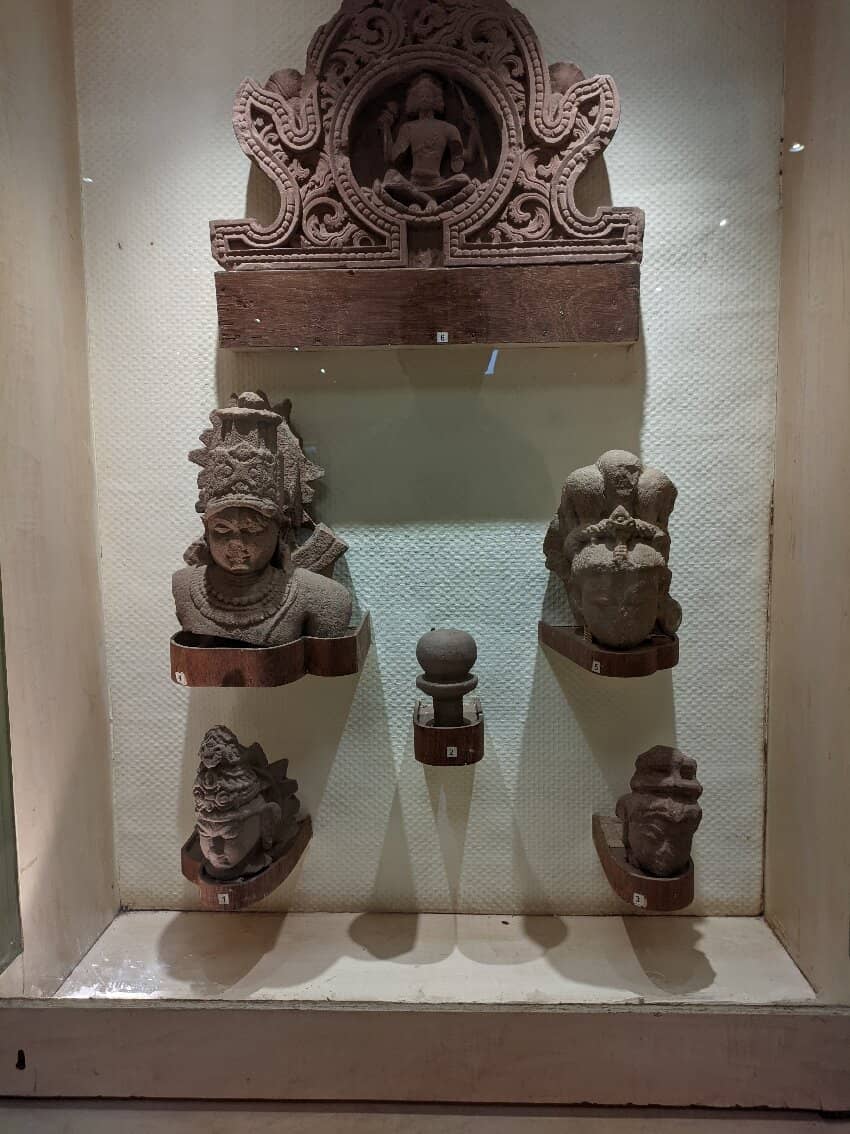
Explore a rich collection of ancient sculptures, artifacts, and relics that tell the story of Sanchi's Buddhist heritage.
Restoration Photographs
Verandah/Courtyards
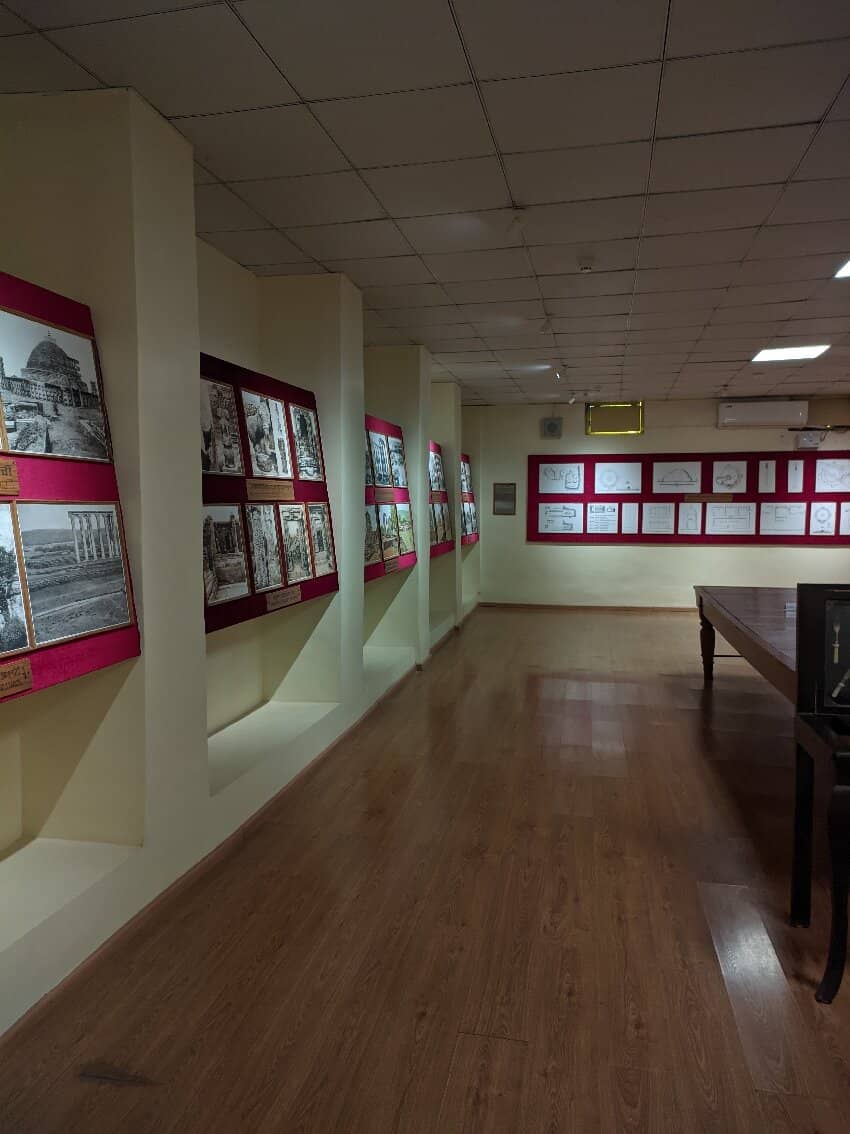
View fascinating photographs showcasing the restoration efforts of the Sanchi Stupa and its surrounding monuments.
Plans like a pro.
Thinks like you
Planning Your Visit
Timing Your Visit
Getting There & Tickets
Best Times
Insider Tips
from TikTok, Instagram & Reddit
🚶 Walk from Stupa
The museum is a short walk (approx. 700m) from the Sanchi Stupa, making it easy to combine visits. :athletic_shoe:
🤝 Friendly Guards
Museum guards are known to be helpful and provide good information about the exhibits. Don't hesitate to ask! :bustsinsilhouette:
📸 Photography Allowed
Capture the historical artifacts and learn about ancient Indian art and culture. 
⏳ Allocate Time
Plan for about 1.5 hours to explore the museum thoroughly. :stopwatch:
Tips
from all over the internet
🚶 Walk from Stupa
The museum is a short walk (approx. 700m) from the Sanchi Stupa, making it easy to combine visits. :athletic_shoe:
🤝 Friendly Guards
Museum guards are known to be helpful and provide good information about the exhibits. Don't hesitate to ask! :bustsinsilhouette:
📸 Photography Allowed
Capture the historical artifacts and learn about ancient Indian art and culture.
⏳ Allocate Time
Plan for about 1.5 hours to explore the museum thoroughly. :stopwatch:
💡 Informative Displays
Exhibits are well-arranged with clear descriptions, offering a great learning experience. :bulb:
What Travellers Say
Reviews Summary
Visitors consistently praise the Sanchi Museum for its well-maintained and organized exhibits, offering a valuable learning experience about ancient Indian history and Buddhist art. The friendly and informative staff, particularly the guards, enhance the visit. While small, the collection is considered a must-see for history buffs and students, providing excellent context for the nearby Sanchi Stupa.
"museum is well-maintained and beautifully organized. Each section is informative and displays are neatly arranged with clear descriptions. It offers a great learning experience for both children and adults. The staff are friendly and helpful, and the place is clean and peaceful. A perfect spot to explore history, art, and culture. Truly worth a visit!"
AKSHAY S
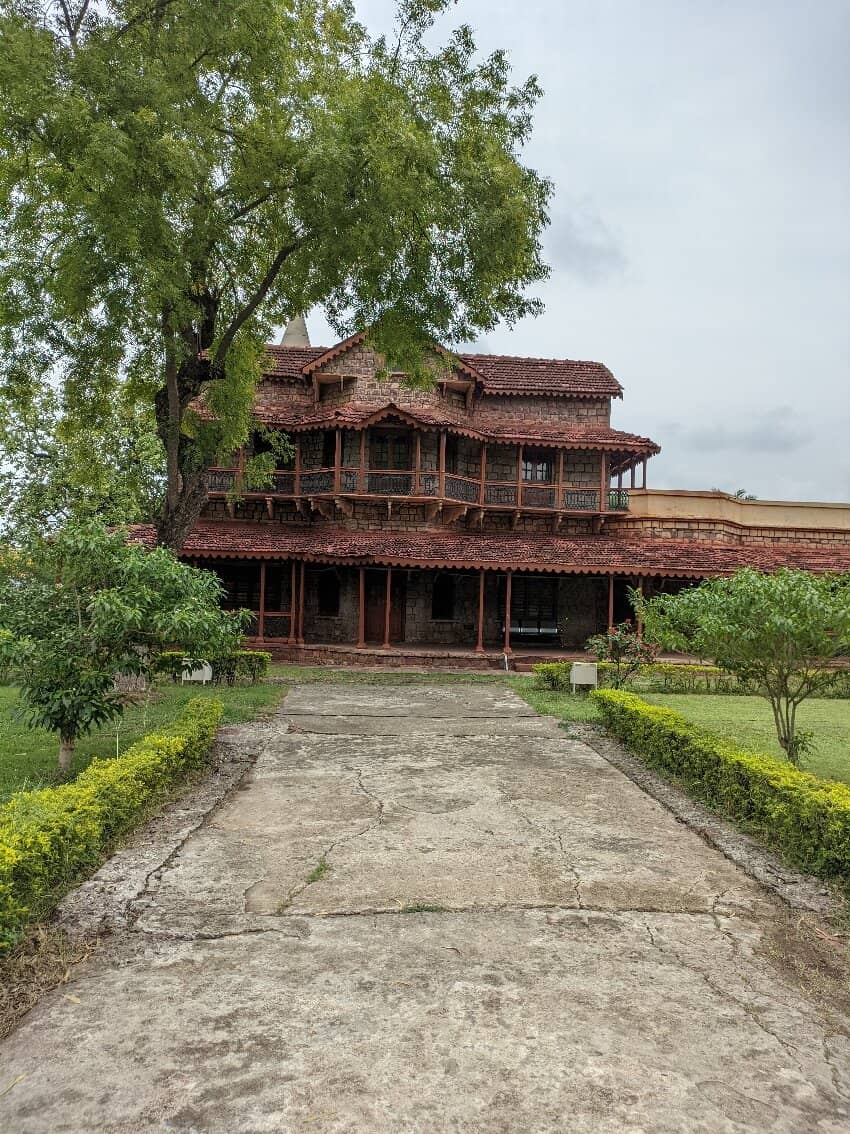
"Archaeological Museum Sanchi established on the hilltop, in 1919, by Sir John Marshall. Subsequently, Archaeological Survey of India acquired a college building at the foot hill of Sanchi Stupa and got the exhibits shifted to the new building in the year 1966 and in the same year the museum was opened for the public. The museum comprises main hall and four galleries besides exhibits in the verandah and a few in open courtyards."
Rajiv Ranjan
"Sanchi Archaeology is a very good place. You will find many types of sculpture here. You must visit here. If you visit Sanchi Stupa, then you must visit Archaeology. It is only 700 meters away from there. If you want, you can also go there by walking. When I went here, I got free entry.If you are interested in sculptures, then you must visit here. Here you will find detailed information about how the Sanchi Stupa was built and how it was constructed. Where were these sculptures found and made? The best thing is that the guards here will cooperate with you in a very good manner. They will give you information in a very good manner and please do not touch any statue after going here."
Lakshmi Raj
What People Like
What People Dislike
Frequently Asked Questions
🚇 🗺️ Getting There
You can reach Sanchi Museum from Bhopal by taking a train to Sanchi Railway Station or by road via taxi or bus. The museum is located near the Sanchi Stupa complex.
No, the Sanchi Museum is conveniently located about 700 meters from the Sanchi Stupa, making it easily walkable.
The nearest airport to Sanchi Museum is Raja Bhoj International Airport in Bhopal, which is approximately 46 km away.
Yes, you can drive to Sanchi Museum. There is usually parking available near the Sanchi Stupa complex.
Within Sanchi, you can walk between the Stupa and the museum. Taxis and auto-rickshaws are also available for local travel.
🎫 🎫 Tickets & Entry
Entry to the Sanchi Museum is often free for visitors, though it's always a good idea to confirm upon arrival.
While the museum may have free entry, the Sanchi Stupa complex typically requires an admission ticket. It's best to check current pricing for both.
The museum's opening hours can vary, but it's generally open during daylight hours. It's advisable to check the latest timings before your visit.
Information on online ticket booking for Sanchi Museum is limited, but it's worth checking official tourism websites for the Sanchi Stupa.
While specific accessibility details are not widely published, the museum is located at the foot of the hill, which may offer better accessibility than the Stupa itself.
🎫 🏛️ Onsite Experience
The museum houses a collection of sculptures, artifacts, tools, weapons, pottery, and restoration photographs related to the Sanchi Stupa and its history.
While official guides might not be readily available, the museum guards are known to be knowledgeable and can provide information about the exhibits.
Photography is generally permitted inside the Sanchi Museum, allowing you to capture the historical artifacts.
A visit to the Sanchi Museum typically takes about 1 to 1.5 hours to explore its collections thoroughly.
The exhibits provide detailed information about the construction of the Sanchi Stupa, the origin of sculptures, and the historical context of the site.
🍽️ 🍽️ Food & Dining
There are limited food options directly at the museum. You can find eateries and restaurants in the vicinity of the Sanchi Stupa complex or in the town of Sanchi.
It's generally advisable to consume food and drinks outside the museum premises to maintain the cleanliness and preservation of the artifacts.
In Sanchi, you can find local Indian cuisine, including vegetarian and non-vegetarian options at various small restaurants and dhabas.
While there might be basic refreshment stalls near the Sanchi Stupa, dedicated cafes or restaurants are more likely to be found in the town.
Packing some snacks and water is a good idea, especially if you plan to spend a significant amount of time exploring both the museum and the Stupa, as options can be limited.
📸 📸 Photography
Yes, photography is generally allowed inside the Sanchi Museum, allowing visitors to document the historical artifacts and sculptures.
While general photography is permitted, it's always wise to be respectful and avoid using flash photography if it might damage the exhibits.
The Lion Capital of the Ashoka Pillar and the various ancient sculptures are popular subjects for photography within the museum.
Drone photography is typically not permitted at historical sites and museums to ensure the safety and preservation of the monuments.
Dedicated photography tours for the museum are not commonly advertised, but you can explore the site at your own pace to capture unique shots.
For Different Travelers
Tailored advice for your travel style
👨👩👧 Families with Kids
Consider visiting during off-peak hours to allow children more space to explore. The proximity to the Sanchi Stupa also means you can combine the museum visit with an outdoor exploration, making for a well-rounded day trip. The guards' willingness to share information can also make the experience more interactive for younger visitors.
📚 History Enthusiasts & Students
The museum's artifacts, including the Ashoka Pillar fragments and detailed sculptures, offer valuable material for academic study. The restoration photographs also provide a unique perspective on archaeological preservation efforts. Don't miss the opportunity to learn from the knowledgeable guards who can offer additional context.
📸 Photographers
While flash photography might be restricted, the ambient lighting often provides a good atmosphere for capturing the textures and details of the artifacts. The restoration photographs also offer a compelling visual narrative that can be interesting to document.
Deep Dives
In-depth insights and expert knowledge
The History of Sanchi Museum
+2The museum's collection spans from approximately 300 BCE to 1200 CE, offering a glimpse into the region's past. It houses a significant array of antiquities, including sculptures, pottery, tools, and remnants of ancient structures. The relocation aimed to create a more accessible and informative space for visitors interested in the history and art of Sanchi.
Visitors can explore the main hall and several galleries, each dedicated to different aspects of the site's heritage. The museum plays a crucial role in contextualizing the Sanchi Stupa, a UNESCO World Heritage Site, by displaying the objects found during excavations and providing insights into the Buddhist art and architecture of ancient India.
+1Key Artifacts and Their Significance
The museum also boasts a diverse collection of sculptures that narrate stories from Buddhist Jataka tales and depict various deities and figures from the era. These sculptures, often found during archaeological excavations around the Sanchi complex, showcase the evolution of artistic styles and religious iconography over centuries.
Beyond sculptures, the museum displays tools, weapons, and pottery, providing insights into the daily life, craftsmanship, and technological advancements of the people who inhabited the region. Additionally, restoration photographs offer a fascinating visual record of the efforts undertaken to preserve the Sanchi Stupa and its surrounding monuments, highlighting the importance of heritage conservation.
Visiting Sanchi: Tips from Travelers
Travelers often highlight the helpfulness of the museum guards, who are willing to share information about the exhibits. This community-driven insight means you might not need a formal guide to appreciate the collection.
For a more comfortable visit, especially during warmer months, it's advised to go during the cooler parts of the day, such as early mornings or late afternoons. The monsoon season is also mentioned as a time when the landscape around Sanchi becomes particularly lush and serene.
Social
from TikTok, Instagram & Reddit