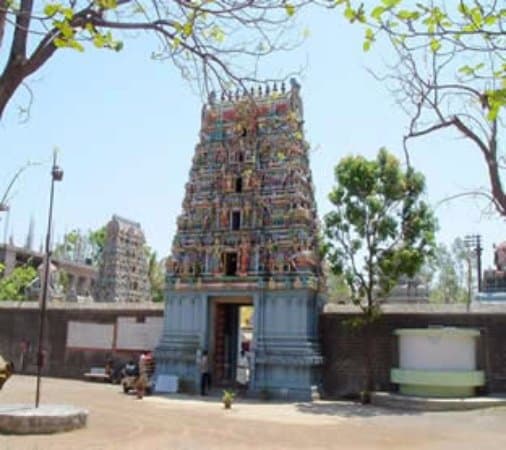
Uttara Chidambaram Nataraja Temple
A serene sanctuary of South Indian Dravidian architecture, dedicated to Lord Nataraja, symbolizing unity and divine dance.

Highlights
Must-see attractions

Social
From TikTok & Reddit
Best Time
Divine and refreshing vibe
Uttara Chidambaram Nataraja Temple
Best Time
Divine and refreshing vibe
Highlights
Must-see attractions
A serene sanctuary of South Indian Dravidian architecture, dedicated to Lord Nataraja, symbolizing unity and divine dance.
"A peaceful place with amazing architecture, you can feel the divine presence here."
📸 No Photography Inside
Cameras are strictly prohibited inside the temple. Embrace the moment and feel the divinity.
👗 Dress Modestly
Wear respectful attire covering shoulders and knees. Avoid shorts and revealing clothes.

Quick Facts
Hours
Rating
4.6 · 1,759 reviews
Type
Hindu Temple
Highlights
Discover the most iconic attractions and experiences
Dravidian Architecture
Entire Temple Complex
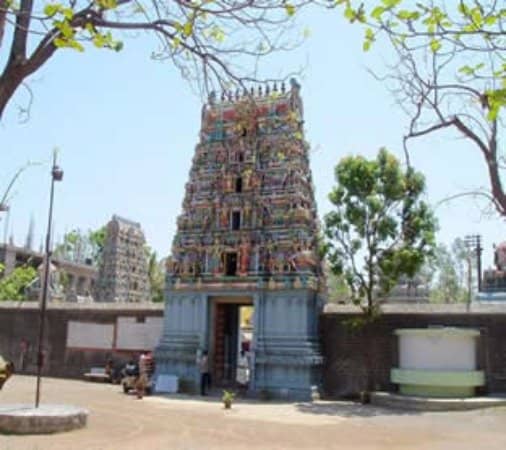
Marvel at the intricate South Indian Dravidian style, featuring towering gopurams and detailed carvings.
Nataraja's Cosmic Dance
Inner Sanctum
Witness the divine representation of Lord Shiva as Nataraja, the cosmic dancer, symbolizing the universe's rhythm.

Four State Contributions
Temple Facade
Appreciate the unique aspect of four walls built with donations from Maharashtra, Andhra Pradesh, Tamil Nadu, and Karnataka.
Plans like a pro.
Thinks like you
Planning Your Visit
Timing Your Visit for Serenity
Respectful Attire and Conduct
Best Times
Insider Tips
from TikTok, Instagram & Reddit
📸 No Photography Inside
Cameras are strictly prohibited inside the temple. Embrace the moment and feel the divinity.
👗 Dress Modestly
Wear respectful attire covering shoulders and knees. Avoid shorts and revealing clothes.
🚗 Easy Highway Access
Conveniently located on the Pandharpur route, easily accessible from the main highway.
🧘♀️ Peaceful Atmosphere
Experience a calm and serene environment perfect for prayer and meditation.
Tips
from all over the internet
📸 No Photography Inside
Cameras are strictly prohibited inside the temple. Embrace the moment and feel the divinity.
👗 Dress Modestly
Wear respectful attire covering shoulders and knees. Avoid shorts and revealing clothes.
🚗 Easy Highway Access
Conveniently located on the Pandharpur route, easily accessible from the main highway.
🧘♀️ Peaceful Atmosphere
Experience a calm and serene environment perfect for prayer and meditation.
🤝 Unity in Architecture
The temple's four walls represent donations from four different states, symbolizing unity.
What Travellers Say
Reviews Summary
Visitors consistently praise the Uttara Chidambaram Nataraja Temple for its serene atmosphere and beautiful South Indian Dravidian architecture. The unique aspect of its construction, funded by four states, is a highlight, symbolizing unity. While photography is prohibited inside, many appreciate this rule, finding it enhances the spiritual experience.
"Natraj Mandir in Satara, also known as Uttara Chidambaram Temple, is one of the most peaceful and beautifully designed temples in the city. Dedicated to Lord Natraj, it reflects South Indian Dravidian architecture with tall gopurams, detailed carvings, and a calm spiritual atmosphere. The temple is clean, well-maintained, and easily accessible from the main highway. I like how it represents unity between different states, as it was built with the support of several southern states. Visiting the temple early morning feels very divine and refreshing. It is an ideal place for prayer, meditation, and appreciating traditional art and culture. In my opinion, Natraj Mandir is not only a religious place but also a cultural landmark of Satara, bringing peace and pride to everyone who visits."
Suraj Shinde
"Good south indian style built temple of god Natarajan, located on pandharpur route. Complete vibe of south Indian style temple, having 4 doors marked based on donation come from various States. Must visit for clean and call environment."
Mangesh Patil
"It's a very peaceful place consisting 4 walls made by four state Govt.s Maharashtra, Andhra Pradesh , Tamilnadu and Karnataka . Camera inside the temple is strictly prohibited. It's a place to feel rather than capture in mobile .A must visit place."
Adv Bhagyashree Khanolkar
What People Like
What People Dislike
Frequently Asked Questions
🚇 🗺️ Getting There
The temple is conveniently located on the Pandharpur route, making it easily accessible by road from Satara city. Many visitors arrive by car, as it's a common stop for those traveling along the highway.
While direct public transport might be limited, you can take a bus towards Pandharpur from Satara and request the driver to stop near the temple. Taxis or auto-rickshaws from Satara city are also readily available.
The temple is well-marked from the main highway. Look for signs indicating the 'Uttara Chidambaram Nataraja Temple' or 'Natraj Mandir'.
Yes, there are usually parking facilities available for visitors arriving by car. It's advisable to arrive a bit early during peak times to secure a good spot.
Absolutely! The temple is an excellent addition to a day trip around Satara, offering a unique cultural and spiritual experience.
🎫 🎫 Tickets & Entry
There is generally no entry fee to visit the main temple complex. However, donations are always welcome and appreciated to help with the temple's maintenance and upkeep.
The temple is typically open from early morning until evening. It's best to visit during daylight hours to fully appreciate the architecture and atmosphere. Early mornings are recommended for a peaceful experience.
No, photography is strictly prohibited inside the temple premises. This rule is in place to maintain the sanctity and peaceful atmosphere of the worship space.
Advance booking is not required for general entry to the temple. Visitors can walk in during opening hours.
Yes, a modest dress code is enforced. Visitors are expected to wear clothing that covers their shoulders and knees. Avoid shorts, sleeveless tops, and revealing attire.
🎫 🧭 Onsite Experience
The temple is a beautiful example of South Indian Dravidian architecture, featuring tall gopurams (temple towers) and intricate carvings, reminiscent of temples in Tamil Nadu.
A unique aspect is that its four walls were built with financial support from four different state governments: Maharashtra, Andhra Pradesh, Tamil Nadu, and Karnataka, symbolizing national unity.
The temple is dedicated to Lord Nataraja, a form of Lord Shiva as the cosmic dancer. The idol represents the divine dance that symbolizes the rhythm of the universe. 
Yes, the temple is renowned for its peaceful and serene atmosphere, making it an ideal location for prayer, meditation, and spiritual reflection. +1
While specific poojas might be available, the primary focus for visitors is often on experiencing the divine presence and the architectural beauty. Inquire with temple authorities for details on specific rituals.
🍽️ 🍽️ Food & Dining
While the immediate vicinity might have limited options, you can find local eateries and restaurants in Satara city, which is a short drive away. These typically offer Maharashtrian cuisine.
Given the temple's South Indian architectural style, you might find some South Indian food options in Satara city, though it's not guaranteed. It's advisable to check local listings.
It is generally not advisable to consume food within the temple complex to maintain its sanctity. It's best to eat before or after your visit.
Visitors often enjoy trying local Maharashtrian snacks and meals available in Satara city. The temple itself is more about spiritual experience than culinary offerings.
Satara city offers a range of dining options, from local dhabas to more established restaurants, serving both Maharashtrian and some North Indian dishes.
📸 📸 Photography
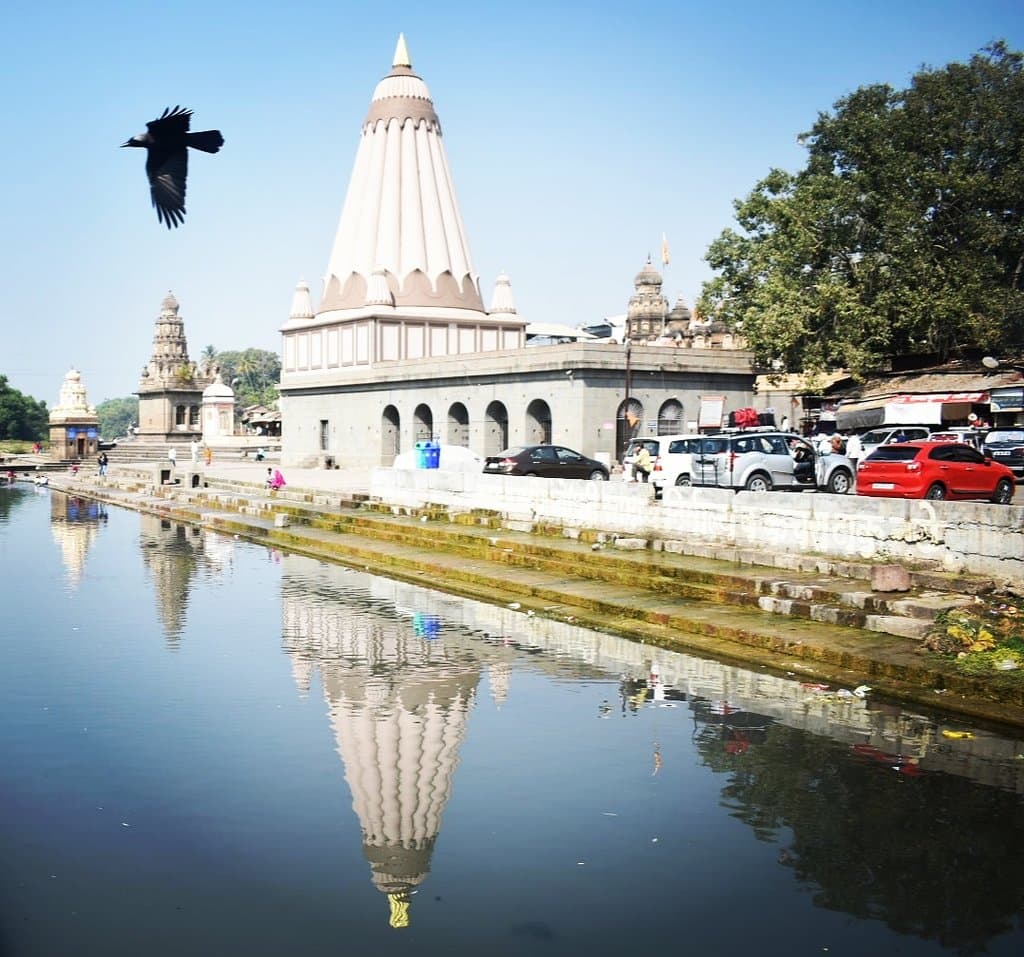
Photography is generally allowed for the exterior of the temple, allowing you to capture its impressive Dravidian architecture and the surrounding natural beauty.
Photography is prohibited inside to preserve the sanctity and spiritual atmosphere of the worship areas. It encourages visitors to focus on the divine experience rather than capturing images.
The towering gopurams and the intricate carvings on the outer walls offer excellent opportunities for exterior photography. The surrounding natural landscape also provides a scenic backdrop.
Early morning or late afternoon light can be ideal for capturing the temple's beauty, offering softer light and fewer crowds.
Focus on the grandeur of the gopurams, the detailed stonework, the unique four-wall structure, and the serene environment surrounding the temple.

Social
from TikTok, Instagram & Reddit