
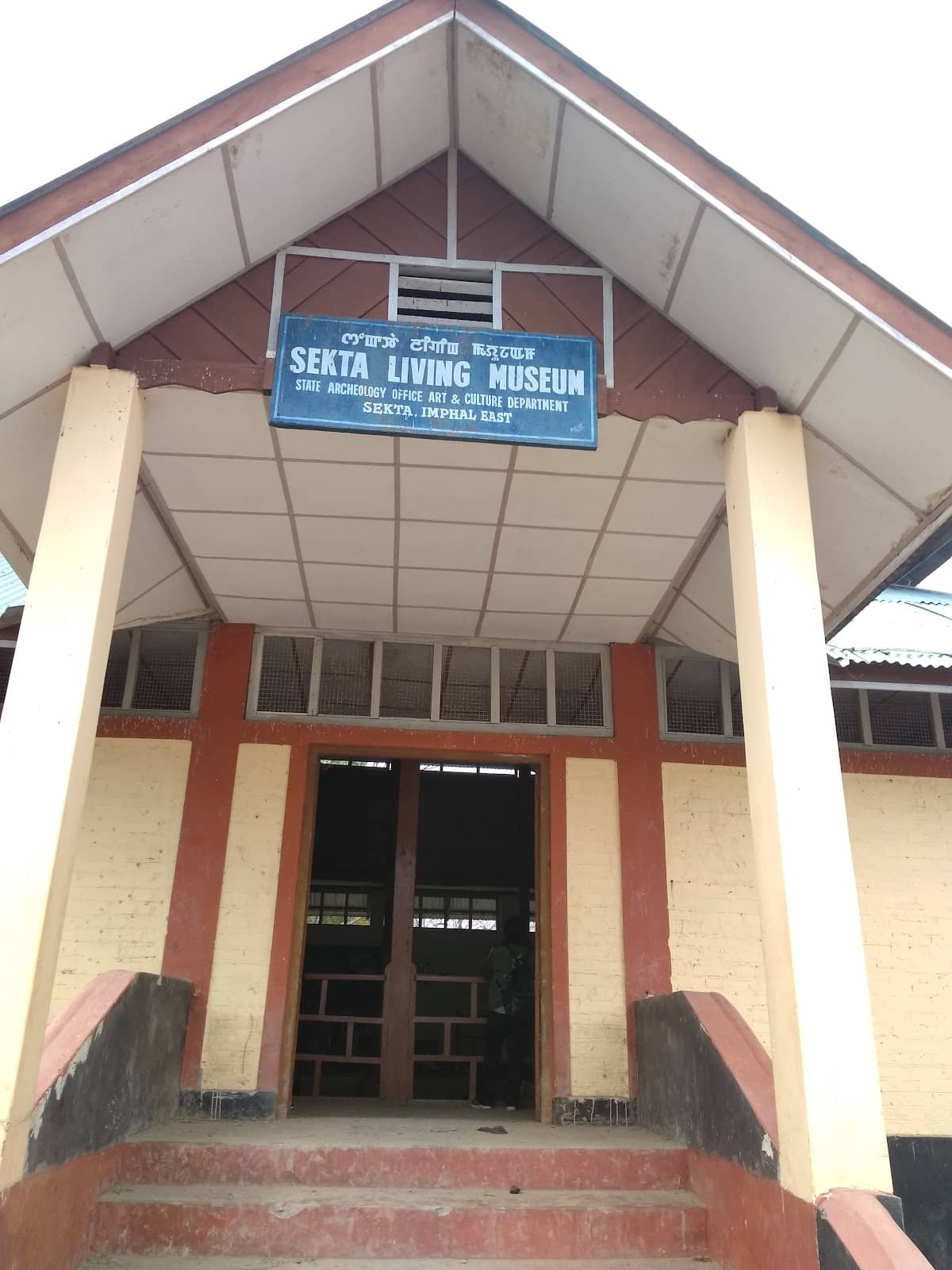
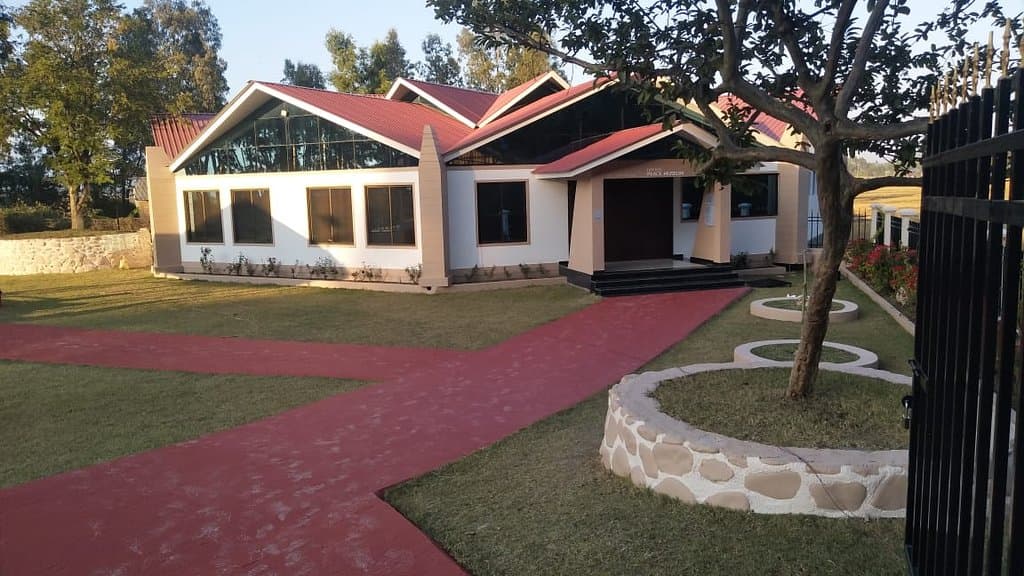
Sekta Archaeological Living Museum
Explore ancient tribal history at Sekta Kei, a unique archaeological site with medieval burial artifacts and insights into Manipur's past.
Highlights
Must-see attractions

Social
From TikTok & Reddit
Best Time
Pleasant weather for exploring
Sekta Archaeological Living Museum
Best Time
Pleasant weather for exploring
Highlights
Must-see attractions
Explore ancient tribal history at Sekta Kei, a unique archaeological site with medieval burial artifacts and insights into Manipur's past.
"A fascinating glimpse into 14th-15th century tribal life and burial rituals, with unique artifacts."

Free Admission! 🎉
Enjoy this historical gem without any entry fees. Perfect for budget travelers exploring Imphal.
Public Transport Friendly 🚌
Easily reachable from Imphal using local public transport. Ask locals for the best routes.

Quick Facts
Hours
Rating
4.3 · 34 reviews
Type
Museum
Highlights
Discover the most iconic attractions and experiences
Ancient Tribal Artifacts
Main Museum Exhibits
Discover rare antiques, pottery, and metalwork detailing 14th-15th century tribal traditions and rituals.
Secondary Burial Site Evidence
Excavated Mound
Explore the historic hotspot where evidence of secondary burial practices was unearthed by ASI and State Archaeology.
Royal & INA Memorabilia
Special Exhibits
See artifacts belonging to ex-Meitei and Naga rulers, alongside memories of the Indian National Army.
Plans like a pro.
Thinks like you
Planning Your Visit
Timing is Everything
Getting There & What to Expect
Best Times
Insider Tips
from TikTok, Instagram & Reddit
Free Admission! 🎉
Enjoy this historical gem without any entry fees. Perfect for budget travelers exploring Imphal.
Public Transport Friendly 🚌
Easily reachable from Imphal using local public transport. Ask locals for the best routes.
Embrace the Uniqueness 💀
Prepare for a fascinating, albeit unusual, collection including human skulls and burial artifacts.
Winter is Ideal ☀️
Visit between November and February for the most comfortable weather to explore the site.
Tips
from all over the internet
Free Admission! 🎉
Enjoy this historical gem without any entry fees. Perfect for budget travelers exploring Imphal.
Public Transport Friendly 🚌
Easily reachable from Imphal using local public transport. Ask locals for the best routes.
Embrace the Uniqueness 💀
Prepare for a fascinating, albeit unusual, collection including human skulls and burial artifacts.
Winter is Ideal ☀️
Visit between November and February for the most comfortable weather to explore the site.
What Travellers Say
Reviews Summary
Visitors find Sekta Archaeological Living Museum a fascinating and unique historical site, particularly for its insights into ancient tribal burial practices and artifacts. While the displays can be unusual, the free entry and accessibility make it a worthwhile stop for history enthusiasts. The winter season is recommended for the best experience.
"Also known as the Sekta Kei, The Sekta Archaeological Living Museum is one of the prominent tourist attractions in Imphal, which is famed as drawing attention of archaeologists, historians and tourists from across the globe. Visiting the museum, tourists come across rare and unfamiliar antiques detailing the history of the tribes of the 14th and 15th century which truly appears to be fascinating in its own way. Exploring the different sections in the museum gives the tourists the detailed insight about the tradition and rituals which the tribe followed during that time for their existence. Even though it is believed to be a burial site, the place has some vibes that grabs the attention of the visitors. One could spot an uncommon collection of human skulls, semi-precious stones, ornaments, pottery and metal equipment belonging to the erstwhile period are well-preserved in the museum which could be weird but interesting at the same time. Not just this, but the museum also has artefacts belonging to the ex-Meitei and Naga rulers, and memories of the Indian National Army. Adding to this, the land on which the Sekta Archaeological Living Museum stands was initially an excavated site, jointly unearthed by Archaeological Survey of India (ASI) and the State Archaeology Department.
HOW TO REACH?
One could avail the public transport facility to make it to the Sekta Archaeological Living when in Imphal.
BEST TIME TO VISIT?
Can be visited all throughout the year, but consider visiting the Sekta Archaeological Living Museum during the winter season i.e., between November and February to make the most out of your trip to Imphal.
VISITING TIME
The museum opens at sunrise i.e., 05:30 AM and closes at sunset i.e., 04:30 PM. (All the days of the week).
ENTRY FEES
There is no entry fee to Sekta Archaeological Living Museum."
Bidyanand Hijam
"Location is accurate.
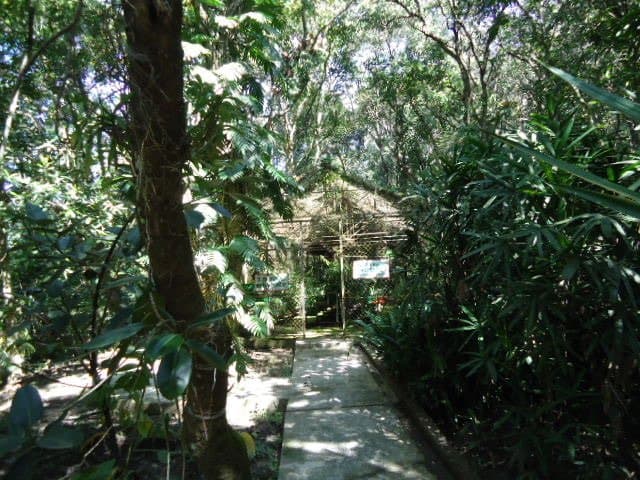
Sekta Mound also known as 'Sekta Kei' is a protected archaeological site. The historic hotspot is located at Sekta village, about 16Kms from Imphal in Imphal-Ukhrul Road. It is a place where evidence of the practice of secondary burial was discovered. Thr site was jointly excavated by the Archaeological survey of India and the state archaeologists."
Amarlincon Khumukcham
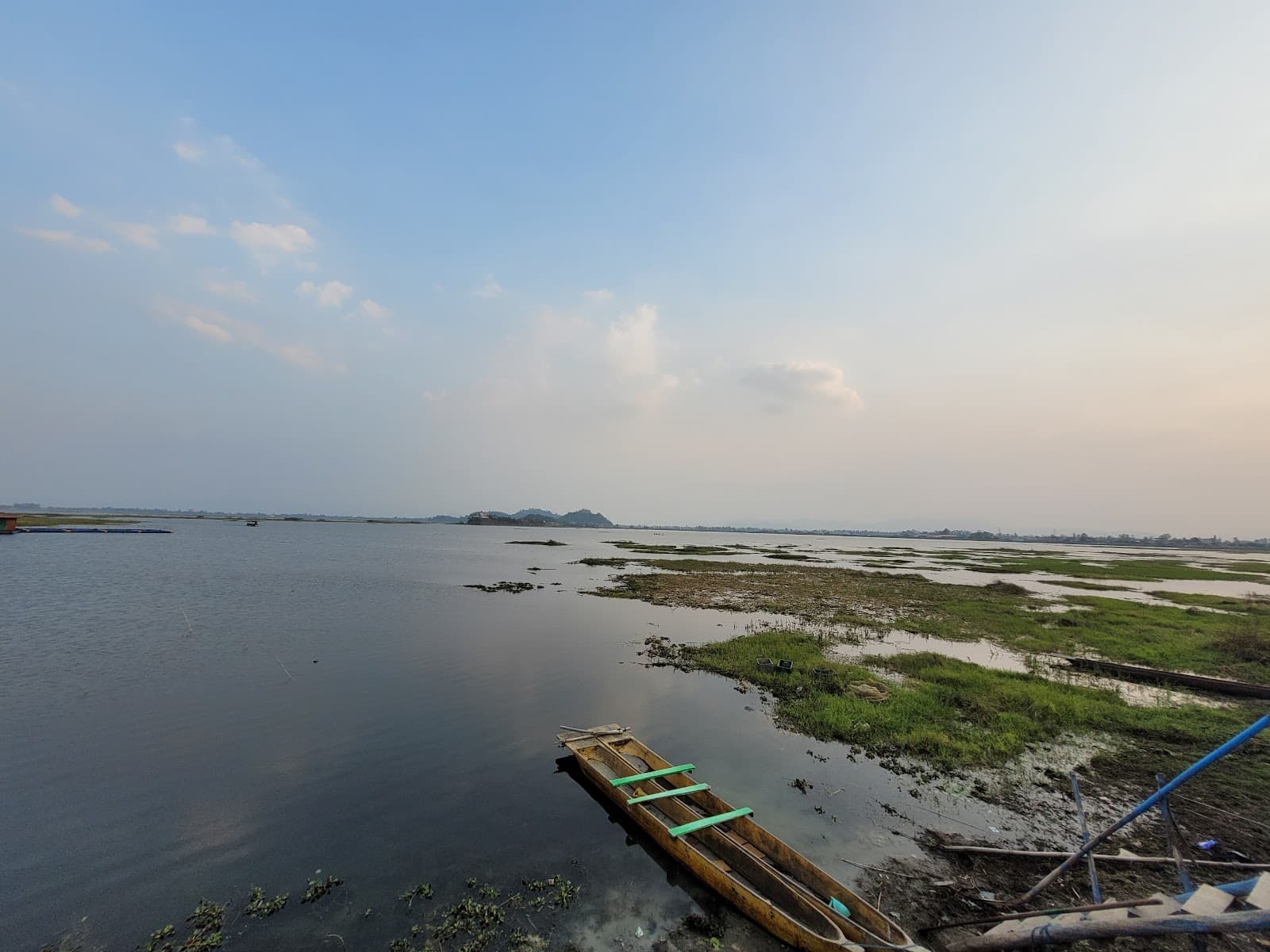
"Medieval Meitei secondary burial site on the banks of the Iril River."
sanjoy akoijam
What People Like
What People Dislike
Frequently Asked Questions
🚇 🗺️ Getting There
The museum is located about 16 km from Imphal. You can easily reach it using public transport from Imphal. Locals can guide you to the correct buses or shared taxis heading towards Sekta village on the Imphal-Ukhrul Road.
Yes, it's a prominent tourist attraction and an excavated site. It's situated on the Imphal-Ukhrul Road, making it relatively straightforward to locate. Asking locals for 'Sekta Kei' will also help.
Public transport is recommended and budget-friendly. Shared taxis or local buses are common options from Imphal. The journey takes approximately 30-45 minutes depending on traffic.
Yes, you can drive to the museum. The location is accurate and accessible by road. Parking availability might vary, but it's generally manageable.
The museum is located in Sekta village, on the banks of the Iril River. It's a well-known archaeological site, so local directions should be easy to obtain.
🎫 🎫 Tickets & Entry
There is no entry fee to visit the Sekta Archaeological Living Museum, making it a completely free attraction for all visitors.
The museum is open daily from sunrise (approximately 5:30 AM) to sunset (approximately 4:30 PM). This allows for flexible visiting times throughout the day.
No, advance booking is not required as there is no entry fee. You can visit anytime during the operational hours.
Yes, the museum is open all days of the week, including weekends, from sunrise to sunset.
The museum operates on standard sunrise to sunset hours daily. No specific events are usually advertised, but it's always good to check local listings if you're visiting during a festival.
🎫 🧭 Onsite Experience
You can see rare antiques, human skulls, semi-precious stones, ornaments, pottery, and metal equipment from the 14th-15th centuries. It details tribal traditions and rituals, and also houses artifacts from ex-Meitei and Naga rulers and the Indian National Army.
Yes, Sekta Kei is known as a protected archaeological site and a medieval Meitei secondary burial site. Evidence of secondary burial practices was discovered here during excavations.
It's significant for understanding the history and traditions of the tribes of the 14th and 15th centuries, particularly their burial rituals. It also holds artifacts from local rulers and the INA.
While educational, the museum displays include human skulls and burial artifacts, which might be sensitive for very young children. Parents should use their discretion.
The term 'living museum' likely refers to its status as an active archaeological site and its role in preserving and showcasing the living history and traditions of the past, rather than a traditional museum with curated exhibits.
📸 📸 Photography
Photography rules can vary. It's advisable to check for signage upon arrival or ask a museum attendant. Generally, personal photography is often permitted, but flash might be restricted for artifact preservation.
While not explicitly stated, it's common for historical and archaeological sites to have restrictions on flash photography to protect delicate artifacts. Be mindful of your surroundings.
The excavated mound area and the displays of ancient pottery and ornaments offer good photographic opportunities. The surrounding natural beauty, like lotus ponds, can also be picturesque.
Drone usage is typically restricted at archaeological sites and protected areas due to privacy and preservation concerns. It's best to assume it's not allowed unless explicitly permitted.
You can capture images of ancient tools, pottery, personal adornments, and the unique landscape of the excavated site. The historical context makes for compelling shots.


Social
from TikTok, Instagram & Reddit