Teesta Riverbank Dzongu
Discover Dzongu, a pristine Lepcha heartland in Sikkim, offering serene landscapes, authentic culture, and the majestic Teesta River.
Highlights
Must-see attractions

Social
From TikTok & Reddit
Best Time
Pleasant weather, blooming flowers
Teesta Riverbank Dzongu
Best Time
Pleasant weather, blooming flowers
Highlights
Must-see attractions
Discover Dzongu, a pristine Lepcha heartland in Sikkim, offering serene landscapes, authentic culture, and the majestic Teesta River.
"Dzongu offers a truly authentic cultural immersion with breathtaking natural beauty."
Permit is a must! 🎟️
Dzongu is a protected area. Secure your permits in advance through a registered tour operator or the Sikkim Tourism Department.
Embrace homestays :house_with_garden:
Opt for local homestays for an authentic cultural immersion and delicious home-cooked meals. It's a unique experience!
Quick Facts
Highlights
Discover the most iconic attractions and experiences
Teesta River Views
Along the riverbanks
Witness the majestic Teesta River, the lifeblood of Sikkim, flowing through lush valleys. Its turquoise waters are a sight to behold.
Local Lepcha Villages
Various hamlets within Dzongu
Experience the unique culture and traditions of the indigenous Lepcha community. Homestays offer an authentic glimpse into their lives.
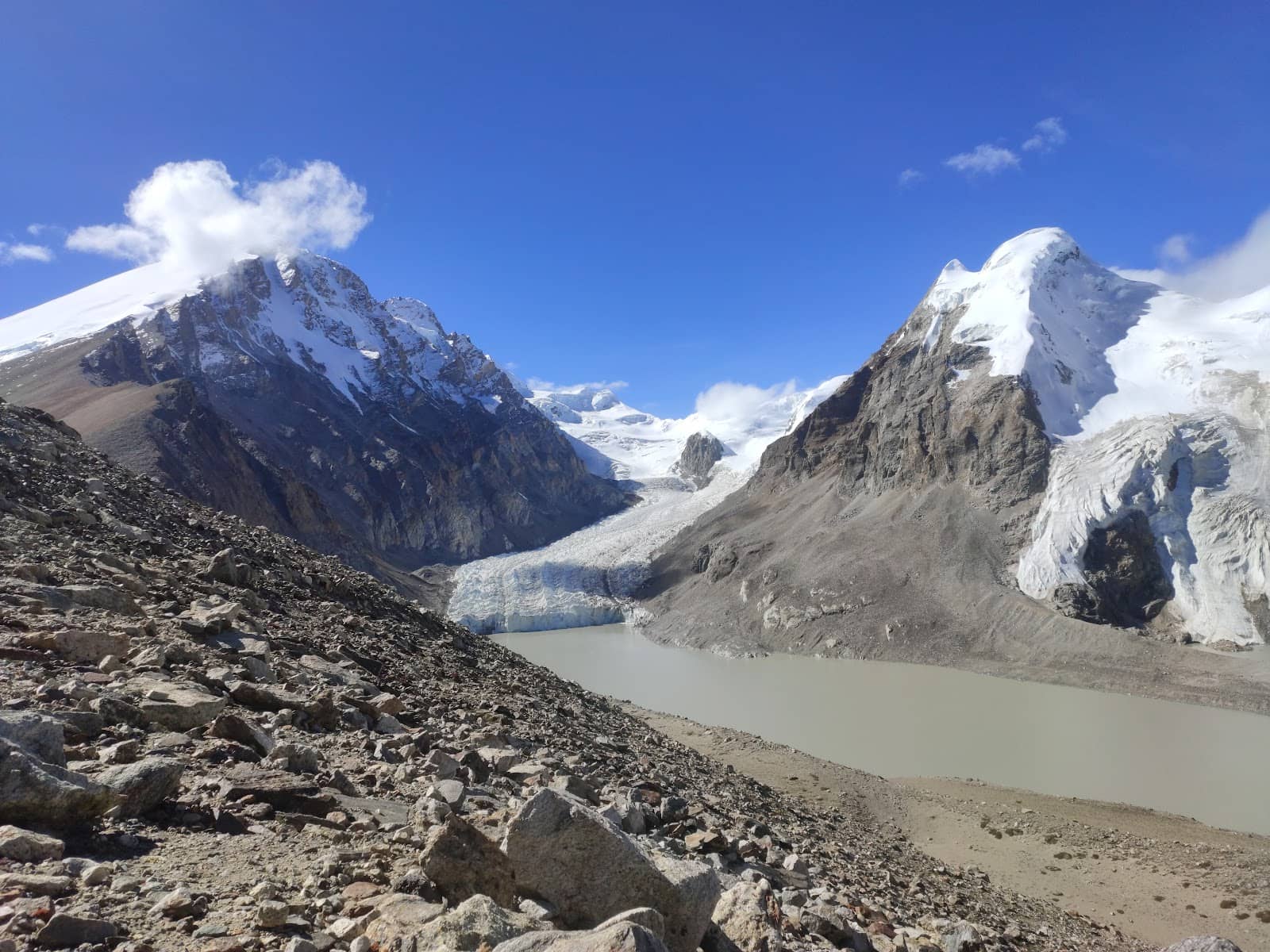
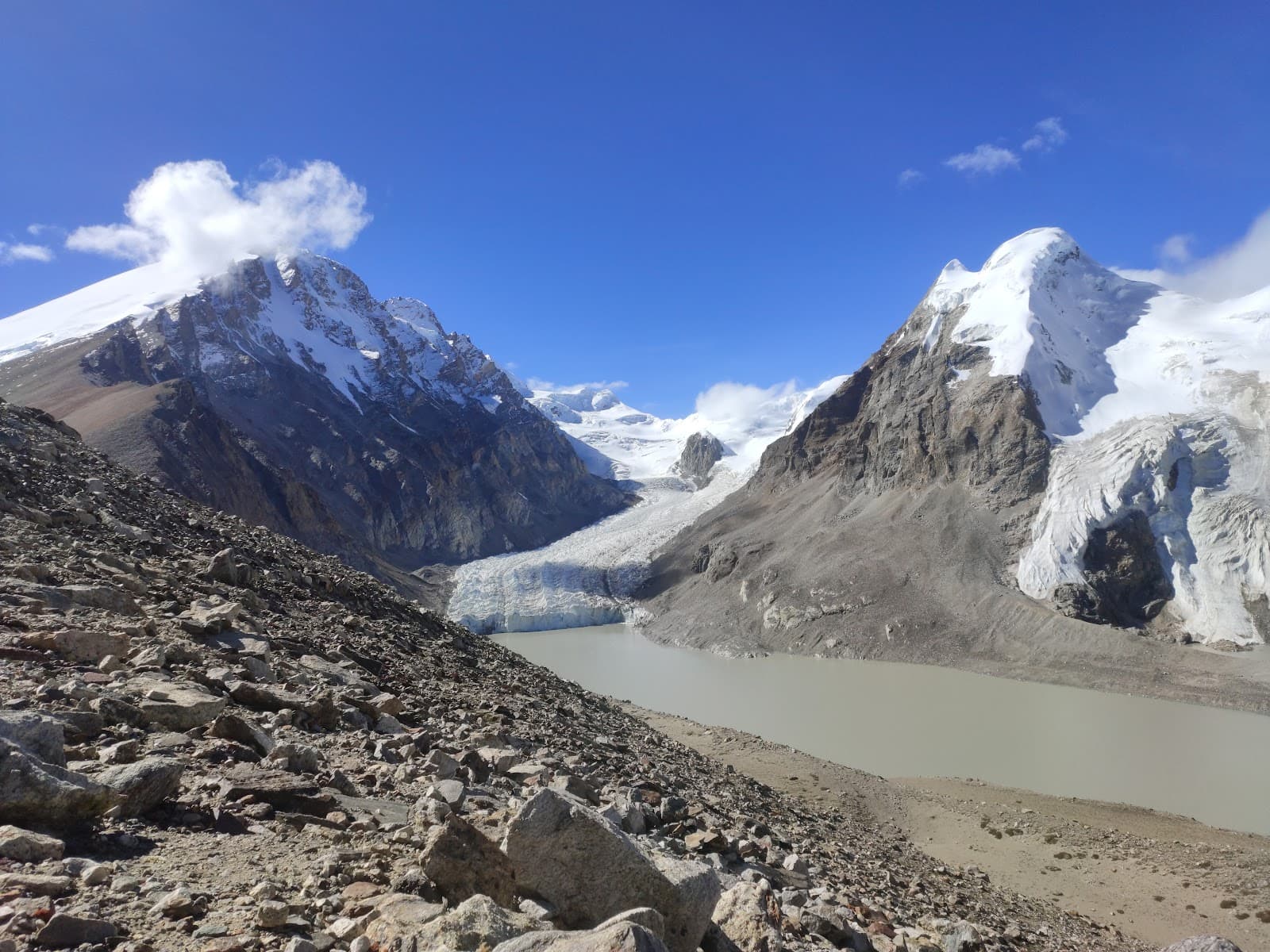
Khangtse Glacier Views
Northern Sikkim viewpoints
Catch glimpses of the Teesta River's source, the Khangtse Glacier, a breathtaking natural wonder in the northern Himalayas.
Plans like a pro.
Thinks like you
Planning Your Visit
Accessing Dzongu
Best Time to Visit Dzongu
Best Times
Insider Tips
from TikTok, Instagram & Reddit
Permit is a must! 🎟️
Dzongu is a protected area. Secure your permits in advance through a registered tour operator or the Sikkim Tourism Department.
Embrace homestays :house_with_garden:
Opt for local homestays for an authentic cultural immersion and delicious home-cooked meals. It's a unique experience!
Pack for varying weather ☁️
Sikkim's weather can change quickly. Carry layers, including a waterproof jacket, even during pleasant seasons.
Respect local customs 🙏
Be mindful of the Lepcha culture. Dress modestly and ask for permission before taking photos of people or their homes.
Tips
from all over the internet
Permit is a must! 🎟️
Dzongu is a protected area. Secure your permits in advance through a registered tour operator or the Sikkim Tourism Department.
Embrace homestays :house_with_garden:
Opt for local homestays for an authentic cultural immersion and delicious home-cooked meals. It's a unique experience!
Pack for varying weather ☁️
Sikkim's weather can change quickly. Carry layers, including a waterproof jacket, even during pleasant seasons.
Respect local customs 🙏
Be mindful of the Lepcha culture. Dress modestly and ask for permission before taking photos of people or their homes.
What Travellers Say
Reviews Summary
Visitors rave about the serene beauty and authentic cultural experience of Dzongu, particularly the warmth of the Lepcha people and the immersive homestay opportunities. The stunning natural landscapes, including the Teesta River, are a major draw. However, some find the travel to Dzongu challenging due to road conditions and the need for permits.
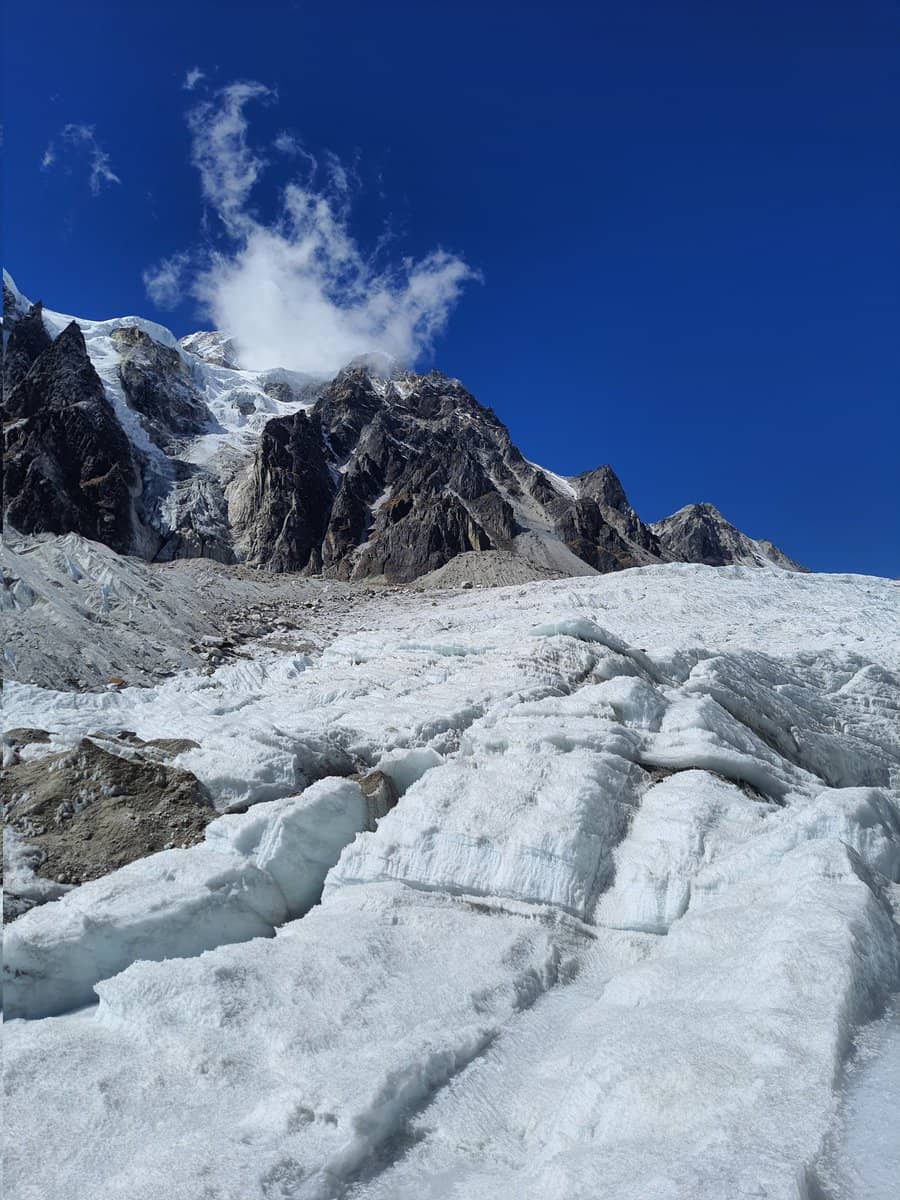
"This is really attractive. Teesta Khangtse Glacier or Tista Khangtse Glacier is located in the north of Sikkim, India, in a region bordering Tibet. This valley glacier is the primary source of the Teesta River."
Thushara Rathnayaka
"can someone telll me how to reach there"
Piyush Kumar Jha
"India 🇮🇳🇮🇳🇮🇳🇮🇳"
Abhishek Tandon
What People Like
What People Dislike
Frequently Asked Questions
🚇 🗺️ Getting There
To reach Dzongu from Gangtok, you'll typically need to hire a private taxi or arrange for shared transport. The journey takes approximately 3-4 hours and involves scenic, winding roads. It's advisable to book your transport in advance, especially during peak season. Some travelers mention that the roads can be rough in certain stretches, so be prepared for a bumpy ride.
From Siliguri, you can take a shared taxi or a private car to Gangtok, and then proceed to Dzongu. Alternatively, you can find direct taxis from Siliguri to Melli, a border town, and then arrange further transport. The entire journey from Siliguri can take a full day, so consider breaking it up if possible.
Yes, Dzongu is a restricted area and requires a Protected Area Permit (PAP) for all Indian nationals and a Restricted Area Permit (RAP) for foreign nationals. These permits are usually arranged by your tour operator or homestay host when you book your trip. Ensure you have these arranged well in advance of your travel date.
The roads leading to and within Dzongu are primarily mountain roads. While some are paved, others can be unpaved or under repair, especially after monsoon seasons. Expect winding paths with steep inclines and descents. Hiring a sturdy vehicle with an experienced driver is highly recommended.
While direct public transport to Dzongu is limited, you can take buses or shared taxis to Gangtok. From Gangtok, you will likely need to arrange private taxis or shared jeeps specifically for Dzongu, as regular public buses do not service the area extensively.
🎫 🎫 Tickets & Entry
Permits for Dzongu are typically arranged by your tour operator or homestay provider. You'll need to provide identification documents. Foreign nationals will require a Restricted Area Permit (RAP), while Indian nationals need a Protected Area Permit (PAP). It's crucial to have these processed before your arrival.
There are no direct entry fees for Dzongu itself, but you will need to pay for your permits. Additionally, some monasteries or specific sites within Dzongu might have nominal entrance fees or donation boxes.
Permit offices, usually located in Gangtok or at border checkposts, generally operate during standard government office hours, typically from 9 AM to 5 PM on weekdays. It's best to confirm timings beforehand or have your permits arranged by your accommodation provider.
It is highly unlikely to obtain permits upon arrival directly at Dzongu. Permits must be pre-arranged and processed through authorized channels in Gangtok or other designated offices before you travel to the restricted area.
For Indian nationals, a valid government-issued ID (like Aadhar card, Voter ID, or Passport) is required. Foreign nationals will need their passport with a valid Indian visa and may need to submit passport-sized photographs. Your tour operator will guide you on the exact requirements.
🎫 🏞️ Onsite Experience
Dzongu is renowned for its pristine natural beauty and the unique Lepcha culture. Key highlights include the scenic Teesta River, picturesque Lepcha villages like Lumdang and Sangkhalang, and the opportunity to witness the source of the Teesta, the Khangtse Glacier, from afar. Many visitors also enjoy visiting local monasteries and experiencing traditional Lepcha homestays.
Yes, Dzongu offers excellent opportunities for trekking and nature walks. Trails wind through lush forests, past waterfalls, and offer stunning views of the surrounding mountains and valleys. Local guides can help you explore the best routes, from easy village walks to more challenging hikes.
Accommodation in Dzongu primarily consists of traditional Lepcha homestays. These offer a unique cultural experience, allowing you to interact with local families, savor authentic cuisine, and learn about their way of life. Some basic guesthouses might also be available.
Besides exploring villages and enjoying nature, you can engage in bird watching, photography, and learning about Lepcha traditions. Some visitors enjoy visiting local cardamom fields and understanding the agricultural practices. Relaxing by the Teesta River is also a popular pastime.
Mobile network coverage in Dzongu can be spotty and varies by location and service provider. While some areas might have limited connectivity, it's best to expect that you might be disconnected for parts of your stay. Inform your family and friends about this beforehand.
🍽️ 🍽️ Food & Dining
In Dzongu, you'll primarily experience authentic Lepcha cuisine, often served at homestays. Expect dishes made with locally sourced ingredients like bamboo shoots, leafy greens, and river fish. Try 'Gundruk' (fermented leafy greens), 'Kinema' (fermented soybeans), and various preparations of pork and chicken. Local rice and millet-based dishes are also common.
Dzongu is a rural area, and formal restaurants are scarce. The main dining experience will be through your homestay, where hosts prepare traditional meals for their guests. This offers a more intimate and authentic culinary journey.
Yes, vegetarian options are usually available, especially if you communicate your dietary preferences to your homestay hosts in advance. They can prepare delicious meals using local vegetables and grains. Rice, dal, and vegetable curries are common vegetarian staples.
Meal times are generally aligned with traditional schedules. Breakfast is usually served in the morning, followed by lunch in the afternoon, and dinner in the evening. It's good to coordinate with your hosts regarding specific timings.
Small local shops or 'kirana' stores might be available in some villages, offering basic snacks and beverages. However, options are limited. It's advisable to carry some of your preferred snacks and bottled water, especially if you plan to go on longer treks.
📸 📸 Photography
Dzongu offers incredible photographic opportunities. Capture the majestic Teesta River, the vibrant green valleys, traditional Lepcha houses, and the smiling faces of the local people. Sunrise and sunset views over the mountains are particularly stunning. Don't forget to photograph the unique flora and fauna you encounter on treks.
It's always best to ask for permission before photographing people, especially in rural and culturally sensitive areas like Dzongu. While many locals are friendly, respecting their privacy is paramount. A polite gesture and a smile go a long way.
A versatile camera with a good zoom lens is recommended to capture both landscapes and details. A wide-angle lens is great for sweeping vistas, while a telephoto lens can be useful for distant mountain views or wildlife. Don't forget extra batteries and memory cards, as charging points might be limited.
Generally, there are no specific photography restrictions in public areas. However, always be mindful and respectful when photographing religious sites like monasteries. Avoid intrusive photography and always seek permission if unsure.
The golden hours – early morning and late afternoon – offer the best light for photography in Dzongu, casting a warm glow on the landscapes and mountains. Midday sun can be harsh, so consider this when planning your photo sessions.
Social
from TikTok, Instagram & Reddit