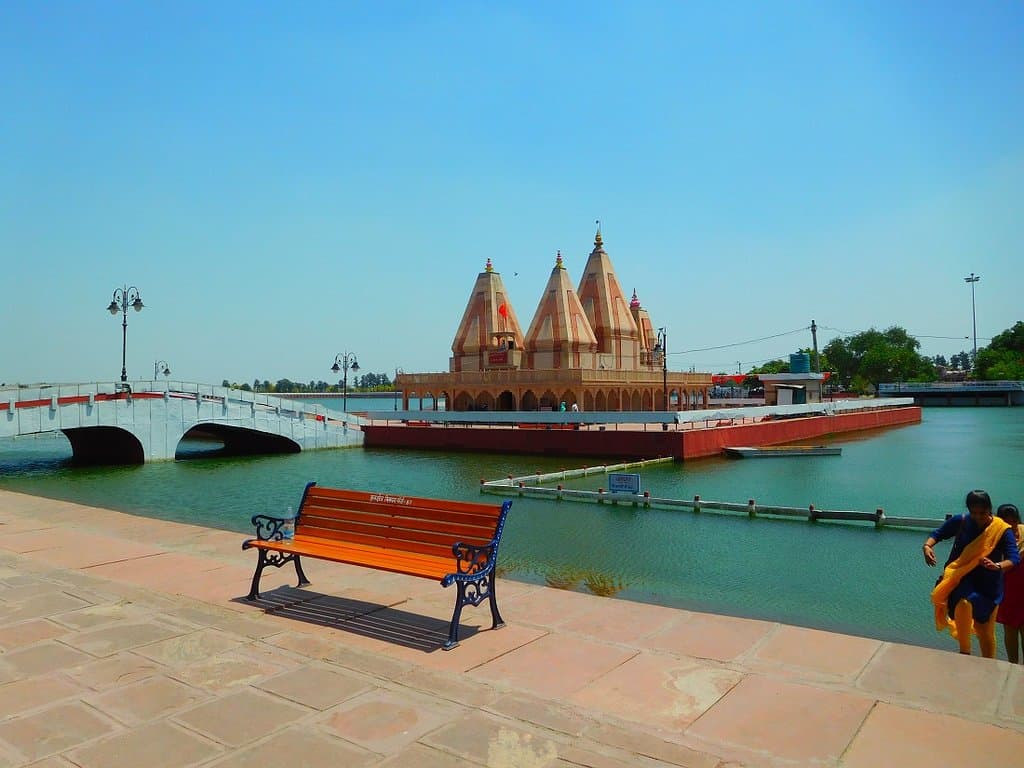
Brahma Sarovar Kurukshetra
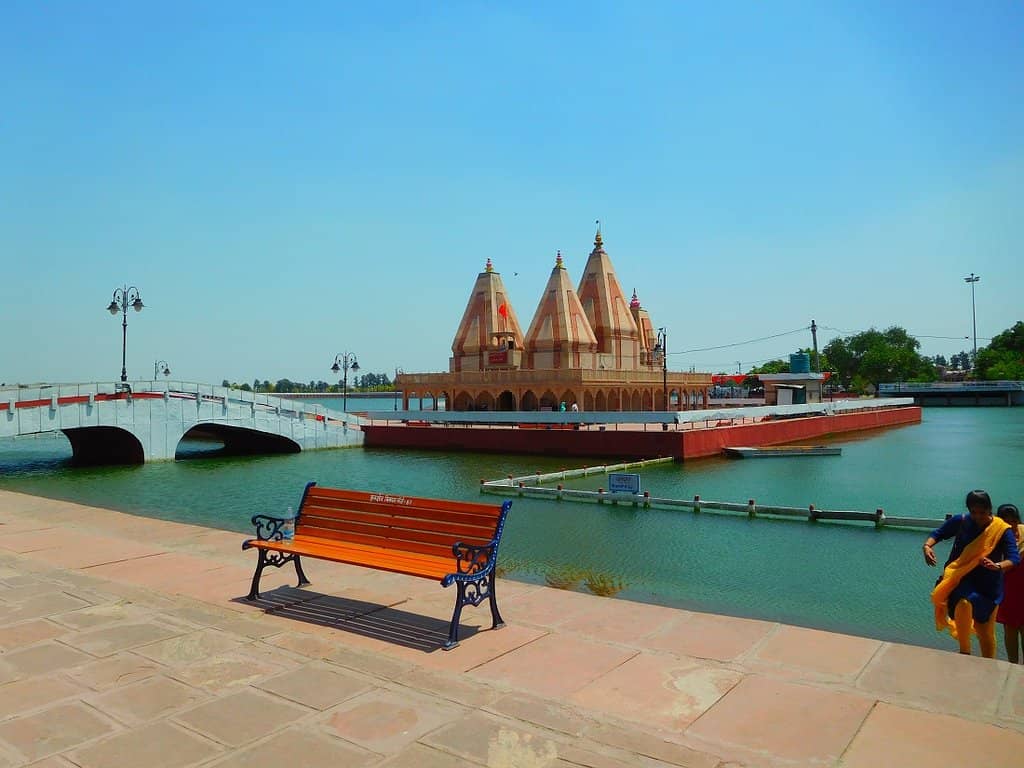
A sacred, expansive man-made sarovar in Kurukshetra, steeped in mythology and history, offering spiritual reflection and cultural exploration.
Highlights
Must-see attractions

Social
From TikTok & Reddit
Best Time
Peaceful atmosphere
Brahma Sarovar Kurukshetra
Best Time
Peaceful atmosphere
Highlights
Must-see attractions
A sacred, expansive man-made sarovar in Kurukshetra, steeped in mythology and history, offering spiritual reflection and cultural exploration.
"Brahma Sarovar is a sacred expanse where mythology, divinity, and the search for truth converge quietly."
Dress Modestly
Wear respectful attire, especially when visiting temples or observing rituals. :womaninturban:
Feed the Fishes
You can buy fish food for a small fee (₹10-20) to feed the fishes in the sarovar. 🐟
Quick Facts
Rating
4.7 · 4,599 reviews
Type
Natural Feature
Highlights
Discover the most iconic attractions and experiences
Brahma Sarovar Waters
The main water body
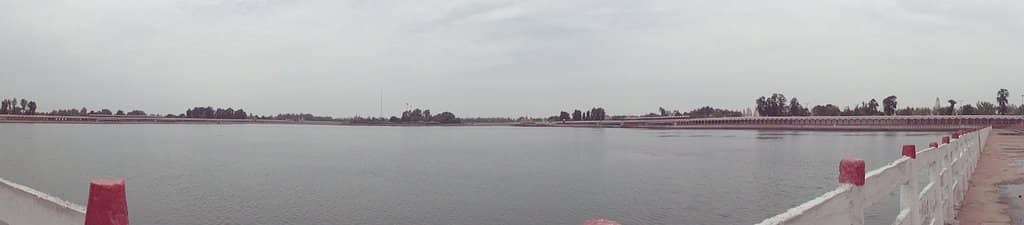
Asia's largest man-made sarovar, believed to be created by Lord Brahma. Reflective waters offer a serene spiritual experience.
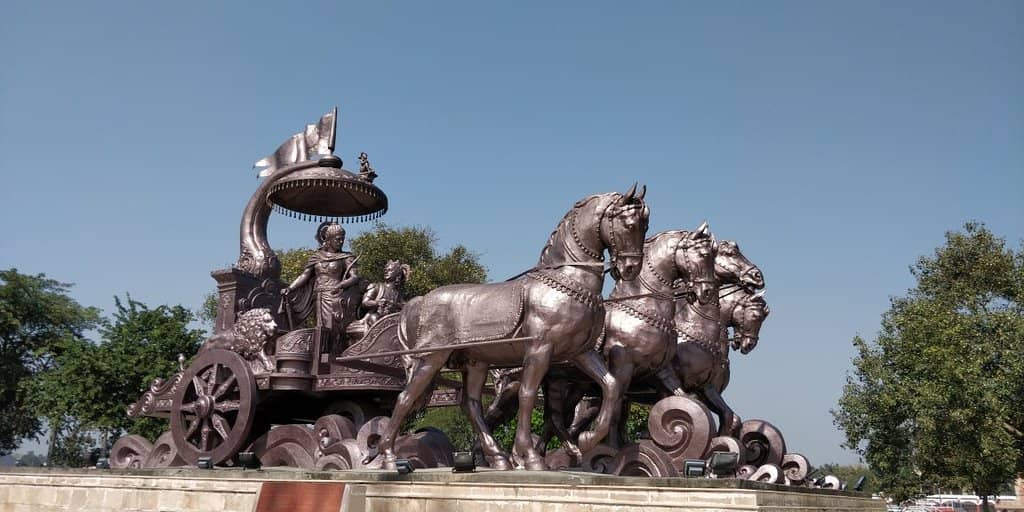
Sculptures in Central Park
Central Park near Draupadi Kup
Admire 156 stone sculptures depicting mythological scenes and historical events. A great spot for cultural immersion and learning.
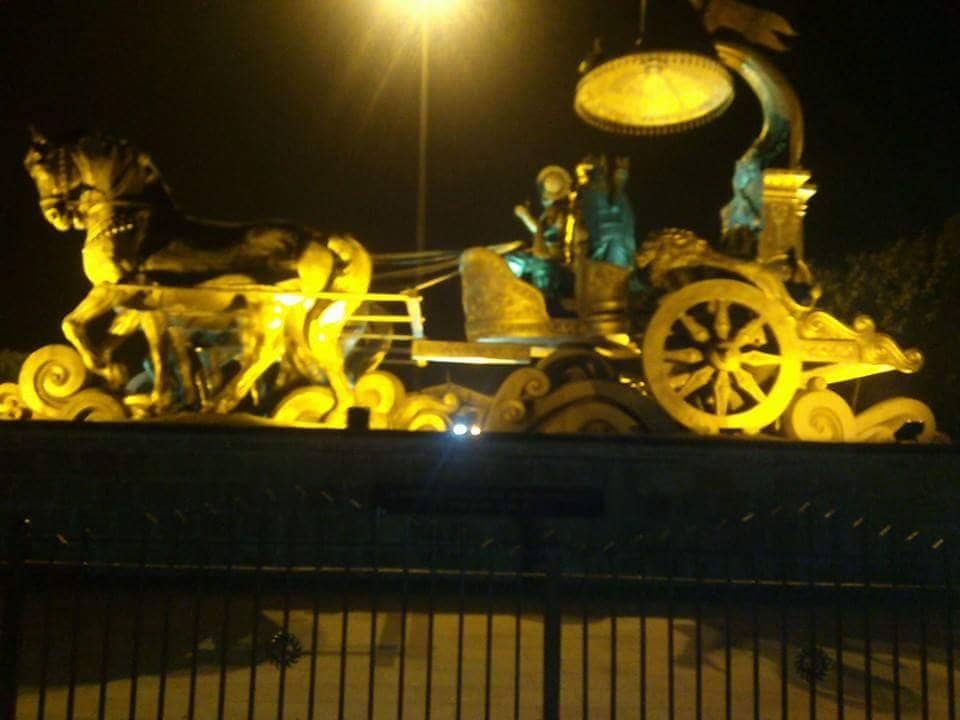
Draupadi Kup
Near the central park
A significant spot where Draupadi is believed to have washed her hair after Dushashan's demise. Holds deep historical and mythological importance.
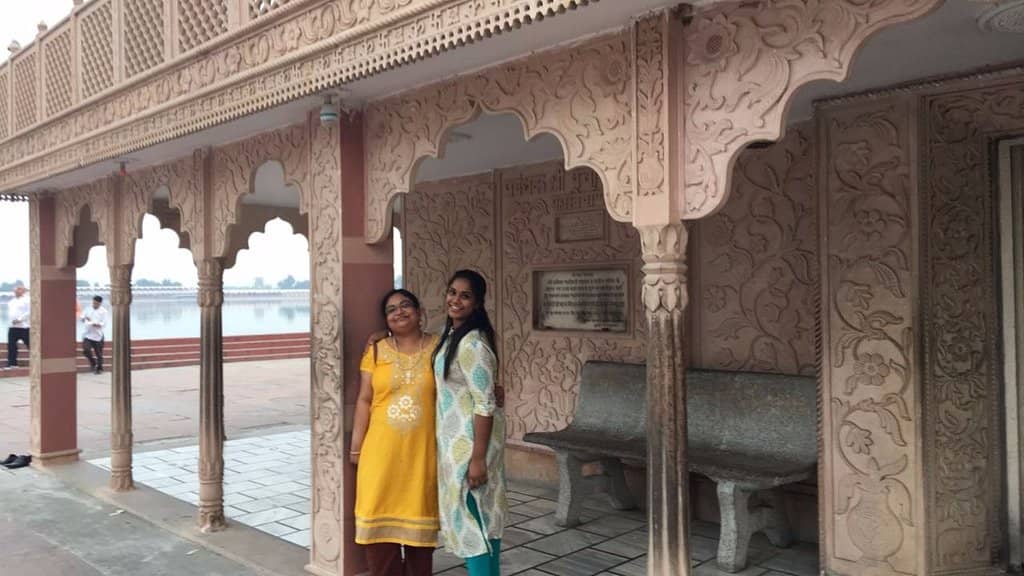
Evening Aarti and Sunset
Banks of the Sarovar
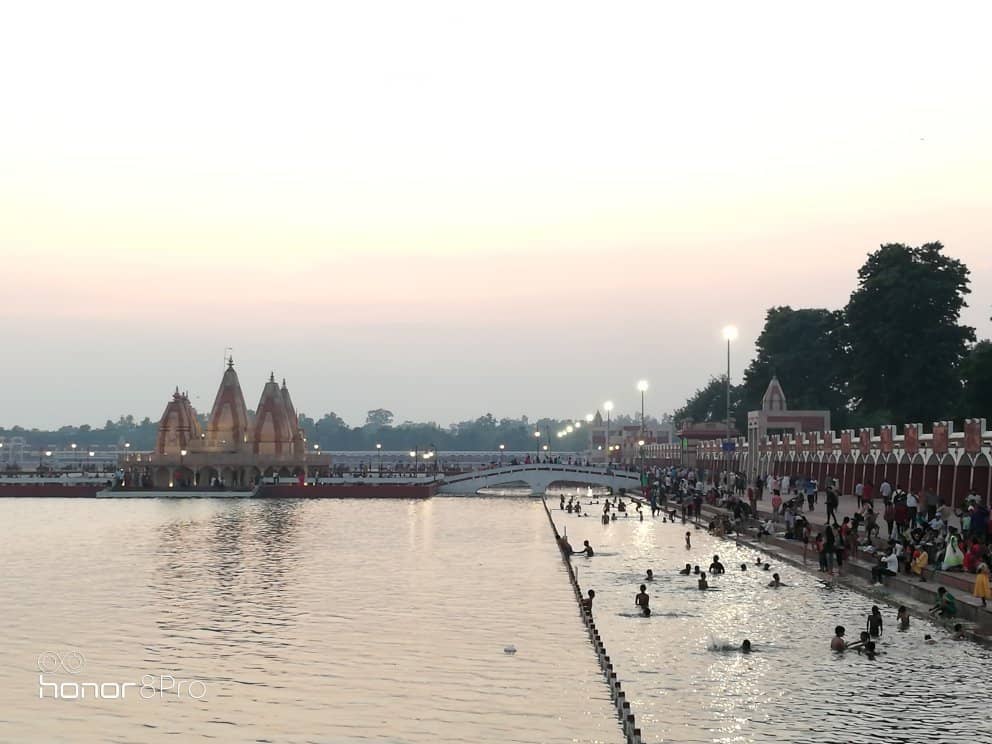
Witness a beautiful sunset and participate in the evening Aarti for a truly divine and memorable experience.
Plans like a pro.
Thinks like you
Planning Your Visit
Timing Your Visit for Serenity
Respectful Exploration
Best Times
Insider Tips
from TikTok, Instagram & Reddit
Places to visit in Haryana
I am girl from Uttrakhand. And I want to explore Haryana in upcoming weekend with full family. Please suggest some family friendly places and districts to explore. We will have our own cars and stay in state for two three days? PS. Don't want to visit Chandigarh
Dress Modestly
Wear respectful attire, especially when visiting temples or observing rituals. :womaninturban:
Feed the Fishes
You can buy fish food for a small fee (₹10-20) to feed the fishes in the sarovar. 🐟
Respectful Observation
Maintain distance and avoid disturbing priests or students during their lessons. 🙏
Clean Facilities Available
Washrooms and changing rooms are available for a nominal fee (₹5 per person). 🚽
Tips
from all over the internet
Dress Modestly
Wear respectful attire, especially when visiting temples or observing rituals. :womaninturban:
Feed the Fishes
You can buy fish food for a small fee (₹10-20) to feed the fishes in the sarovar. 🐟
Respectful Observation
Maintain distance and avoid disturbing priests or students during their lessons. 🙏
Clean Facilities Available
Washrooms and changing rooms are available for a nominal fee (₹5 per person). 🚽
No Entry Fee
Enjoy the beauty and spirituality of Brahma Sarovar without any admission charges. :moneywithwings:
What Travellers Say
Reviews Summary
Brahma Sarovar is a highly revered and well-maintained sacred site, praised for its spiritual ambiance and historical significance. Visitors appreciate the beautiful sculptures, the serene waters, and the opportunity to witness the evening Aarti. While some find it primarily a religious destination, its cultural and historical aspects offer a rich experience for all.
"It is believed that it was created by Brahma ji . Beautiful place to spend time on the banks of sarover especially in the evening seeing sunset and participating in the Aarti . There are some sculptures established in the central park near Draupadi kup ."
Rohit Sharma
"Brahma sarovar is situated in kurukshetra as holy place. Bhagvaan Brahma has placed one Shiv-ling here. Mahabharat battle was fought at this place. Dropdi koop is here where Dropdi wash her hair after Dushashan vadh. It is Asia's largest man made sarovar. Very huge, large water body. Well managed and maintained by Kurukshetra Administration. Many Dharamshalas and hotels to stay."
vijay kaushik
"Brahma Sarovar & The Battlefield of Kurukshetra — Where History Breathes as Memory
There are places in India that do not just exist — they resonate. Brahma Sarovar in Kurukshetra is one such expanse of sacred water where mythology, divinity, and the human search for truth converge quietly in the shimmer of the sun. Standing by its banks, one does not merely see a water body; one feels time itself pausing — as if the universe waits for the mind to remember what the soul already knows.
According to legend, this is where Lord Brahma created the universe, and where Lord Krishna later delivered the immortal verses of the Bhagavad Gita to Arjuna — words that have shaped philosophies, empires, and inner journeys for millennia. The Sarovar, expansive and reflective, mirrors not just the sky but the eternal dialogue between duty and doubt, courage and surrender.
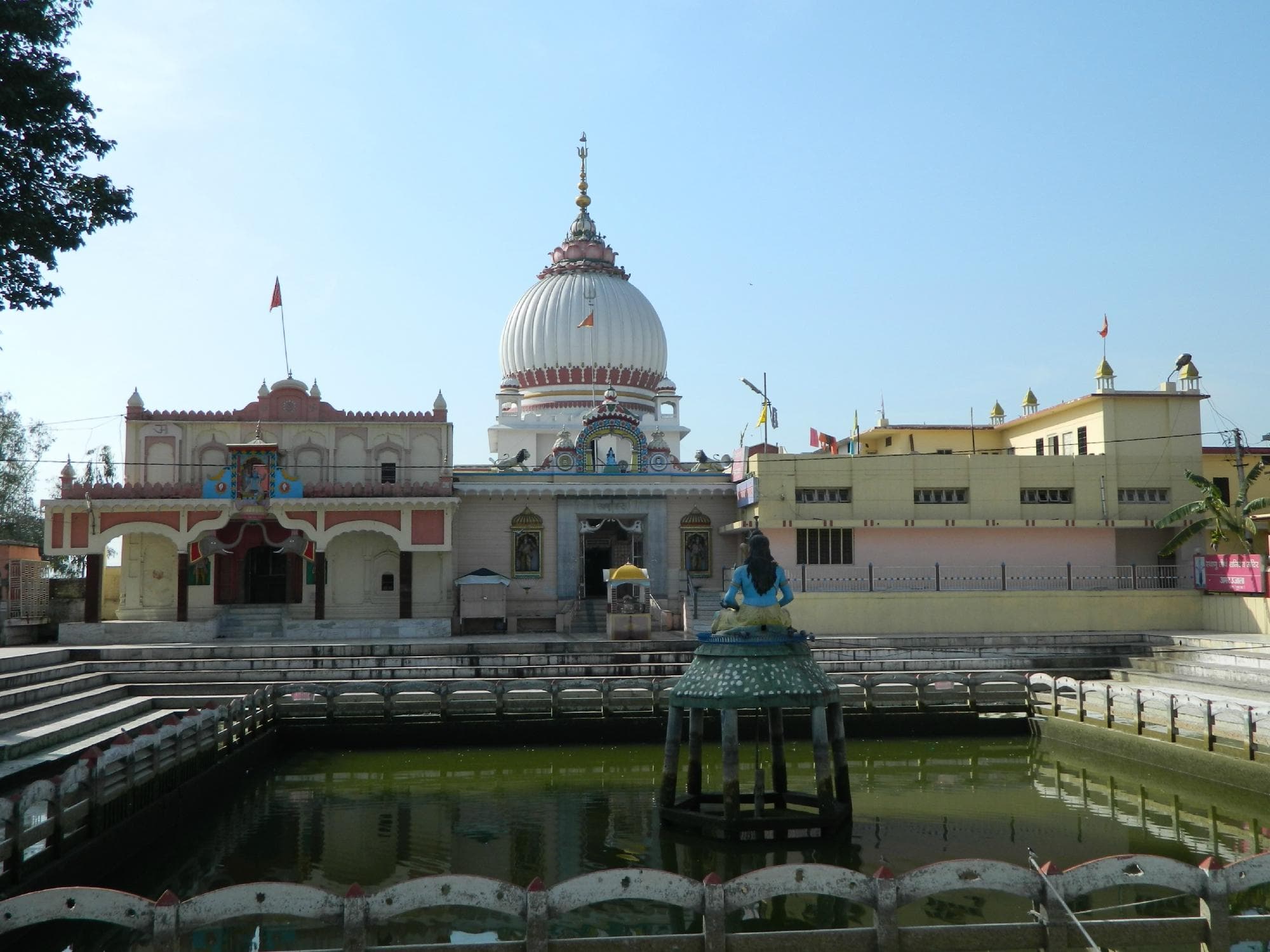
Walking around the tank, especially at dawn or dusk, the stillness feels sentient. The sound of temple bells mingles with the rustling wind, and the scent of incense floats gently across the water — as if the gods themselves still wander here, unseen but felt. Pilgrims performing aarti on its banks often describe a feeling of weightlessness — as though the very act of standing here cleanses one of lifetimes of dust.
A few kilometers away lies the Battlefield of Kurukshetra — the cradle of the Mahabharata’s most defining moment. The air here feels heavier, charged with an unseen gravity. One can almost sense the echo of conches, the thunder of chariots, and the silence that must have followed when Arjuna lowered his bow in despair, before Krishna’s divine counsel stirred him back to purpose.
What makes Kurukshetra so profound is not its mythological grandeur, but its moral timelessness. The questions that were asked here — about dharma, destiny, and the price of righteousness — remain hauntingly relevant to every generation. Standing on that sacred soil, one realizes that the Mahabharata was never just a war; it was humanity’s eternal dialogue with itself.
⸻
In Essence
Brahma Sarovar is the calm — Kurukshetra is the storm.
One mirrors creation; the other, consequence.
Together, they remind us that every human journey — whether of faith, struggle, or enlightenment — begins and ends within."
Pritam Biswas
What People Like
What People Dislike
Frequently Asked Questions
🚇 🗺️ Getting There
Brahma Sarovar is located in Kurukshetra, Haryana. You can reach Kurukshetra by train or bus from major cities like Delhi and Chandigarh. From the city center, auto-rickshaws and local taxis are readily available to take you to the sarovar. Many visitors arrive by car, as it's a popular family-friendly destination in Haryana.
Yes, Brahma Sarovar is easily accessible by car. There are hotels near Brahma Sarovar Kurukshetra that offer parking facilities. The roads leading to the sarovar are generally well-maintained, making it convenient for family trips with personal vehicles.
Several hotels are located near Brahma Sarovar Kurukshetra, offering convenient stays for pilgrims and tourists. Searching for 'hotels in Kurukshetra near Brahma Sarovar' will provide options ranging from budget-friendly guesthouses to more comfortable hotels.
🎫 🎫 Tickets & Entry
No, there is no entry fee to visit Brahma Sarovar. You can explore the sacred waters and surrounding areas freely. However, there are nominal charges for using washrooms and changing rooms.
Brahma Sarovar is generally open 24 hours a day, allowing visitors to experience its serene atmosphere at any time. However, the surrounding temples and facilities might have specific timings. It's best to visit during daylight hours for sightseeing and during evenings for the Aarti.
Yes, you can take a bath in designated safe zones within Brahma Sarovar. Facilities like washrooms and changing rooms are available for a small fee.
🎫 🧭 Onsite Experience
At Brahma Sarovar, you can see the vast man-made sarovar itself, believed to be created by Lord Brahma. There are also 156 stone sculptures in the central park, the significant Draupadi Kup, and temples. The evening Aarti and sunset views are also major attractions.
Yes, Brahma Sarovar is considered a family-friendly place. It offers a blend of religious significance, historical context, and scenic beauty. Visitors can explore the sculptures, learn about the Mahabharata, and enjoy the peaceful environment.
Draupadi Kup is a historically and mythologically significant spot within the Brahma Sarovar complex. It is believed to be the place where Draupadi washed her hair after the vow she took following the disrobing incident by Dushashan in the Mahabharata.
Photography is generally allowed at Brahma Sarovar. However, it's advisable to be respectful, especially when photographing religious ceremonies or individuals. Avoid intrusive photography during prayer times or when priests are teaching.
🍽️ 🍽️ Food & Dining
While there might not be extensive dining options directly at the sarovar, you can find local eateries and restaurants in Kurukshetra town. Many hotels near Brahma Sarovar also offer dining facilities.

Social
from TikTok, Instagram & Reddit