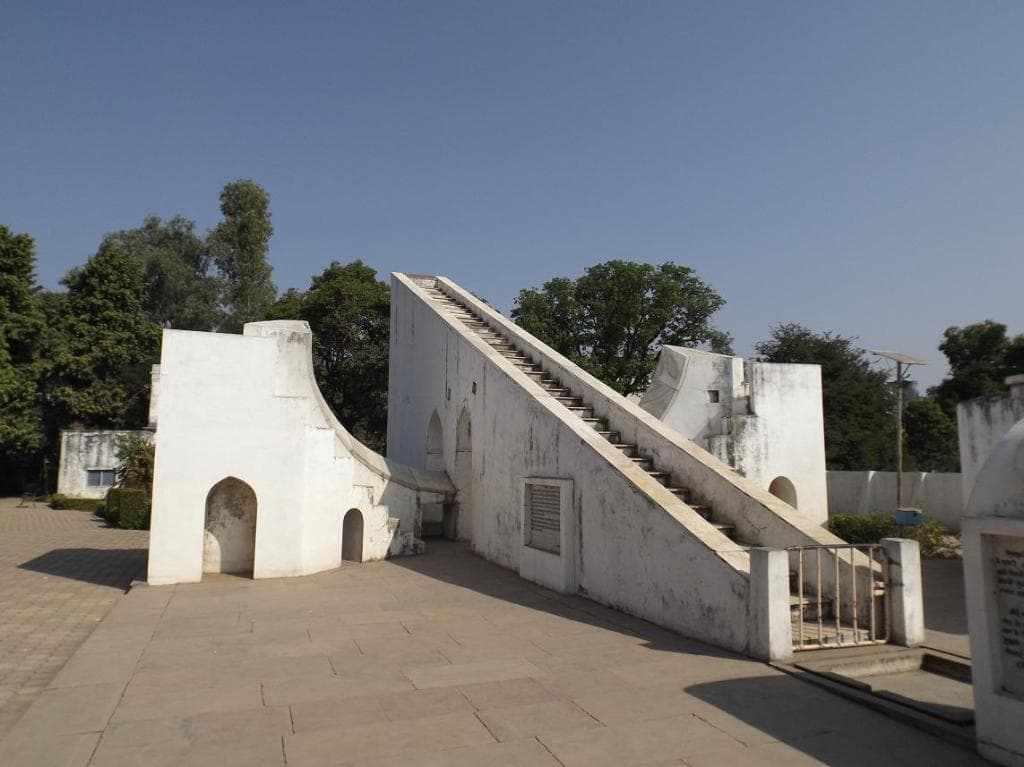
Vedh Shala Observatory Ujjain
18th-century observatory with operational vintage astronomical devices, including the world's largest sundial.
Highlights
Must-see attractions

Social
From TikTok & Reddit
Best Time
To see instruments in action
Vedh Shala Observatory Ujjain
Best Time
To see instruments in action
Highlights
Must-see attractions
18th-century observatory with operational vintage astronomical devices, including the world's largest sundial.
"A place where ancient science touched the stars with unmatched precision."
🎯 Hire a Knowledgeable Guide
Guides offer live demonstrations and explain the instruments' functions with surprising accuracy.
💰 Very Nominal Entry Fee
Expect a low entry fee for Indian visitors, slightly more for foreigners.
Quick Facts
Hours
Rating
4.3 · 4,652 reviews
Highlights
Discover the most iconic attractions and experiences
Samrat Yantra
Main Observatory Area
The world's largest stone sundial, showcasing ancient timekeeping precision.
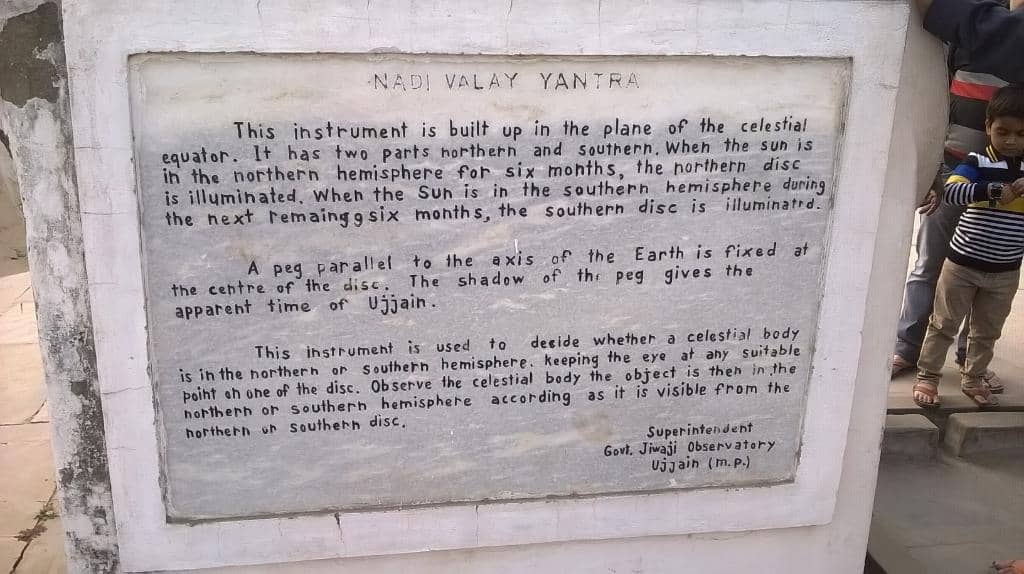
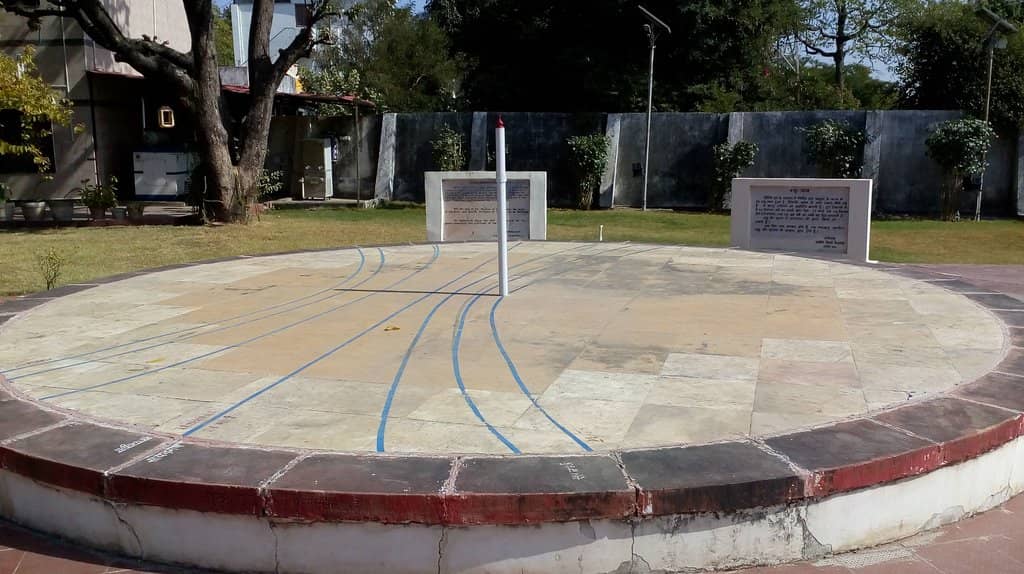
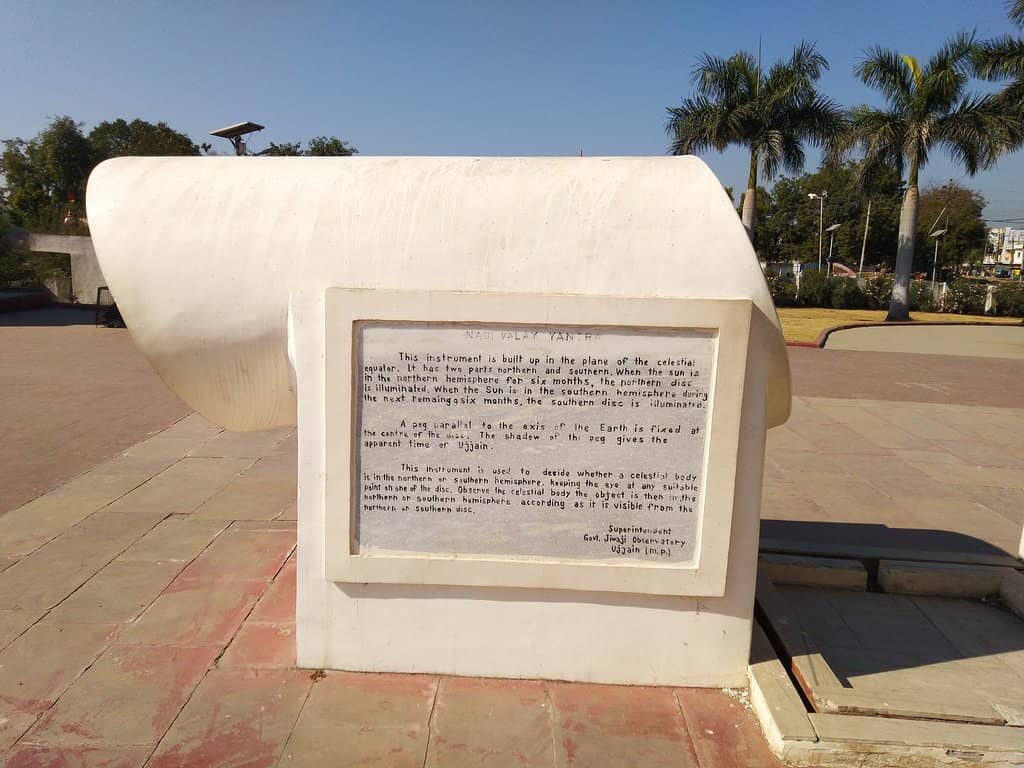
Nadi Valaya Yantra
Observatory Instruments
A unique instrument for measuring celestial movements and time with remarkable accuracy.
Architectural Brilliance
Entire Observatory Complex
Marvel at the ingenious blend of architecture, astronomy, and mathematics from the 18th century.
Plans like a pro.
Thinks like you
Planning Your Visit
Timing is Key for Astronomical Insights
Combine with Spiritual Exploration
Best Times
Insider Tips
from TikTok, Instagram & Reddit
🎯 Hire a Knowledgeable Guide
Guides offer live demonstrations and explain the instruments' functions with surprising accuracy.
💰 Very Nominal Entry Fee
Expect a low entry fee for Indian visitors, slightly more for foreigners.
🚶 Walk or Auto-Rickshaw
It's a short distance from Mahakaleshwar Temple, walkable or a quick auto ride.
📱 QR Codes for Info
Scan QR codes to access YouTube videos explaining the instruments.
Tips
from all over the internet
🎯 Hire a Knowledgeable Guide
Guides offer live demonstrations and explain the instruments' functions with surprising accuracy.
💰 Very Nominal Entry Fee
Expect a low entry fee for Indian visitors, slightly more for foreigners.
🚶 Walk or Auto-Rickshaw
It's a short distance from Mahakaleshwar Temple, walkable or a quick auto ride.
📱 QR Codes for Info
Scan QR codes to access YouTube videos explaining the instruments.
☀️ See the Sundial Work
Witness the impressive Samrat Yantra (sundial) and understand its timekeeping.
What Travellers Say
Reviews Summary
Visitors praise Vedh Shala for its historical significance, unique astronomical instruments, and affordability. The site is seen as a valuable educational experience, especially when combined with a knowledgeable guide. While some boards are discolored, the overall atmosphere is pleasant and informative, offering a glimpse into ancient Indian science.
"Reasonably priced, easy atmosphere and great place. Integrating western and Vedic culture it amply showcases our unique knowledge of planets, motion and calendar. Few boards are discoloured. Bilingual exhibits make for easy understanding. QR scan to explain issues by linking to YouTube videos is a great feature."
Sanjiv Singh
"Very good scenes in this place.
I was very delighted to see the view here. Here the traditional clock and time which has been in existence since the Vedic period is known with complete accuracy.Please come here once with your family."
prince refrigeration And Spares
"If you are planning to visit Jantar Mantar (Vedh Shala) after Mahakaleshwar Darshan, it is quite convenient because the observatory is located at a short distance from the temple. After completing your darshan at Mahakaal, you can simply take an auto-rickshaw from outside the temple premises. Normally, the distance is around 2 km, and it hardly takes 10–15 minutes to reach, but autos in Ujjain generally charge a minimum of ₹100, even for short distances. If you are walking, it will take about 20–25 minutes through the narrow streets.
The Jantar Mantar is open during the day and is managed by the Archaeological Survey of India. The entry fee is very nominal, usually around ₹10 for Indian visitors and a little more for foreign tourists and ₹ 20 for Tara Mandal. Once inside, you can explore the unique astronomical instruments built by Maharaja Jai Singh II in the 17th century. Guides are also available, and they explain how these instruments were used to calculate time, predict eclipses, and study planetary movements with surprising accuracy long before modern technology.
For travelers who are already in Ujjain for Mahakaleshwar Jyotirlinga Darshan, a visit to Jantar Mantar makes the trip more fulfilling, as it connects spirituality with India’s scientific heritage. Since both attractions are close, you don’t need separate travel arrangements"
Neel
What People Like
What People Dislike
Frequently Asked Questions
🚇 🗺️ Getting There
Vedh Shala is located in Ujjain, Madhya Pradesh. The nearest airport is Devi Ahilya International Airport in Indore. From Indore, you can take a taxi or bus to Ujjain. Ujjain Junction is the nearest railway station. Once in Ujjain, it's a short auto-rickshaw ride from the Mahakaleshwar Temple, approximately 2 km away.

Yes, Vedh Shala is conveniently located at a short distance from Mahakaleshwar Temple, making it easy to visit both.
You can take an auto-rickshaw from outside the temple premises, which usually takes about 10-15 minutes. Walking is also an option, taking around 20-25 minutes through the streets.
Autos in Ujjain typically charge a minimum of ₹100 for short distances, including the trip to Vedh Shala.
While direct public transport to the observatory might be limited, local buses and auto-rickshaws are readily available within Ujjain city to reach the vicinity of the observatory.
🎫 🎫 Tickets & Entry
The entry fee is very nominal. It's around ₹10 for Indian visitors and slightly more for foreign tourists. There's also a separate fee of ₹20 for the Tara Mandal.
The observatory opens at 11 AM, not 10:30 AM as sometimes stated. It is managed by the Archaeological Survey of India and is open during daylight hours.
Advance booking is generally not required for Vedh Shala. Tickets can be purchased at the entrance.
Yes, Vedh Shala is typically open on weekends. It's advisable to confirm the exact timings closer to your visit.
While generally open daily, it's always a good idea to check for any specific holiday closures or special event timings with the local authorities or the Archaeological Survey of India.
🎫 🧭 Onsite Experience
The main attractions include the Samrat Yantra (a massive sundial), the Nadi Valaya Yantra, and other ancient astronomical instruments used for measuring time and celestial movements.
Yes, knowledgeable guides are available at Vedh Shala. They provide detailed explanations and can even demonstrate how the instruments work.
Yes, it's a great place for children to learn about ancient Indian science and astronomy in an engaging way. The bilingual exhibits and QR codes add to the learning experience.
Built in the 18th century by Maharaja Jai Singh II, it's one of five such observatories in India and lies on the Tropic of Cancer, making it a key center for Hindu astronomical studies.
Information on specific accessibility facilities for disabled visitors is limited. It's advisable to contact the management directly for detailed information regarding ramps or accessible pathways.
📸 📸 Photography
Photography is generally allowed inside Vedh Shala, but it's always good to check for any specific restrictions on using flash or tripods.
The Samrat Yantra, the intricate astronomical instruments, and the overall architectural views offer excellent photographic opportunities.
Drone usage is typically prohibited at historical and archaeological sites due to security and preservation concerns. It's best to assume drones are not allowed.
While dedicated photography tours might not be common, you can explore the site at your own pace or with a general guide to capture its unique features.
During daylight, a standard camera with good exposure settings will work well. Consider a wide-angle lens for capturing the scale of the instruments.

Social
from TikTok, Instagram & Reddit