Valley of Flowers National Park
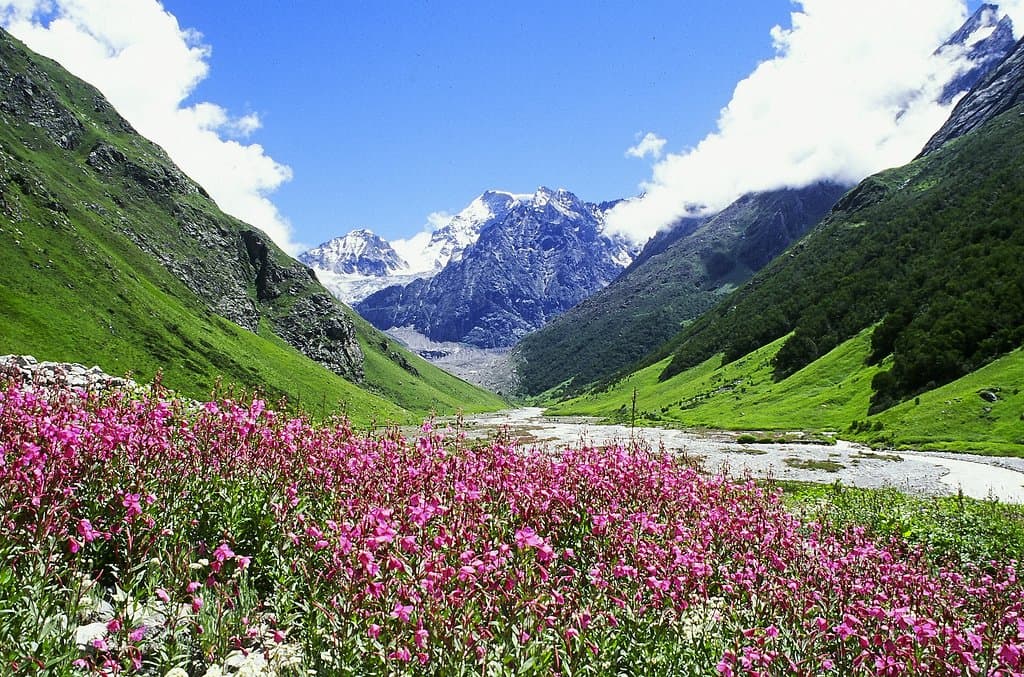
A UNESCO World Heritage Site in Uttarakhand, India, famed for its meadows of endemic alpine flowers and diverse flora.

Highlights
Must-see attractions

Social
From TikTok & Reddit
Best Time
Peak flower bloom
Valley of Flowers National Park
Best Time
Peak flower bloom
Highlights
Must-see attractions
A UNESCO World Heritage Site in Uttarakhand, India, famed for its meadows of endemic alpine flowers and diverse flora.
"Stepping into a painting with endless meadows covered in vibrant wildflowers."
Pack for Rain ☔
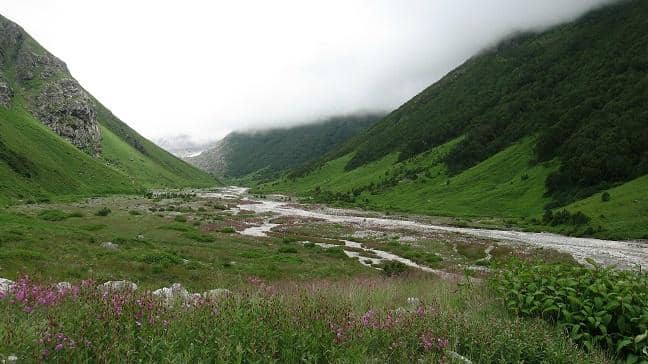
Monsoon season means frequent rain. Waterproof jackets, pants, and shoe covers are essential.
Sturdy Trekking Shoes :athletic_shoe:
Trails can be slippery and uneven. Invest in good quality, waterproof trekking shoes for comfort and safety.
Highlights
Discover the most iconic attractions and experiences
Alpine Flower Meadows
Valley floor
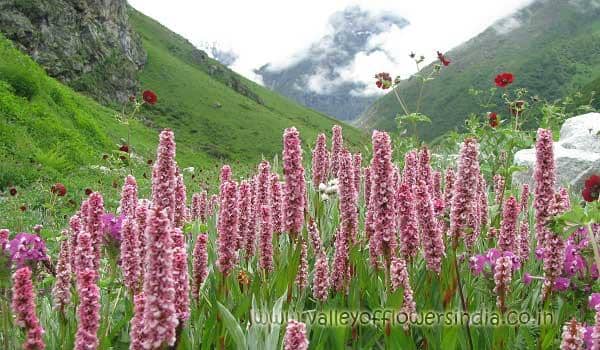
Vast meadows carpeted with hundreds of species of vibrant alpine flowers in full bloom. A photographer's dream!
Pristine Himalayan Scenery
Throughout the park
Snow-capped peaks, crystal-clear streams, and lush green landscapes create a breathtaking backdrop.
Rare Flora and Fauna
Various habitats
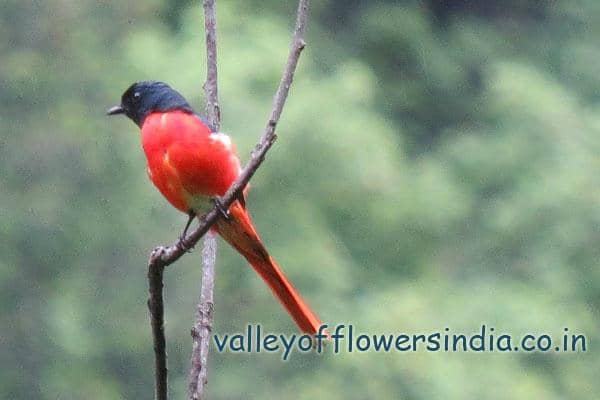
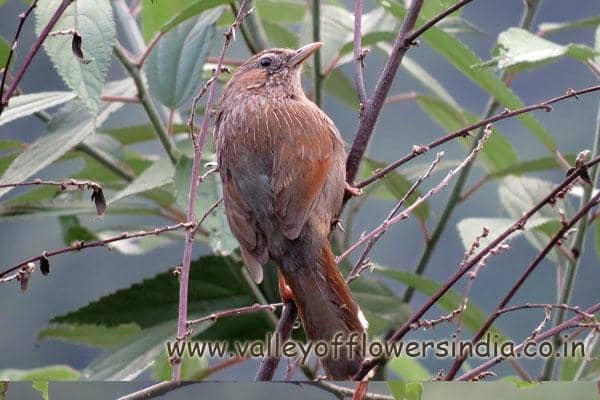
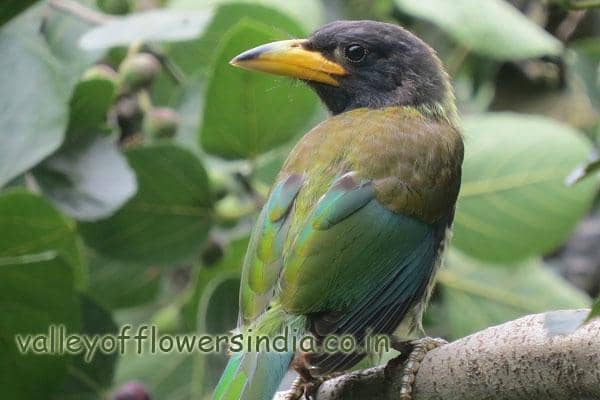
Home to endemic alpine flowers and rare animals like the Himalayan blue sheep and Asiatic black bear.
Plans like a pro.
Thinks like you
Planning Your Visit
Best Time to Visit: Peak Bloom
Trek Essentials & Fitness
Best Times
Insider Tips
from TikTok, Instagram & Reddit
Pack for Rain ☔
Monsoon season means frequent rain. Waterproof jackets, pants, and shoe covers are essential.
Sturdy Trekking Shoes :athletic_shoe:
Trails can be slippery and uneven. Invest in good quality, waterproof trekking shoes for comfort and safety.
Trekking Poles :hiking_boot:
Helpful for stability on slippery paths and reduce strain on knees during descents.
Start Early :sunrise:
Beat the crowds and enjoy the best light for photography. Plus, you can witness the morning mist lifting.
Tips
from all over the internet
Pack for Rain ☔
Monsoon season means frequent rain. Waterproof jackets, pants, and shoe covers are essential.
Sturdy Trekking Shoes :athletic_shoe:
Trails can be slippery and uneven. Invest in good quality, waterproof trekking shoes for comfort and safety.
Trekking Poles :hiking_boot:
Helpful for stability on slippery paths and reduce strain on knees during descents.
Start Early :sunrise:
Beat the crowds and enjoy the best light for photography. Plus, you can witness the morning mist lifting.
Leave No Trace :recycle:
Carry back all your trash to preserve the pristine beauty of this UNESCO World Heritage Site.
What Travellers Say
Reviews Summary
Visitors describe the Valley of Flowers as a 'paradise on earth' and a 'magical sight,' praising its vibrant floral displays and stunning Himalayan scenery. The trek is considered moderately challenging but highly rewarding. While some find it 'overrated' compared to other treks, most agree it's an unforgettable experience for nature lovers and photographers.
"Valley of Flower is beautiful. But, overrated trek in Uttrakhand.
The season of this trek is Mid July to Mid August, This is monsoon season.
Carry Raincoat/Ponchu, Stick, Water resistant Shoe.
Temperature is moderate.
Many place of this trek route is bit slippery. So, be careful when you are walking.
It takes 6-7 hours for whole route.
After reaching this valley, view is nice.
But, not extraordinary."
SAIKAT MITRA
"Valley of Flowers National Park is truly a paradise on earth! Nestled in the Himalayas, it feels like stepping into a painting with endless meadows covered in vibrant wildflowers, snow-capped peaks in the backdrop, and crystal-clear streams flowing along the trails.
🌸 The trek itself is moderately challenging but absolutely worth it – every step rewards you with breathtaking views. During the peak flowering season (July–August), the entire valley bursts into a carpet of colors, making it one of the most magical sights in India.
✅ The place is very well maintained as part of UNESCO World Heritage Sites, and its natural beauty is untouched and serene. A must-visit for nature lovers, trekkers, and photographers!
Tip: Carry rain gear, good trekking shoes, and start your trek early in the morning to enjoy the valley at its best.
⭐ Overall: A once-in-a-lifetime experience that leaves you awestruck and rejuvenated."
pallabi banerjee
"I trekked to the Valley of Flowers in Uttarakhand last August, and the experience was nothing short of magical. The journey itself was a mix of adventure and serenity — winding mountain trails, the sound of rivers rushing beside you.
By the time I reached the valley, I felt like I had stepped into a painting. The landscape opened up into a vast stretch of wildflowers in full bloom, spreading across the meadows in every color imaginable. Pink, yellow, purple, white — it was nature’s own palette laid out under the open sky. The fragrance of flowers, the cool mountain breeze, and the backdrop of snow-capped peaks created an atmosphere that words can barely capture.
August was the perfect time — the valley was alive, though the occasional rain showers made the trek more thrilling. Every step felt rewarding, and every turn offered a new postcard view. What I loved most was the silence of the valley, broken only by birds and the distant sound of waterfalls.
It’s not just a trek; it’s an experience that stays with you long after you return. The Valley of Flowers is a reminder of how incredible and untouched nature can be. If you’re planning a visit, carry good trekking shoes, rain protection, and of course, a camera — though no photo can truly match the memory of being there.
🌸 Travel Tip: If you’re already trekking to the Valley of Flowers, don’t miss the nearby trail to Hemkund Sahib, a serene high-altitude Sikh pilgrimage site surrounded by mountains and a crystal-clear glacial lake. Though the climb is steeper and more challenging, the spiritual atmosphere and stunning views make it a truly rewarding experience.
Truly one of the most unforgettable journeys of my life. 🌸⛰️✨"
MANEESH SATHEESAN
What People Like
What People Dislike
Frequently Asked Questions
🚇 🗺️ Getting There
The nearest major airport is Jolly Grant Airport in Dehradun. From there, you can take a taxi or bus to Govindghat, which is the base for the trek. The trek to the Valley of Flowers starts from Pulna village, a short drive from Govindghat.
The closest railway station is Rishikesh. From Rishikesh, you'll need to arrange further transportation to Govindghat.
No, the Valley of Flowers is a trekking destination. You can drive to Pulna village, but the final approach to the valley requires a trek of about 14-18 km.
From Govindghat, you can trek or hire a pony to Ghangaria, the base camp for both the Valley of Flowers and Hemkund Sahib. The trek to Ghangaria is about 13-14 km.
Yes, you will need to obtain entry permits from the forest check post at the entrance of the park. These are usually available at the entry point to the trekking route.
🎫 🎫 Tickets & Entry
The park is typically open from June 1st to October 31st, but the best time to witness the flowers is from mid-July to mid-August.
Entry fees can vary, but expect to pay a nominal fee for park entry and potentially for camera usage. It's advisable to check the latest fee structure at the entry point.
Currently, online booking for entry permits is not widely available. You typically purchase tickets upon arrival at the park's entry gate.
The park is generally accessible during daylight hours for trekkers. There are no specific 'opening' or 'closing' times for the trails themselves, but it's best to complete your trek before dusk.
While not strictly enforced with quotas, the park's remote location and trekking nature naturally limit visitor numbers, especially outside the peak season.
🎫 🏞️ Onsite Experience
The trek is considered moderately challenging. It involves significant uphill and downhill sections, uneven terrain, and high altitude. Good physical fitness is recommended.
The trek to the main valley floor and back can take several hours, depending on your pace and how much time you spend exploring. Many trekkers spend a full day within the valley.
Basic facilities like resting spots and small tea stalls are available in Ghangaria, the base camp. Within the Valley of Flowers itself, facilities are minimal to preserve its natural state.
Many solo travelers and couples undertake this trek. While generally safe, it's always wise to take precautions, stay aware of your surroundings, and inform someone of your itinerary.
The park is home to various animals, including the Himalayan blue sheep, musk deer, and potentially the Asiatic black bear or snow leopard, though sightings are rare.
📸 📸 Photography
The entire valley is a photographer's paradise! Focus on capturing the vibrant flower meadows, panoramic mountain views, and the streams. Early morning light is ideal.
Drone usage is generally prohibited in national parks to protect wildlife and maintain the natural environment. Always check local regulations before flying.
A wide-angle lens is great for landscapes, while a macro lens can capture the intricate details of the flowers. A sturdy tripod and extra batteries are also recommended.
Yes, you can take photos of the flowers. However, it's crucial to stay on designated paths and avoid trampling the delicate flora.
While general photography is allowed, be mindful of any specific signage or instructions from park rangers. Respect the natural environment and avoid disturbing wildlife.
For Different Travelers
Tailored advice for your travel style
👨👩👧 Families with Kids
 Ensure children are well-hydrated and take frequent breaks. The sheer beauty of the flowers and the sense of accomplishment upon reaching the valley can be incredibly inspiring for young minds.
 Consider hiring a pony for younger children on the Ghangaria trek if needed. Pack plenty of snacks and ensure everyone has appropriate rain gear and sturdy footwear. The experience offers a fantastic opportunity to teach children about nature, biodiversity, and the importance of conservation.
❤️ Couples and Adventure Seekers
The serene environment and stunning floral displays create a perfect backdrop for memorable moments. Consider combining the Valley of Flowers trek with a visit to the nearby Hemkund Sahib for a more comprehensive spiritual and adventurous experience.
📸 Photographers' Paradise
Early morning light is crucial for capturing the best shots, so be prepared for an early start. Bring a versatile lens kit, including wide-angle and macro options, to capture both grand landscapes and intricate details. Weatherproofing your gear is essential due to the monsoon climate.
Deep Dives
In-depth insights and expert knowledge
The Trek to the Valley
Trekkers often hire ponies or porters for this stretch if needed. Ghangaria serves as a crucial stop, providing accommodation and basic amenities before the final ascent to the valley. The trek from Ghangaria to the Valley of Flowers is approximately 4-5 km. This path is well-defined but can be steep and challenging, especially during the monsoon. The landscape gradually transforms from dense forests to open meadows as you ascend. The sound of waterfalls and the scent of pine fill the air, making the journey incredibly rewarding.
It's essential to carry sufficient water and snacks for this leg of the trek. Remember to wear comfortable, sturdy trekking shoes and carry a rainproof jacket, as the weather can change rapidly. Upon reaching the Valley of Flowers, you'll be greeted by an unparalleled spectacle of nature. The gentle slopes are adorned with a riot of colors from countless alpine flowers. The park is a UNESCO World Heritage Site, recognized for its exceptional biodiversity and ecological significance.
Exploring the valley involves walking along designated paths to ensure the preservation of its fragile ecosystem. Flora and Fauna: A Biodiversity Hotspot
The park's rich biodiversity extends to its fauna. It is a sanctuary for several rare and endangered species. Keep an eye out for the elusive Himalayan blue sheep (Bharal), musk deer, and various species of birds. While sightings are not guaranteed, the park is also known to be inhabited by the Asiatic black bear and the rare snow leopard, though these are more commonly found in higher, more remote areas.
Conservation efforts are paramount in maintaining the delicate balance of this ecosystem. Visitors are urged to stay on marked trails to avoid disturbing the flora and fauna. The park's designation as a UNESCO World Heritage Site underscores its global importance for biodiversity conservation.
Photography Tips for the Valley
Consider using a wide-angle lens to encompass the vastness of the floral landscapes and the majestic Himalayan backdrop. A macro lens is invaluable for capturing the intricate details and vibrant colors of the individual alpine flowers. Be prepared for changing weather conditions. Sudden rain showers are common, so a waterproof camera cover or a weather-sealed camera body is highly recommended. Extra batteries are also crucial, as the cold mountain air can drain them faster.
While the visual spectacle is immense, remember that no photograph can truly replicate the immersive experience of being surrounded by the vibrant blooms and crisp mountain air. Capture the essence, but also take time to simply soak in the unparalleled beauty of this natural paradise.
Social
from TikTok, Instagram & Reddit