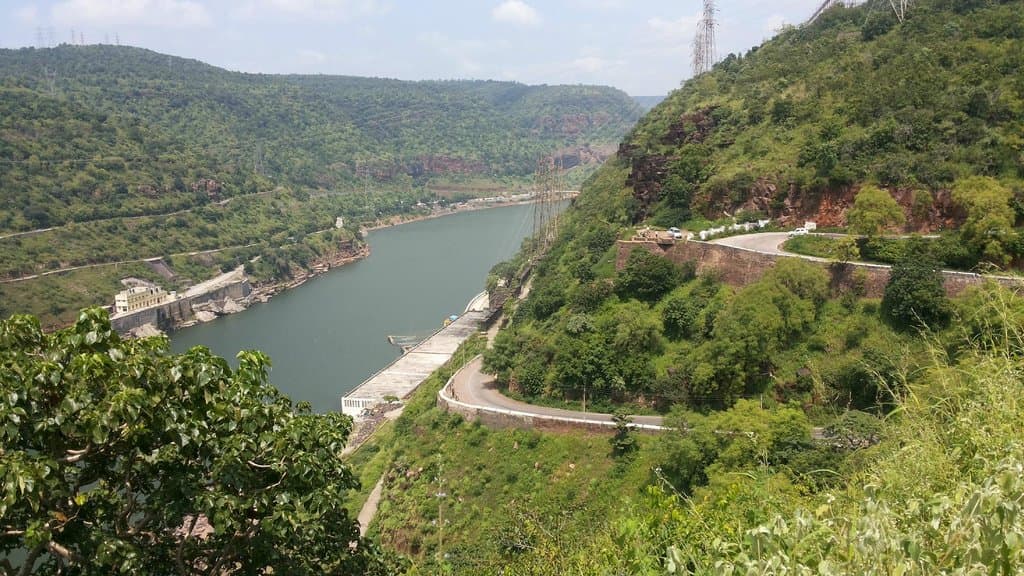
Nagarjuna Sagar Dam and Museum
A colossal masonry dam on the Krishna River, offering breathtaking views and a glimpse into ancient Buddhist history.

Highlights
Must-see attractions

Social
From TikTok & Reddit
Best Time
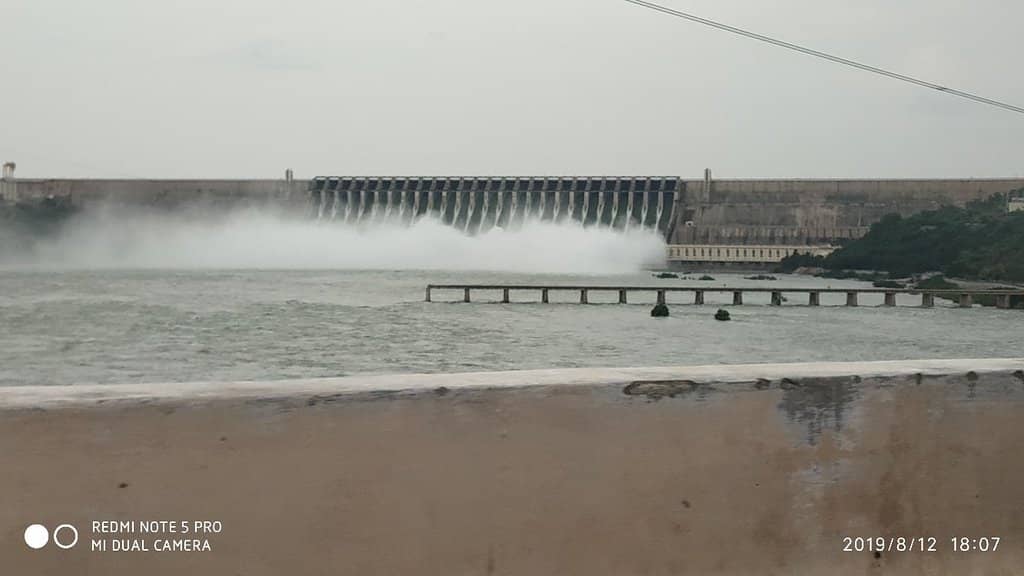
Spectacular water flow from open gates
Nagarjuna Sagar Dam and Museum
Best Time
Spectacular water flow from open gates
Highlights
Must-see attractions
A colossal masonry dam on the Krishna River, offering breathtaking views and a glimpse into ancient Buddhist history.
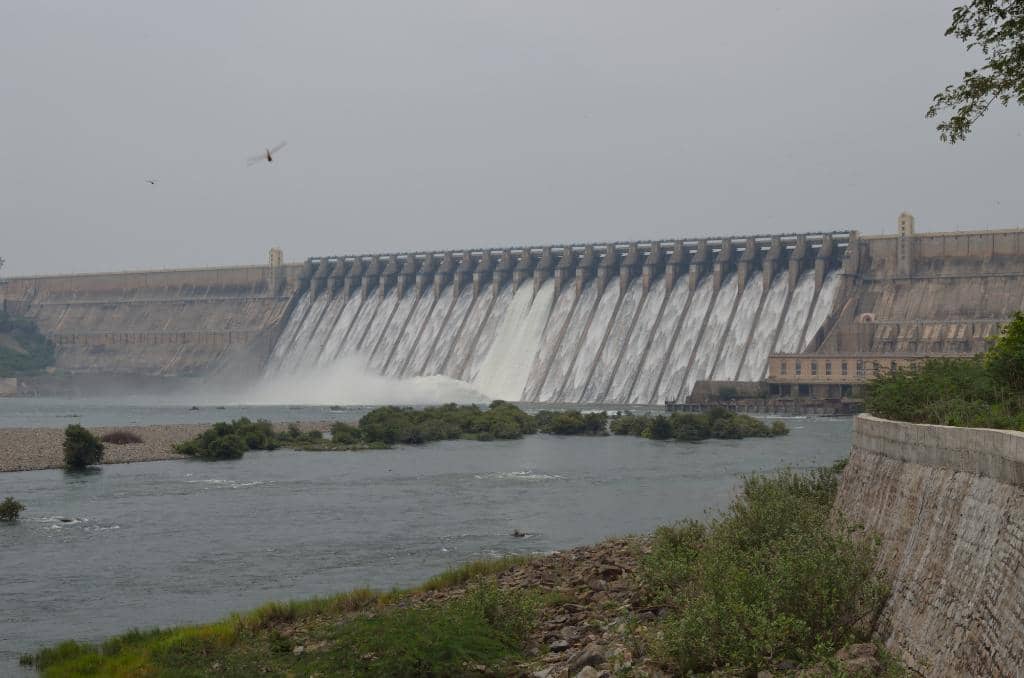
"All 26 gates were open and the view was spectacular. "
📸 Bridge Photo Spot
Stand on the bridge for the best dam and reservoir shots. :camerawithflash:
💧 Monsoon Magic
Visit during or after monsoon for impressive water flow from open gates. :cloudwithrain:
Quick Facts
Rating
4.6 · 349 reviews
Highlights
Discover the most iconic attractions and experiences
The Majestic Dam Structure
Krishna River
Witness the world's largest masonry dam, a marvel of engineering with 26 gates often open, creating a breathtaking spectacle.
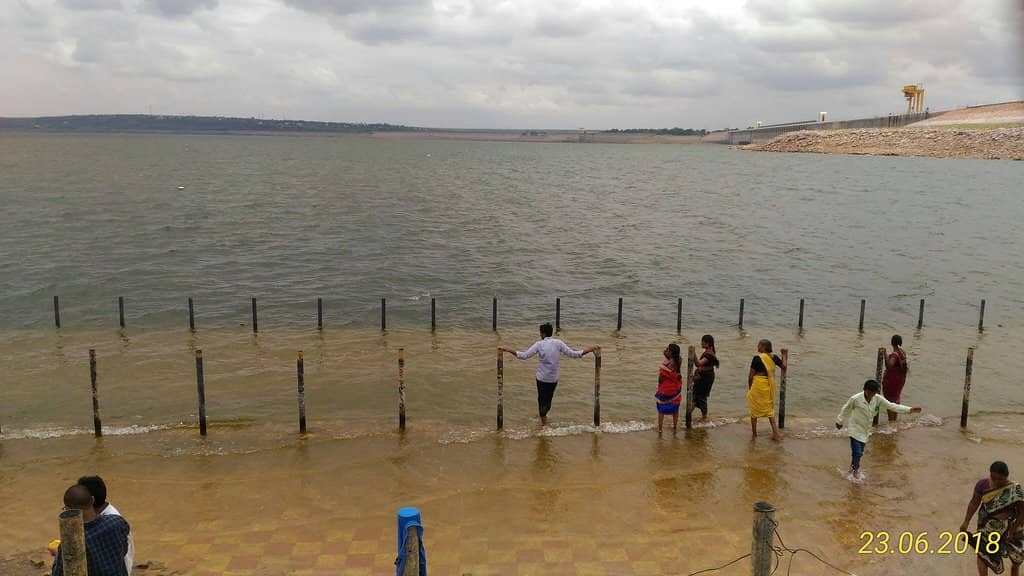
Panoramic Bridge Views
On the dam bridge
Stand on the bridge for incredible photo opportunities of the dam and the vast reservoir.
Nagarjunakonda Island Museum
Island in the reservoir
Explore the remnants of an ancient Buddhist civilization, relocated to this island museum.
Plans like a pro.
Thinks like you
Planning Your Visit
Timing Your Visit for the Best Views
Getting There & What to Expect
Best Times
Insider Tips
from TikTok, Instagram & Reddit
📸 Bridge Photo Spot
Stand on the bridge for the best dam and reservoir shots. :camerawithflash:
💧 Monsoon Magic
Visit during or after monsoon for impressive water flow from open gates. :cloudwithrain:
🚗 Smooth Drive
Roads from Hyderabad are generally good, making for a smooth 3-hour journey. 🚗
🏛️ Historical Island
Don't miss Nagarjunakonda island for a glimpse into ancient Buddhist history. :ancient_ruins:
Tips
from all over the internet
📸 Bridge Photo Spot
Stand on the bridge for the best dam and reservoir shots. :camerawithflash:
💧 Monsoon Magic
Visit during or after monsoon for impressive water flow from open gates. :cloudwithrain:
🚗 Smooth Drive
Roads from Hyderabad are generally good, making for a smooth 3-hour journey. 🚗
🏛️ Historical Island
Don't miss Nagarjunakonda island for a glimpse into ancient Buddhist history. :ancient_ruins:
What Travellers Say
Reviews Summary
Visitors praise Nagarjuna Sagar Dam as a spectacular weekend getaway, particularly enjoying the impressive views when the 26 gates are open, especially post-monsoon. The drive from Hyderabad is smooth, and the dam's historical significance, including the Nagarjunakonda museum, adds to its appeal. However, some note that surrounding areas like river ghats could be better maintained.
"This is a nice gateaway for the weekend. All 26 gates were open and the view was spectacular. The travel was quite smooth and roads were not bad . Took 3 hours from Hyd . Tips ::::Stand on the bridge and click pictures .. you will get nice shots ."
Aspects of Life With a little Spice
"May be in AP and telangana all are well known about Nagarjuna Sagar Dam.
Nagarjuna Sagar Dam is a large masonry dam on the Krishna River, located between the Indian states of Telangana and Andhra Pradesh. It's known as the world's largest masonry dam and a major multipurpose project, providing irrigation and hydroelectric power. The dam was completed in 1967 and has a significant storage capacity.
Nagarjuna Sagar Dam is a masonry dam across the Krishna River at Nagarjuna Sagar which straddles the border between Nalgonda district in Telangana and Palnadu district in Andhra Pradesh.
The dam provides irrigation water to the districts of Nalgonda, Suryapet, Khammam, Bhadradri Kothagudem districts of Telangana and also Krishna, Guntur, Palnadu, Prakasam and parts of West Godavari districts of Andhra Pradesh.It is also a source of electricity generation for the national grid.
The Nizam made the British engineers begin the survey work for this dam across the Krishna River in the year 1903.
The project's construction was officially inaugurated by Prime Minister Jawaharlal Nehru on 10 December 1955 and proceeded for the next twelve years. Raja Vasireddy Ramagopala Krishna Maheswara Prasad, popularly known as the late Muktyala Raja, was instrumental in the construction of the Nagarjuna Sagar Dam through active political lobbying and the donation of one hundred and ten million GBP in 1952 and 22,000 ha (55,000 acres) of land.[9] It was the tallest masonry dam in the world at that time, built entirely with local know-how under the engineering leadership of Kanuri Lakshmana Rao.[citation needed]
The reservoir water was released into the left and right bank canals by Prime Minister Indira Gandhi on 4 August 1967. Construction of the hydroelectric power plant followed, with power generation increasing between 1978 and 1985 as additional units came into service. In 2015, the diamond jubilee celebrations of the project's inauguration were held, alluding to the prosperity the dam has ushered into the region.
The construction of the dam submerged an ancient Buddhist settlement, Nagarjunakonda, which was the capital of the Ikshvaku dynasty in the 1st and 2nd centuries and the successors of the Satavahanas in the Eastern Deccan. Excavations yielded 30 Buddhist monasteries as well as artwork and inscriptions of historical importance. Prior to the reservoir's flooding, monuments were dug up and relocated. Some were moved to Nagarjunakonda, now an island in the middle of the reservoir. Others were moved to the nearby mainland village of Anupu.
The site of the dam was selected in 2022 to be developed as part of the UDAN scheme. The selection calls for the development of a water aerodrome at the site."
Hari krishna
"It is built across River Krishna. The dam measure 150m tall and 16 kms in length. it is among the first irrigation projects started by Indian Government as an element of Green Revolution. it is also a source of hydro-electricity.
The river is surrounded by the beauty of nature,. If you take the turn towards the village and go near to river ghat where a small temple is situated and local people are taking the bath. The water is clean, Fishes can be seen near the steps as the water is touching 2 or 3 steps. The steps were neither clean nor maintained. The sound of the water lapping against the shore, and the serene surroundings with big dam in front of you are great to view and spend some moments.
The peacefulness of the surroundings allowed me to disconnect from the daily hustle and bustle of life.
One can reach at boating site to enjoy the boating."
Rajni Batra
What People Like
What People Dislike
Frequently Asked Questions
🚇 🗺️ Getting There
The most common way is by car, with a journey of approximately 3 hours via well-maintained roads. Taxis and private vehicles are readily available in Hyderabad.
While direct public transport might be limited, you can explore bus services from Hyderabad to nearby towns and then arrange local transport. It's advisable to check current bus schedules.
Travelers generally report good road conditions for the drive from Hyderabad, making it a relatively smooth journey.
Yes, it's a popular day trip destination from Hyderabad, with the drive taking around 3 hours each way.
There is a proposal to develop a water aerodrome at the site as part of the UDAN scheme, but currently, air travel is not a direct option.
🎫 🎫 Tickets & Entry
Information on specific entry fees can vary. It's best to check on-site or local tourism resources for the most current pricing.
The dam is generally accessible for viewing during daylight hours. Specific timings for the museum or other facilities might differ.
Advance booking is typically not required for general access to the dam. However, for specific attractions like the museum or boat rides, it's advisable to inquire locally.
Visitors are usually allowed to walk on the dam and enjoy the views. However, access to certain operational areas might be restricted for safety reasons.
The gates are most likely to be open during and immediately after the monsoon season when the reservoir is full.
🎫 🏞️ Onsite Experience
The primary attraction is the massive masonry dam itself, along with the reservoir. The Nagarjunakonda Island Museum and potential boat rides are also significant draws.
Yes, photography is generally permitted. Standing on the bridge offers excellent vantage points for capturing the dam and reservoir.
Boating facilities are often available, allowing visitors to enjoy the reservoir. It's recommended to check for availability upon arrival.
Nagarjunakonda was an ancient Buddhist settlement and the capital of the Ikshvaku dynasty. Its excavated monuments and artifacts are now housed in a museum on the island.
The bridge across the dam provides excellent panoramic views. The surrounding natural beauty also offers serene spots to appreciate the landscape.
🍽️ 🍽️ Food & Dining
Basic food options might be available near the dam, but for a wider variety, it's advisable to dine in Hyderabad or carry packed meals.
Expect local snacks and simple meals. For a more diverse culinary experience, plan your meals before or after your visit.
While some local eateries exist, hygiene standards can vary. It's a good idea to be cautious or opt for packed food if you have dietary concerns.
Yes, bringing your own food and water is a good idea, especially if you plan to spend a significant amount of time enjoying the views.
Fine dining options are scarce in the immediate vicinity of the dam. Hyderabad offers a much broader range of culinary choices.
📸 📸 Photography
The bridge offers iconic shots of the dam and reservoir. The river ghats, though sometimes unkempt, can also provide interesting perspectives.
A standard DSLR or mirrorless camera with a versatile lens (e.g., 24-70mm) is ideal. A wide-angle lens can capture the vastness of the dam and reservoir.
Generally, photography is allowed. However, avoid capturing sensitive operational areas of the dam for security reasons.
Early morning or late afternoon (golden hours) offer the best light for photography, minimizing harsh shadows and creating a more dramatic effect.
Drone usage is typically restricted at large infrastructure projects like dams due to security regulations. It's best to assume drones are not permitted.


Social
from TikTok, Instagram & Reddit