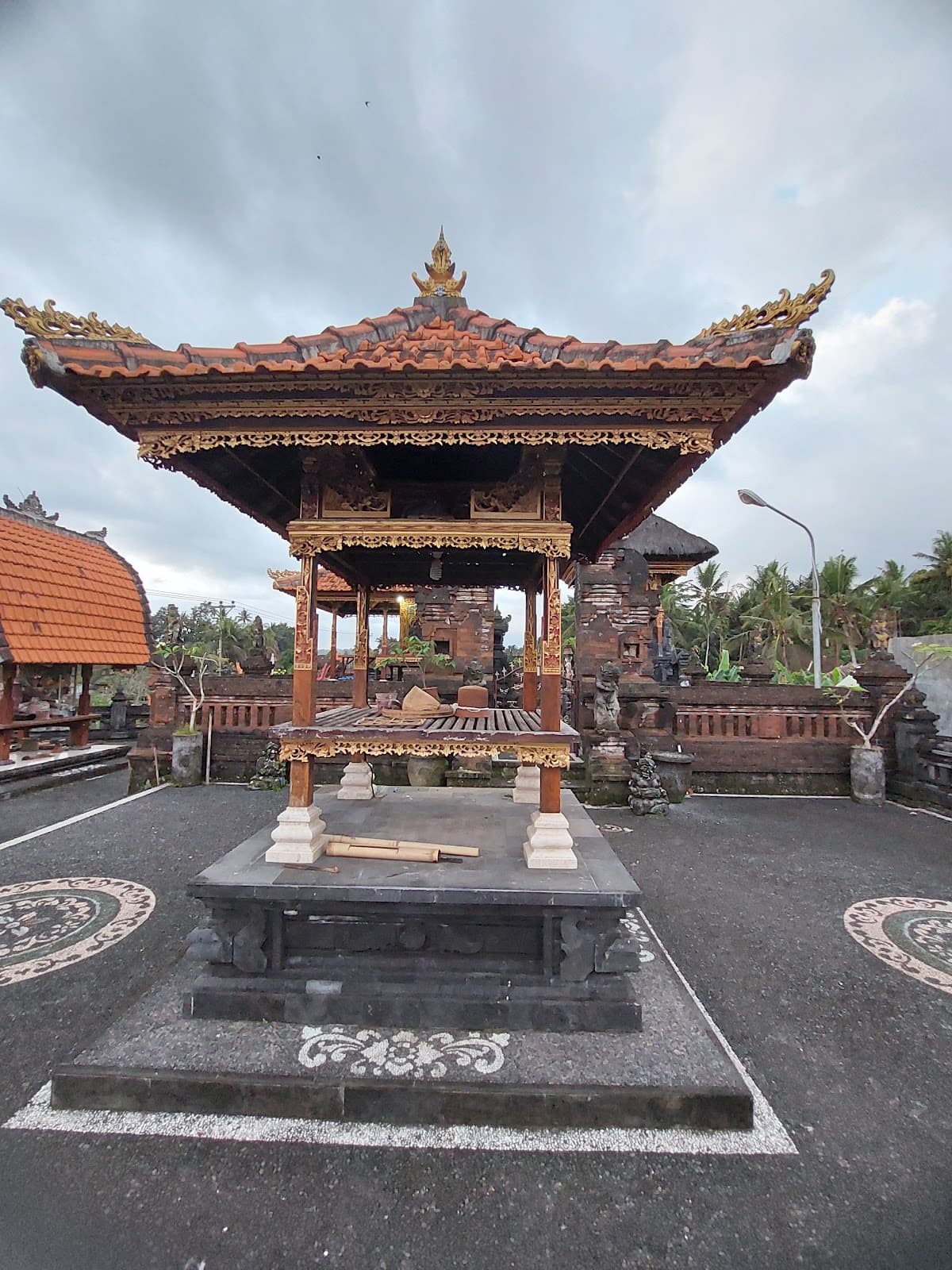
Baha Heritage Village (Desa Wisata Baha)
Step into a living museum of Balinese tradition. Explore authentic homes, witness ancient crafts, and connect with a warm, welcoming community.
Highlights
Must-see attractions

Social
From TikTok & Reddit
Best Time
Cooler temperatures, vibrant atmosphere
Baha Heritage Village (Desa Wisata Baha)
Best Time
Cooler temperatures, vibrant atmosphere
Highlights
Must-see attractions
Step into a living museum of Balinese tradition. Explore authentic homes, witness ancient crafts, and connect with a warm, welcoming community.
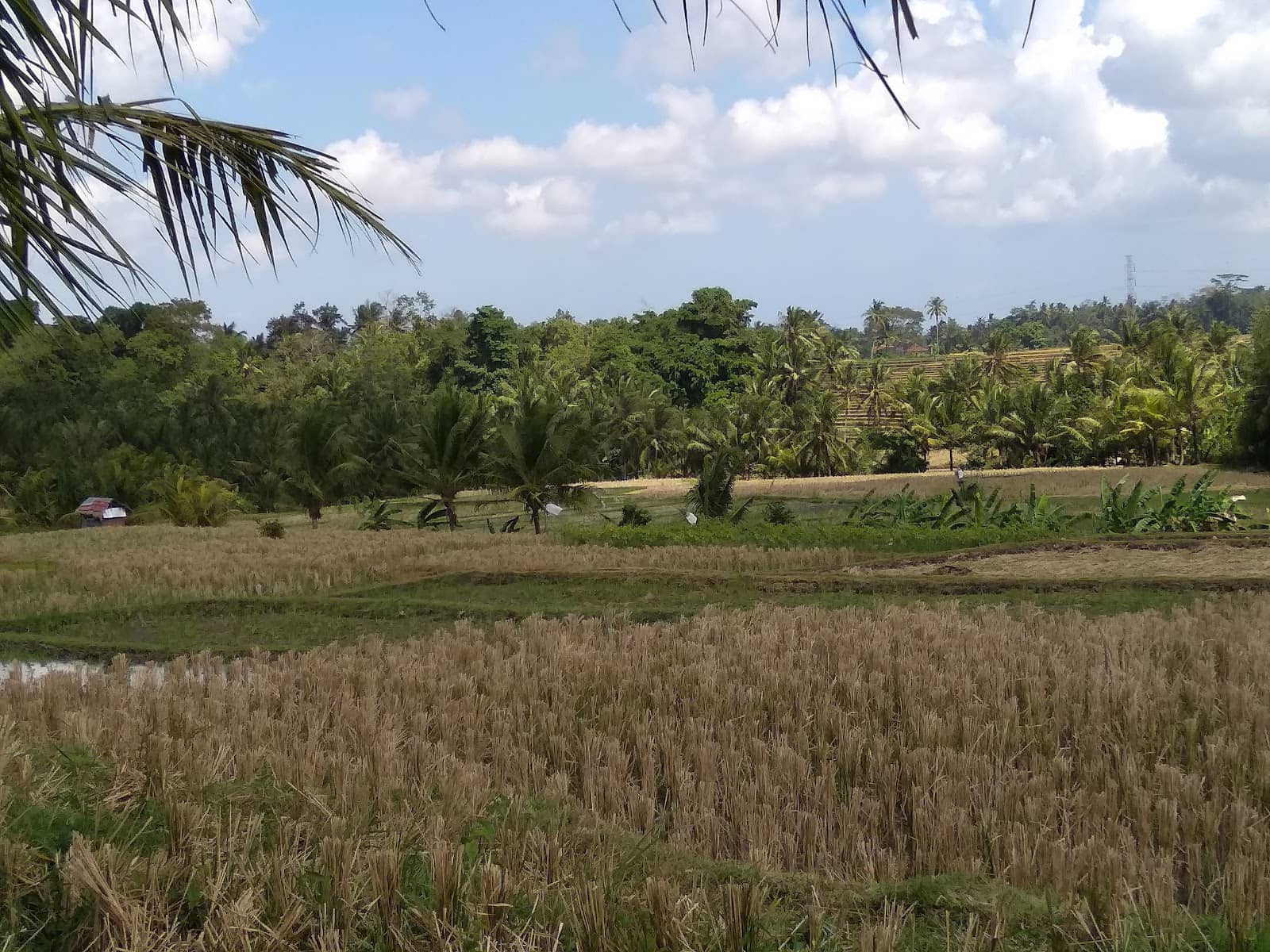
🚶♀️ Wander and Explore
Take your time to get lost in the charming alleys. You'll discover hidden gems and authentic local life.
🤝 Engage with Locals
A smile and a few basic Indonesian phrases go a long way. Locals are friendly and happy to share their culture.
Quick Facts
Highlights
Discover the most iconic attractions and experiences
Traditional Balinese Houses
Throughout the village
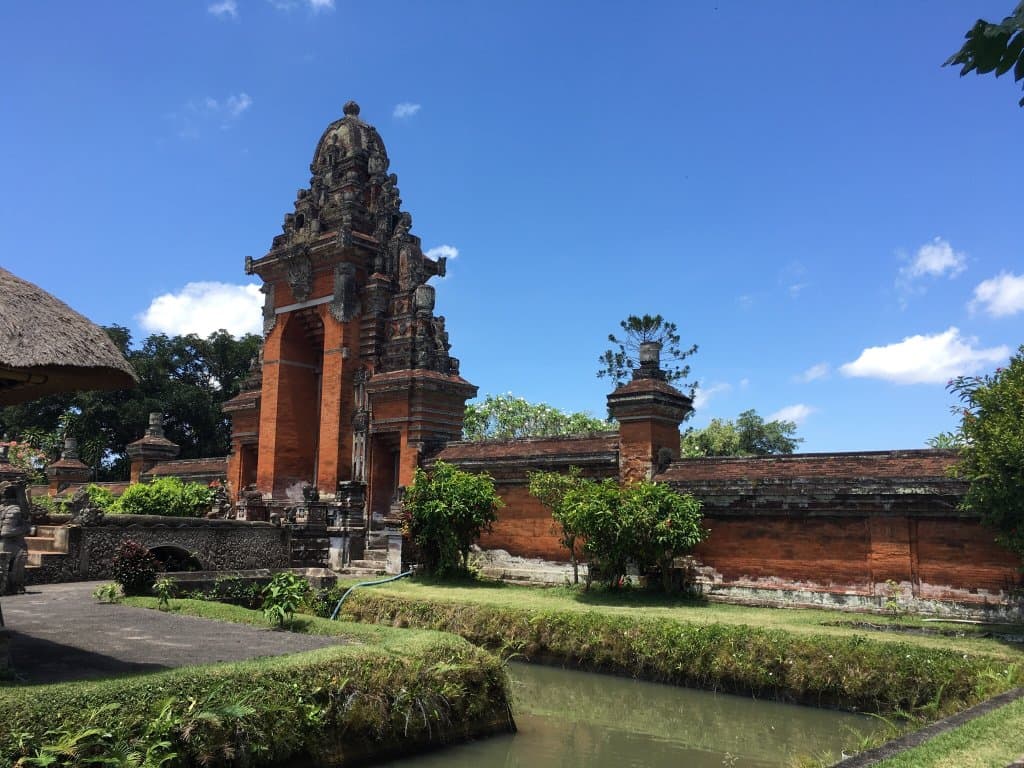
Wander through authentic homes showcasing intricate architecture and serene courtyards. A true step back in time.
Local Craft Demonstrations
Various workshops
Witness skilled artisans at work, from weaving to wood carving. Learn about age-old techniques firsthand.
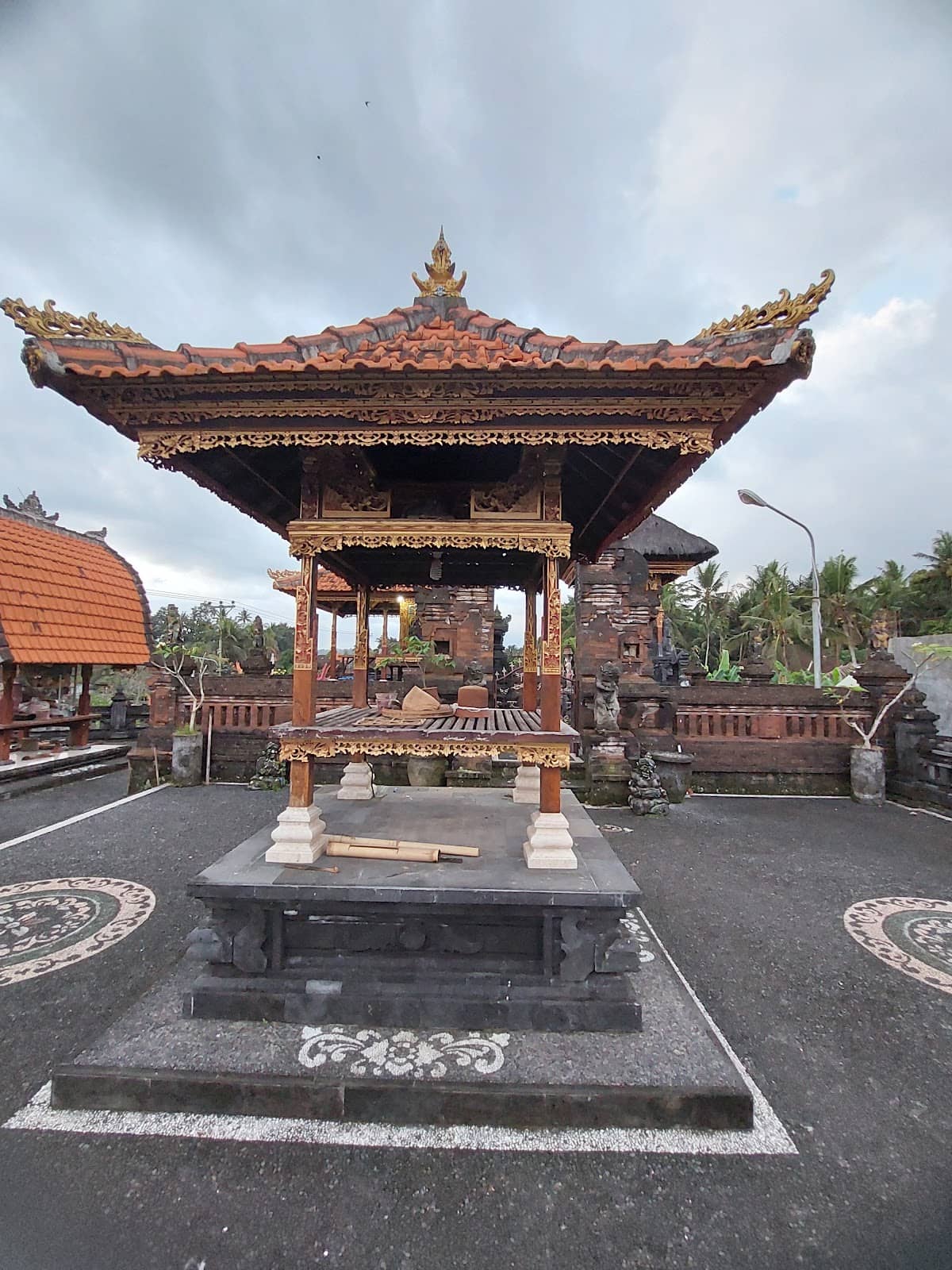
Cultural Performances
Village square
Experience vibrant traditional dances and music that bring Balinese heritage to life. A feast for the senses.
Plans like a pro.
Thinks like you
Planning Your Visit
Embrace the Local Pace
Respectful Attire is Key
Best Times
Insider Tips
from TikTok, Instagram & Reddit
🚶♀️ Wander and Explore
Take your time to get lost in the charming alleys. You'll discover hidden gems and authentic local life.
🤝 Engage with Locals
A smile and a few basic Indonesian phrases go a long way. Locals are friendly and happy to share their culture.
💧 Stay Hydrated
The tropical climate can be warm. Carry water and take breaks in shaded areas.
📸 Respectful Photography
Always ask permission before taking close-up photos of people. Be mindful of sacred spaces.
Tips
from all over the internet
🚶♀️ Wander and Explore
Take your time to get lost in the charming alleys. You'll discover hidden gems and authentic local life.
🤝 Engage with Locals
A smile and a few basic Indonesian phrases go a long way. Locals are friendly and happy to share their culture.
💧 Stay Hydrated
The tropical climate can be warm. Carry water and take breaks in shaded areas.
📸 Respectful Photography
Always ask permission before taking close-up photos of people. Be mindful of sacred spaces.
What Travellers Say
Reviews Summary
Visitors praise Baha Heritage Village for its authentic portrayal of traditional Balinese life and its welcoming community. The opportunity to witness crafts and architecture up close is a major draw. Some note that amenities are basic, and it's best visited with an open mind to appreciate the slower pace and cultural immersion.
What People Like
What People Dislike
Frequently Asked Questions
🚇 🗺️ Getting There
Baha Heritage Village is located in North Bali. The easiest way to get there is by hiring a private driver or taking a taxi from Denpasar, which typically takes about 1.5 to 2 hours. Renting a scooter is also an option for the more adventurous, but be prepared for longer travel times and potentially challenging roads.
Public transport options to Baha Heritage Village are limited. It's recommended to arrange private transportation for a more convenient and direct journey. Local buses might go to nearby towns, but you'd likely need a short taxi or scooter ride from there.
The village is best explored on foot. Its compact size and charming pathways are perfect for leisurely strolls. You can truly immerse yourself in the atmosphere by walking.
Yes, there are designated parking areas for visitors arriving by car or scooter. Parking is generally convenient and close to the village entrance.
Many tour operators in Bali offer customizable tours that can include Baha Heritage Village, especially those focusing on cultural experiences in North Bali. It's a great way to combine it with other nearby attractions.
🎫 🎫 Tickets & Entry
There is typically a small entrance fee to access Baha Heritage Village. This fee helps maintain the village and support the local community. It's advisable to check the latest pricing upon arrival.
Baha Heritage Village is generally open daily from morning until late afternoon. However, specific hours can vary, so it's best to confirm them before your visit, especially if you plan to attend any scheduled cultural performances.
The village is usually open on public holidays, offering a unique opportunity to see local celebrations. However, it might be busier than usual, so plan accordingly.
Information on discounts for children or seniors is not always widely advertised. It's recommended to inquire at the entrance or with your tour operator about potential concessions.
Advance booking is generally not required for individual visitors. You can purchase tickets upon arrival at the village entrance. For group tours, advance arrangements are usually made through the tour provider.
🎫 🧭 Onsite Experience
You can explore traditional Balinese houses, witness craft demonstrations (like weaving and wood carving), enjoy cultural performances, and interact with the local community. It's an immersive cultural experience.
Yes, guided tours are often available and highly recommended. Local guides can provide in-depth insights into the history, customs, and daily life of the village, enriching your visit.
It's important to dress respectfully. Lightweight, modest clothing is recommended. Consider bringing a sarong or sash, as these may be required for entering certain areas or during ceremonies.
The village has uneven paths and traditional structures, which might pose challenges for individuals with significant mobility issues. It's best to inquire about accessibility beforehand if this is a concern.
Photography is generally allowed, but always be respectful. Ask for permission before taking close-up photos of residents or inside private homes. Some cultural performances might have restrictions on photography.
🍽️ 🍽️ Food & Dining
While Baha Heritage Village is primarily a cultural experience, there are usually small local eateries or warungs offering traditional Balinese dishes. These offer a chance to taste authentic local flavors.
Expect to find classic Balinese cuisine, such as Nasi Goreng (fried rice), Mie Goreng (fried noodles), satay, and various local vegetable dishes. The food is typically fresh and flavorful.
Yes, you might find vendors selling local snacks, fresh tropical fruits, and traditional drinks like Balinese coffee or herbal teas. It's a great way to sample local delicacies.
Many Balinese dishes are naturally vegetarian or can be made vegan, especially those featuring rice, vegetables, and tofu/tempeh. Don't hesitate to ask the vendors about ingredients.
Bringing your own water is always a good idea. While there aren't strict rules against bringing outside food, it's generally more enjoyable to support the local vendors and experience the authentic flavors available within the village.
📸 📸 Photography
Every corner of Baha Heritage Village offers a photographic opportunity. Focus on the intricate details of the traditional houses, the vibrant colors of local crafts, and the candid moments of daily life.
A versatile lens like a 24-70mm is ideal for capturing both wider village scenes and intimate details. A prime lens (like a 50mm) can be great for portraits if you get permission. Don't forget a wide-angle lens for architectural shots.
While general photography is allowed, always be mindful and respectful. Avoid intrusive shots of people without their consent, and be aware of any specific no-photography signs in sacred areas or during ceremonies.
The 'golden hours' – early morning and late afternoon – offer the most beautiful, soft light for photography. Midday sun can be harsh, but it's perfect for capturing the vibrant colors of crafts and clothing.
Focus on storytelling. Capture interactions between people, the details of their daily routines, the textures of their homes, and the expressions of joy during cultural events. Authenticity is key.



Social
from TikTok, Instagram & Reddit