Keraton Kanoman Cirebon
A 17th-century royal palace in Cirebon, blending history, unique Chinese ceramic art, and a living heritage with a museum of relics.
Highlights
Must-see attractions

Social
From TikTok & Reddit
Best Time
Fewer crowds, more serene
Keraton Kanoman Cirebon
Best Time
Fewer crowds, more serene
Highlights
Must-see attractions
A 17th-century royal palace in Cirebon, blending history, unique Chinese ceramic art, and a living heritage with a museum of relics.
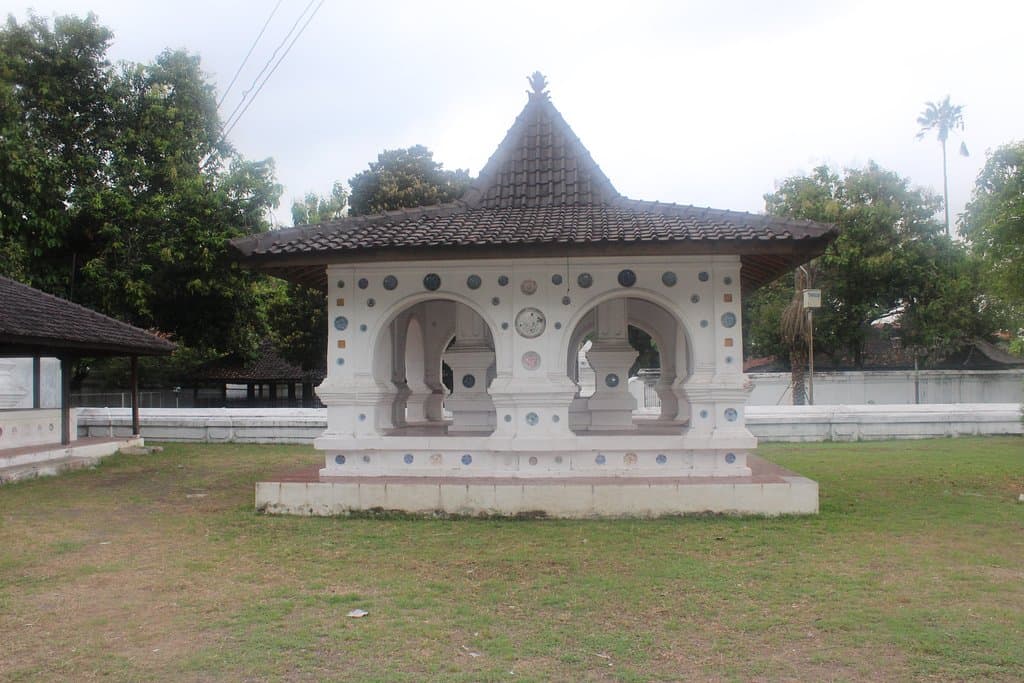
"This keraton has a marvellous china that were embedded in the every gate of the Keraton. They are very beautiful!"
🤝 Hire a Local Guide
Essential for understanding history & traditions. Guides are often connected to the Sultanate.
💰 Guide Fee Negotiation
Guides may have set fees (e.g., 50k IDR). Be prepared for this, though flexibility might exist.
Quick Facts
Hours
Rating
4.5 · 3,604 reviews
Type
Historical Landmark
Highlights
Discover the most iconic attractions and experiences
Paksi Naga Liman Carriage
Museum
Marvel at the grandeur of this magnificent royal carriage, a symbol of the Keraton's historical power and artistry.
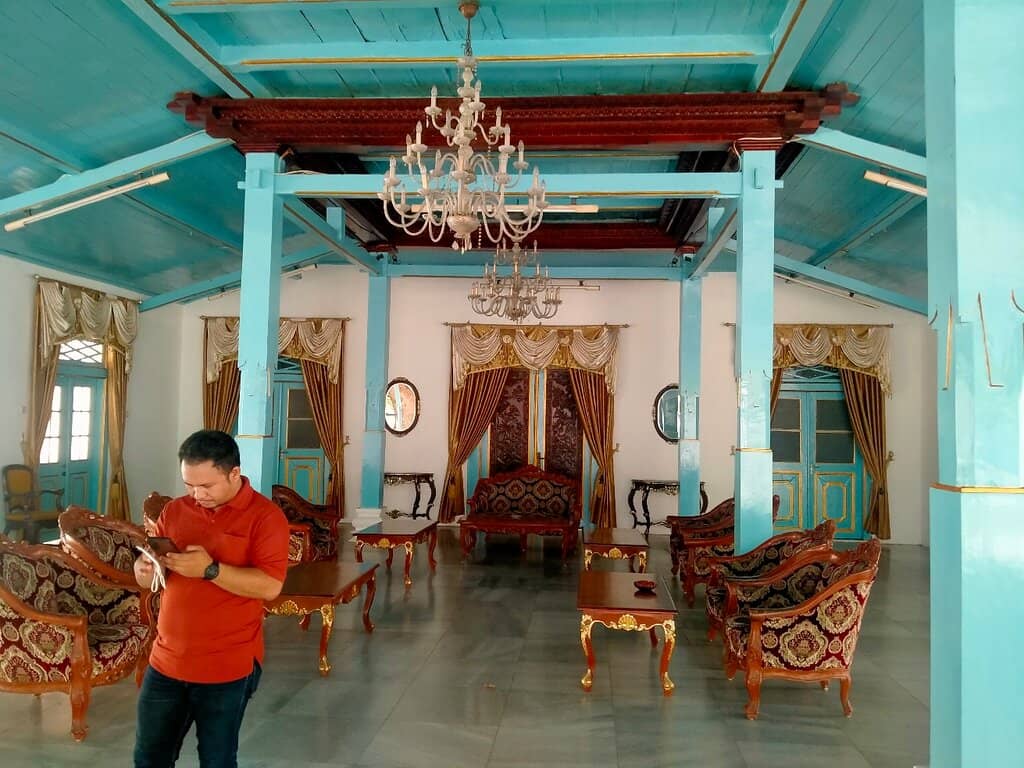
Chinese Ceramic Decorations
Palace Gates & Walls
Admire the intricate beauty of Chinese ceramics embedded in the palace architecture, showcasing historical trade and cultural exchange.
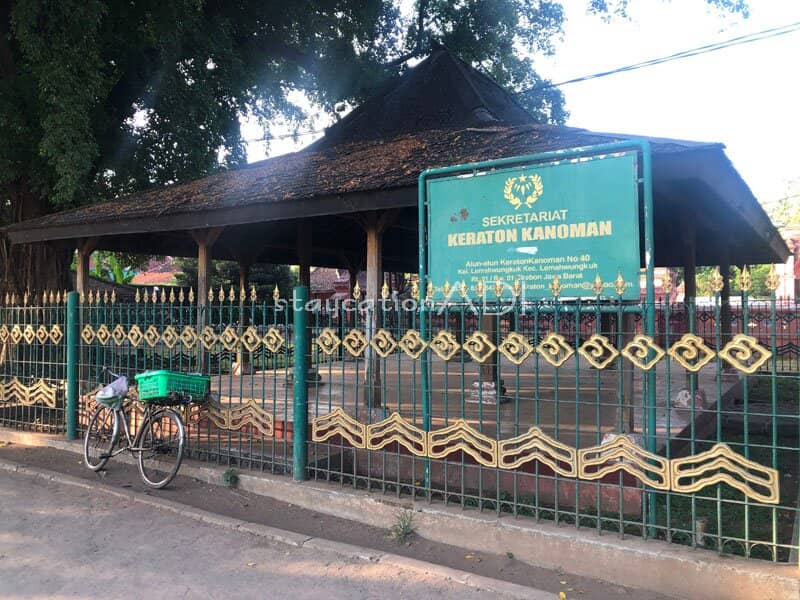
Gedung Pusaka Museum
Within Pasar Kanoman
Explore a hidden gem within the traditional market, housing precious relics and artifacts that tell the story of the Kanoman Sultanate.
Plans like a pro.
Thinks like you
Planning Your Visit
Embrace the Local Vibe
Preservation Needs Attention
Best Times
Insider Tips
from TikTok, Instagram & Reddit
🤝 Hire a Local Guide
Essential for understanding history & traditions. Guides are often connected to the Sultanate.
💰 Guide Fee Negotiation
Guides may have set fees (e.g., 50k IDR). Be prepared for this, though flexibility might exist.
👟 Wear Comfortable Shoes
You'll be walking around historical grounds and potentially a market.
📸 Capture the Details
Focus on the unique Chinese ceramic inlays and historical artifacts.
Tips
from all over the internet
🤝 Hire a Local Guide
Essential for understanding history & traditions. Guides are often connected to the Sultanate.
💰 Guide Fee Negotiation
Guides may have set fees (e.g., 50k IDR). Be prepared for this, though flexibility might exist.
👟 Wear Comfortable Shoes
You'll be walking around historical grounds and potentially a market.
📸 Capture the Details
Focus on the unique Chinese ceramic inlays and historical artifacts.
🌬️ Air Out the Rooms
Some areas can feel musty; opening windows helps improve air circulation.
What Travellers Say
Reviews Summary
Keraton Kanoman is a historically significant site with unique Chinese ceramic decorations and a museum of royal relics. Visitors appreciate the cultural immersion and the opportunity to interact with descendants of the Sultanate. However, many reviews highlight concerns about the palace's maintenance, with descriptions of dust and a general lack of upkeep in certain areas.
"when I entered the palace, the terrace was very dirty, the dust and dirt on the floor stuck to my socks, never in the broom and in the mop. The condition of the palace should be paid more attention. Lots of dry and dirty leaves. Inside the palace there is a musty smell, it must be opened so that the air in the room is replaced with the air outside. I was not taken to the heritage museum by the guide. When we want to go home, we give less than 50 thousand rupiahs, but the palace guide only want to accept 50 thousand rupiahs and don't want to accept less than 50 thousand rupiahs, I am a little surprised but that's okay, hopefully the palace really takes care of it."
Adin
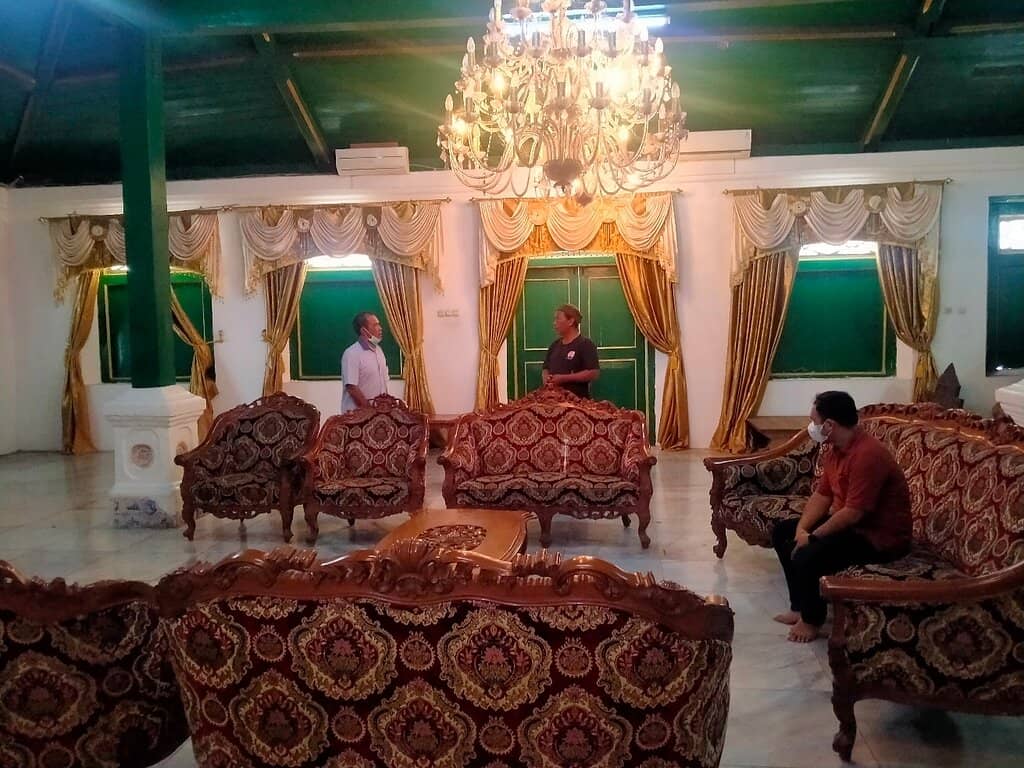
"Sultanate families still lives there, the palace is still used as a household for the sultan descendants. The place is quite unique and the guide is often related to the sultan. Very nice.."
Bung Dominic
"This place is actually beautiful but it's neglected. Very messy. The museum is dusty with spider web in the corner of the room."
Dhavinra Jingga
What People Like
What People Dislike
Frequently Asked Questions
🚇 🗺️ Getting There
Keraton Kanoman is located within the traditional Pasar Kanoman. You can reach it by car or public transport to the Cirebon city center, then navigate towards the market area. Be prepared for bustling market surroundings. 
The palace is nestled behind the traditional market, so it might not be immediately obvious. Look for signs or ask locals for directions to Pasar Kanoman and then the Keraton.
Hiring a local driver or using ride-sharing apps can be convenient for navigating Cirebon. For the immediate area around the market, walking is often best.
Parking is available in the vicinity of Pasar Kanoman, but it can be busy. It's advisable to arrive earlier in the day if you are driving.
Yes, many Cirebon city tours include visits to both Keraton Kasepuhan and Keraton Kanoman, offering a comprehensive historical experience.
🎫 🎫 Tickets & Entry
Opening hours can vary, but it's generally open during daylight hours. It's best to check locally or with your guide upon arrival.
There is typically a small entrance fee for the palace grounds and museum. Additional fees may apply for guided tours.
Advance booking is usually not required for general entry. However, for special events or group tours, it's advisable to inquire beforehand.
Often, a single ticket covers access to the palace grounds and the Gedung Pusaka Museum. Confirm this upon your visit.
Keraton Kanoman is usually open on public holidays, but it may be more crowded. Special events like Maulid Nabi can also affect access.
🎫 🏛️ Onsite Experience
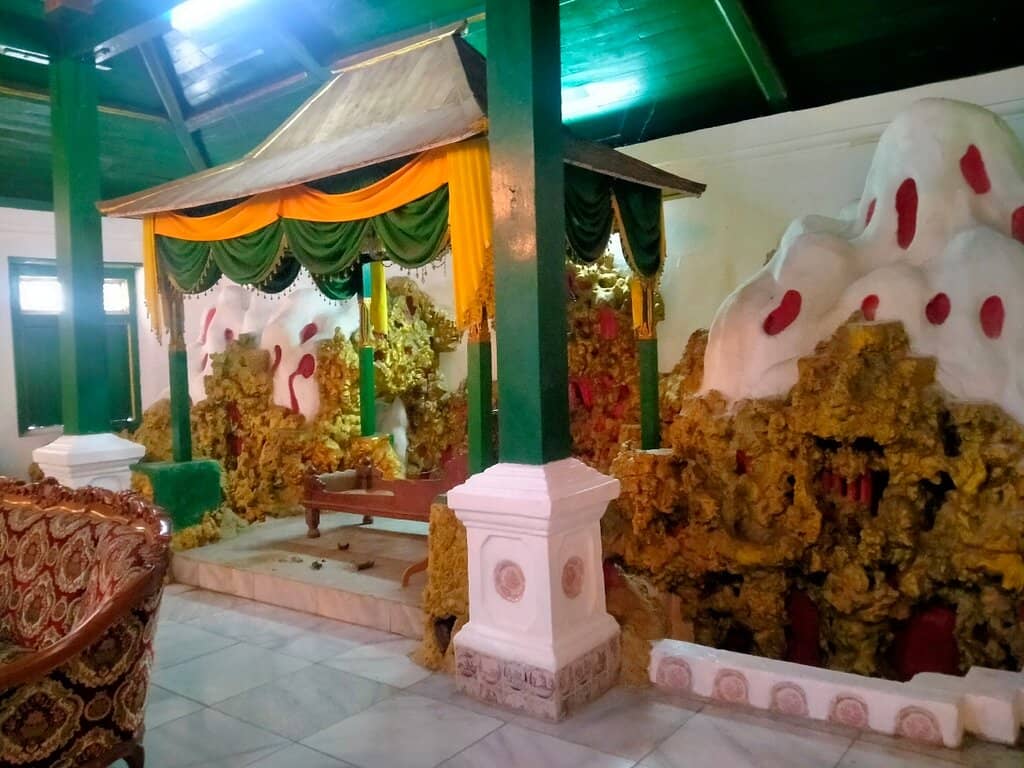
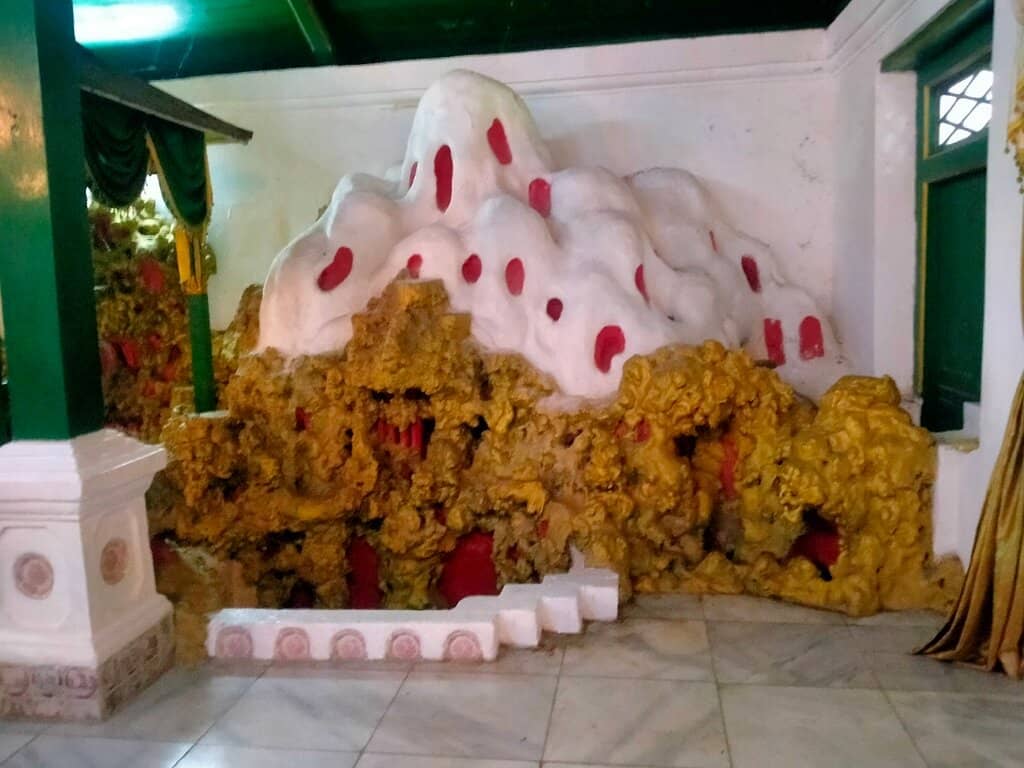
You can explore the palace grounds, admire the unique Chinese ceramic decorations, visit the Gedung Pusaka Museum with its historical relics, and see the Paksi Naga Liman carriage.
Yes, the Sultanate families still reside in parts of the palace, making it a living heritage site.
While historically significant, some areas may show signs of wear and require maintenance. Visitors have noted dust and a need for better upkeep in certain parts.
Photography is generally allowed in most areas, but it's always good to be respectful and ask if unsure, especially in areas with artifacts.
Panjang Jimat is a significant tradition held during Maulid Nabi, involving a procession that passes through specific gates like Lawang Seblawong.
📸 📸 Photography
The gates with intricate Chinese ceramic inlays, the courtyard, and the museum's artifacts offer great photographic opportunities.
Drone usage is typically restricted in historical and residential areas. It's best to check with local authorities or the Keraton management before flying a drone.
Daylight provides the best natural light. Mornings can be softer, while midday can be harsher. Consider the time of day for your shots.
While generally permitted, avoid intrusive photography, especially in areas where the Sultan's family might be present. Respect the sanctity of the site.
A versatile lens (like a 24-70mm) is useful for capturing both wider shots of the architecture and details of artifacts. A prime lens can be good for low-light museum shots.

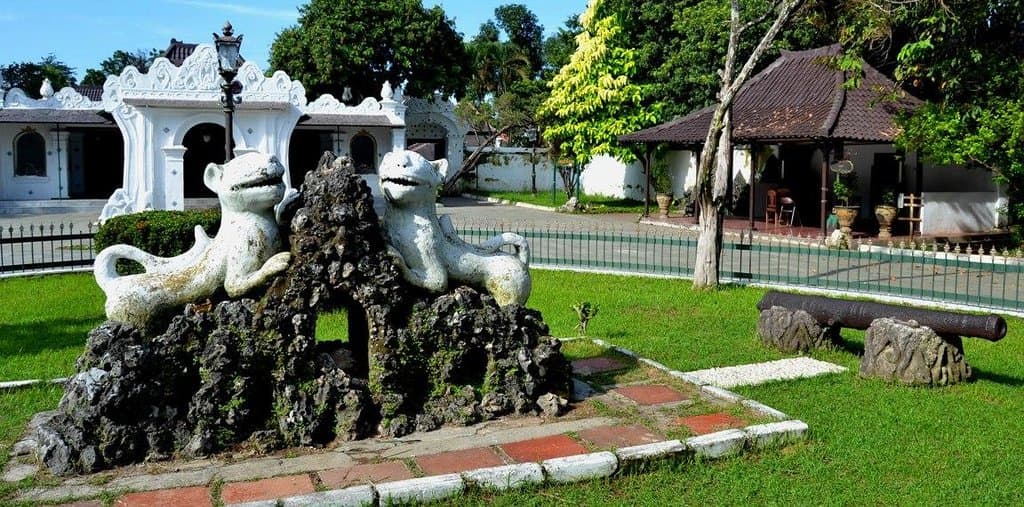
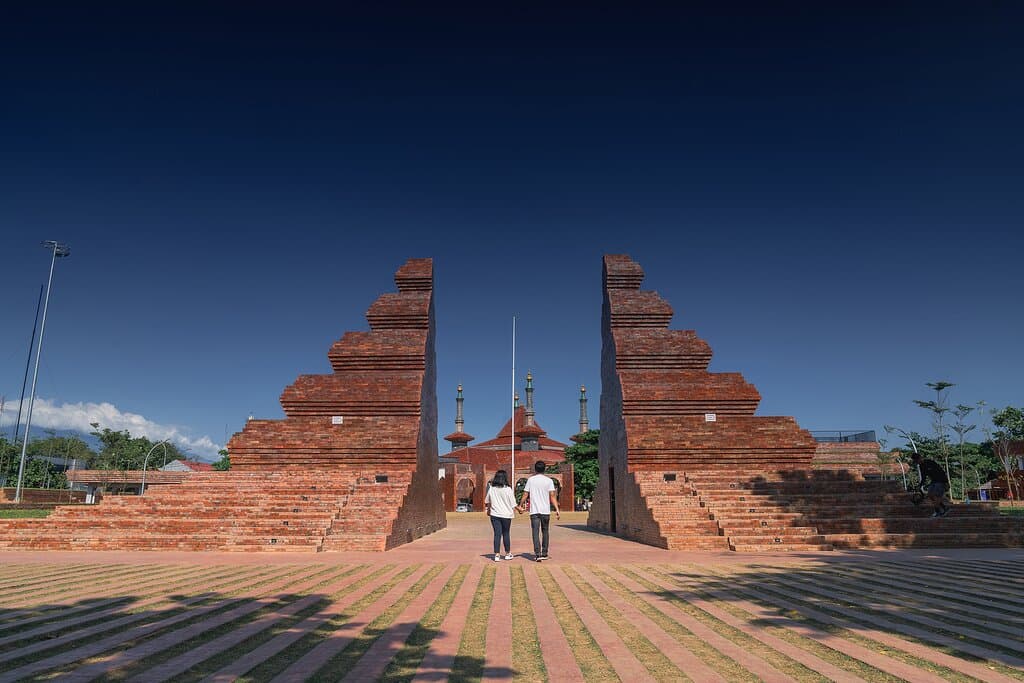
Social
from TikTok, Instagram & Reddit