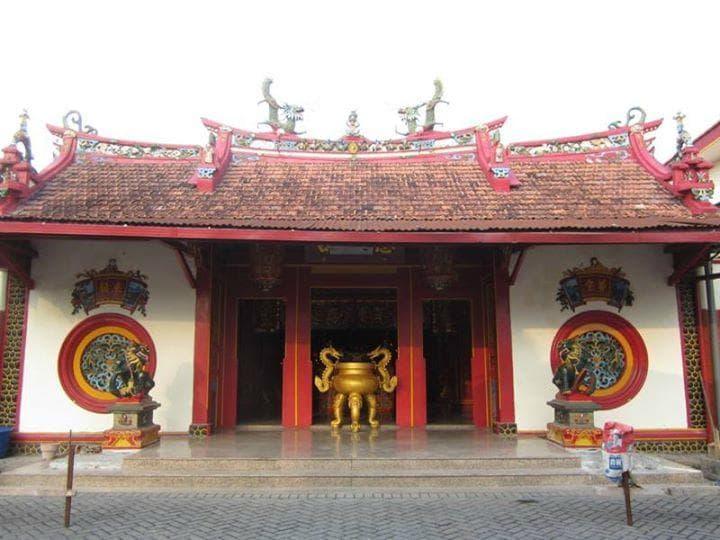
Klenteng Tjoe Hwie Kiong
Historic Minnan-style temple in Kediri, famed for its Mazu statue and traditional Wayang Potehi performances.
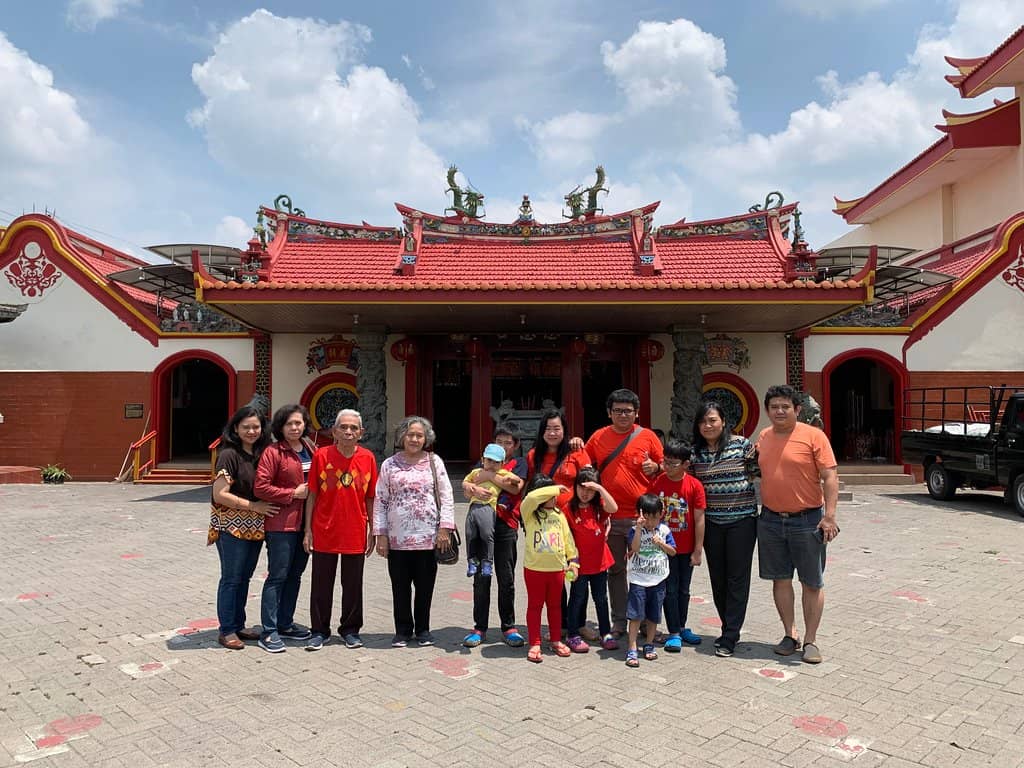
Highlights
Must-see attractions

Social
From TikTok & Reddit
Best Time
Peaceful atmosphere
Klenteng Tjoe Hwie Kiong
Best Time
Peaceful atmosphere
Highlights
Must-see attractions
Historic Minnan-style temple in Kediri, famed for its Mazu statue and traditional Wayang Potehi performances.
"An interesting place to visit to feel the breathing air and see Brantas river right from the other side."
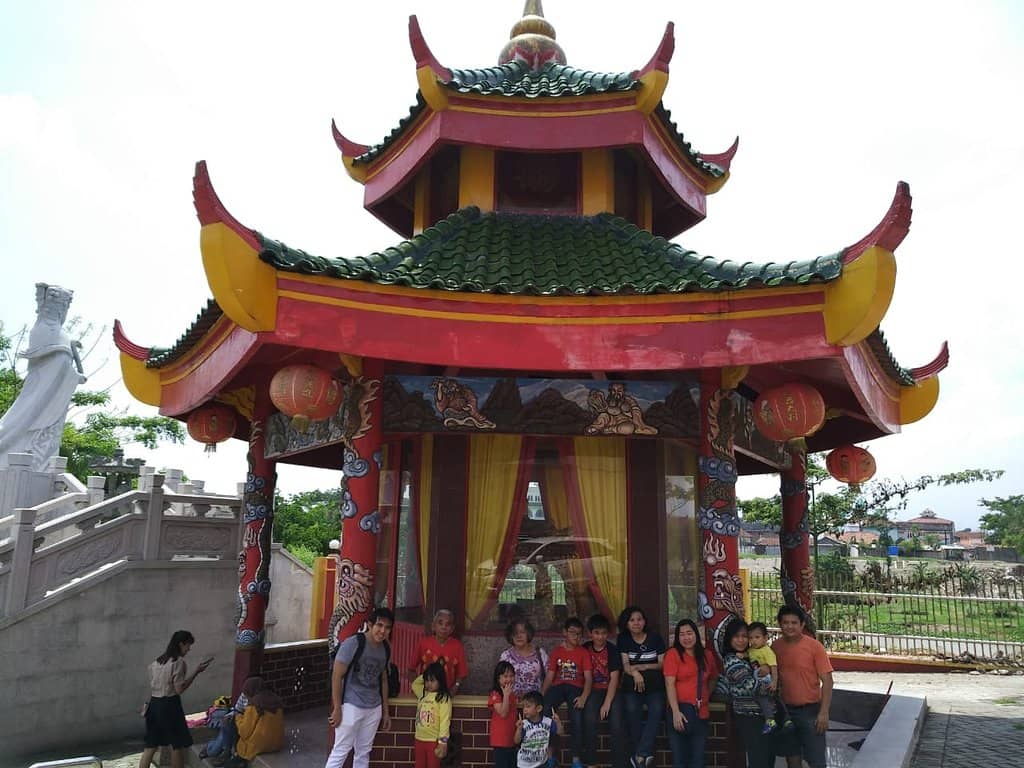
📸 Capture the Details
The intricate carvings and vibrant colors make for stunning photos. Look for unique angles!
🙏 Be Respectful
This is an active place of worship. Dress modestly and be mindful of ceremonies.
Quick Facts
Hours
Rating
4.6 · 713 reviews
Type
Place of Worship
Highlights
Discover the most iconic attractions and experiences
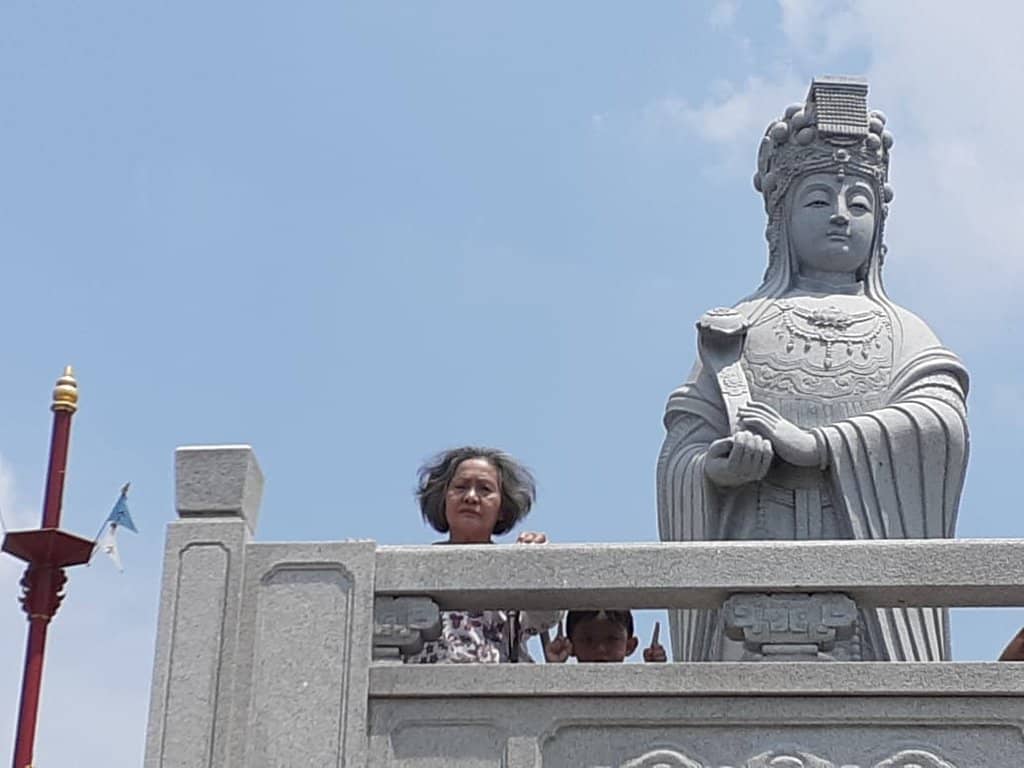
Majestic Mazu Statue
Facing the Brantas River
A superb, intricately crafted statue of Mazu, the goddess of the sea, offering blessings and protection.
Wayang Potehi Performances
Main hall
Experience traditional Chinese glove puppet shows, a living cultural heritage, often performed daily.
Minnan Architectural Style
Entire complex
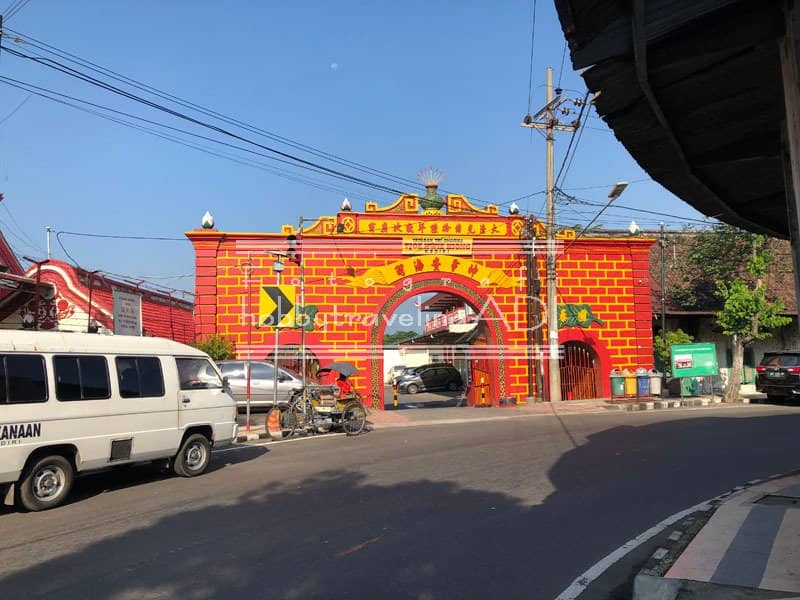
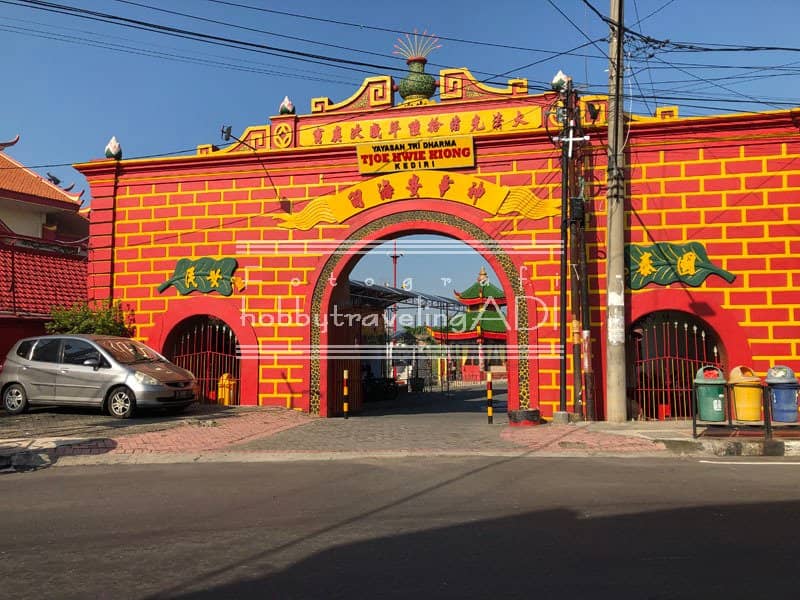
Admire the vibrant and elaborate Minnan style architecture, featuring colorful pagodas and detailed stone carvings.
Plans like a pro.
Thinks like you
Planning Your Visit
Timing Your Visit for Serenity
Respectful Exploration
Best Times
Insider Tips
from TikTok, Instagram & Reddit
📸 Capture the Details
The intricate carvings and vibrant colors make for stunning photos. Look for unique angles!

🙏 Be Respectful
This is an active place of worship. Dress modestly and be mindful of ceremonies.
🚶♀️ Explore the Grounds
Wander through the complex to discover hidden corners and enjoy the river views.
🎭 Catch a Show
Don't miss the Wayang Potehi puppet shows for a cultural treat.
Tips
from all over the internet
📸 Capture the Details
The intricate carvings and vibrant colors make for stunning photos. Look for unique angles!
🙏 Be Respectful
This is an active place of worship. Dress modestly and be mindful of ceremonies.
🚶♀️ Explore the Grounds
Wander through the complex to discover hidden corners and enjoy the river views.
🎭 Catch a Show
Don't miss the Wayang Potehi puppet shows for a cultural treat.
📍 Near Brantas River
Enjoy the serene views of the Brantas River from the temple grounds.
What Travellers Say
Reviews Summary
Visitors praise Klenteng Tjoe Hwie Kiong for its beautiful Minnan-style architecture and the impressive Mazu statue. Many find it an interesting cultural stop in Kediri, offering a serene atmosphere and positive energy. However, some visitors have encountered limitations during ceremonies, restricting movement and access.
"Beatiful place for visiting but unfortunately we came when they held ceremony, can't move around to much accord to security said, but allowed us to take couple shoots"
I Gusti Nyoman Oka
"Its an interesting place to visit..., especially if you travel to Kediri...
For me I was end up visiting this site to feel the breathing air and see Brantas river right from the other side of Islamic Boarding school... And they say... It will bring some positive energy and cut off the badLuck from our own dark energy and certainly will be blessed by the unseen community... Heheheh... Just kidding... Just enjoy the variety of peoples culture..."
Keumbee Bungoeng
"Good atmosphere. See traditional Minnan Style temple. They have Mazu statue facing the river"
Wiharjo H.Tan
What People Like
What People Dislike
Frequently Asked Questions
🚇 🗺️ Getting There
Klenteng Tjoe Hwie Kiong is conveniently located about 900 meters from Kediri Station, making it easily accessible by a short walk or a quick ride-hailing service.
You can walk from Kediri Station, take a local becak (pedicab), or use ride-sharing apps. The temple is well-known, so drivers will easily find it.
Yes, there is usually parking available for cars and motorcycles, especially during non-peak hours.
Absolutely! Its central location makes it a perfect stop for a day trip exploring Kediri's cultural and historical sites.
For exploring Kediri and reaching the temple, a combination of walking for short distances and using ride-hailing apps or local transport for longer ones is recommended.
🎫 🎫 Tickets & Entry
Generally, there is no entrance fee to visit Klenteng Tjoe Hwie Kiong. It's a place of worship, and donations are welcome but not mandatory.
The temple is typically open daily from morning until late afternoon or early evening. It's advisable to check for specific hours, especially during holidays.
Yes, visiting during festivals like Lunar New Year offers a vibrant experience, but expect larger crowds.
No, advance booking is not required as there is no admission fee. You can visit spontaneously.
Visitors are expected to dress modestly and behave respectfully within the temple grounds.
📸 📸 Photography
Photography is generally permitted, especially for the architecture and general ambiance. However, always be respectful of worshippers and ask permission before taking close-up photos of people.
The Mazu statue, the colorful pagodas, intricate stone carvings, and the views of the Brantas River offer excellent photographic opportunities.
While not explicitly stated, it's best to use tripods discreetly and avoid setting up elaborate shoots that might disturb worshippers or the sanctity of the place.
Early mornings or late afternoons provide softer light and fewer crowds, ideal for capturing the temple's beauty.
During ceremonies, it's crucial to be extra respectful. Avoid intrusive photography and focus on capturing the atmosphere from a distance if permitted.
🎫 🎭 Cultural Experiences
The temple is famous for its Wayang Potehi (glove puppet) performances, a unique cultural heritage.
Performances are often held regularly, especially during the month of May, and sometimes daily. It's best to inquire about the schedule upon arrival.
Yes, the temple hosts various events, including celebrations for Mazu Tian Shang Sheng Mu's birthday and Lunar New Year, often featuring Barongsai (lion dance) performances. +2
The temple itself is a historical site, built around the 1800s. Observing the architecture and any available information boards can provide insights into its past.
Klenteng Tjoe Hwie Kiong is known as the temple of Dewi Mazu (Goddess of the Sea), a revered deity for sailors and coastal communities. +1



Social
from TikTok, Instagram & Reddit