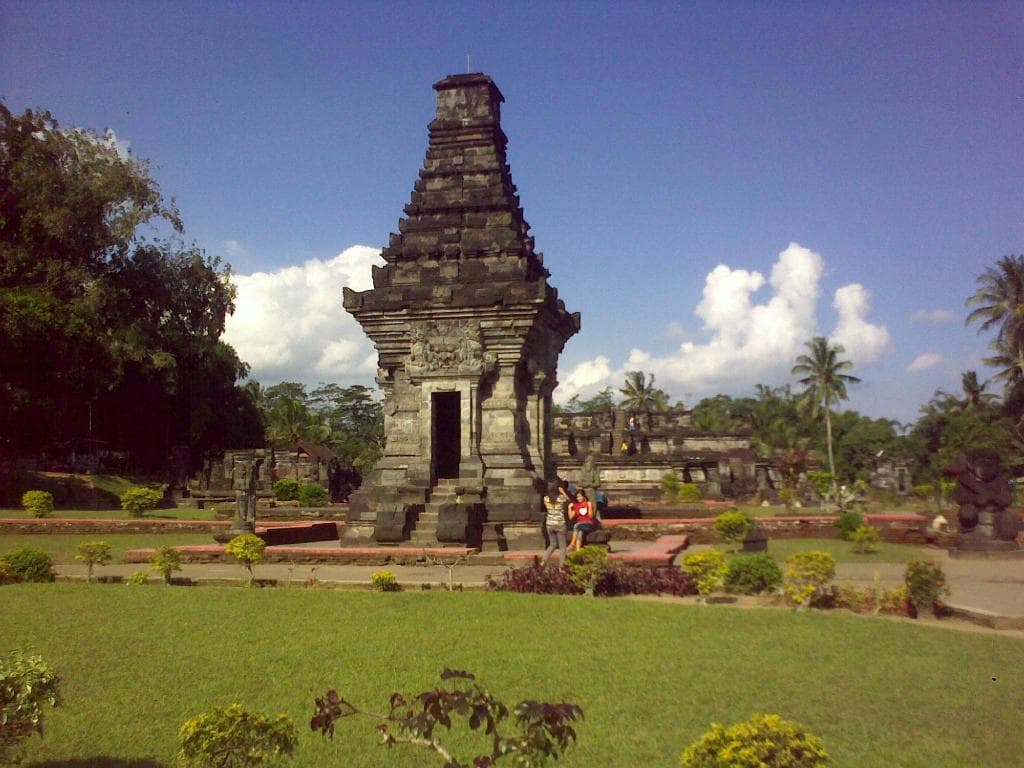
Penataran Temple Blitar
The largest Hindu temple complex in East Java, a testament to Kediri, Singasari, and Majapahit kingdoms.
Highlights
Must-see attractions

Social
From TikTok & Reddit
Best Time
Golden hour for photos
Penataran Temple Blitar
Best Time
Golden hour for photos
Highlights
Must-see attractions
The largest Hindu temple complex in East Java, a testament to Kediri, Singasari, and Majapahit kingdoms.
"A profound glimpse into ancient kingdoms with well-maintained grounds and intricate reliefs."
Wear Comfortable Shoes
You'll be doing a lot of walking to explore the entire complex. :athletic_shoe:
Respectful Attire
Dress modestly as it's a sacred historical site. Avoid revealing clothing. 🙏
Quick Facts
Hours
Rating
4.6 · 7,375 reviews
Type
Hindu Temple
Highlights
Discover the most iconic attractions and experiences
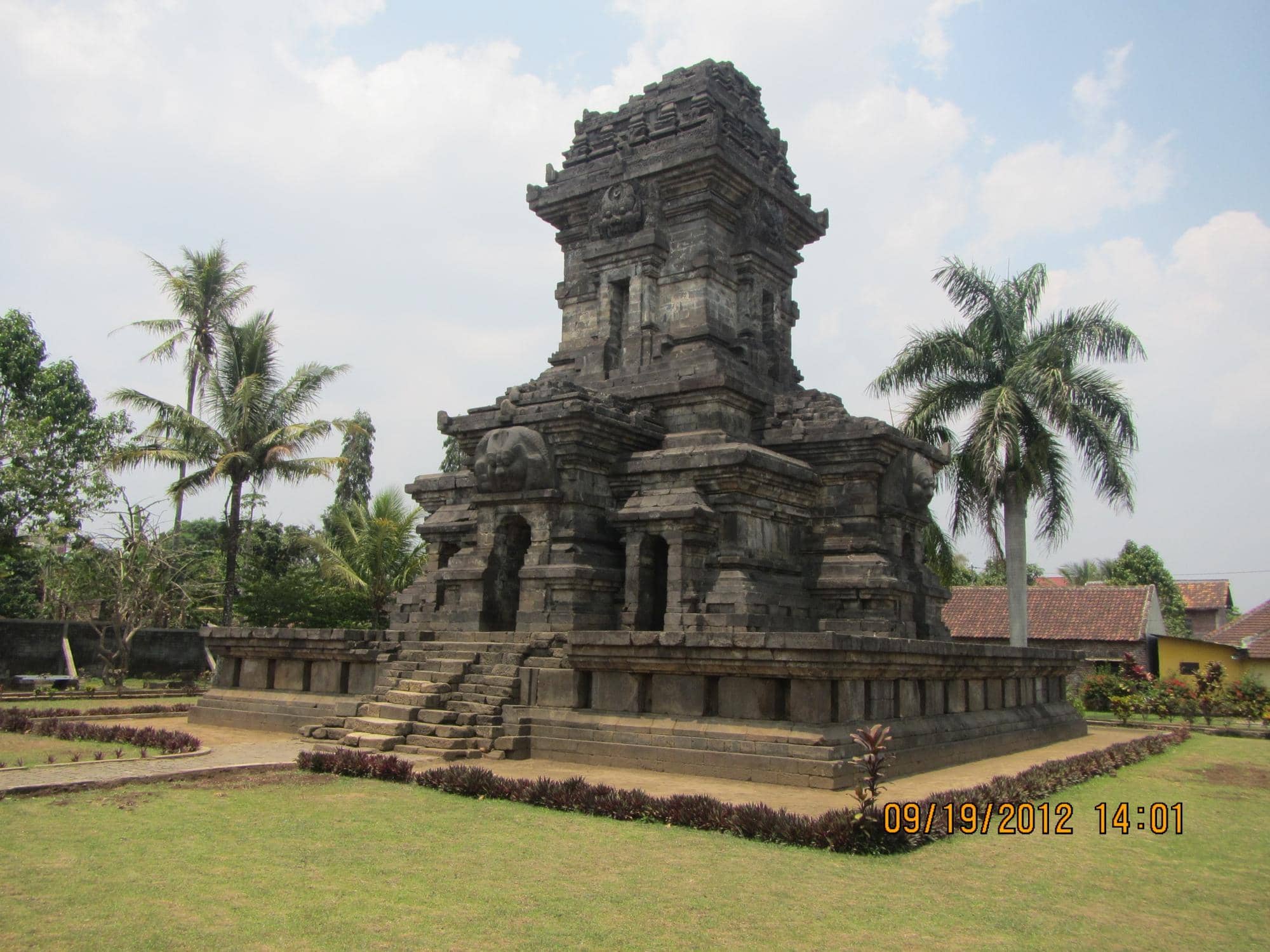
Palah Temple
Back/Top Part
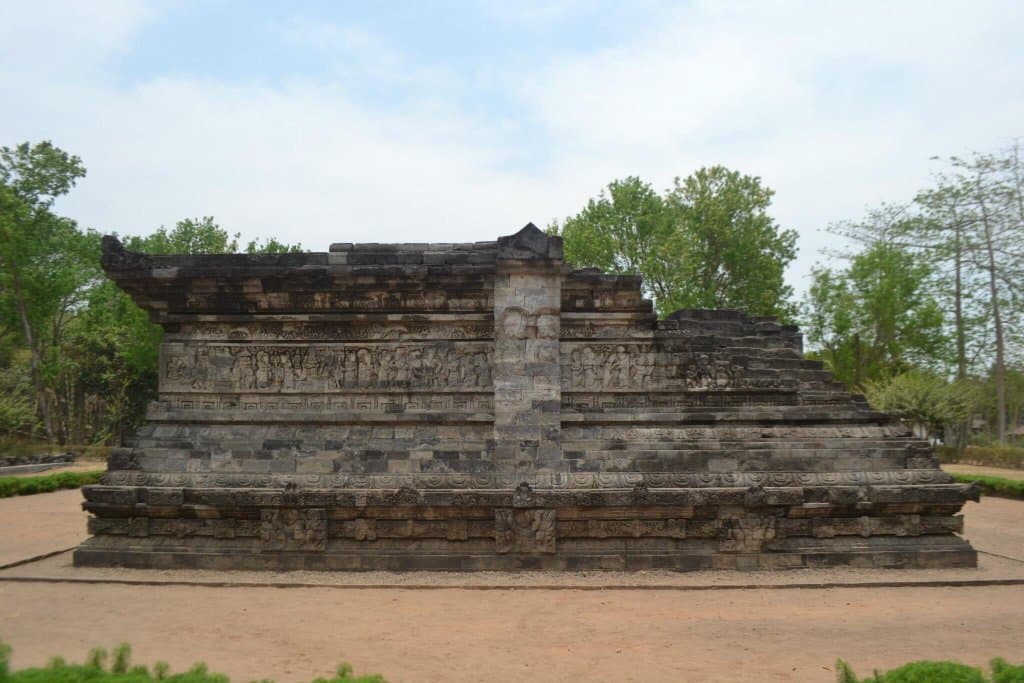
The largest temple, adorned with Ramayana reliefs and the Palah Inscription.
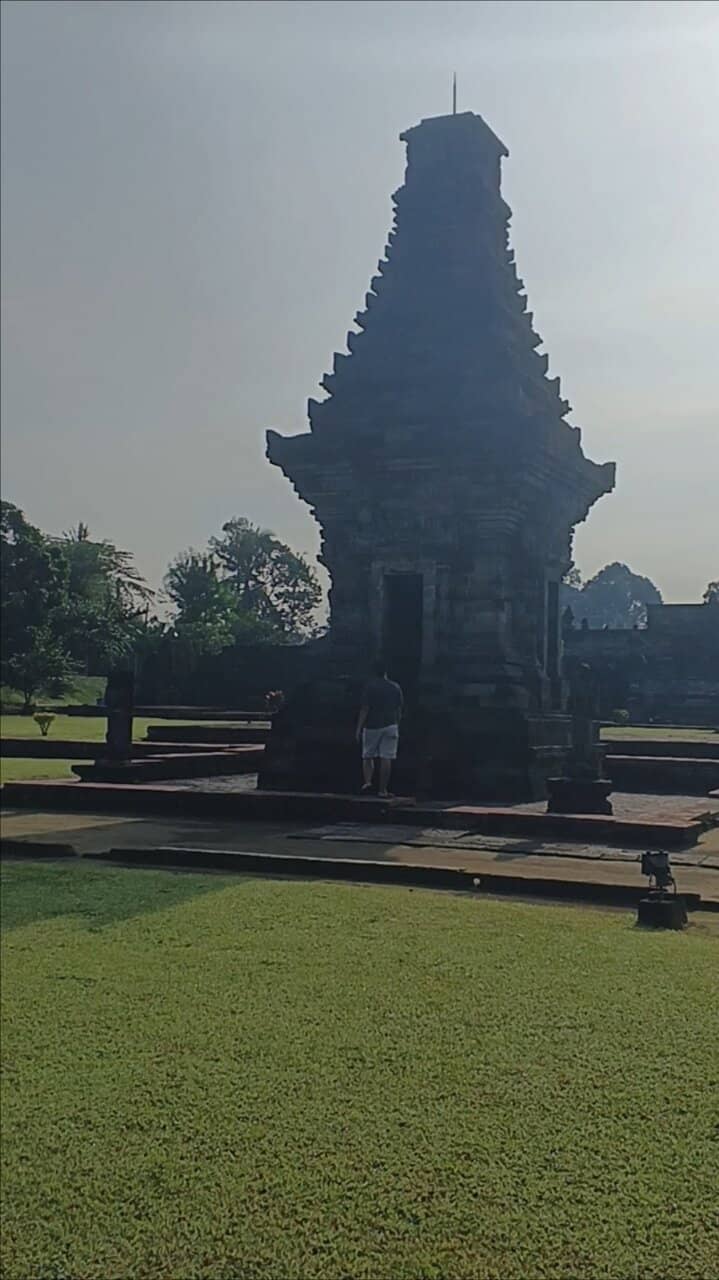
Bale Agung & Pendopo Teras
Front/Lower Part
The gathering place and offering area, showcasing the temple's communal function.
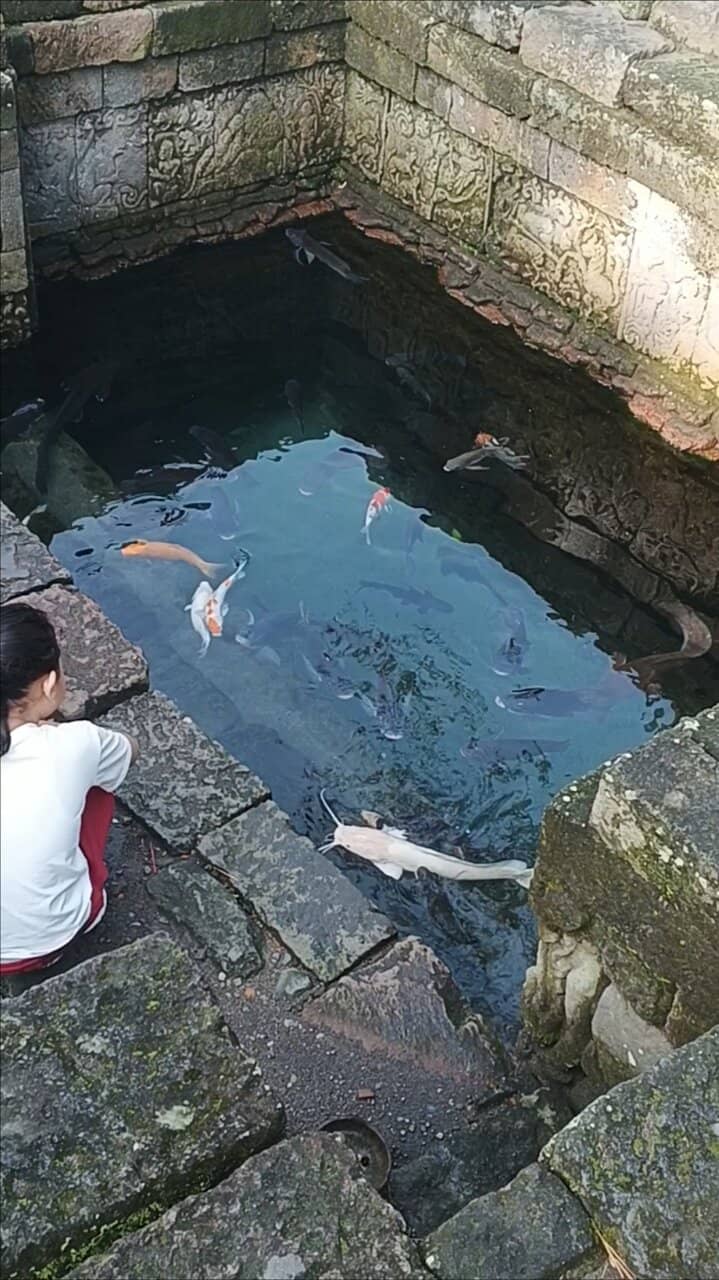
Middle Part Temples
Middle Part
Symbolizing 'lingga' and 'yoni' with intricate dragon ornaments.
Intricate Reliefs
Temple Walls
Marvel at detailed carvings depicting ancient stories and daily life.
Plans like a pro.
Thinks like you
Planning Your Visit
Timing Your Visit for History Buffs
Understanding the Sacred Site
Best Times
Insider Tips
from TikTok, Instagram & Reddit
Wear Comfortable Shoes
You'll be doing a lot of walking to explore the entire complex. :athletic_shoe:
Respectful Attire
Dress modestly as it's a sacred historical site. Avoid revealing clothing. 🙏
Bring Water & Snacks
Stay hydrated, especially during warmer months. Shops are available outside. :water_wave:
Allow Ample Time
Don't rush! The complex is large and rich in history. 2-3 hours recommended. :clock1:
Tips
from all over the internet
Wear Comfortable Shoes
You'll be doing a lot of walking to explore the entire complex. :athletic_shoe:
Respectful Attire
Dress modestly as it's a sacred historical site. Avoid revealing clothing. 🙏
Bring Water & Snacks
Stay hydrated, especially during warmer months. Shops are available outside. :water_wave:
Allow Ample Time
Don't rush! The complex is large and rich in history. 2-3 hours recommended. :clock1:
Capture the Details
Focus on the intricate reliefs and carvings for stunning photos. :camerawithflash:
What Travellers Say
Reviews Summary
Penataran Temple is widely praised as the largest Hindu-Javanese temple complex in East Java, offering a profound glimpse into ancient kingdoms. Visitors appreciate its well-maintained grounds, intricate reliefs, and the rich historical narrative. Some find the site extensive and recommend ample time for exploration.
"Penataran Temple is the largest Hindu-Javanese temple complex in East Java.
This temple complex is a legacy of 3 great ancient Hindu-Javanese kingdoms, was built in Blitar for over 200 years, which its construction began in 1194 the period of Kediri Kingdom, continued in 1208 the period of Singasari Kingdom, and finished in 1415 the period of Majapahit Kingdom.
Known as Penataran Temple, which "penataran" means to teach, this temple complex become the place for anyone who wants to learn about the life in the ancient Hindu-Javanese kingdoms era. This temple complex is divided into 3 large parts which represent an integral philosophy and values inherent in every ancient Hindu-Javanese teachings and beliefs. Those 3 parts namely:
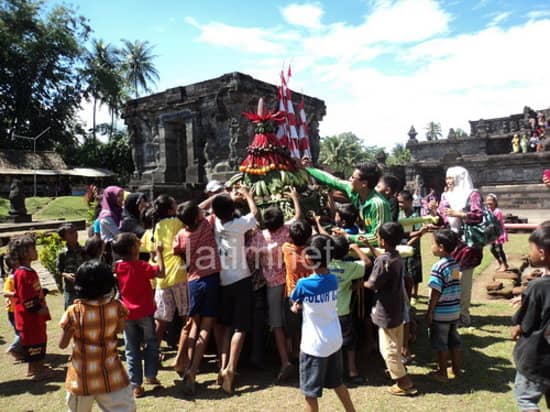
-The front / lower part where there is the Bale Agung for a gathering place and the Pendopo Teras for a place to put offerings.
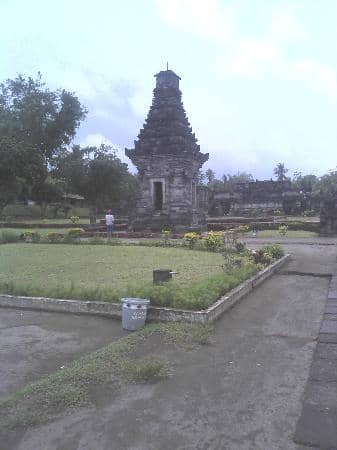
-The middle part where there are two temples consists of one temple in form of a pointed monument with the statue of Ganesha (the god of wisdom) inside it as an embodiment of "lingga" / male and one temple in form of a hole monument surrounded by the ornament of dragon lifted by 9 kings (the number of gods which rule all the directions in the universe) as an embodiment of "yoni" / female.
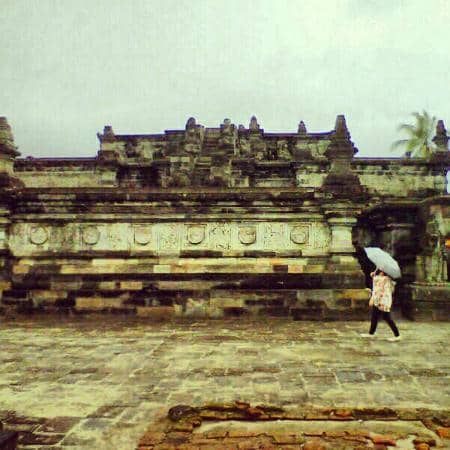
-The back / top part where there is the largest temple is called the Palah Temple which is carved by the relief of the Ramayana story, the Palah Inscription written in ancient Javanese script by Mpu Amogeswara or Mpu Taluluh, and a "petirtaan" or holy water spring.
Penataran Temple complex was used to be a place both for worshipping the gods and consecrating the kings. Besides, Penataran Temple complex is still remain highly respected by the descendants of the kings and the peoples of the ancient Hindu-Javanese kingdoms in East Java because it is believed to be the place where Maha Patih Gajah Mada recited the Palapa Oath as a sign of the conquest and unification of Sumatra, Kalimantan, Java, Bali, Nusa Tenggara, Sulawesi, Maluku, and Papua in the name of Nusantara under the Majapahit Empire and was also once become the place where the ashes of Ken Arok the founder of the Singasari Kingdom and Raden Wijaya the founder of the Majapahit Kingdom were buried."
Aswin Nobby
"Free entry but you can give some donation, just fill the guest book. The temple complex is also well maintained."
zaky
"I came from Hongkong and my friend take me to this place is call Prambanan.
Nice old history.
Thank you."
Ramacahyani Ramacahyani
What People Like
What People Dislike
Frequently Asked Questions
🚇 🗺️ Getting There
Penataran Temple is located in Desa Penataran, Kecamatan Nglegok, Blitar. You can reach it by car or motorcycle. Public transportation options might be limited, so consider hiring a local driver or using ride-sharing services if available. Many visitors arrive by private vehicle from Blitar city center.
Yes, the temple is a well-known landmark in Blitar. Follow signs for 'Candi Penataran' from Blitar city. GPS navigation is also reliable for reaching the location.
Blitar is accessible by train from major cities like Surabaya and Malang. From Blitar train station, you can then arrange local transport to the temple.
Yes, there are parking areas available for cars and motorcycles near the temple complex.
Yes, it's possible to visit Penataran Temple as a day trip from Malang or Surabaya, though it will be a long day. It's more comfortably explored if you stay overnight in Blitar.
🎫 🎫 Tickets & Entry
Entry to Penataran Temple is free. However, visitors are encouraged to make a donation to help with the upkeep and preservation of this historical site.
The temple complex is generally open daily from morning until late afternoon. It's advisable to check local listings or inquire upon arrival for the most current hours, especially around public holidays.
No, advance booking is not required as there is no entrance fee. You can visit anytime during opening hours.
Visitors are expected to dress respectfully and behave appropriately within the temple grounds. Avoid touching the ancient structures and reliefs.
While not always readily available, you might find local guides offering their services. Hiring a guide can enhance your understanding of the temple's history and significance. +1
🎫 🧭 Onsite Experience
The late afternoon offers beautiful lighting for photography as the sun begins to set, creating a golden glow on the ancient stones. Mornings are cooler and less crowded.
To fully explore the complex and appreciate its details, plan for at least 2 to 3 hours. Some visitors spend longer if they are deeply interested in history.
The complex is divided into three parts: the lower part with Bale Agung, the middle part with symbolic temples, and the upper part featuring the largest Palah Temple with Ramayana reliefs.
Basic facilities like restrooms are usually available within or near the temple complex.
The complex has uneven terrain and stairs, which might pose challenges for visitors with mobility issues. It's best to assess the paths before entering.
📸 📸 Photography
The intricate reliefs on the temple walls, especially those depicting the Ramayana story on Palah Temple, are highly photogenic. The overall architecture and the surrounding gardens also offer great shots.
Photography is generally allowed within the temple complex, but be mindful of any specific signage or restrictions, especially in enclosed temple structures.
Late afternoon provides the best natural light for photography, with the golden hour casting a warm glow on the ancient stones. Early morning is also good for softer light and fewer crowds.
Avoid using flash photography inside enclosed temple areas if it's prohibited. Respect the sacred nature of the site.
Drone usage is typically restricted at historical and religious sites to preserve their integrity and prevent disturbance. It's best to assume drones are not permitted unless explicitly stated otherwise.


Social
from TikTok, Instagram & Reddit