
Tesso Nilo National Park
A critical rainforest sanctuary for Sumatran elephants, facing severe threats from illegal palm oil expansion.
Highlights
Must-see attractions

Social
From TikTok & Reddit
Best Time
Best for wildlife spotting
Tesso Nilo National Park
Best Time
Best for wildlife spotting
Highlights
Must-see attractions
A critical rainforest sanctuary for Sumatran elephants, facing severe threats from illegal palm oil expansion.
"Heartbreaking to see deforestation, but the elephant encounters and mahout stories are unforgettable."

Support Conservation Efforts
Be mindful of the park's conservation status and support initiatives to combat deforestation. 🙏
Respect Wildlife
Maintain a safe distance from all animals, especially wild elephants. Never feed them. :seenoevil:
Quick Facts
Hours
Rating
4 · 1,409 reviews
Type
National Park
Highlights
Discover the most iconic attractions and experiences
Tamed Elephant Encounters
WWF Flying Squad Area
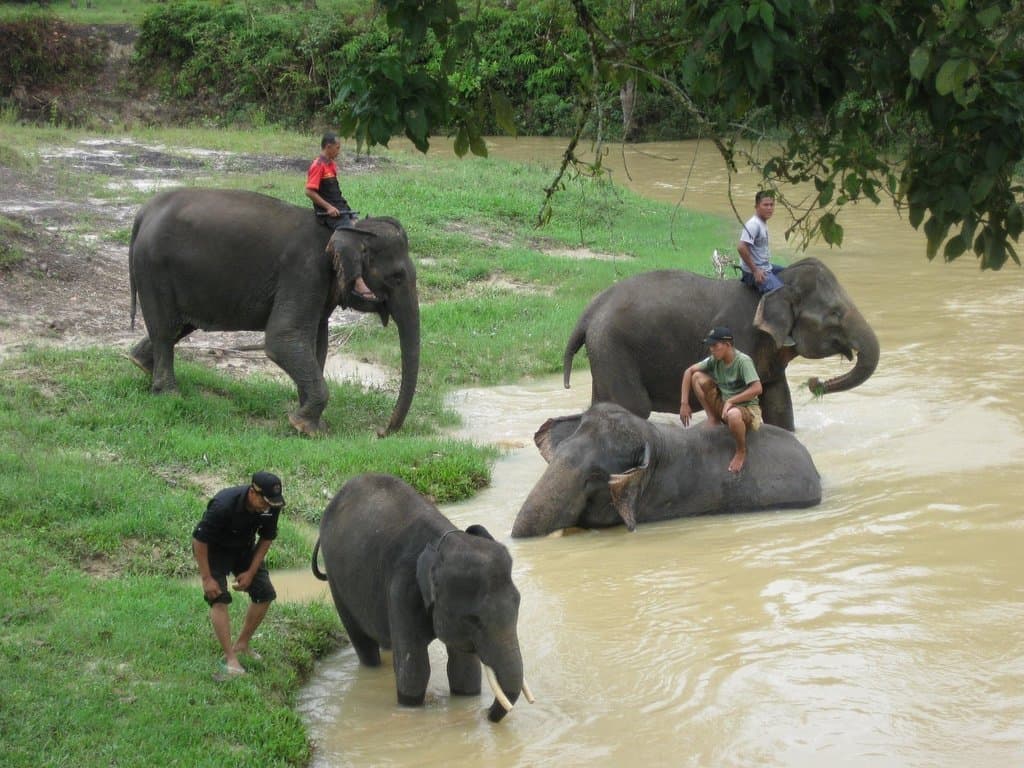
Meet gentle, tamed elephants and their dedicated mahouts. Learn about their crucial role in mitigating human-wildlife conflict.
Remaining Rainforest
Various trails
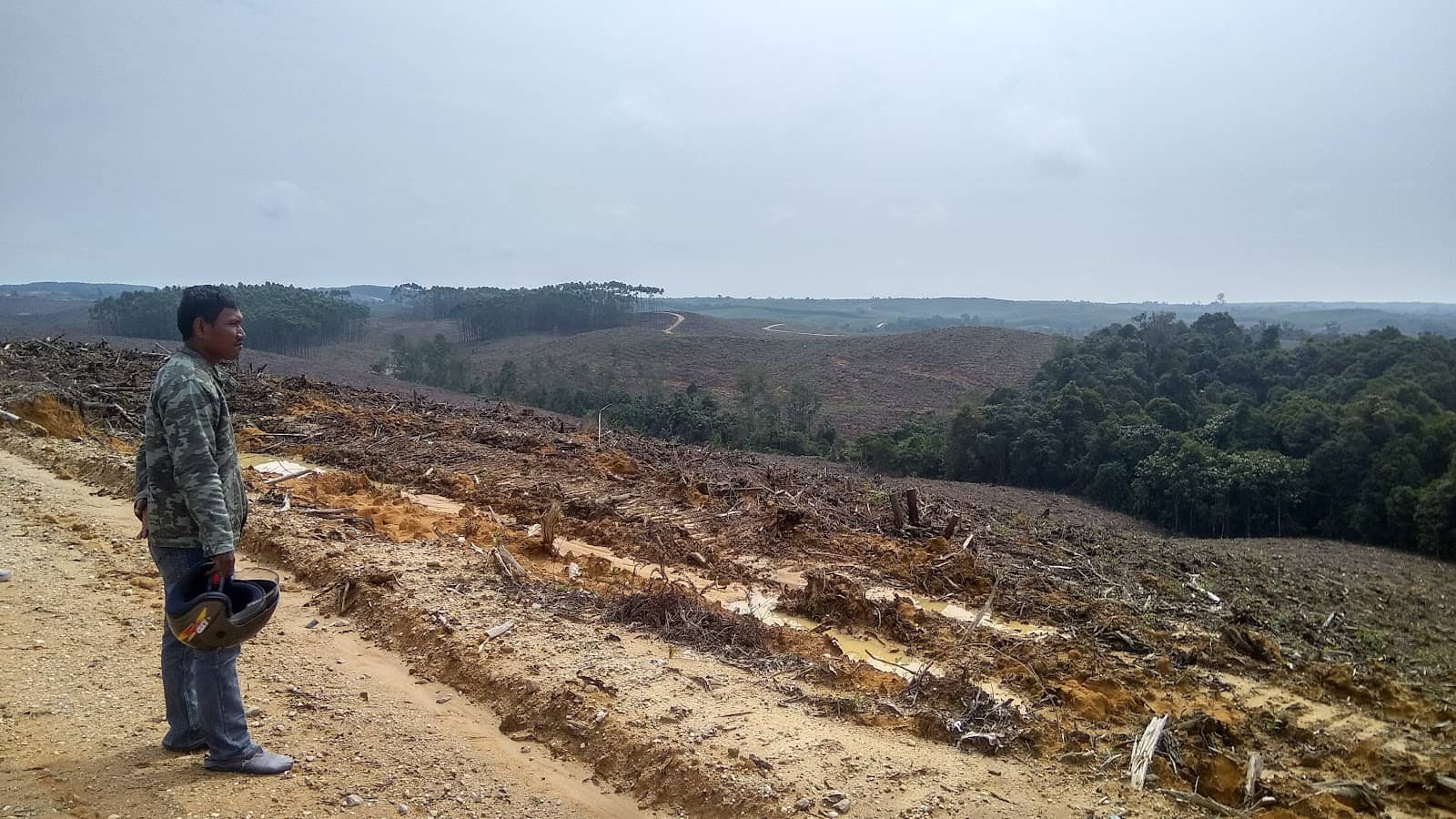
Trek through the dwindling primary rainforest, a critical habitat for endangered species. Witness the stark contrast with surrounding plantations.

Nocturnal Wildlife
Park interior
Experience the forest after dark with guided night walks to observe nocturnal animals and their unique adaptations.
Plans like a pro.
Thinks like you
Planning Your Visit
Conservation Crisis
Wildlife Encounters
Best Times
Insider Tips
from TikTok, Instagram & Reddit
Support Conservation Efforts
Be mindful of the park's conservation status and support initiatives to combat deforestation. 🙏
Respect Wildlife
Maintain a safe distance from all animals, especially wild elephants. Never feed them. :seenoevil:
Engage with Mahouts
Talk to the mahouts about their work; their stories are deeply moving. ❤️
Pack Insect Repellent
The rainforest can be humid and buggy, so bring effective repellent. :bug:
Tips
from all over the internet
Support Conservation Efforts
Be mindful of the park's conservation status and support initiatives to combat deforestation. 🙏
Respect Wildlife
Maintain a safe distance from all animals, especially wild elephants. Never feed them. :seenoevil:
Engage with Mahouts
Talk to the mahouts about their work; their stories are deeply moving. ❤️
Pack Insect Repellent
The rainforest can be humid and buggy, so bring effective repellent. :bug:
Stay Hydrated
Carry plenty of water, especially during treks. :water_wave:
What Travellers Say
Reviews Summary
Visitors are deeply moved by the dedication of the mahouts and the gentle nature of the tamed elephants, highlighting an unforgettable experience. However, there's profound sadness and concern regarding the extensive deforestation for palm oil plantations and the perceived failure of authorities to protect this vital national park.
"I thought this national park was supposed to be protected? Why are there so many palm tree farms being put in with no penalty?!"
Angie P
"I had one of the most u forgettable experience in tesso nilo; meeting with 8 elephants and 10 of their Mahout. These elephants has been tamed to assist in mitigating human and wild elephants conflicts. They are so gentle and playful at times. If you get a chance, do talk to their mahout in the WWF flying squad about their lives and how they came about being a mahout. Stories will move you to tears on their bonds between them and their elephants. Unfortunately wild elephants are still seen as pest by surrounding villages, as they came into their plantation to graze, which the flying squad helps to mitigate and herd the wild elephants back into the forest. Sometimes putting their lives into danger in order to save these wild elephants. What a great heart and experience."
Amelya Sjahlim
"Keep the forest green do not turn it into plantation"
JRA JRA
What People Like
What People Dislike
Frequently Asked Questions
🚇 🗺️ Getting There
Tesso Nilo National Park is located in Riau Province, Sumatra, Indonesia. The nearest major city is Pekanbaru. From Pekanbaru, you can hire a car or take a bus towards Rengat, and then arrange local transport to the park entrance. The journey can be long, so plan accordingly.
Within the park, travel is typically done on foot for guided treks or by off-road vehicles arranged through local guides or park authorities. Some areas might be accessible by motorcycle.
Public buses run between major cities in Riau, but direct public transport to the park entrance is limited. Hiring a private vehicle or joining a tour is often more convenient.
Tesso Nilo National Park is approximately 100-150 kilometers from Pekanbaru, depending on the specific entrance or area you are visiting. Travel time can range from 3 to 5 hours.
While possible, a day trip might feel rushed given the travel time from Pekanbaru. An overnight stay is recommended to fully experience the park and its wildlife.
🎫 🎫 Tickets & Entry
Entrance fees can vary, and it's advisable to check with local authorities or tour operators for the most current pricing. Fees typically support park conservation efforts.
Booking in advance is not always mandatory, especially for independent travel. However, for guided tours or specific activities like elephant encounters, pre-booking is recommended.
The park is generally open during daylight hours for general access. Specific activities, like night safaris, may have different operating times.
Visitors are expected to adhere to park rules, which include not littering, not disturbing wildlife, and respecting conservation boundaries.
While some areas might be accessible independently, hiring a local guide is highly recommended for safety, navigation, and to enhance your wildlife viewing and learning experience.
🎫 🌿 Onsite Experience
Tesso Nilo is a sanctuary for Sumatran elephants, and you may also spot various bird species, reptiles, and other mammals. Sightings are not guaranteed, but the park's remaining forest is crucial habitat.
Yes, guided tours are highly recommended. They often include interactions with the WWF Flying Squad and their tamed elephants, as well as treks through the forest.
Activities include guided jungle treks, wildlife observation, learning about conservation efforts from mahouts, and potentially night safaris to see nocturnal animals.
Yes, families can enjoy the park, especially the interactions with the tamed elephants. However, long treks might be challenging for very young children.
The park is facing significant threats from illegal palm oil plantations, with a large portion of its original area converted. Conservation efforts are ongoing to protect its remaining habitat. 
🍽️ 🍽️ Food & Dining
Dining options within the park are very limited. It's best to bring your own food and snacks, especially if you plan on spending a full day or overnight.
Local eateries outside the park will offer Indonesian cuisine. Pack non-perishable snacks and plenty of water for your visit.
Picnicking is generally allowed in designated areas, but it's crucial to pack out all your trash to help maintain the park's cleanliness.
📸 📸 Photography
Capture the majestic elephants and their mahouts, the remaining lush rainforest, and the stark contrast with the encroaching plantations. Sunrise and sunset can offer dramatic lighting.
Photography is generally allowed, but always be respectful of wildlife and avoid using flash photography that might disturb them.
A telephoto lens is useful for wildlife photography, while a wide-angle lens can capture the expansive forest landscapes. A durable camera is recommended due to potential humidity.





Social
from TikTok, Instagram & Reddit