
Tirta Empul Temple
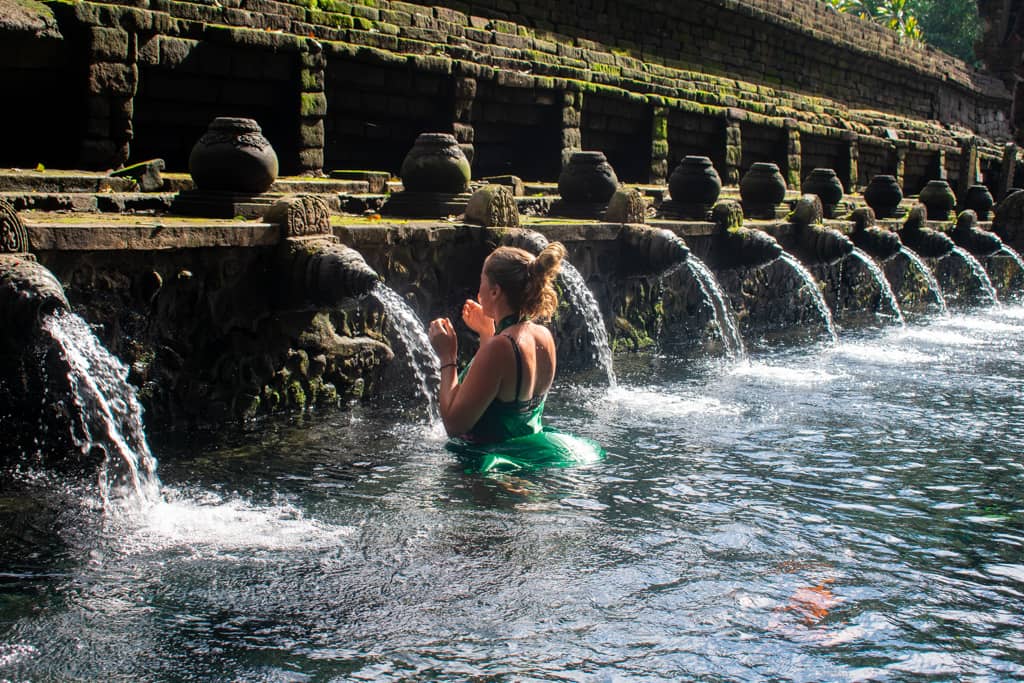
A sacred Balinese Hindu water temple renowned for its holy spring and purification rituals, offering spiritual cleansing and cultural immersion.
Highlights
Must-see attractions

Social
From TikTok & Reddit
Best Time
Fewer crowds, more peaceful
Tirta Empul Temple
Best Time
Fewer crowds, more peaceful
Highlights
Must-see attractions
A sacred Balinese Hindu water temple renowned for its holy spring and purification rituals, offering spiritual cleansing and cultural immersion.
"Visiting Tirta Empul was an unforgettable spiritual experience, leaving me feeling refreshed and deeply respectful of Balinese tradition."

💧 Sarong & Sash Essential
Wear or rent a sarong and sash to enter the sacred bathing areas. Respectful attire is a must!
⏰ Go Early to Beat Crowds
Arrive early to experience the purification ritual with fewer people around.

Quick Facts
Hours
Rating
4.6 · 30,886 reviews
Type
Hindu Temple
Highlights
Discover the most iconic attractions and experiences

Holy Water Purification Pools
Main bathing area
Bathe in sacred spring waters believed to cleanse and heal. A truly spiritual and refreshing experience.

Intricate Temple Architecture
Throughout the temple grounds
Marvel at the detailed carvings and traditional Balinese Hindu design, showcasing rich cultural heritage.

The Sacred Spring Source
Near the main temple complex
Witness the natural spring that feeds the purification pools, a source of spiritual significance.
Plans like a pro.
Thinks like you
Planning Your Visit
Embrace the Ritual: Prepare for Purification
Navigating the Crowds and Costs
Best Times
Insider Tips
from TikTok, Instagram & Reddit
💧 Sarong & Sash Essential
Wear or rent a sarong and sash to enter the sacred bathing areas. Respectful attire is a must! 
⏰ Go Early to Beat Crowds
Arrive early to experience the purification ritual with fewer people around.
🚿 Prepare to Get Wet!
You'll be bathing in the holy springs, so bring a change of clothes and a towel.
🤝 Consider a Guide
A guide can explain the ritual's meaning and history, enhancing your experience.
Tips
from all over the internet
💧 Sarong & Sash Essential
Wear or rent a sarong and sash to enter the sacred bathing areas. Respectful attire is a must!
⏰ Go Early to Beat Crowds
Arrive early to experience the purification ritual with fewer people around.
🚿 Prepare to Get Wet!
You'll be bathing in the holy springs, so bring a change of clothes and a towel.
🤝 Consider a Guide
A guide can explain the ritual's meaning and history, enhancing your experience.
🚫 Don't Drink the Water
While holy, the water is not for drinking. Avoid swallowing it during the ritual.
What Travellers Say
Reviews Summary
Tirta Empul is widely praised for its spiritual significance and the unique purification ritual, leaving visitors feeling refreshed and connected to Balinese culture. The temple's architecture is also a major draw. However, some find the entrance fees a bit high compared to other temples, and the ongoing renovations can occasionally detract from the experience.
"If you’re coming here hoping for a deeply personal or spiritual experience, set your expectations low. This isn’t the serene, slow-paced temple energy you might crave. It’s more of a tightly managed, highly commercialized procession — with ancient roots and modern hustle sitting a little too close together.
Here’s the rundown:
• You pay at the gate. Then again for sarong rental. Then again if you want a locker. Then again if you want a guide. It’s not the cost that stings — it’s the constant drip of transactions that chips away at the sacredness of the space.
• The purification ritual is supposed to be deeply spiritual. But with tourists queuing in wet clothes for photos and GoPros bobbing beside prayerful locals, it starts to feel like a water-themed group tour, not a moment of personal reflection.
• The temple grounds are still beautiful. But it’s hard to access that beauty when you’re being ushered, timed, and layered in expectation.
What works well:
• The system is organized. You’re led where you need to go. No confusion.
• The water is cold. Like, shock-you-into-the-moment cold. At one point I felt like I was just another fish in the tank — which, depending on your mindset, could be poetic or ridiculous.
• There are locals who come here for real spiritual reasons, and I respect that deeply. But they’re navigating the same tourist waves you are.
The takeaway:
If you’re curious, it’s worth trying once. Just don’t expect quiet revelation.
This isn’t a temple that meets you with stillness. It meets you with a schedule.
For some, it might still land. For me, it missed the mark — not because it lacks meaning, but because the meaning feels buried under layers of commerce and crowd control.
And the sellers here has a way of ripping you off by overpriced items lol. Going here is so traffic as well"
Rose Banal
"One of the wooden temples was undergoing reconstruction. So it's very interesting to see how the pre-carved beams and posts are assembled into a roofed structure, before being painted, finished with golden details and varnished. Other renovations were going on on the site.
A priest(?) was doing some landscape maintenance, as moss and fern grows, with a landscaping flamethrower (!), while tourists in green sarongs were doing the ritual bathing in the holy spring waters.
If you enjoy tropical vegetation, fish, birds and dragon flies, you will also enjoy spending time here."
Valérie
"Visited Tirta Empul Holy Water Temple and it was a truly peaceful and spiritual experience. The temple showcases ancient and beautiful architecture, giving a glimpse of rich cultural heritage. The holy pond and surroundings are very well maintained and kept clean. It can get quite crowded, and there is usually a long queue for ritual purification, which requires wearing a special dress provided by the temple. Despite the crowd, the serenity and positive energy of the place make it worth visiting."
Anoop G
What People Like
What People Dislike
Frequently Asked Questions
🚇 🗺️ Getting There
Tirta Empul Temple is located about a 30-minute drive north of central Ubud.
While taxis and drivers are available, it's wise to arrange your return trip beforehand, especially if visiting during busy hours. Some travelers suggest pre-booking a round trip with your driver.
Yes, Tirta Empul is a popular stop on many Bali day tours. It's often combined with other attractions like the Tegalalang Rice Terraces or local coffee plantations.
For budget travelers, renting a scooter can be an option if you're comfortable driving in Bali. Alternatively, look for group tours which can be more economical than private hires.
Simply tell your driver 'Pura Tirta Empul' or 'Tirta Empul Temple'. It's a well-known destination, so most drivers will know the way.
🎫 🎫 Tickets & Entry
The entrance fee is typically around 50,000 IDR per person.
Tirta Empul Temple is generally open from 9 AM to 5 PM daily.
Tickets can usually be purchased at the entrance upon arrival. Advance booking is generally not required for individual visitors.
Yes, a strict dress code is enforced. You must wear a sarong and sash to cover your shoulders and knees. These are often available for rent at the entrance if you don't have your own.
Yes, you can explore the temple grounds and admire the architecture without participating in the purification ritual. However, to enter the bathing pools, you will need to adhere to the dress code and potentially pay a small fee for the ritual.
🎫 ✨ Onsite Experience
The purification ritual, known as 'Melukat', involves bathing in the holy spring water under a series of spouts. It's believed to cleanse negative energy and bring spiritual healing.
The ritual itself can take anywhere from 30 minutes to over an hour, depending on how many spouts you visit and how long you spend at each. Factor in time for changing and drying off.
Photography is generally allowed in most areas of the temple, but be respectful, especially during the purification rituals. Some areas might have restrictions, so observe local customs.
Tirta Empul can get very crowded, especially during peak tourist seasons and weekends. Visiting early in the morning on a weekday is highly recommended to avoid the largest crowds.
Yes, there are changing rooms and shower facilities available for those participating in the purification ritual. Bring your own towel and change of clothes.
🍽️ 🍽️ Food & Dining
There are usually some small food stalls and warungs (local eateries) located near the entrance or exit of the temple complex, offering snacks and simple meals.
You'll find typical Indonesian and Balinese dishes, such as nasi goreng (fried rice), mie goreng (fried noodles), satay, and fresh fruit juices.
For a wider variety of dining experiences, it's best to head back towards Ubud, which offers numerous restaurants ranging from local warungs to international cuisine.
Bringing your own water is advisable. While some snacks might be permitted, it's best to consume them in designated areas and avoid bringing large meals into the temple.
Many visitors choose to eat before or after their visit, often combining it with a meal in Ubud. This allows for more time to focus on the temple experience.
📸 📸 Photography
The bathing pools with the spouts are iconic. Also, capture the intricate carvings, the lush greenery, and the temple's main courtyards. The view from the upper areas can also offer unique perspectives.
While generally permitted, be mindful and respectful. Avoid intrusive photography, especially during prayer times or the purification rituals. Some specific shrines might have 'no photo' signs.
Yes, photographers are often available for hire at the temple, especially if you are participating in the purification ritual. This can help capture your experience professionally.
Early morning light can be beautiful and less harsh. However, the atmosphere during the late afternoon can also be quite magical, though potentially more crowded.
Focus on capturing the spiritual essence, the flowing water, the detailed stonework, and the serene expressions of those participating in the ritual. Drone photography is usually prohibited.




Social
from TikTok, Instagram & Reddit