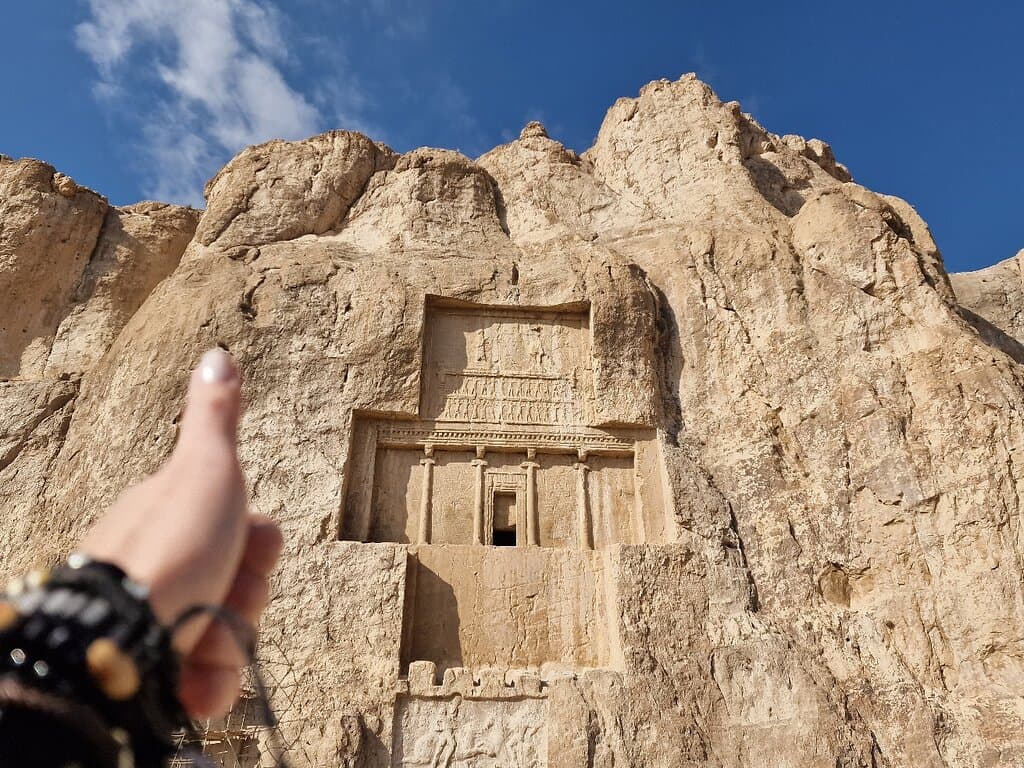
Naqsh-e Rostam
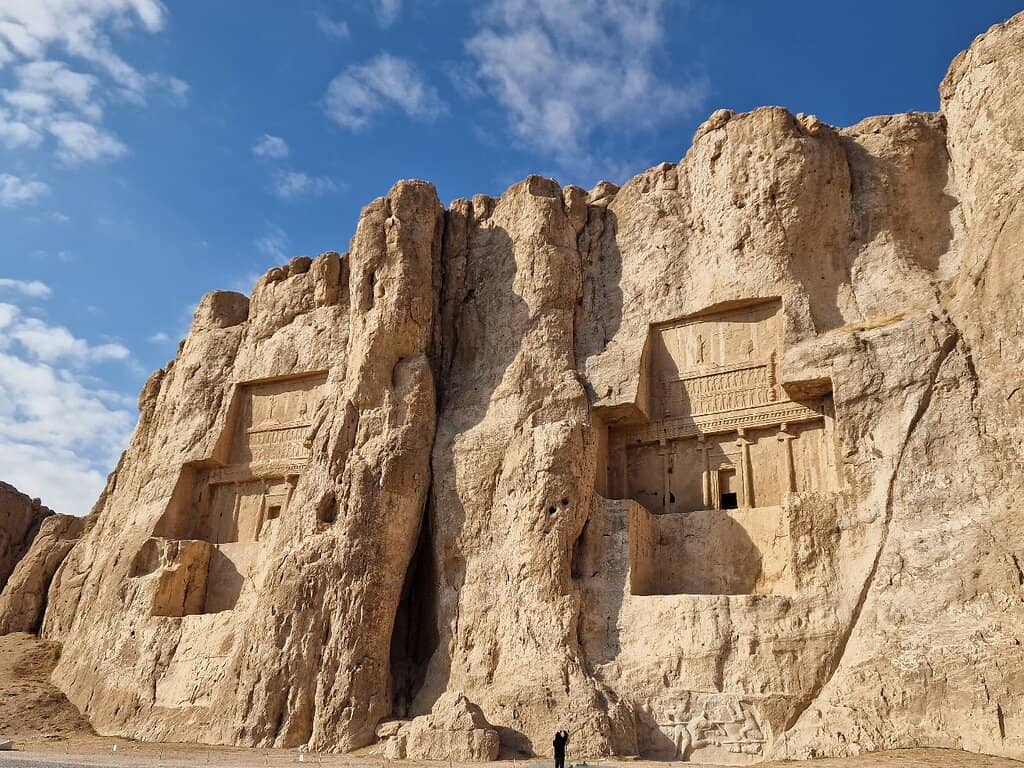
Colossal royal tombs and Sasanian reliefs carved into a cliff face, a testament to ancient Persian power and artistry.
Highlights
Must-see attractions

Social
From TikTok & Reddit
Best Time
Beat the heat and crowds
Naqsh-e Rostam
Best Time
Beat the heat and crowds
Highlights
Must-see attractions
Colossal royal tombs and Sasanian reliefs carved into a cliff face, a testament to ancient Persian power and artistry.
"Shiraz's answer to Petra, Jordan! Amazing rock carvings, carved on rocks more than 2,500 years back that too by hand."
Wear Comfortable Shoes
You'll be doing a lot of walking on uneven terrain. :athletic_shoe:
Bring Water & Sun Protection
It gets very hot, especially midday. Stay hydrated and protected from the sun. :droplet: :sunwithface:
Quick Facts
Hours
Rating
4.7 · 1,526 reviews
Highlights
Discover the most iconic attractions and experiences
Achaemenid Royal Tombs
Cliff face
Four monumental tombs carved high into the cliff, showcasing Achaemenid architecture and royal ideology.

Sasanian Imperial Reliefs
Cliff face, below tombs
Vivid depictions of Sasanian kings' victories and investitures, a powerful display of imperial might.

Ka'ba-ye Zartosht
Base of the cliff
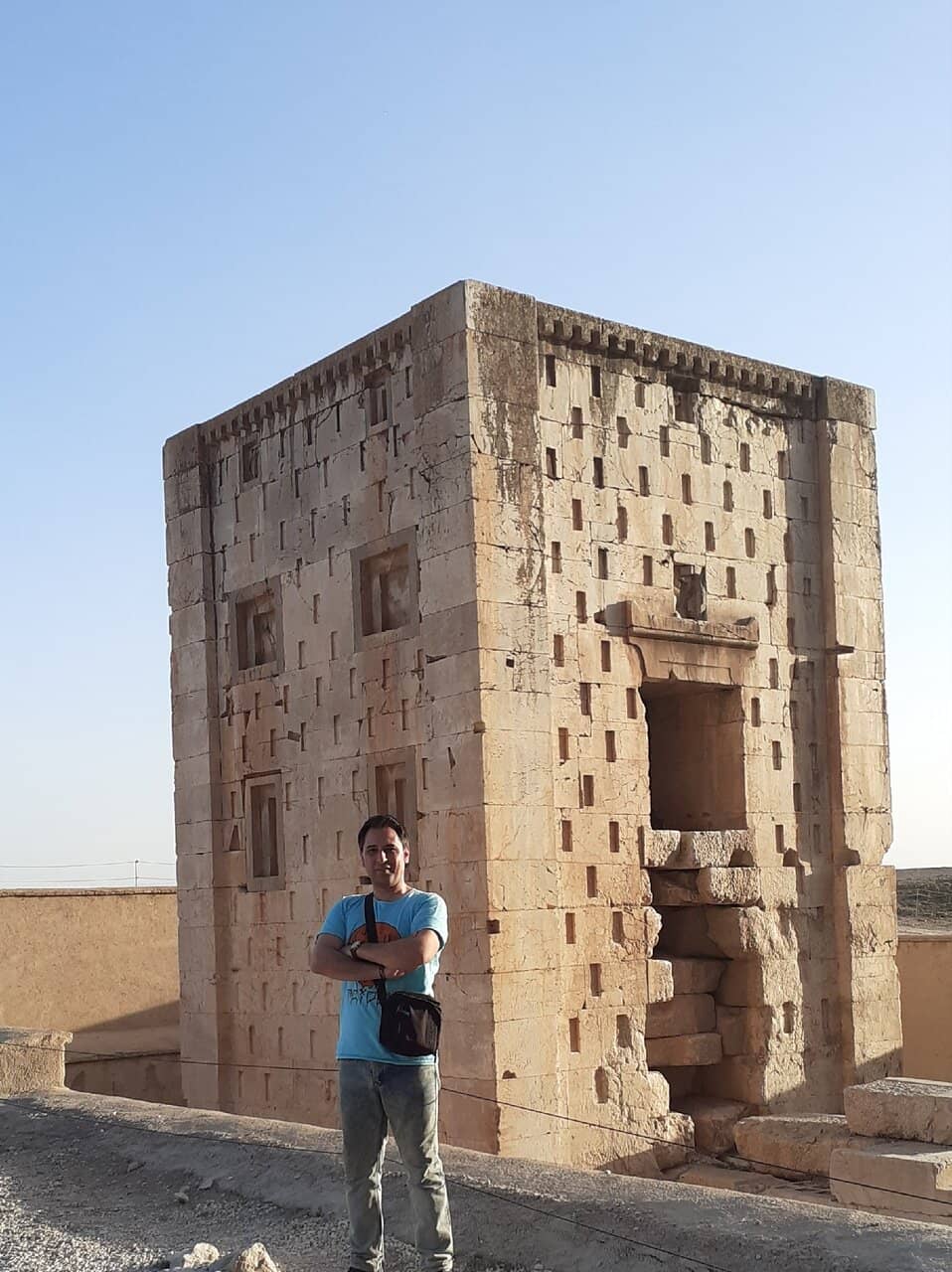
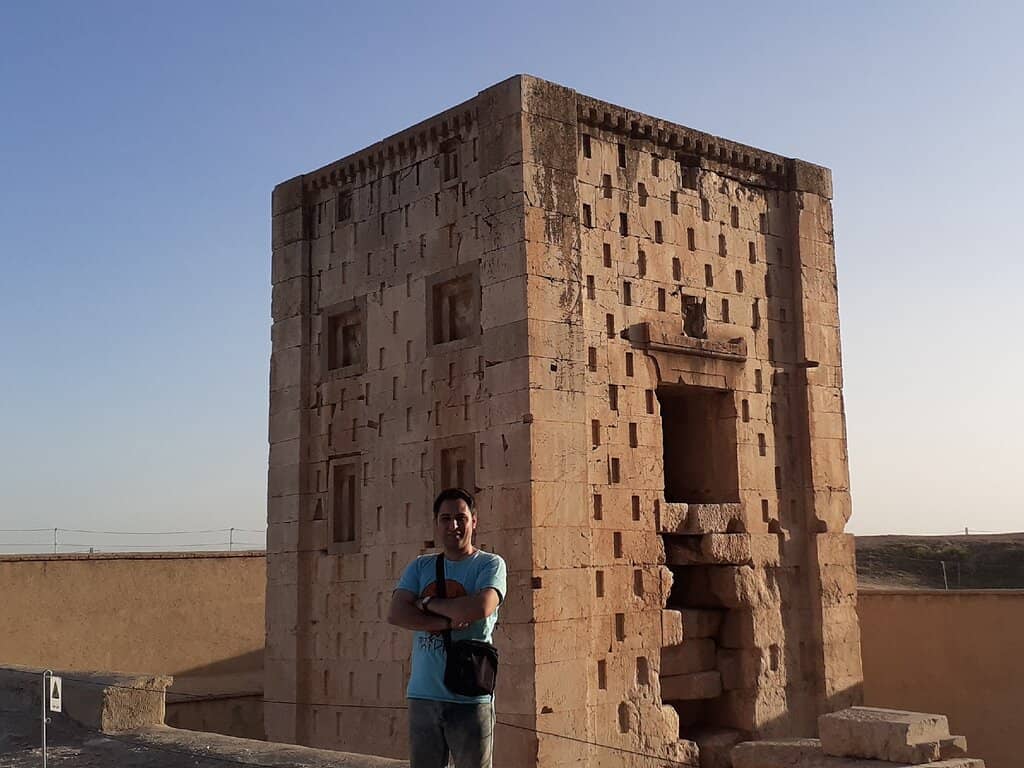
An enigmatic square tower from the Achaemenid era, its exact purpose still debated by historians.
Plans like a pro.
Thinks like you
Planning Your Visit
Timing is Everything
Respectful Exploration
Best Times
Insider Tips
from TikTok, Instagram & Reddit
Wear Comfortable Shoes
You'll be doing a lot of walking on uneven terrain. :athletic_shoe:
Bring Water & Sun Protection
It gets very hot, especially midday. Stay hydrated and protected from the sun. :droplet: :sunwithface:
Combine with Persepolis
Naqsh-e Rostam is close to Persepolis, making it easy to visit both in one day. :world_map:
Consider a Guide
A knowledgeable guide can bring the history and reliefs to life. :man_teacher:
Tips
from all over the internet
Wear Comfortable Shoes
You'll be doing a lot of walking on uneven terrain. :athletic_shoe:
Bring Water & Sun Protection
It gets very hot, especially midday. Stay hydrated and protected from the sun. :droplet: :sunwithface:
Combine with Persepolis
Naqsh-e Rostam is close to Persepolis, making it easy to visit both in one day. :world_map:
Consider a Guide
A knowledgeable guide can bring the history and reliefs to life. :man_teacher:
Photography Tips
Capture the grandeur from afar and the intricate details up close. :camerawithflash:
What Travellers Say
Reviews Summary
Naqsh-e Rostam is widely praised as a remarkable archaeological site, offering a profound glimpse into ancient Persian history and artistry. Visitors are awestruck by the monumental tombs and intricate Sasanian reliefs carved into the cliff face, a testament to incredible ancient craftsmanship. While the heat and terrain can be challenging, the historical significance and visual grandeur make it an unforgettable experience.
"Naqsh-e Rostam is one of Iran’s most remarkable archaeological sites, located about 12 kilometers northwest of Persepolis. Carved into a massive cliff face, this necropolis served as the burial ground for several Achaemenid kings and later became a canvas for Sasanian imperial reliefs. The site captures over a millennium of Persian royal iconography, from the 6th century BCE to the 3rd century CE.
The most striking features of Naqsh-e Rostam are the four monumental tombs carved high into the cliff, identified with Darius I, Xerxes I, Artaxerxes I, and Darius II. These cruciform façades, resembling scaled-down palaces, reflect the fusion of architecture and sculpture, with inscriptions that proclaim the king’s achievements and divine favor. The tombs symbolically elevate the dead rulers above the earthly realm, reinforcing their link to the divine order.
Beneath and around the Achaemenid tombs are a series of Sasanian rock reliefs, vividly depicting royal investitures, victories over Roman emperors, and ceremonial processions. The most famous of these is the triumph of Shapur I over the Roman emperor Valerian, a bold declaration of Persian supremacy in Late Antiquity.
Naqsh-e Rostam stands today as a solemn and powerful reminder of Iran’s imperial legacy—an open-air archive of ancient Persian kingship, theology, and political power across centuries."
Lefteris Stamatelatos
"Naqsh-e Rostam is a small but incredibly fascinating archaeological site in Iran that is sure to impress any enthusiast of history and ancient civilizations. Located near the famous Persepolis, it stands as an impressive testament to the power of the Persian dynasties—especially the Achaemenids."
Kasia Z.
"Naqsh-e Rostam, located near Persepolis in southern Iran, is an ancient necropolis renowned for its rock-cut tombs and monumental reliefs dating from the Achaemenid (550–330 BCE) and Sasanian (224–651 CE) periods. The site features four large cross-shaped tombs carved into a sheer cliff face, traditionally attributed to Achaemenid kings Darius I, Xerxes I, Artaxerxes I, and Darius II. These tombs exhibit similar architectural designs, with façades resembling Achaemenid palaces and inscriptions highlighting royal ideology.
Below the tombs, Sasanian reliefs depict triumphant scenes of kings such as Shapur I and Ardashir I, emphasizing their divine legitimacy and military victories over Roman emperors. A notable structure at the site is the Ka'ba-ye Zartosht, a square Achaemenid-era tower whose function remains debated—possibly a fire temple, treasury, or astrological monument.
Naqsh-e Rostam served as a dynastic memorial, reinforcing the continuity of Persian kingship from the Achaemenids to the Sasanians. Its strategic placement near Persepolis enhanced its symbolic importance as a sacred and political landscape. Today, the site is a key archaeological and epigraphic resource, offering insights into ancient Persian art, religion, and royal propaganda. Recognized as part of the "Persepolis and Related Sites" UNESCO tentative list, Naqsh-e Rostam remains a testament to Iran’s imperial heritage."
Salar Tirgar
What People Like
What People Dislike
Frequently Asked Questions
🚇 🗺️ Getting There
Naqsh-e Rostam is located about 12 km northwest of Persepolis, and approximately 60 km north of Shiraz. The most common way to get there is by hiring a private car or taxi from Shiraz, which can also include a stop at Persepolis. This offers flexibility and comfort, especially in the heat. Some tours also include transportation. 
Public transport options are limited and can be time-consuming. It's generally recommended to arrange private transport for a more convenient experience, especially if you plan to visit Persepolis as well.
Since they are close to each other (about 12 km apart), hiring a taxi or car for the day that covers both sites is the most efficient method. This allows you to easily move between the two significant historical locations.
Yes, there is an entrance fee for foreign visitors. It's advisable to check the current rates, but it's generally a reasonable cost for such a significant historical site.
Opening hours can vary, but generally, the site is open during daylight hours. It's best to confirm the exact timings closer to your visit, especially if you plan to go early or late.
🎫 🎫 Tickets & Entry
The entry ticket fee for foreigners is approximately 2,500,000 IRR (around EUR4). It's always a good idea to have some local currency on hand for tickets and any small purchases.
Information on online ticket purchasing is not widely available. It's generally expected that tickets are purchased on-site at the entrance.
The site involves walking on uneven terrain and climbing stairs to view the tombs. Accessibility might be challenging for individuals with mobility issues.
No special permit is typically required for general tourist visits. Standard entry tickets are sufficient.
Many visitors find that hiring a local guide enhances the experience significantly, providing historical context and insights into the reliefs and tombs.
📸 📸 Photography
Yes, photography is generally allowed at Naqsh-e Rostam. You'll find many stunning photo opportunities of the rock carvings and the surrounding landscape.
Early morning and late afternoon offer the best lighting conditions, with softer shadows and a more dramatic effect on the rock reliefs. The golden hour can be particularly magical.
Drone usage is often restricted at historical and archaeological sites for preservation and security reasons. It's best to assume drones are not permitted unless explicitly stated otherwise.
Capture the grand scale of the tombs carved into the cliff, the intricate details of the Sasanian reliefs, and the panoramic views of the landscape. Wide-angle lenses are great for the overall scale.
Access inside the tombs themselves might be limited or not permitted for preservation reasons. Focus on the exterior carvings and reliefs.

Social
from TikTok, Instagram & Reddit