
Imamzadeh Ismail
A blessed Seljuk-era mosque housing the tombs of Imamzadeh Ismail and Prophet Isaiah, recognized as a national heritage site.
Highlights
Must-see attractions

Social
From TikTok & Reddit
Best Time
Fewer crowds, peaceful atmosphere
Imamzadeh Ismail
Best Time
Fewer crowds, peaceful atmosphere
Highlights
Must-see attractions
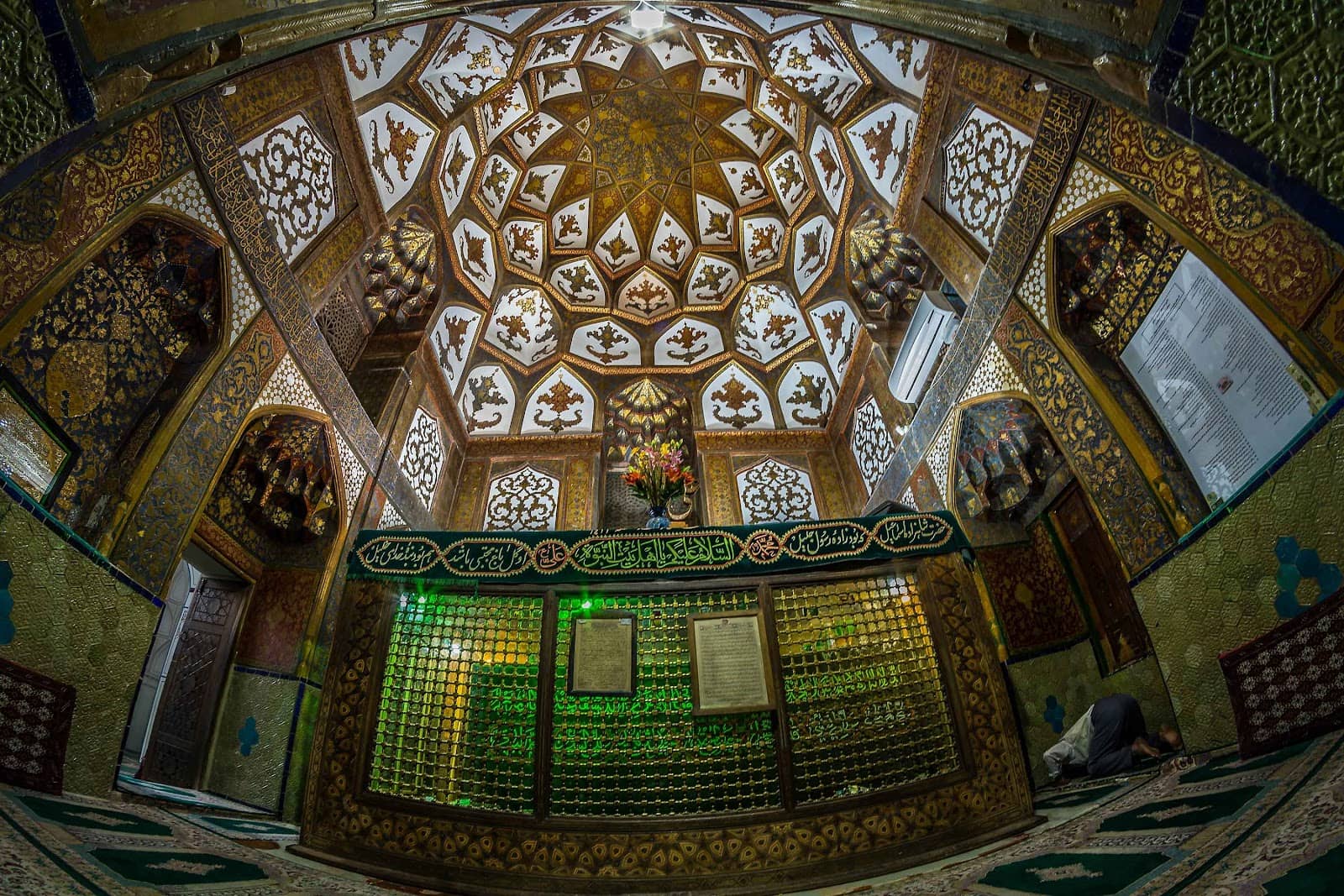
A blessed Seljuk-era mosque housing the tombs of Imamzadeh Ismail and Prophet Isaiah, recognized as a national heritage site.
"Magnificent historical monument with unique atmosphere and eye-catching inner decoration."
Modest Dress Code
Cover up: wear long sleeves & pants/skirts. Women, bring a headscarf. 🙏
Photography Etiquette
Be mindful of worshippers. Ask permission before taking close-ups of people. :camerawithflash:

Quick Facts
Hours
Rating
4.5 · 73 reviews
Type
Place of Worship
Highlights
Discover the most iconic attractions and experiences
Shrine of Imamzadeh Ismail
The central focus, housing the tomb of Imamzadeh Ismail, a descendant of Imam Hassan Mojtabi. A place of deep spiritual significance.
Prophet Isaiah's Tomb
Discover the tomb of Prophet Isaiah, adding another layer of historical and religious importance to this sacred site.

Seljuk Period Architecture
Marvel at the magnificent historical monument, showcasing unique Seljuk period architecture and intricate tilework.
Plans like a pro.
Thinks like you
Planning Your Visit
Timing Your Visit
Respectful Attire
Best Times
Insider Tips
from TikTok, Instagram & Reddit
Modest Dress Code
Cover up: wear long sleeves & pants/skirts. Women, bring a headscarf. 🙏
Photography Etiquette
Be mindful of worshippers. Ask permission before taking close-ups of people. :camerawithflash:
Historical Significance
Learn about its Seljuk origins & national heritage status. 📜
Location Awareness
Note its presence in both Tehran (Chizar Sq) & Qom (Shah Ismail village). :round_pushpin:
Tips
from all over the internet
Modest Dress Code
Cover up: wear long sleeves & pants/skirts. Women, bring a headscarf. 🙏
Photography Etiquette
Be mindful of worshippers. Ask permission before taking close-ups of people. :camerawithflash:
Historical Significance
Learn about its Seljuk origins & national heritage status. 📜
Location Awareness
Note its presence in both Tehran (Chizar Sq) & Qom (Shah Ismail village). :round_pushpin:
What Travellers Say
Reviews Summary
Visitors praise Imamzadeh Ismail for its blessed, ancient atmosphere and magnificent historical architecture, particularly noting the eye-catching inner decoration. The site holds deep spiritual significance, housing the tombs of Imamzadeh Ismail and Prophet Isaiah, making it a cherished place for many.
"A blessed ancient and antique mosque that holds the shrine of Imamzadeh Esmaeil and the holy tomb of the Prophet Isaiah (peace be upon him)."
Mustafa Ali
"Ismail Mosque and Imamzadeh belongs to the Seljuk period and is located in Isfahan, Imam Ali Square, Hatef Street, and this work was registered as one of the national works of Iran on January 15, 1310 with number 112.He is a descendant of Imam Hassan Mojtabi. His ancestry is recorded in the tiles and carvings as follows with two differences: Ismail bin Dibaj bin Ibrahim Ghamar bin Hasan on Hasan Mojtabi (grandfather of Sadat Tabatabai) Ismail bin Hasan bin Zayd bin Hassan Mojtabi (tile inscription on the head) Ismail bin Zayd bin Hassan Mojtabi (wooden inscription above the tomb) But Master Homai believes that all three of these genealogies are wrong and that he is a distant descendant of Zayd bin Hasan. Sahib Makyal al-Makaram, his father (Mirza Abdul Razzaq Mousavi), son-in-law (Syed Morteza Mohd Abtahi) and his son (Syed Mohammad Faqih) were the imams of this place."
hossein mohammadi
"Magnificent historical monument with unique atmosphere"
Ramtin Na
What People Like
What People Dislike
Frequently Asked Questions
🚇 🗺️ Getting There
The Imamzadeh Ismail in Tehran is located in Chizar Square. You can reach it via taxi or ride-sharing services from various parts of the city. Public transport options might require a short walk from the nearest metro or bus stop. 
Yes, there's an Imamzadeh Shah Ismail village located about an hour away from the city of Qom. This is a separate location from the one in Tehran.
If you're planning to visit both the Tehran and Qom locations, it's best to use private transportation or hire a car service for convenience, as they are in different provinces.
Parking availability can be limited, especially in the Tehran location. It's advisable to use ride-sharing services or public transport if possible.
Yes, both locations can be visited as day trips. The Qom location is about an hour from the city, and the Tehran location is within the city itself.
🎫 🎫 Tickets & Entry
Generally, entry to religious sites like Imamzadeh Ismail is free. Donations are often welcomed to help with maintenance.
Visiting hours can vary, especially around prayer times. It's best to visit during daylight hours and be mindful of local prayer schedules.
No advance booking is typically required for visiting Imamzadeh Ismail, as it's a public religious site.
Yes, modest dress is required. Women should cover their hair, and all visitors should wear clothing that covers their arms and legs out of respect.
Photography is usually permitted, but it's important to be respectful of worshippers and avoid intrusive shots. Always ask for permission if photographing individuals.
📸 📸 Photography
The intricate tilework, historical architecture, and the serene atmosphere of the shrine itself offer excellent photography opportunities. The exterior details are also quite captivating.
Photography is generally allowed inside, but always be respectful of those praying or meditating. Avoid flash photography and be discreet.
Late afternoons often provide beautiful lighting, creating a warm glow on the historical structures. Early mornings can also be peaceful and less crowded for photography.
Drone photography is likely restricted in religious and historical sites. It's best to check local regulations before attempting to use a drone.
A versatile lens (like a 24-70mm) is useful for capturing both wide architectural shots and details. A prime lens can be great for low-light interior shots.
🎫 🏛️ History & Architecture
Imamzadeh Ismail and its mosque belong to the Seljuk period, making it a significant historical monument.
Yes, this historical site was registered as one of Iran's national works on January 15, 1310 (Persian calendar), under number 112.
The shrine holds the tomb of Imamzadeh Ismail, a descendant of Imam Hassan Mojtabi, and also the tomb of Prophet Isaiah.
The architecture is described as magnificent and historical, with unique features and eye-catching inner decoration and tilework.
Yes, historical records mention different genealogies for Imamzadeh Ismail, with some scholars suggesting he was a distant descendant of Zayd bin Hasan.



Social
from TikTok, Instagram & Reddit