
Jameh Mosque Isfahan
A UNESCO World Heritage site, this mosque is a living museum of Islamic architecture, showcasing over 12 centuries of continuous evolution and artistr...
Highlights
Must-see attractions

Social
From TikTok & Reddit
Best Time
Fewer crowds, soft light
Jameh Mosque Isfahan
Best Time
Fewer crowds, soft light
Highlights
Must-see attractions
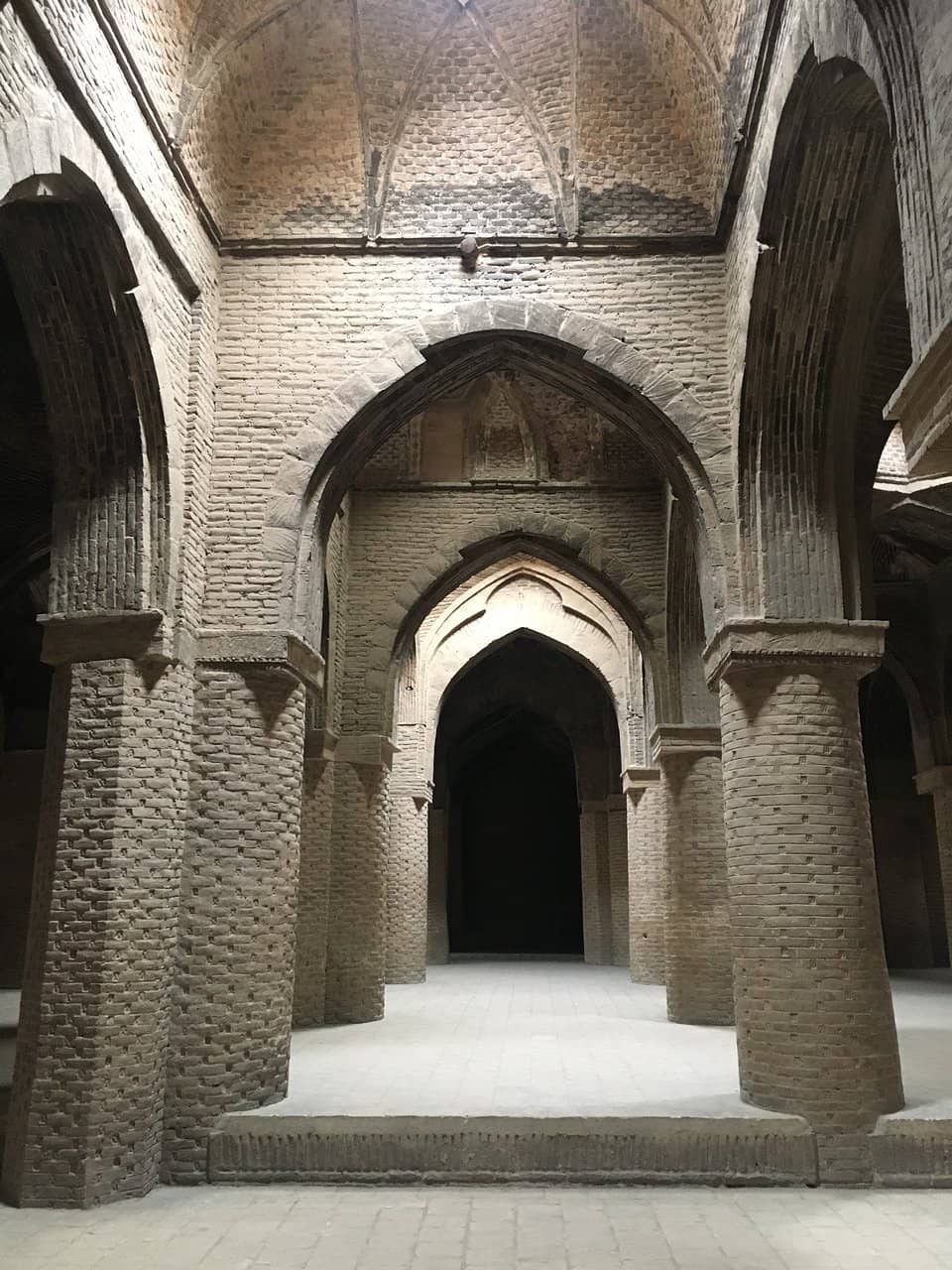
A UNESCO World Heritage site, this mosque is a living museum of Islamic architecture, showcasing over 12 centuries of continuous evolution and artistry.
"This mosque is an architecture museum of Iran, where every brick tells a thousand stories."
⏳ Allow ample time
This mosque is vast and rich in history; don't rush! Plan for at least 2-3 hours to explore.
✨ Look for the details
Focus on the intricate patterns and decorations to truly appreciate Persian architecture.
Quick Facts
Hours
Rating
4.7 · 971 reviews
Type
Mosque
Highlights
Discover the most iconic attractions and experiences
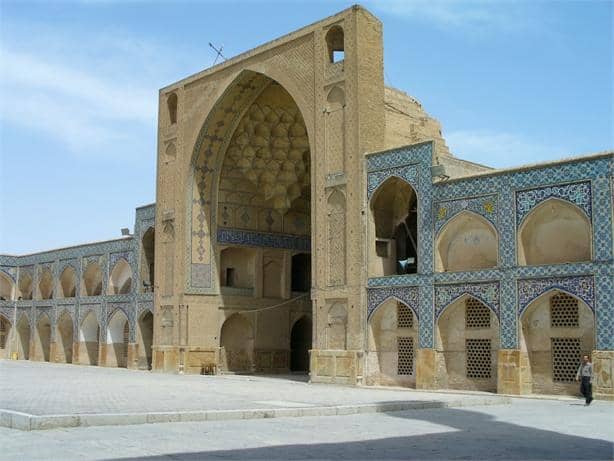
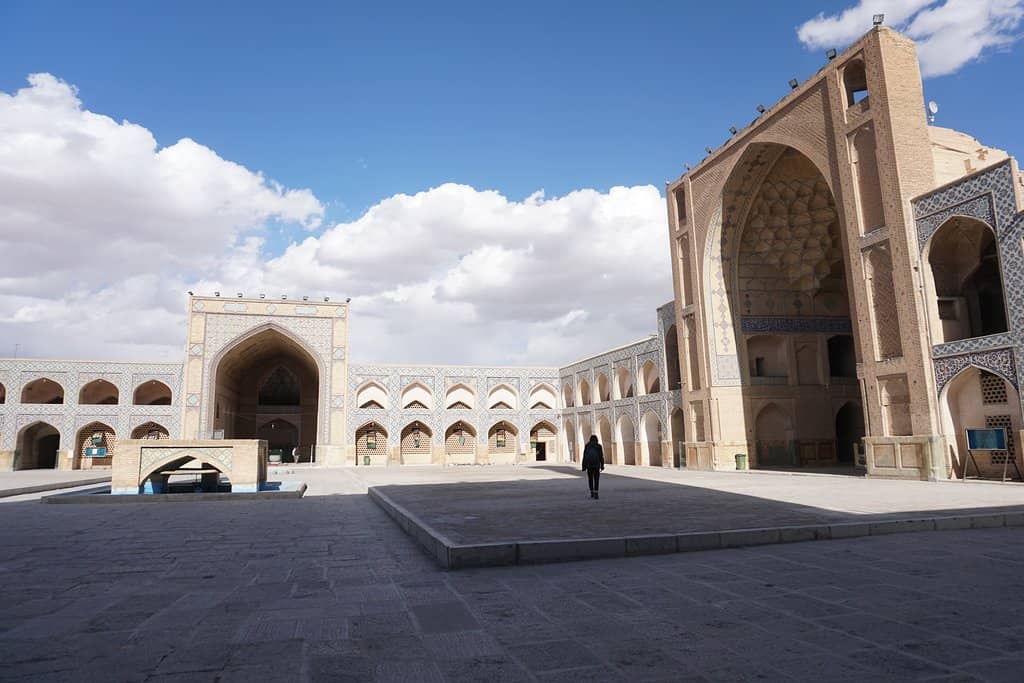
The Four Iwans
Central Courtyard
Grand vaulted porches surrounding the courtyard, showcasing diverse architectural styles and intricate tilework.
Seljuk Dome
North and South Wings
Masterpieces of Seljuk architecture, known for their geometric precision and acoustic properties.
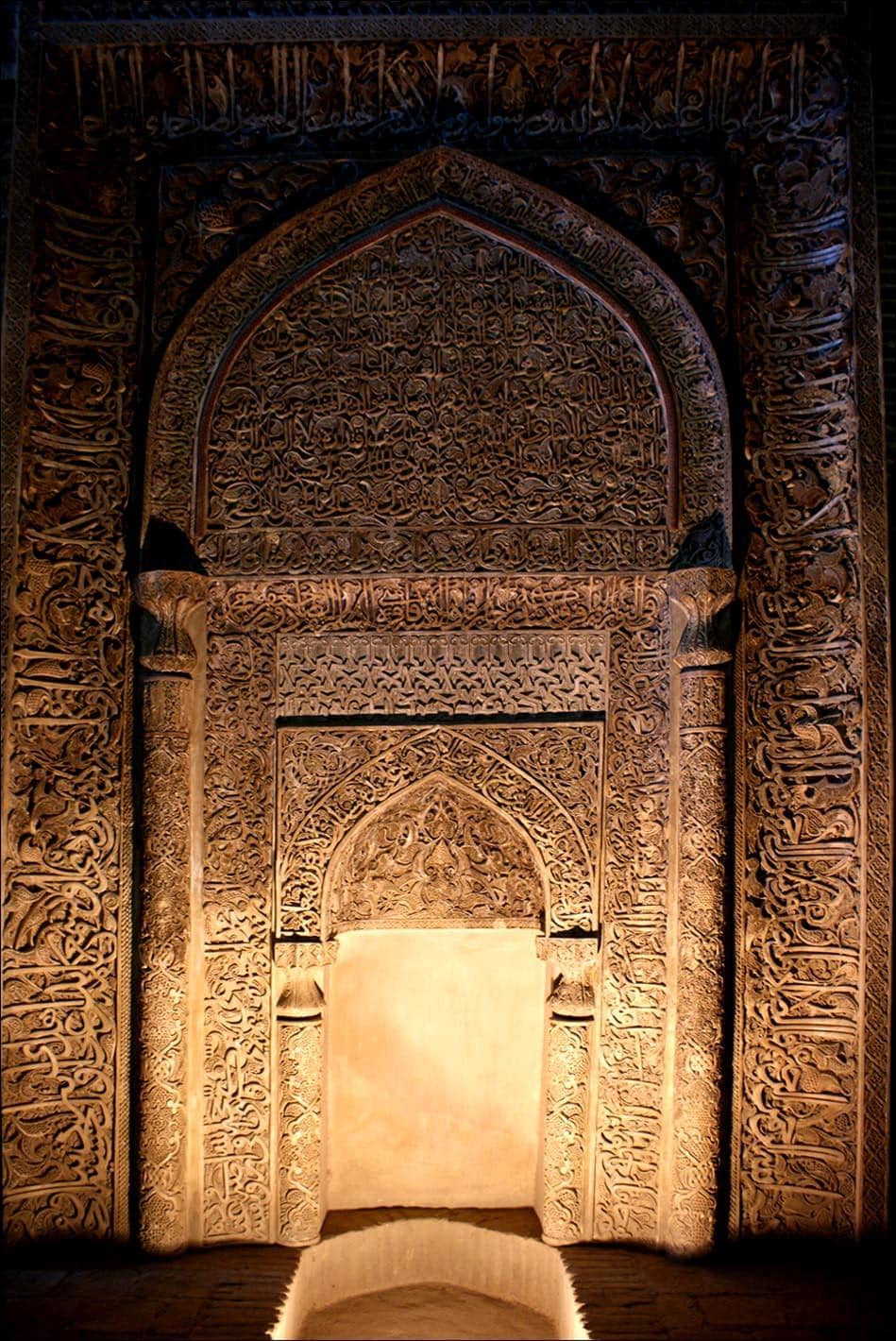
Intricate Tilework
Throughout the mosque
A kaleidoscope of colors and patterns, reflecting centuries of evolving Islamic art and design.

Plans like a pro.
Thinks like you
Planning Your Visit
Timing is Everything
Embrace the Details
+1Best Times
Insider Tips
from TikTok, Instagram & Reddit
⏳ Allow ample time
This mosque is vast and rich in history; don't rush! Plan for at least 2-3 hours to explore.
✨ Look for the details
Focus on the intricate patterns and decorations to truly appreciate Persian architecture.
🚶♀️ Wander and explore
Discover hidden corners and appreciate the evolution of architecture across different eras.
🎶 Listen for echoes
Experience the unique acoustics, especially near the domes.
Tips
from all over the internet
⏳ Allow ample time
This mosque is vast and rich in history; don't rush! Plan for at least 2-3 hours to explore.
✨ Look for the details
Focus on the intricate patterns and decorations to truly appreciate Persian architecture.
🚶♀️ Wander and explore
Discover hidden corners and appreciate the evolution of architecture across different eras.
🎶 Listen for echoes
Experience the unique acoustics, especially near the domes.
📸 Capture the light
Visit during different times of day to see how the light plays on the tilework.
What Travellers Say
Reviews Summary
Visitors consistently praise the Jameh Mosque of Isfahan for its breathtaking architecture, intricate tilework, and profound historical significance, calling it an 'architecture museum of Iran.' Many are awestruck by the scale and the centuries of evolving design. Some note that the sheer size can be overwhelming, and navigating its vastness requires time and attention to detail.
"Dear Friends,
I warmly invite you to explore the stunning Jameh Mosque of Isfahan, a true gem that showcases the rich history and architectural brilliance of our city. This mosque, a UNESCO World Heritage site, is one of the oldest and most significant mosques in Iran, reflecting various styles from the early Islamic period to the Safavid era.
As you enter, you'll be greeted by the majestic courtyard and the beautiful iwan, adorned with intricate tile work that tells stories of faith and artistry. The grandeur of the mosque, combined with its meticulously designed arches and domes, creates an atmosphere filled with spirituality and tranquility.
Don’t miss the stunning blue tiles that shimmer in the sunlight, adding an enchanting beauty to the prayers and moments of reflection that take place here. The mosque's historical significance and architectural finesse will surely leave you in awe.
Visiting the Jameh Mosque is more than just seeing a beautiful building—it's an opportunity to connect with the vibrant culture and heritage of Iran. I truly hope you take the time to experience this architectural wonder and feel the serenity it offers.
Warm regards,
[s.mohammad.e.mortazavi]
An Iranian local"
Seyed mohammad esmaeil Mortazavi
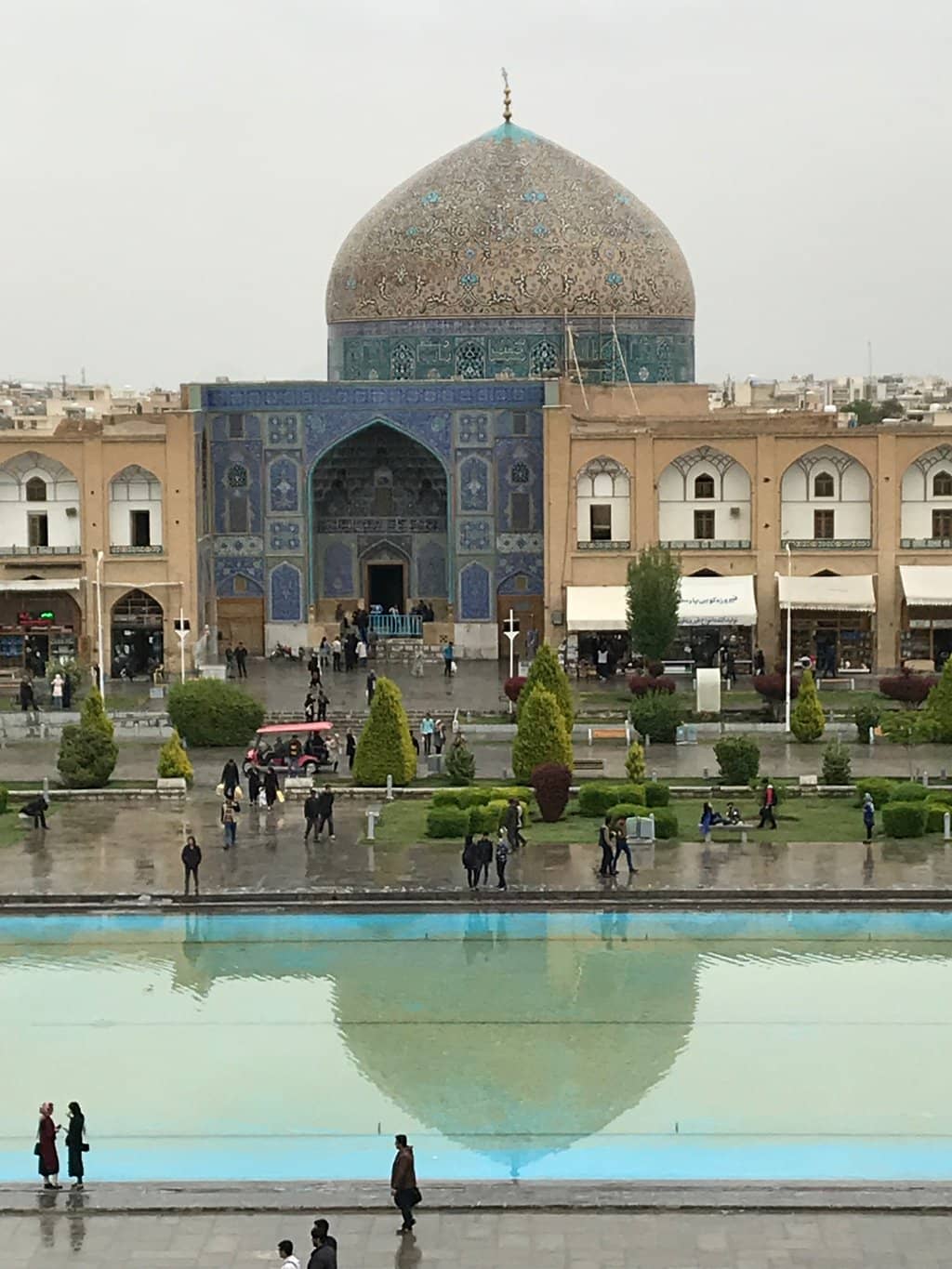
"The Imam Mosque of Isfahan, also known as the Masjid-i-Jāmé, is one of the most magnificent and historically significant mosques in Iran. Located in the heart of Isfahan’s UNESCO-listed Naqsh-e Jahan Square, the mosque was constructed between 1611 and 1630 during the Safavid dynasty under the rule of Shah Abbas I.
The mosque is renowned for its stunning architecture, including a large dome, intricate tile work, and beautiful courtyards. The Imam Mosque is an exemplary representation of Islamic architecture from the Safavid period, with elements such as the iconic blue tiles, large prayer halls, and decorative Islamic calligraphy. The mosque’s design also incorporates elements of Persian, Islamic, and Mughal architecture, showcasing the cultural exchange during that time.
One of the most striking features of the mosque is its impressive iwan (arched hall) and its massive central dome, which is known for its excellent acoustics. The structure’s layout is a perfect blend of geometric patterns and Islamic architectural principles.
Today, the Imam Mosque is not only a religious center but also a major tourist attraction, drawing visitors from around the world to admire its beauty and architectural prowess. It remains one of Isfahan’s greatest cultural and historical landmarks."
Saeid Shabani
"Jame mosque of Isfahan or architecture museum of Iran is where you can visit one of the oldest mosques in the world. Focus deeply in details of patterns and decorations to enjoy the real Persian architecture."
Mohamad Mirzaei
What People Like
What People Dislike
Frequently Asked Questions
🚇 🗺️ Getting There
The Jameh Mosque is centrally located in Isfahan. You can easily reach it by taxi or ride-sharing apps. Walking is also a great option if you're staying nearby, as it's close to other major attractions like Naqsh-e Jahan Square.
Parking can be challenging in the historic center of Isfahan. It's often best to use public transport, taxis, or walk if possible. If driving, look for designated parking areas a short walk away.
Yes, the Jameh Mosque is a must-see and can easily be included in a day trip to Isfahan, especially if you're focusing on the city's historical heart.
Taxis and ride-sharing apps are readily available and convenient for traveling between the Jameh Mosque and other sites like Naqsh-e Jahan Square. Walking is also highly recommended for exploring the historic areas.
Yes, guided tours are often available and can greatly enhance your understanding of the mosque's history and architecture. Inquire locally or book in advance.
🎫 🎫 Tickets & Entry
Opening hours can vary, but generally, the mosque is open from morning until late afternoon. It's advisable to check the most current hours before your visit, as they may change seasonally or for religious observances.
There is typically a small entrance fee for foreign visitors to access the Jameh Mosque. The exact price can vary, so it's best to confirm upon arrival.
Advance booking is usually not required for individual visitors. You can typically purchase tickets at the entrance.
Due to its historical nature, accessibility can be challenging in some areas. While the main courtyards are generally accessible, some older sections might have stairs or uneven surfaces.
As a place of worship, modest dress is required. Women should cover their hair, arms, and legs, and men should wear long trousers and avoid sleeveless shirts.
🎫 🕌 Onsite Experience
Don't miss the four magnificent iwans, the intricate tilework, the Seljuk domes (especially the Oljeitu Dome), and the ancient mihrab. The sheer scale and evolving architectural styles are the main draw.
To truly appreciate its historical depth and architectural details, allocate at least 2-3 hours. Some visitors spend half a day exploring its many facets.
Photography is generally allowed in most areas, but it's always respectful to be mindful of worshippers and avoid intrusive photography. Some specific areas might have restrictions.
It's a living museum of Islamic architecture, showcasing over 12 centuries of continuous development, from early Islamic styles to Seljuk and Safavid innovations. The diversity of its construction phases is unique.
Visiting in the early morning or late afternoon offers softer light for photography and fewer crowds, allowing for a more peaceful experience.
🍽️ 🍽️ Food & Dining
No, there are no restaurants inside the Jameh Mosque itself. However, numerous traditional Iranian restaurants and cafes are located in the vicinity, especially around Naqsh-e Jahan Square.
You can find authentic Persian cuisine, including kebabs, stews (like Ghormeh Sabzi and Fesenjan), and local Isfahani specialties. Many cafes offer traditional tea and sweets.
Yes, you can find more affordable options like local bakeries (for bread and pastries) and smaller eateries away from the main tourist squares.
While not explicitly forbidden, it's generally best to consume food and drinks outside the mosque premises out of respect for the sacred space. Water is usually acceptable.
Isfahani specialties include Beryani (a lamb patty dish) and Khoresh Mast (a sweet yogurt stew). Don't miss trying various types of kebabs and Persian rice dishes.
📸 📸 Photography
The central courtyard, the intricate tilework of the iwans, the geometric patterns of the domes, and the ancient mihrab offer stunning photographic opportunities.
Early morning or late afternoon provides the best natural light for photography, creating beautiful shadows and highlighting the textures of the architecture.
Drone photography is generally prohibited in sensitive historical and religious sites in Iran, including the Jameh Mosque, due to security and privacy concerns.
Use a wide-angle lens to capture the scale of the iwans and courtyards. For tilework, focus on details and consider using a slightly higher aperture for sharpness.
It is highly disrespectful to photograph people while they are praying. Always seek permission or avoid photographing individuals in prayer.
Social
from TikTok, Instagram & Reddit