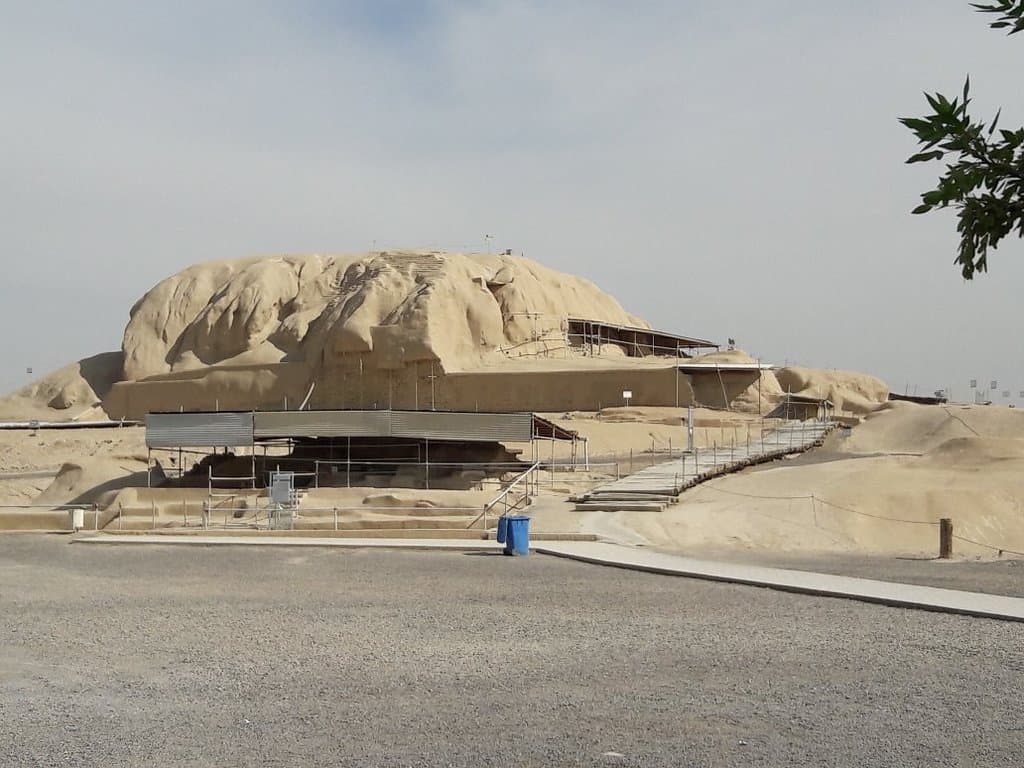
Aran va Bidgol Dunes
Explore one of the world's oldest settlements, featuring an ancient ziggurat and remnants of civilization dating back 8,000 years.
Highlights
Must-see attractions

Social
From TikTok & Reddit
Best Time
Pleasant weather for exploration
Aran va Bidgol Dunes
Best Time
Pleasant weather for exploration
Highlights
Must-see attractions
Explore one of the world's oldest settlements, featuring an ancient ziggurat and remnants of civilization dating back 8,000 years.
"A unique journey through time, showcasing human civilization's evolution from simple dwellings to complex cities."

Hire a Local Guide
A guide brings history to life! Essential for understanding the site's significance.
Research Before You Go
Limited signage means prior knowledge greatly enhances your visit.
Quick Facts
Highlights
Discover the most iconic attractions and experiences
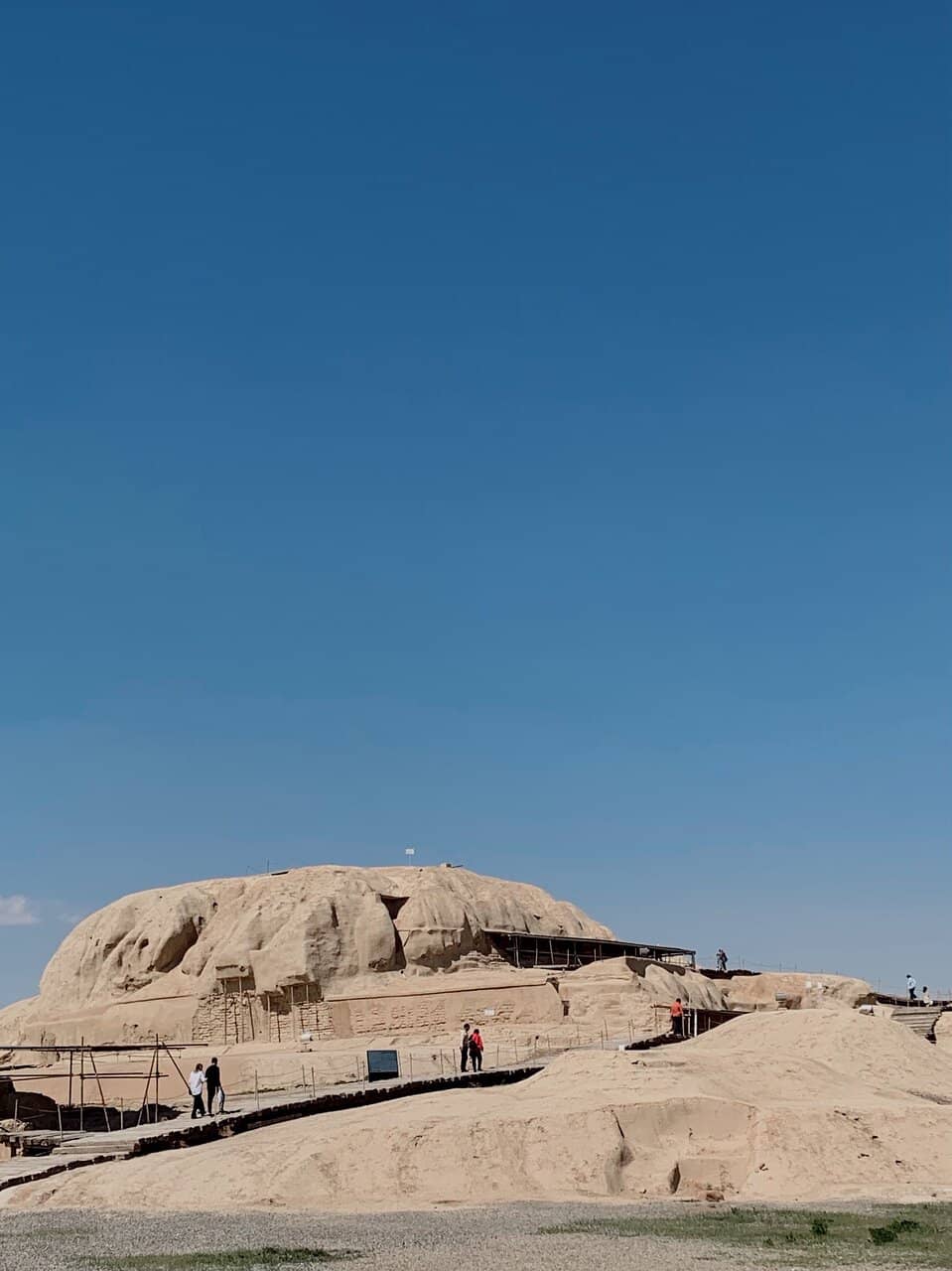
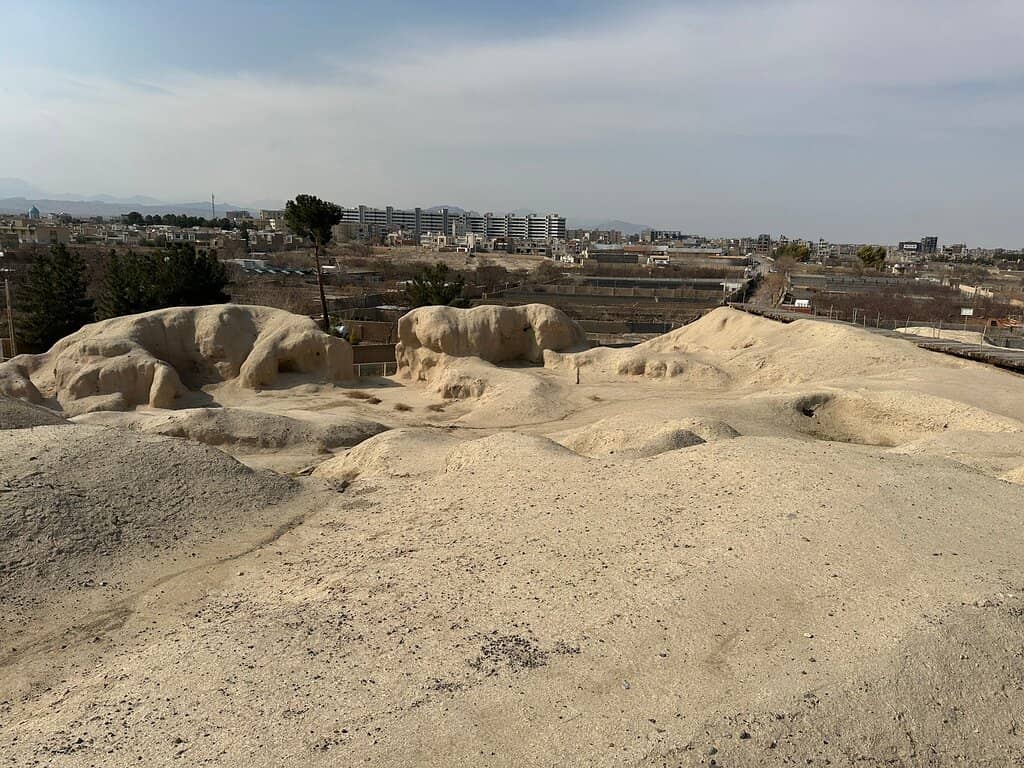
The Ziggurat
Central area of the site
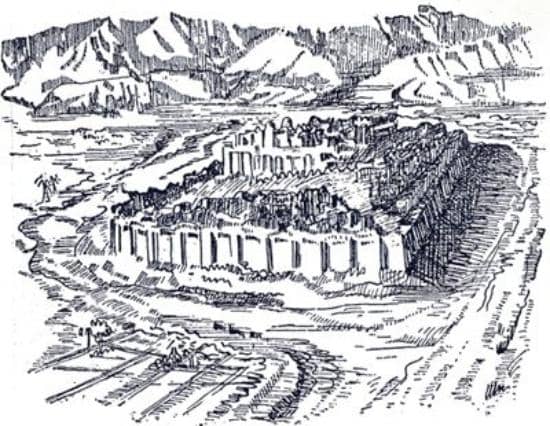
Marvel at one of the world's oldest temple towers, a testament to ancient architectural prowess.
Neolithic Settlements
Various excavated areas
Explore the remnants of human civilization dating back over 8,000 years, showcasing early dwellings.
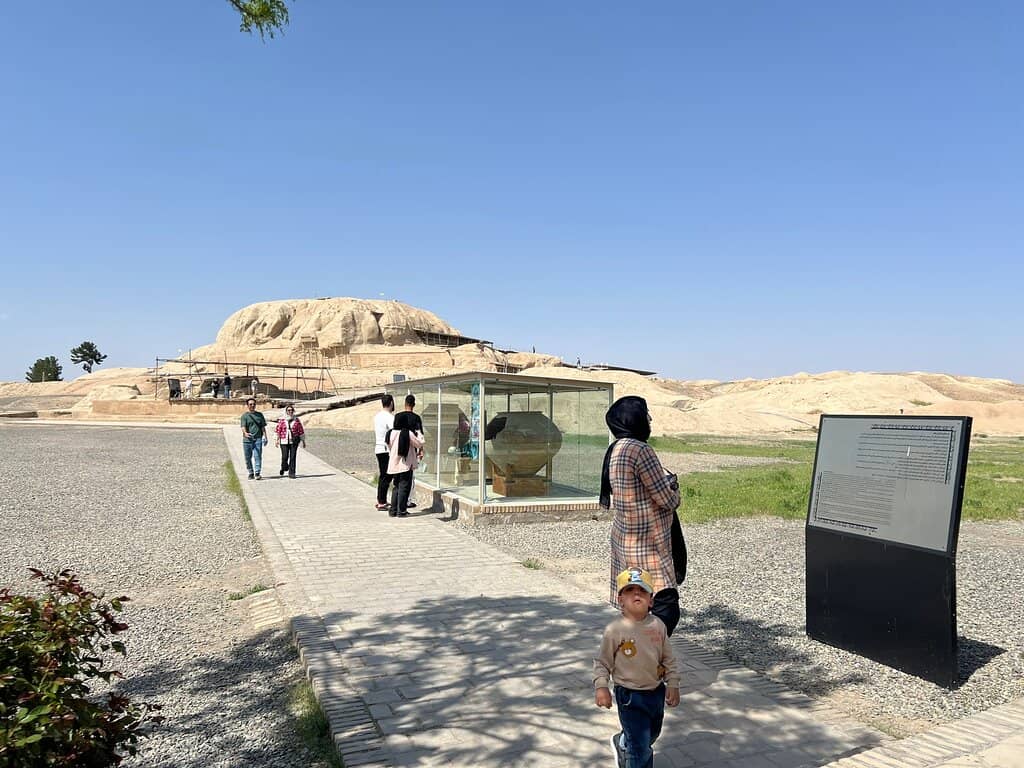
On-site Museum
Entrance to the site
View fascinating artifacts like pottery, jewelry, and tools unearthed from the ancient hills.
Plans like a pro.
Thinks like you
Planning Your Visit
Timing is Everything
Enhance Your Visit
Best Times
Insider Tips
from TikTok, Instagram & Reddit
Hire a Local Guide
A guide brings history to life! Essential for understanding the site's significance.
Research Before You Go
Limited signage means prior knowledge greatly enhances your visit.
Visit During Cooler Months
April-May offers the best weather, avoiding extreme desert heat.
Bring Water
The desert climate can be dehydrating, even in cooler months. Stay hydrated! :droplet:
Tips
from all over the internet
Hire a Local Guide
A guide brings history to life! Essential for understanding the site's significance.
Research Before You Go
Limited signage means prior knowledge greatly enhances your visit.
Visit During Cooler Months
April-May offers the best weather, avoiding extreme desert heat.
Bring Water
The desert climate can be dehydrating, even in cooler months. Stay hydrated! :droplet:
Wear Comfortable Shoes
You'll be walking on uneven, ancient terrain. :athletic_shoe:
What Travellers Say
Reviews Summary
Visitors find the Sialk Hills historically significant, offering a rare glimpse into ancient civilizations and one of the world's oldest ziggurats. However, some note that the site can appear less impressive up close and that signage is limited, making a guide or prior research highly recommended for a fulfilling experience.
"For over 8,000 years, the ancient Silk Tepe has borne witness to the birth and evolution of human civilization. This site offers a unique journey through time, showcasing the gradual progression of human society from simple dwellings made of reeds and wood to complex cities engaged in trade.
A visit to Silk Tepe is like stepping back in time. Visitors can marvel at artifacts that tell the story of ancient civilizations, including pottery shards, jewelry, spinning wheels, metal tools, hand-made bricks, pottery wheels, and most importantly, the ziggurat (a temple tower).
Exploring this historical site and its artifacts from the Neolithic, Chalcolithic, Urban, Iron Age, and Median periods, one can't help but wonder how such magnificent structures were built with the limited technology of the time.
For millennia, Silk Tepe has guarded the secrets of human history, attracting countless visitors eager to connect with a distant past. As one of the world's oldest ziggurats, it was once a sacred site for worship. Ironically, this lost civilization was rediscovered a century ago after being unearthed by a flood and targeted by looters.
Opportunists took advantage of the situation, plundering the site and selling artifacts on the black market. Fortunately, French archaeologist Roman Ghirshman recognized the significance of this discovery and organized a French archaeological mission to save the site.
Ghirshman and his team conducted extensive excavations in 1933 and 1936, publishing their findings in two volumes titled "Silk of Kashan." Unfortunately, after the French excavations, the site was neglected and faced the threat of complete destruction. In 2000, a new chapter began when an Iranian archaeological team led by Dr. Sadegh Malek Shahmirzadi undertook a five-year excavation.
The best time to visit Silk Tepe is from early April to late May. Due to its proximity to the central Iranian desert, the region experiences hot, arid summers and cold winters."
pegah esmaili
"Sialk Hills is one of the first places that humankind has been selected to live back to 8000 years ago. This site so amazing and also thete is a little museum at the beginning of site. It would be exciting for torists and visitors."
saeed jafar
"The Sialk ziggurat was built around the 3000 BC. A joint study between Iran's Cultural Heritage Organization, the Louvre, and the Institut Francais de Recherche en Iran also verifies the oldest settlements in Sialk to date back to 5500–6000 BC.[
Sialk, and the entire area around it, is thought to have originated as a result of the pristine large water sources nearby that still run today. The Cheshmeh ye Soleiman ("Solomon's Spring") has been bringing water to this area from nearby mountains for thousands of years. The Fin garden, built in its present form in the 17th century, is a popular tourist attraction. It is here that the kings of the Safavid dynasty would spend their vacations away from their capital cities. It is also here that Piruz Nahavandi (Abu-Lu'lu'ah), the Persian assassin of Caliph Umar, is buried. All these remains are located in the same location where Sialk is.
Tepe Sialk was excavated for three seasons (1933, 1934, and 1937) by a team headed by Roman Ghirshman and his wife Tania Ghirshman.[4][5][6] Studies related to the site were conducted by D.E. McCown, Y. Majidzadeh, and P. Amieh. Excavation was resumed for several seasons between 1999 and 2004 by a team from the University of Pennsylvania and Iran's Cultural Heritage Organization led by Sadegh Malek Shahmirzadi called the Sialk Reconsideration Project.
Artifacts from the original dig ended up mostly at the Louvre, while some can be found at the British Museum, the Metropolitan Museum of Art in New York, and the National Museum of Iran and in the hands of private collectors.
These artifacts consisted of some very fine painted potteries."
bahman nslbrz
What People Like
What People Dislike
Frequently Asked Questions
🚇 🗺️ Getting There
The Sialk Hills are located near Kashan, Iran. You can typically reach Kashan by bus or train from major Iranian cities like Tehran. From Kashan, local taxis or ride-sharing services can take you to the Sialk Hills site.
Yes, there is usually parking available near the entrance of the Sialk Hills site, making it convenient for those arriving by private vehicle.
While possible, it's a long day trip. It's more common to visit Sialk Hills when you are already in or near Kashan, perhaps combining it with other local attractions like the Fin Garden.
Taxis are readily available in Kashan and can take you directly to the Sialk Hills. Negotiate the fare beforehand or use a ride-hailing app if available.
Direct public transport to the Sialk Hills is limited. It's generally recommended to use taxis or private transport from Kashan city center.
🎫 🎫 Tickets & Entry
The opening hours can vary, but generally, the site is accessible during daylight hours. It's advisable to check with local authorities or your tour operator for the most current information.
Admission fees are typically modest. Foreign visitors may have a different fee structure than locals. It's best to confirm the current ticket prices upon arrival.
Advance booking is usually not required for Sialk Hills, as it's an archaeological site rather than a ticketed event. You can purchase tickets at the entrance.
While not always guaranteed, you might find local guides offering their services at the entrance. Hiring one is highly recommended for a richer experience.
Tickets are available year-round, but the best time to visit for comfortable weather is spring (April-May) or autumn (September-October).
🎫 🧭 Onsite Experience
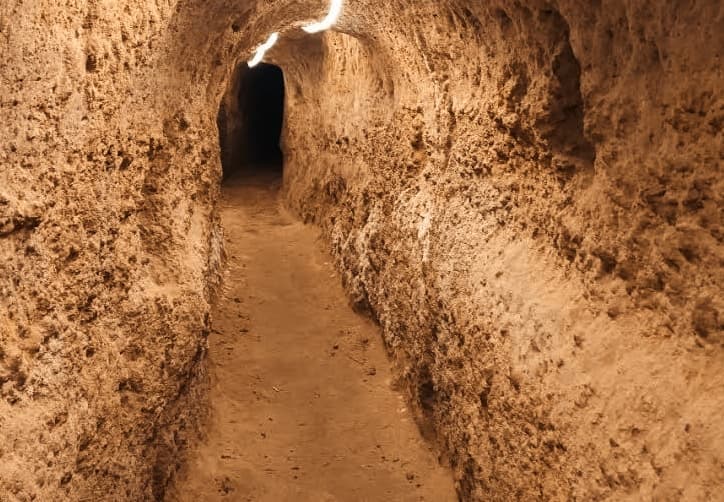
You can see the ancient ziggurat, remnants of Neolithic settlements dating back over 8,000 years, and a small museum displaying artifacts like pottery and tools.
Children might find the historical aspect less engaging unless accompanied by a knowledgeable guide who can make it interactive. The terrain can be uneven.
A visit can range from 1 to 2 hours, depending on your interest level and whether you have a guide. Reading up beforehand also helps maximize your time.
Basic facilities like restrooms might be available near the entrance. It's advisable to bring your own snacks and water as dining options on-site are usually limited.
Photography is generally permitted within the archaeological site, but it's always good practice to be respectful of the historical context and any specific rules posted.
📸 📸 Photography
Early morning or late afternoon offers the best natural light for photography, creating dramatic shadows and highlighting the textures of the ancient structures.
A versatile lens (like a 24-70mm equivalent) is useful for capturing both wide shots of the site and details of the artifacts. A tripod can be helpful for low-light conditions. :camerawithflash:
The ziggurat itself is a prime subject. Exploring the excavated areas can also yield interesting perspectives on the ancient settlements.
Drone usage is often restricted at archaeological sites due to preservation concerns and potential disturbance. It's best to check local regulations before attempting to fly a drone. :noentrysign:
Try shooting from a slightly lower angle to emphasize its height and scale. Experiment with different times of day to capture the changing light.




Social
from TikTok, Instagram & Reddit