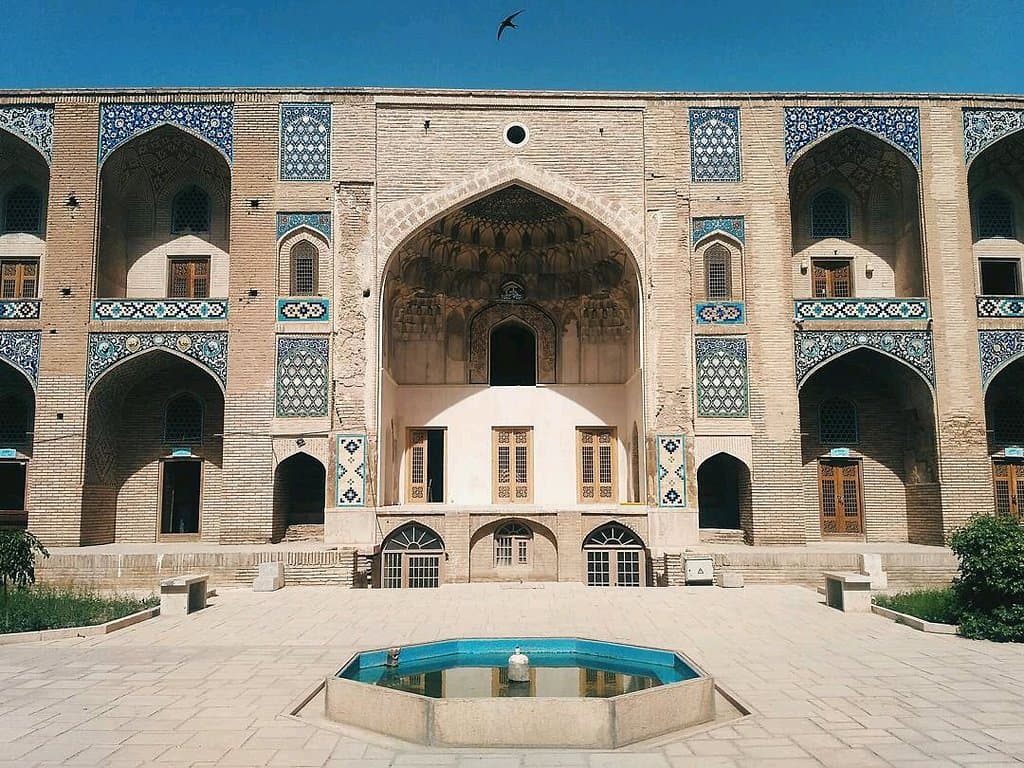
Ebrahim Khan Complex
A magnificent Safavid-era complex in Kerman, featuring a grand square, bazaar, bathhouse, school, and mint.
Highlights
Must-see attractions

Social
From TikTok & Reddit
Best Time
Fewer crowds, cooler temperatures
Ebrahim Khan Complex
Best Time
Fewer crowds, cooler temperatures
Highlights
Must-see attractions
A magnificent Safavid-era complex in Kerman, featuring a grand square, bazaar, bathhouse, school, and mint.
"A masterpiece of Persian urban planning, offering a captivating glimpse into Safavid life and architecture."
Wear Comfortable Shoes
You'll be doing a lot of walking across the square and through the bazaar. :athletic_shoe:
Allow Ample Time
This complex is vast! Give yourself at least 2-3 hours to explore all the different sections.
Quick Facts
Highlights
Discover the most iconic attractions and experiences
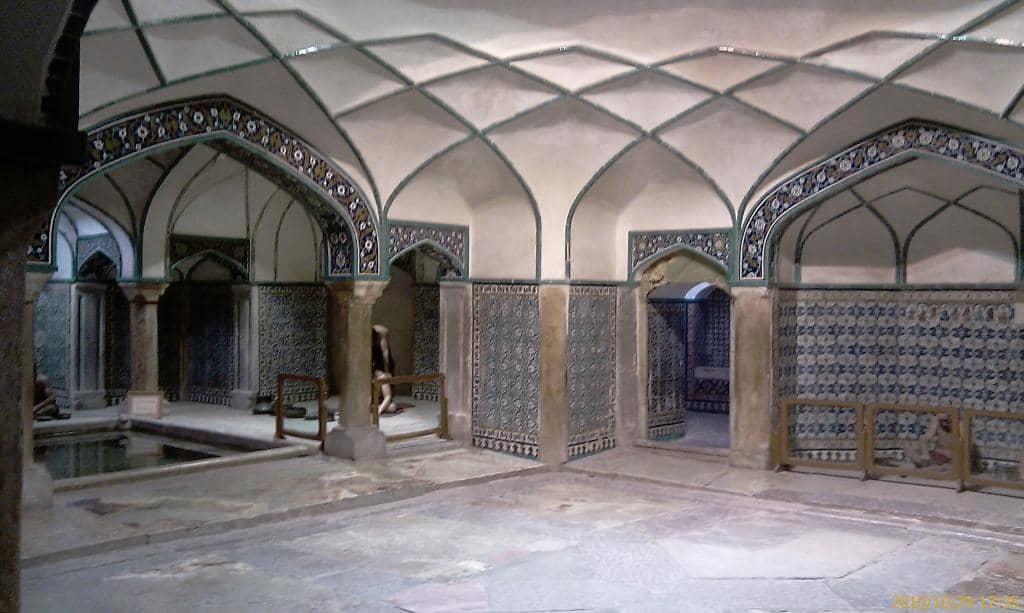
Ganjali Khan Bathhouse
North side of the square
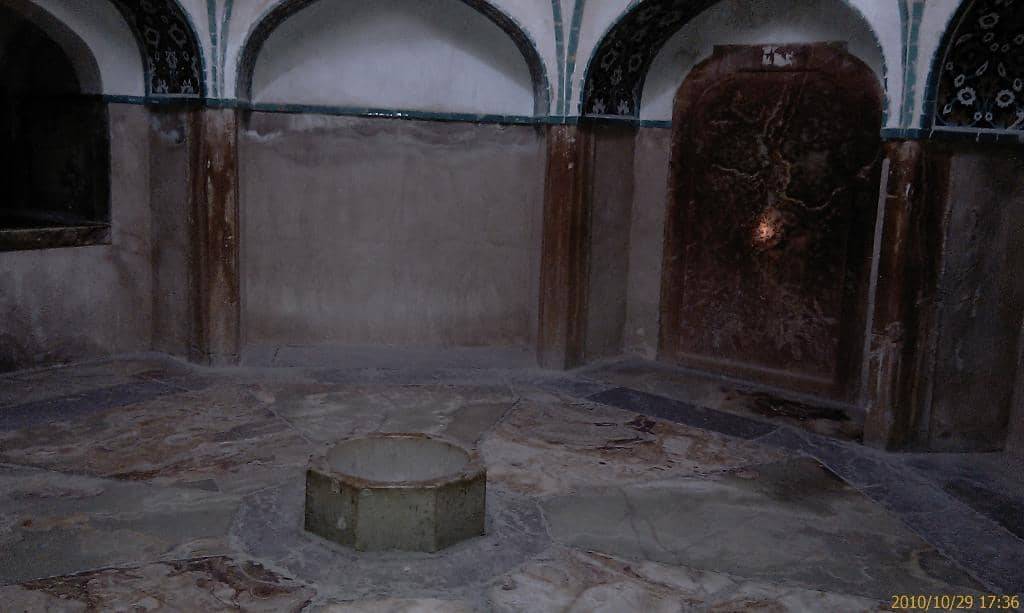
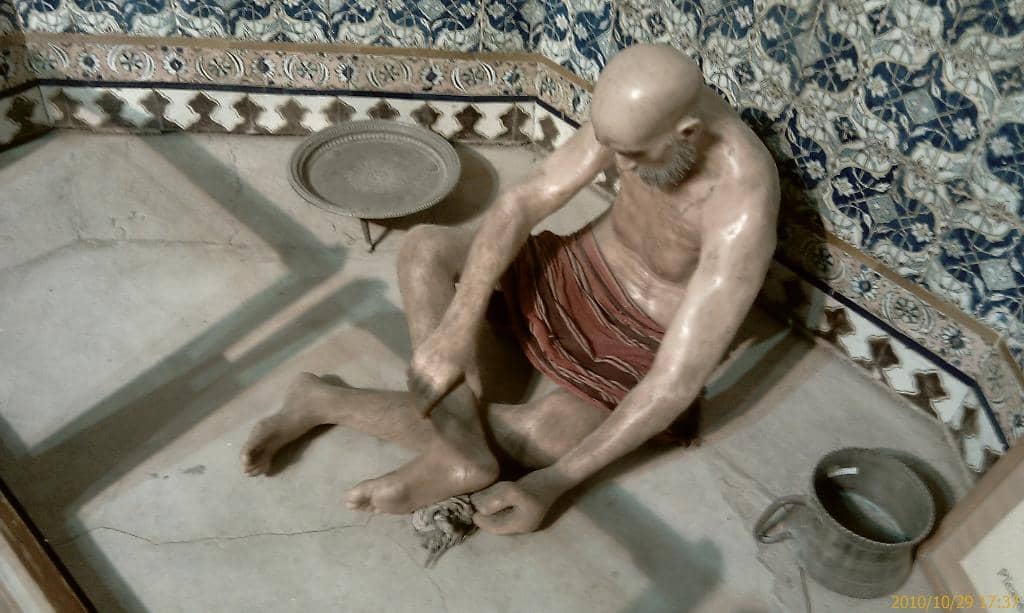
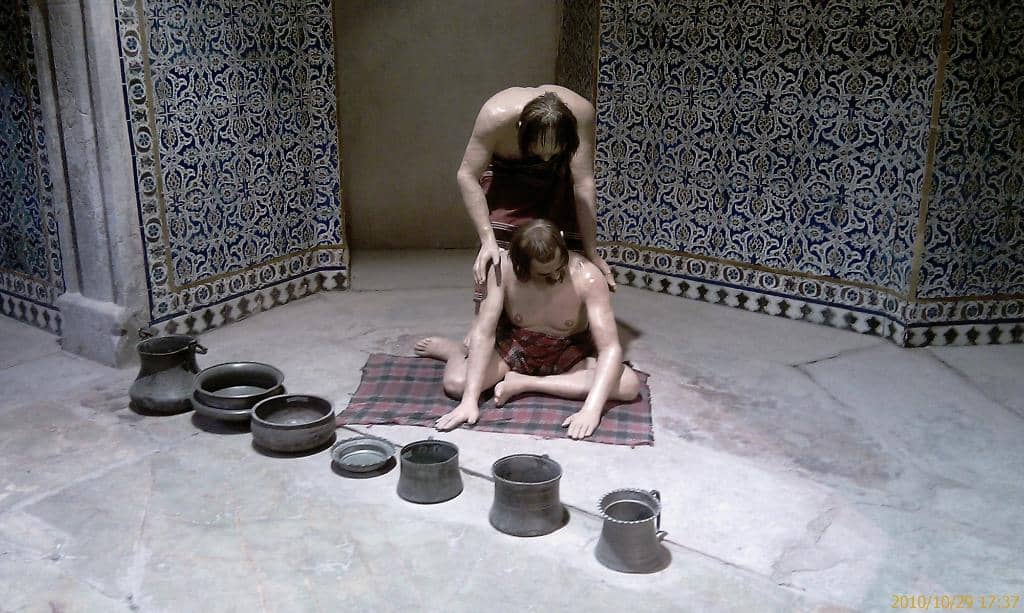
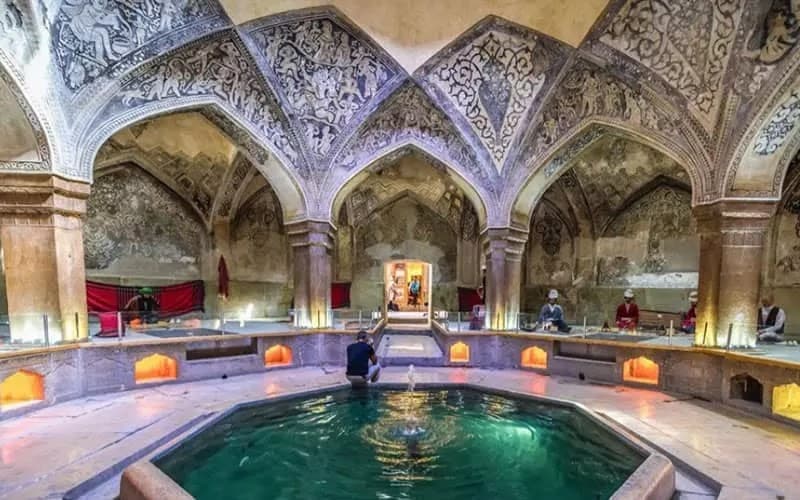
Step back in time in this stunning 400-year-old bathhouse, adorned with intricate tiles and ancient frescoes.
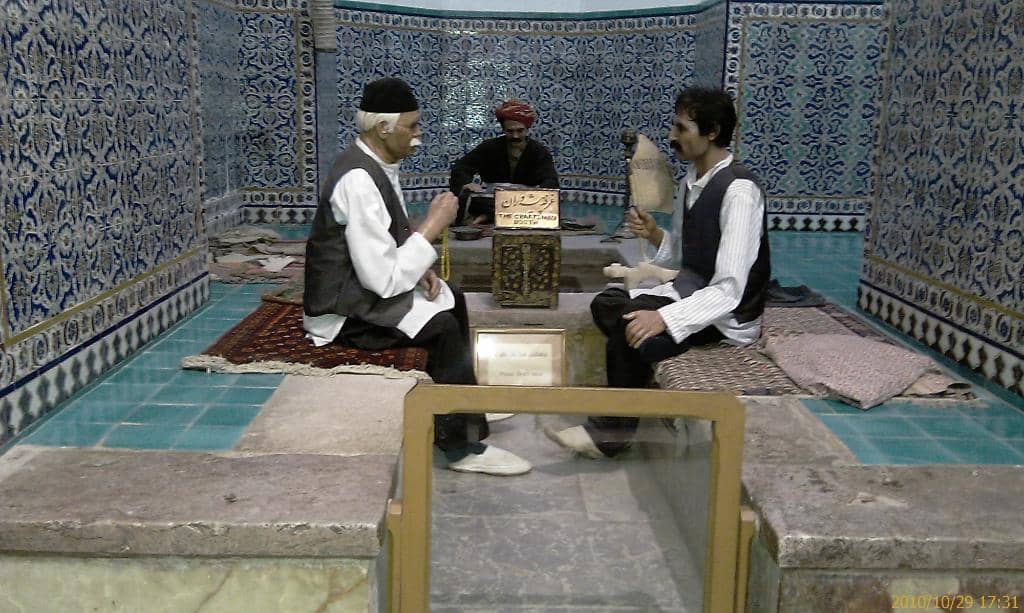
Ganjali Khan Bazaar
Sides of the square
Wander through this historic marketplace, once a vital trade hub, now filled with traditional crafts and local goods.
Ganjali Khan Square
Central area
The heart of the complex, this grand square is a masterpiece of urban planning, surrounded by architectural gems.
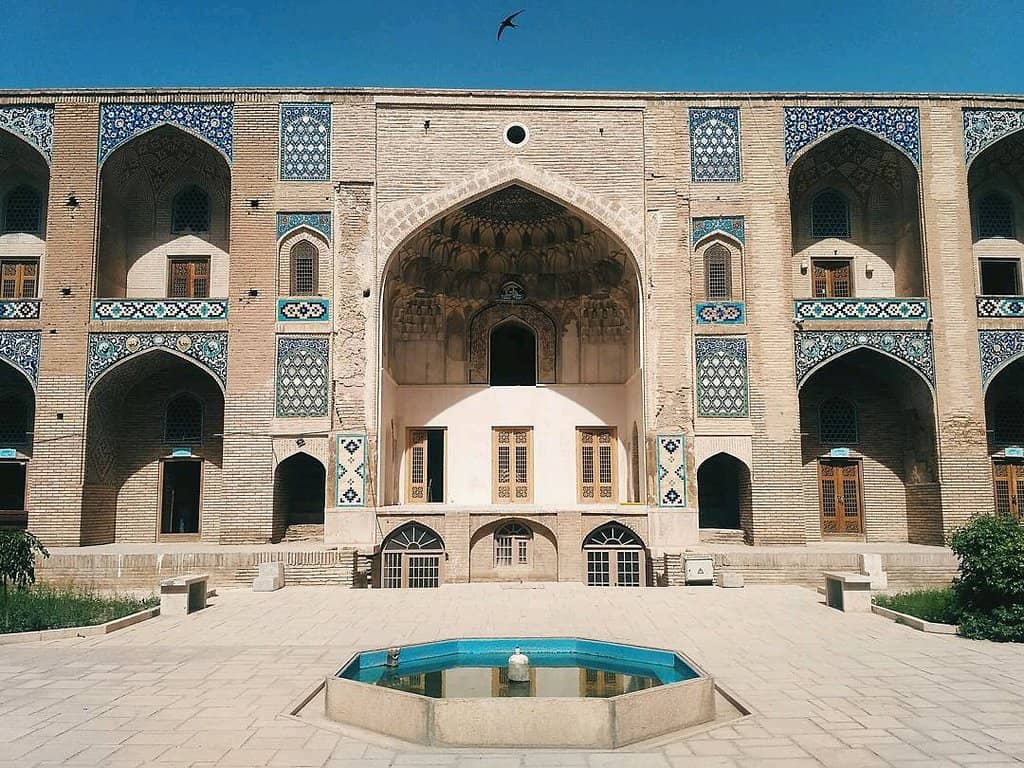
Ganjali Khan School (Madrasa)
East side of the square
Admire the exquisite tile-work and learn about the scholarly past of this beautifully preserved Safavid-era educational institution.
Plans like a pro.
Thinks like you
Planning Your Visit
Timing is Key for the Ganjali Khan Complex
Explore Beyond the Bazaar
Best Times
Insider Tips
from TikTok, Instagram & Reddit
Wear Comfortable Shoes
You'll be doing a lot of walking across the square and through the bazaar. :athletic_shoe:
Allow Ample Time
This complex is vast! Give yourself at least 2-3 hours to explore all the different sections.
Capture the Details
The intricate tile-work and frescoes are stunning. Bring your camera! :camerawithflash:
Visit the Bathhouse
The Ganjali Khan Bathhouse is a must-see for its unique wall paintings and architecture. 🎟️
Tips
from all over the internet
Wear Comfortable Shoes
You'll be doing a lot of walking across the square and through the bazaar. :athletic_shoe:
Allow Ample Time
This complex is vast! Give yourself at least 2-3 hours to explore all the different sections.
Capture the Details
The intricate tile-work and frescoes are stunning. Bring your camera! :camerawithflash:
Visit the Bathhouse
The Ganjali Khan Bathhouse is a must-see for its unique wall paintings and architecture. 🎟️
Explore the Bazaar
Don't just pass through; take time to browse the shops for local crafts and souvenirs. :shopping_bags:
What Travellers Say
Reviews Summary
Visitors consistently praise the Ganjali Khan Complex as a stunning example of Persian architecture and urban planning, highlighting its well-preserved historical structures and intricate decorative arts. The bathhouse and bazaar are frequently cited as major attractions, offering a deep dive into Safavid-era life and commerce. Some visitors note that ticket prices can add up if visiting multiple sections.
"Ganjali Khan Complex – A Masterpiece of Persian Urban Architecture in Kerman.
The Ganjali Khan Complex, in the historic city of Kerman, is a magnificent example of Safavid-era urban planning and Persian architecture.
Built in the early 17th century by Ganjali Khan, the governor of Kerman under Shah Abbas I, the complex was designed as a multifunctional civic center that served economic, social, and religious purposes. Its harmonious layout reflects the careful integration of aesthetics and function typical of Persian design.
At the heart of the complex lies a large square, modeled after Isfahan’s Naqsh-e Jahan Square, surrounded by key structures such as a caravanserai, a mosque, a bazaar, a bathhouse (hammam), a mint, and a school (madrasa). Each structure demonstrates exquisite Safavid architectural features, including intricate tile-work, frescoes, stucco carvings, and vaulted ceilings. The bathhouse, in particular, is celebrated for its de-tailed wall paintings and elegant interior.
The Ganjali Khan Bazaar, which stretches alongside the square, was once a thriving commercial hub linking Kerman to trade routes across Iran and Central Asia. The mint produced coinage, highlighting the complex’s economic role, while the madrasa provided religious and scholarly education.
Today, the Ganjali Khan Complex stands as a preserved open-air museum, reflecting the vibrant civic life of Safavid Iran."
Lefteris Stamatelatos
"Ganj Ali Khan complex is located in the historical center of Kerman city and next to Kerman Grand Bazaar. Ganj Ali Khan, who is one of the famous rulers of the time of Shah Abbas, ruled over Kerman from 1005 to 1034 AH and built many monuments and buildings and tried to settle this area. Among the public buildings left by this famous ruler, Ganj Ali Khan complex in Kerman city and Rabat Zain al-Din (Ganz Ali Khan Caravanserai) on Yazd-Kerman road, Hoz Khan reservoir on Kerman-Mashhad road and a number of aqueducts in Kerman city. A share of the revenue of the collection and aqueducts is given to Astan Quds Razavi. These buildings have suffered irreparable damage during the campaigns of Agha Mohammad Khan.
The area of Ganj Ali Khan complex is 11,000 square meters and the elements of the complex and the year of their construction are: Square 1005 AH. Bazar, 1005 AH. AH, on the south side of Hammam, 1020 AH. AH, on the north side of the mint, on the east side of the school, 1007 AH. AH and Caravanserai 1021 AH. AH, on the west side of the reservoir 1021 A.H., on three sides of the square, there are Ganj Ali Khan markets, which form the copper market and part of the main street. The architect was a part of the collection of Ustad Sultan Mohammad and its founder was Ganj Ali Khan, the ruler of Kerman in the years 1005 to 1029 AH. There were four mosques on the four sides of the square, three of which remained, and the most beautiful of them is the mosque on the eastern side next to the caravanserai, which is considered a museum of decorative arts. The architectural style of this building is Isfahani style.
The Ganj Ali Khan complex is a square in the central part of Kerman city, which is located on the edge of the large market, and like the Naqsh Jahan squares in Isfahan or Mirchakhmaq in Yazd, it has gathered some urban elements around it.
Ganj Ali Khan Bazar is located on 3 sides of the square and Ganj Ali Khan Palace is on the other side.
The presence of a bath, water tank, mint, and proximity to markets and four souqs completes this interwoven complex. Brick arches, tiling, green spaces, water ponds and other sights have added to the beauty of this square. The traditional and historical market of Kerman includes many markets from different periods: in this article, from the Safavid period to the Qajar period for you. We explain"
Ok Ok
"Ganjali Khan Complex is located in the center of ancient Kerman. It is next to Kerman Bazaar. Ganjali Khan was one of the famous rulers in King Abbas Era from 1596 to 1625. So many architectural sites had been built under his command. He had an important role in regional development.
Some of the public architectural sites that were built in Kerman under the command of Ganjali Khan are Ganjali Khan Complex in the city center, Ganjali Khan Caravanserai on Yazd-Kerman Road, Hoz Khan on Kerman-Mashhad Road and some Qanats in the city. During Agha Mohammad Khan’s geostrategic military missions, some of these buildings suffered some irreparable damages.
Ganjali Khan area is about 11,000 square meters. This complex includes a bazaar, square, bath, Zarrabkhane, school, caravansary, and a cistern. There are four mosques in four corners of the square from three of which are retained. The most beautiful one is the mosque on the eastern side which is an artistically decorated museum. The complex architecture was Soltan Mohammad Memare Yazdi. The architectural style of this complex is in Isfahani Style
Different parts of the complex are:
The square
Ganjali Khan Bazaar
Ganjali Khan Mosque
Ganjali Khan Bath
Ganjali Khan School
Zarrabkhane"
ehsan rajabi
What People Like
What People Dislike
Frequently Asked Questions
🚇 🗺️ Getting There
The Ganjali Khan Complex is centrally located in Kerman, right next to the Kerman Grand Bazaar. It's easily accessible by local taxi or ride-sharing services. If you're already exploring the city center, it's likely within walking distance.
Parking can be challenging in the historic city center. It's best to use taxis or public transport to reach the complex. If you're driving, look for designated parking areas a short walk away.
Yes, Kerman has a public bus system. Check local routes for buses that stop near the city center or the Grand Bazaar, which will bring you very close to the Ganjali Khan Complex.
Absolutely! The Ganjali Khan Complex is a major landmark in Kerman and is well-signposted. Its proximity to the Grand Bazaar also makes it easy to locate.
For travel between cities like Yazd and Kerman, intercity buses are a common and affordable option. Taxis are also available but will be more expensive.
🎫 🎫 Tickets & Entry
Yes, you will need to purchase tickets to enter certain parts of the Ganjali Khan Complex, particularly the bathhouse and school. The bazaar and square are generally free to wander.
Opening hours can vary seasonally, but generally, the complex is open from morning until early evening. It's advisable to check the most current hours upon arrival or online before your visit.
Ticket prices are typically very reasonable for foreign tourists. The exact cost can vary for different sections, but it's generally an affordable experience.
Currently, purchasing tickets online in advance for the Ganjali Khan Complex is not widely available. It's best to buy them on-site at the ticket offices located within the complex.
Sometimes, combined tickets might be offered that grant access to multiple sections of the complex at a slightly reduced price. Inquire at the ticket counter for current options.
📸 📸 Photography
Photography is generally allowed in most areas of the Ganjali Khan Complex, including the square, bazaar, and school. However, always be respectful of other visitors and local customs.
While photography is usually permitted in the bathhouse, some areas might have specific restrictions to preserve the delicate artwork or for privacy. Be mindful of any signage.
The Ganjali Khan Square offers grand architectural views. The intricate tile-work and frescoes inside the bathhouse and school are also highly photogenic. The bazaar provides lively street photography opportunities.
Early mornings or late afternoons offer the best light for photography, with softer shadows and a beautiful golden hue. This also helps avoid harsh midday sun.

A wide-angle lens can be very useful for capturing the scale of the square and the interiors of the buildings. However, a standard zoom lens will also work well for details.
🍽️ 🛍️ Shopping & Dining
The Ganjali Khan Bazaar is known for its traditional handicrafts, including Persian carpets, metalwork, ceramics, and local spices. You can also find souvenirs and local sweets.
While the complex itself primarily consists of historical structures, you'll find numerous traditional restaurants and cafes just outside the complex, especially around the Grand Bazaar, offering local Kerman cuisine.
Kerman cuisine features dishes like 'Kufteh Berenji' (rice meatballs), 'Shish Andaz' (a lamb stew), and various local bread and pastry varieties. Don't miss trying the local dates.
Yes, bargaining is a common practice in traditional Iranian bazaars, including the Ganjali Khan Bazaar. Be polite and respectful when negotiating prices.
The Ganjali Khan Bazaar is your best bet for authentic souvenirs. Look for items made by local artisans to ensure quality and authenticity.
Social
from TikTok, Instagram & Reddit