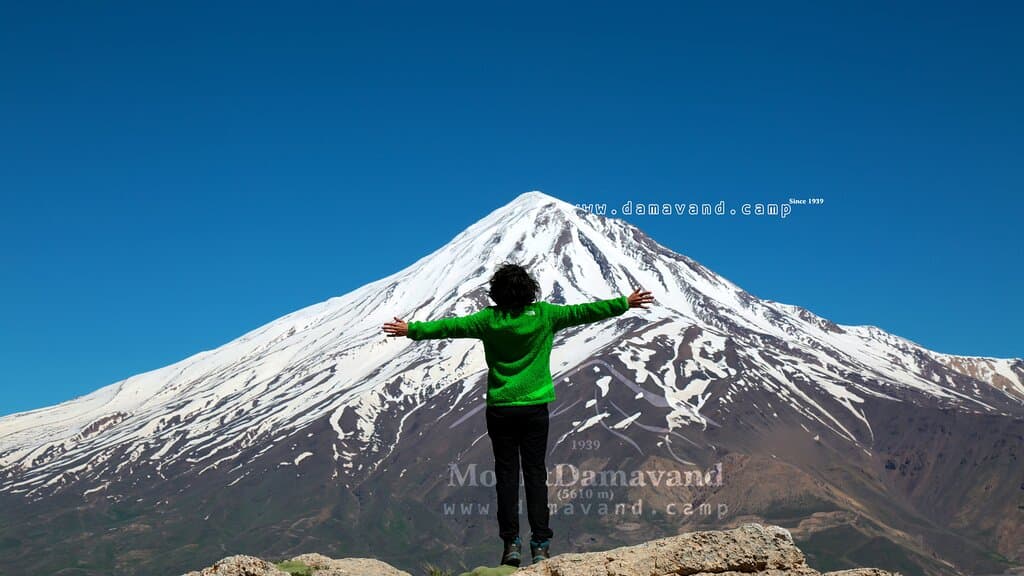
Mount Damavand
Conquer Iran's highest peak, a majestic snow-capped volcano steeped in Persian legend, offering breathtaking views and a profound cultural experience.

Highlights
Must-see attractions
Social
From TikTok & Reddit
Best Time
Best weather for climbing
Mount Damavand
Best Time
Best weather for climbing
Highlights
Must-see attractions
Conquer Iran's highest peak, a majestic snow-capped volcano steeped in Persian legend, offering breathtaking views and a profound cultural experience.
"It's wonderful! Incredible! Wonderful! Terrific! very kind and Majestic! I love it."
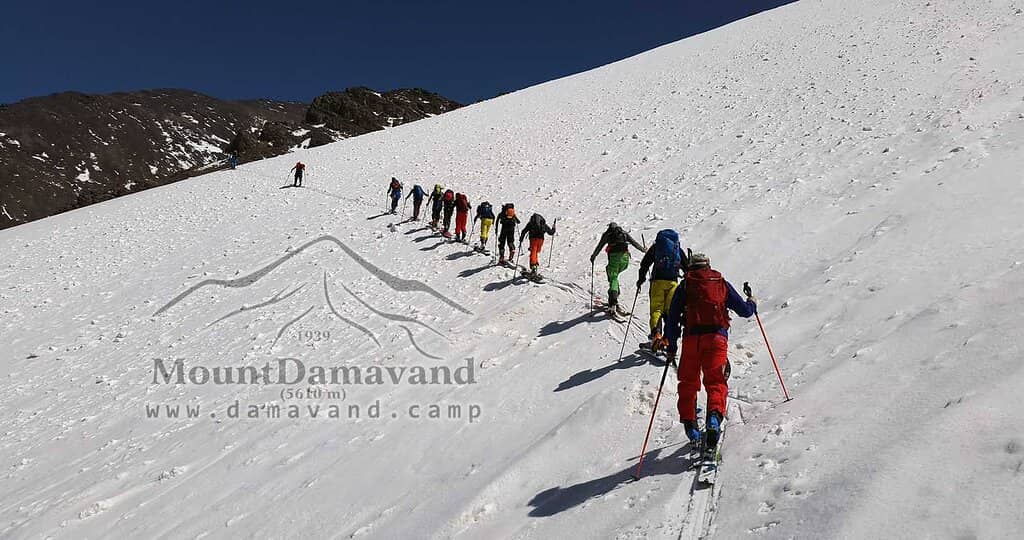
Pack for All Weather
Temperatures can change rapidly. Bring layers, waterproofs, and sun protection. Even in summer, expect cold at higher altitudes.
Hire a Local Guide
Essential for safety and navigation, especially on less common routes. Guides also offer cultural insights.
Highlights
Discover the most iconic attractions and experiences
Summit of Mount Damavand
Conquer Iran's highest peak, a majestic snow-capped volcano steeped in Persian legend. The panoramic views are breathtaking.
Hot Springs of Larijan
Relax and rejuvenate in the natural hot springs near Damavand after your climb. A perfect way to soothe tired muscles.
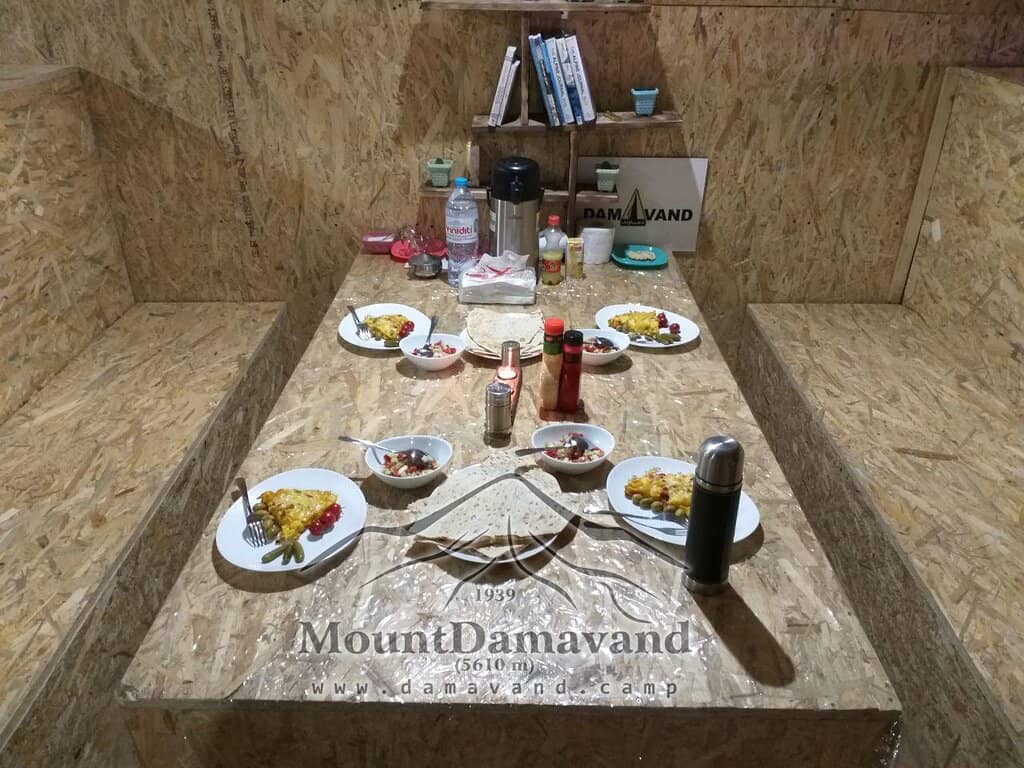
The Shelter at 4200m
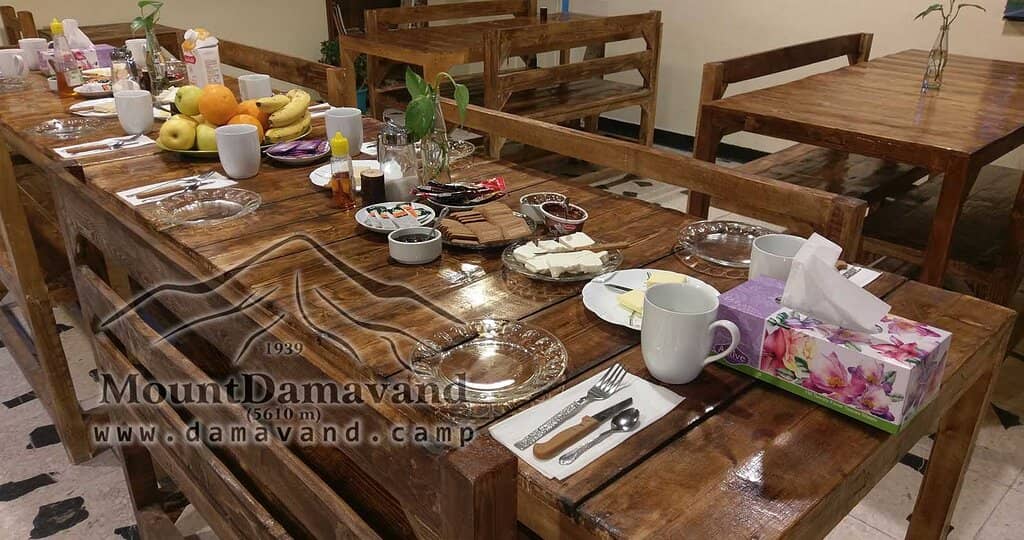
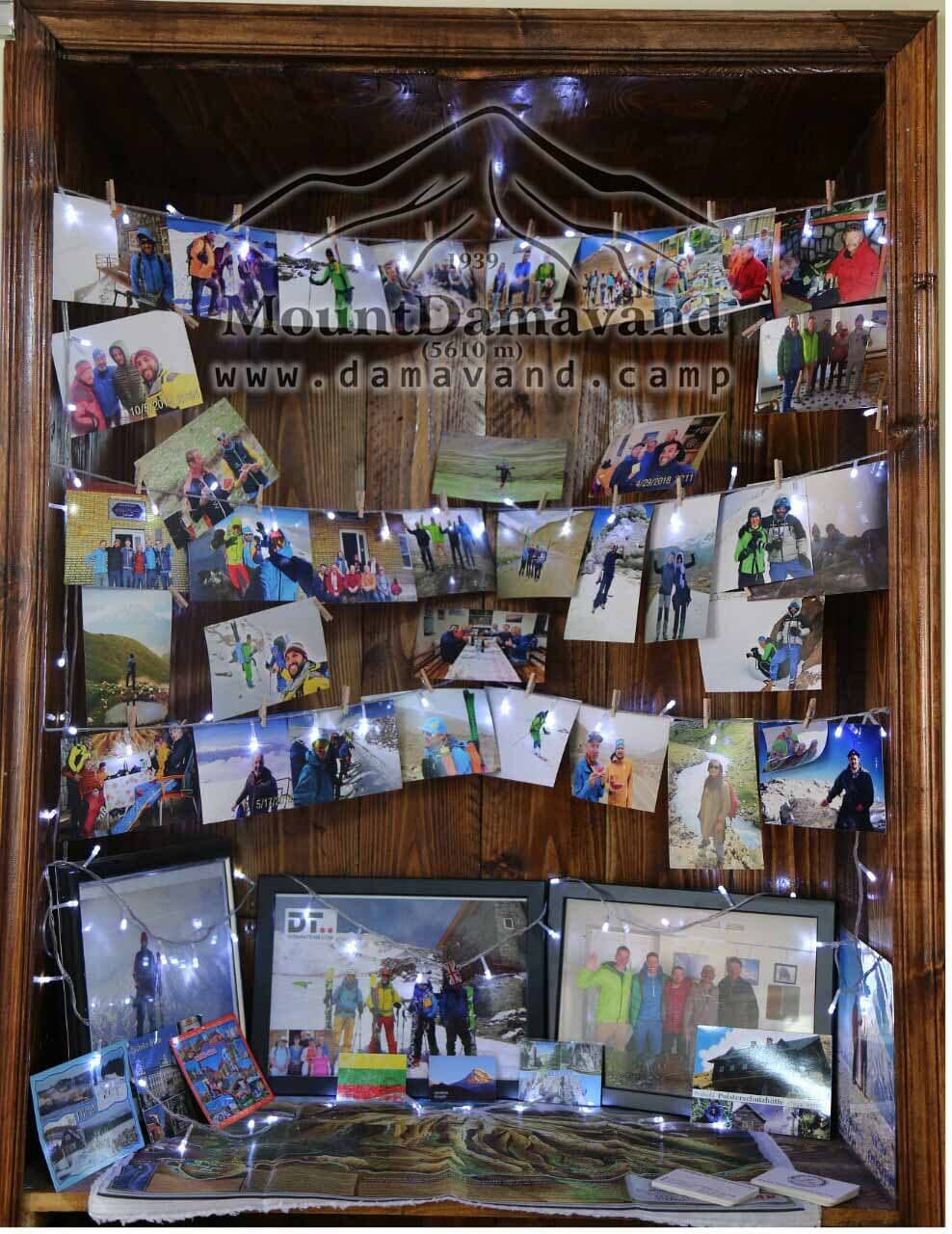
Experience the warmth of Iranian hospitality at the mountain shelter. Enjoy food, water, and stunning views with fellow climbers.
Plans like a pro.
Thinks like you
Planning Your Visit
Acclimatization is Key
Choose Your Route Wisely
Best Times
Insider Tips
from TikTok, Instagram & Reddit
Pack for All Weather
Temperatures can change rapidly. Bring layers, waterproofs, and sun protection. Even in summer, expect cold at higher altitudes.
Hire a Local Guide
Essential for safety and navigation, especially on less common routes. Guides also offer cultural insights.
Damavand and Elbrus solo
Leave No Trace
Pack out all your trash. Waste management is minimal; climbers are responsible for keeping the mountain clean.
Stay Hydrated
Drink plenty of water to combat altitude sickness. The air is dry, so consistent hydration is crucial.
Tips
from all over the internet
Pack for All Weather
Temperatures can change rapidly. Bring layers, waterproofs, and sun protection. Even in summer, expect cold at higher altitudes.
Hire a Local Guide
Essential for safety and navigation, especially on less common routes. Guides also offer cultural insights.
Leave No Trace
Pack out all your trash. Waste management is minimal; climbers are responsible for keeping the mountain clean.
Stay Hydrated
Drink plenty of water to combat altitude sickness. The air is dry, so consistent hydration is crucial.
Respect Local Culture
Iran is a safe country with welcoming people. Be mindful of local customs and traditions during your visit.
What Travellers Say
Reviews Summary
Mount Damavand is hailed as a majestic and incredible natural wonder, offering a challenging yet rewarding climbing experience. Visitors praise the stunning views, the warmth of Iranian hospitality at the shelters, and the unique cultural significance of the peak. However, the extreme altitude poses a significant challenge, and the lack of waste management requires climbers to be highly responsible.
"It was nice exprience. I came from Norway ( almost altitude 0). I had lots of hiking experiences but not in high altitude. Generally it was not hard, it was 2 days hike, overal one way round 8 km from south face( from 3000 to 5609m). We were moving up really slow because of acclimatization. First day we went from 3000 to 4200m and spent night there. Second day we ascended to top at 5609 altitude. The challenge for this trip was thunder that I have not had exprience. While we were heading back from summit thunder was started. We rurned off our cell phone and start to run down. Eventually we survived 😌 and back to 3000m."
anahita
"It's wonderful ! Incredible! Wonderful! Terrific! very kind and Majestic! I love it.
I reached the summit 6 times, once in winter season. It's really addictable. The usual ascending routes contains South side, North Side, West side, North East side and North West side (Sardagh Edge, maybe the more challenging route)."
Safa Daneshvar
"I captured this beautiful wonder Mt. Damavand while flying over Ahane Garamsar... so beautiful.
It refreshed the Mount Fuji vibes, wish I visit and climb this beauty someday"
EXcellent stuFF
What People Like
What People Dislike
Frequently Asked Questions
🚇 🗺️ Getting There
The most common starting point for Damavand is the town of Polur, located about 3-4 hours drive from Tehran. You can hire a taxi or arrange a private transfer. Some travelers also use public transport to reach nearby towns and then hire local transport.
The most popular base camp is located at an altitude of 3000 meters (around 9800 feet) on the southern route. Another option is the northern route's base camp. Both offer basic facilities and are starting points for acclimatization.
While direct public transport to the immediate base camps is limited, you can take buses from Tehran to towns like Amol or Reyneh, and then arrange for local taxis or shared rides to the mountain.
The most popular routes are the South Face (4-5 days round trip) and the North Face (5-6 days round trip). Other routes like the West, Northeast, and Northwest offer more challenging ascents.
While not always strictly enforced for foreign trekkers, it's advisable to check current regulations. Hiring a registered guide often simplifies any permit requirements.
🎫 🎫 Tickets & Entry
Yes, there is typically a fee to enter the national park area surrounding Mount Damavand. This fee usually covers access to the trails and facilities.
Costs vary depending on your chosen route, whether you hire a guide, mule services, and accommodation at shelters. Budget for park fees, guide fees, and food.
It's generally not possible to book shelter spots in advance. You typically pay upon arrival. However, during peak season, shelters can get crowded, so arriving early is recommended.
Base camps and shelters are generally accessible year-round for climbers, though conditions are significantly harsher in winter. There are no strict 'operating hours' as they are part of the mountain environment.
Discounts are not commonly advertised. The primary costs are for guides, transport, and shelter stays. Traveling in a group can help share costs.
🎫 🧭 Onsite Experience
The climbing season is typically from late May to September. Summer offers the most stable weather, but spring and early autumn can be beautiful with fewer crowds. Winter climbs are for experienced mountaineers only.
The climb is considered non-technical in summer but is strenuous due to the high altitude. Altitude sickness is the main challenge. Proper acclimatization is crucial for a safe ascent.
You'll need sturdy hiking boots, layered clothing (including warm insulation and waterproofs), a good backpack, trekking poles, a headlamp, sunglasses, and sunscreen. Crampons and an ice axe might be needed for early/late season.
Cell service is intermittent and generally only available at lower altitudes or near villages. It's best to assume you'll be out of service for most of the climb.
The shelter at 4200m provides basic amenities like food, water, tea, and coffee. It's a communal space where climbers can rest and refuel.
🍽️ 🍽️ Food & Dining
Yes, you can purchase basic food, snacks, and hot drinks at the shelters along the popular routes, especially at the 4200m mark. However, options are limited.
Expect simple, hearty meals like stews, rice dishes, and tea. It's advisable to carry some of your own high-energy snacks as well.
It's recommended to bring your own water or use a water filter/purification tablets. While some shelters may offer boiled water, it's safer to treat any water source.
If you plan to prepare your own meals, bringing a portable stove and cooking gear is an option, but many climbers rely on the shelters for food.
In towns like Polur and Reyneh, you'll find local restaurants offering traditional Iranian cuisine. These are good places to eat before or after your climb.
📸 📸 Photography
The summit offers incredible panoramic views. The approach routes, especially during sunrise or sunset, provide dramatic landscapes. The hot springs near Larijan are also photogenic.
A versatile lens (like a 24-70mm), a wide-angle for landscapes, and a telephoto for distant peaks are useful. A sturdy tripod is great for low light and long exposures. Don't forget extra batteries, as cold drains them quickly.
While many climbers bring their gear, it's essential to keep it secure and protected from the elements. A good camera backpack with padding is recommended. Be mindful of your surroundings.
Sunrise and sunset offer the most dramatic lighting for landscape photography. Midday can be harsh, but the snow-capped peak is still impressive.
The view from the summit at sunrise is legendary. Also, capturing the sulfurous fumes and unique geological formations adds character to your photos.
For Different Travelers
Tailored advice for your travel style
👨👩👧 Families with Kids
Consider visiting the lower slopes or nearby villages where you can enjoy the stunning views of Damavand without undertaking a challenging climb. Exploring local culture and enjoying the natural beauty of the Alborz mountain range can provide a memorable family experience. Ensure any activities are age-appropriate and prioritize safety.
💰 Budget Travelers
Utilize local transport to reach the base town of Polur or Reyneh, and then negotiate prices for local taxis or shared rides. Staying at the mountain shelters is much cheaper than arranging private camping. Bringing your own high-energy snacks and some basic meals can also save money compared to purchasing all food at the shelters.
💑 Couples
After the climb, relaxing together in the hot springs of Larijan provides a perfect opportunity to unwind and enjoy each other's company amidst stunning natural scenery. The sense of accomplishment from conquering Iran's highest peak together can create lasting memories and strengthen your bond.
Deep Dives
In-depth insights and expert knowledge
Navigating the Ascent Routes
When choosing a route, consider your fitness level, acclimatization strategy, and desired challenge. Local guides are invaluable for understanding the nuances of each path, including seasonal conditions, potential hazards like rockfall or snow, and the best places to rest and resupply. They can also advise on the most efficient way to tackle the altitude, which is the primary adversary on Damavand.
Regardless of the route, remember that altitude sickness is a serious risk. Proper acclimatization, slow ascent, and adequate hydration are paramount. Many climbers opt for a multi-day approach, spending nights at intermediate camps or shelters to allow their bodies to adjust. This not only increases safety but also enhances the overall experience, allowing for better appreciation of the mountain's grandeur.
The Legend and Lore of Damavand
The mountain's imposing presence has inspired poets, writers, and artists throughout Iran's history. Its volcanic nature, with steaming fumaroles and hot springs, adds to its mystique, often interpreted as the breath of mythical creatures or the earth's raw energy. The hot springs, particularly those in Larijan, have been revered for their therapeutic properties, drawing visitors seeking healing and relaxation for generations.
Today, Damavand continues to be a potent symbol for Iranians, representing national pride and resilience. Climbing Damavand is often seen as a pilgrimage, a way to connect with the country's rich heritage and natural beauty. The mountain's enduring presence in culture and legend makes a visit not just a physical challenge but also a journey into the heart of Persian identity.
Sustainable Climbing Practices
Climbers are strongly urged to practice the 'Leave No Trace' principle. This means packing out everything you pack in, including all trash, food scraps, and even toilet paper. If carrying out all waste becomes too burdensome, hiring a mule service to transport your rubbish down is a viable and recommended option.
Beyond waste, climbers should also be mindful of their impact on the trails and vegetation. Sticking to marked paths, avoiding shortcuts that cause erosion, and respecting wildlife are essential. By adopting these practices, visitors can help ensure that Mount Damavand remains a breathtaking and ecologically sound destination for future generations.
Social
from TikTok, Instagram & Reddit