
Naqsh-e Rajab Iran
Discover the Sasanian Empire's grandeur at Naqsh-e Rajab, featuring four magnificent rock reliefs near Persepolis.

Highlights
Must-see attractions

Social
From TikTok & Reddit
Best Time
Golden hour light enhances reliefs
Naqsh-e Rajab Iran
Best Time
Golden hour light enhances reliefs
Highlights
Must-see attractions
Discover the Sasanian Empire's grandeur at Naqsh-e Rajab, featuring four magnificent rock reliefs near Persepolis.
"A small but very beautiful place with 4 magnificent reliefs, rare. "
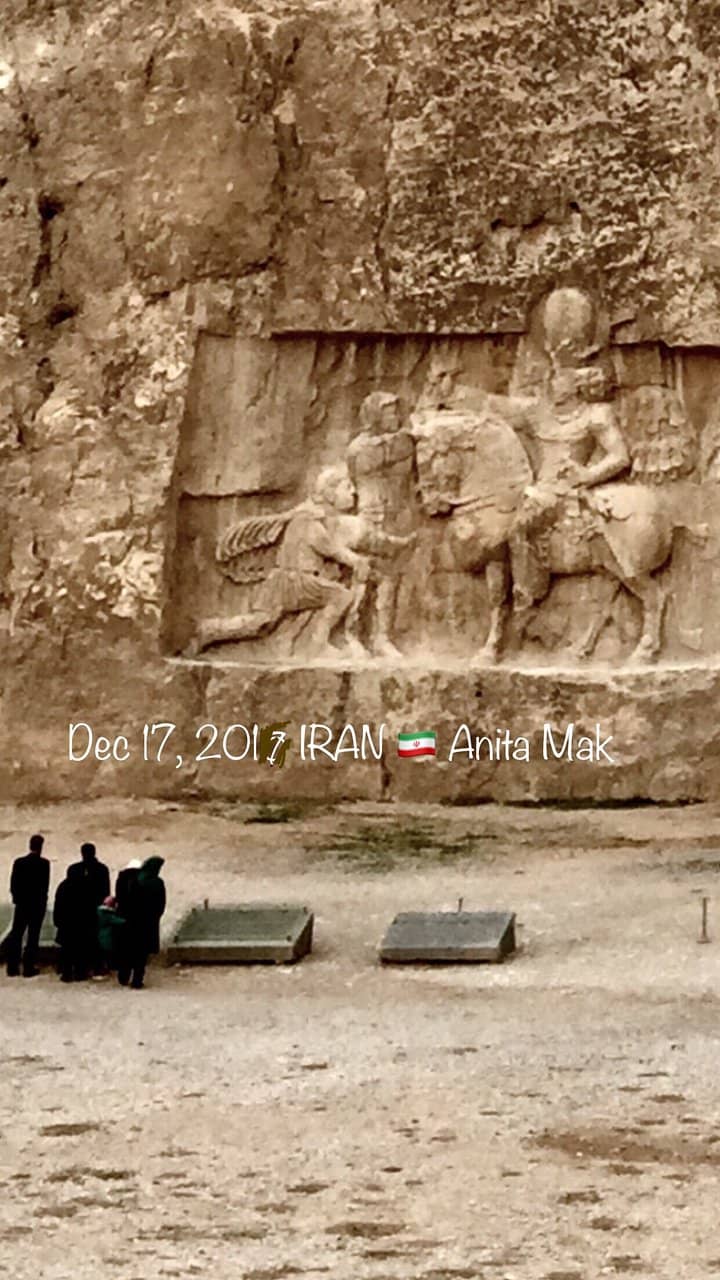
🎟️ Affordable Entry
Foreigner entry fee is around 750,000 IRR (approx. EUR1.2), making it very budget-friendly. 🎟️
🚗 Easy Access from Marvdasht
Located just 13 km from Marvdasht city, it's a short drive via the Marvdasht-Saadatabad highway. 🚗

Quick Facts
Highlights
Discover the most iconic attractions and experiences
Investiture of Ardashir I
Main rock relief
Witness Ardashir I receiving kingship from Ahura Mazda, a powerful Sasanian symbol of divine legitimacy.


Relief of King Shapur I
Rock face
See Shapur I's triumphant depiction, showcasing Sasanian might and artistic skill.
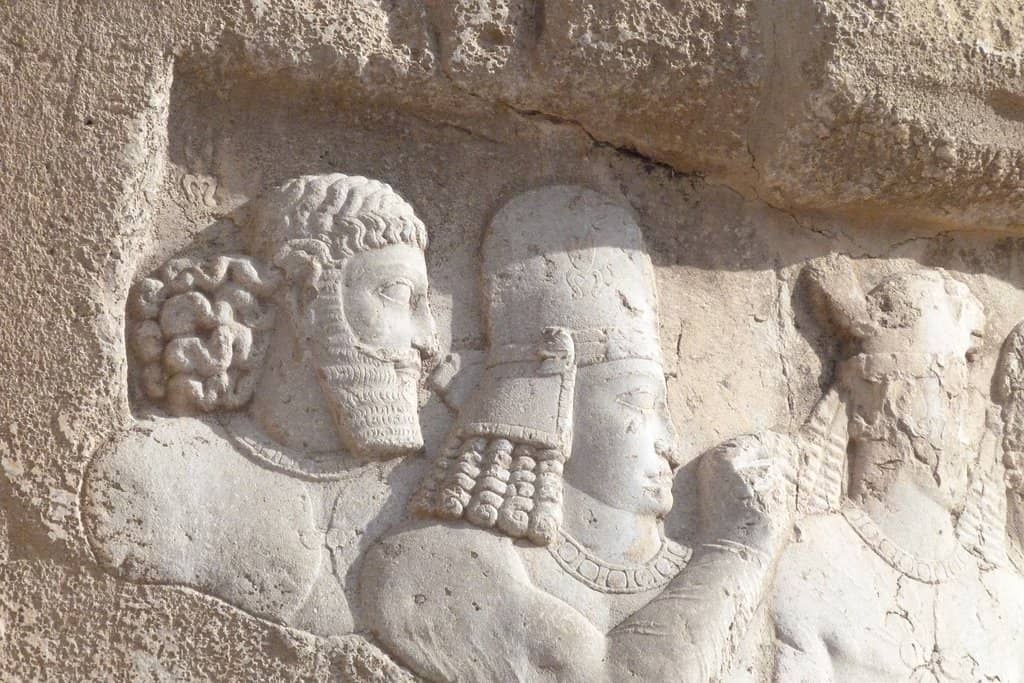
Relief of Kartir the Priest
Rock face
Explore the inscription by Kartir, a prominent Zoroastrian priest, offering insights into Sasanian religious life.
Plans like a pro.
Thinks like you
Planning Your Visit
Combine with Persepolis & Naqsh-e Rustam
Timing is Key for Photos
Best Times
Insider Tips
from TikTok, Instagram & Reddit
🎟️ Affordable Entry
Foreigner entry fee is around 750,000 IRR (approx. EUR1.2), making it very budget-friendly. 🎟️
🚗 Easy Access from Marvdasht
Located just 13 km from Marvdasht city, it's a short drive via the Marvdasht-Saadatabad highway. 🚗
🚶♀️ Small but Significant
It's a compact site with 4 main carvings, so don't expect a large area to explore. 🚶
📸 Capture the Details
The rock reliefs are intricate; visit during optimal light for the best photographic opportunities.
Tips
from all over the internet
🎟️ Affordable Entry
Foreigner entry fee is around 750,000 IRR (approx. EUR1.2), making it very budget-friendly. 🎟️
🚗 Easy Access from Marvdasht
Located just 13 km from Marvdasht city, it's a short drive via the Marvdasht-Saadatabad highway. 🚗
🚶♀️ Small but Significant
It's a compact site with 4 main carvings, so don't expect a large area to explore. 🚶
📸 Capture the Details
The rock reliefs are intricate; visit during optimal light for the best photographic opportunities.
What Travellers Say
Reviews Summary
Naqsh-e Rajab is a small but historically significant Sasanian site, often visited alongside Persepolis and Naqsh-e Rustam. While some find it less impressive than its neighbors, its affordable entry and intricate rock reliefs offer a valuable glimpse into ancient Persian history and art.
"Nothing much to see, just some, around 3 ancient rock carvings. If you have absolutely nothing else left to see, visit this. Entry ticket fee is 750,000 IRR (EUR1.2) for a foreigner"
Shaik Masood
"Naqsh-e-Rajab… It was named after the coffee shop that was recently next to it 😆 Everyone wanted to tell the address,. He said, go to the coffee shop of Rajab, if Uncle Rajab knew that he had found such a colorful place in history, he would claim to be a king 😄
There are 4 carvings on the mountain in total, which are interesting, but is it worth seeing? If you don't have time, not! Preferably watch it on Aparat and YouTube… But if you have time, go and see it 😶🌫️ I posted the videos, that's all there is 😁"
Negin Eskandary
"Naqsh-e Rajab in Shiraz is one of the most magnificent historical sites in Iran, dating back to the Sasanian and pre-Islamic empires. This spectacular site is located near Persepolis and Naqsh-e Rustam and contains astonishing monuments that fascinate every visitor. If you have traveled to different cities in Iran, you have certainly seen a variety of historical monuments; however, Shiraz, with its rich history and monuments left over from historical periods, is the flagship of all these places to visit.
Where is Naqsh-e Rajab in Shiraz? A complete introduction to Naqsh-e Rajab
Among the most spectacular attractions in Shiraz are Naqsh-e Rajab and Naqsh-e Rustam; of course, we have discussed the details and attractions of Naqsh-e Rustam in another article, which is also worth reading.
In this article, we plan to provide you with interesting information about the Naqsh-e Rajab inscription. We recommend that you definitely travel to this place of interest to visit the historical sites of Iran and get acquainted with their antiquity and works of art.
Where is Naqsh-e Rajab in Shiraz? A complete introduction to Naqsh-e Rajab
Where is Naqsh-e Rajab?
Before we start introducing this place of interest, we need to first get acquainted with the location of Naqsh-e Rajab in Shiraz. The petroglyphs of this place of interest are located 66 kilometers from the city of Shiraz; therefore, to see this place of interest, travelers and tourists must travel a distance of 52 minutes from the city of Shiraz to reach Naqsh-e Rajab. This place of interest is located 13 kilometers (15 minutes by car) from the northern part of the city of Marvdasht.
This historical place is located 2.6 kilometers and 4 minutes from Naqsh-e Rustam and 3.7 kilometers and 8 minutes from Persepolis. To be able to travel to this place easily, you should head towards the city of Marvdasht and go via the Marvdasht-Saadatabad highway to the old route of Persepolis, also called the Old Highway, to reach this attractive and historical place.
The exact address of Naqsh-e Rajab Shiraz: Fars, Marvdasht city, 3 kilometers from the northern part of Persepolis, Marvdasht-Saroui road.
Where is Naqsh-e Rajab Shiraz? A complete introduction to Naqsh-e Rajab
The reason for naming Naqsh-e Rajab Shiraz
One of the interesting topics about this historical monument is the reason for naming Naqsh-e Rajab Shiraz. Is there a secret or reason behind this issue? Unfortunately, there is no accurate information available about the reason for naming or naming this place; However, researchers and historians of the country, through their investigations, found that there was a coffee house near this historical place whose owner was Rajab, and the people of that time, due to lack of information about these inscriptions and its works, knew this place as the owner of the coffee house; therefore, this place became known as Naqsh-e Rajab.
In this regard, in 1176 AH, a Danish tourist and traveler named Carsten Niebuhr traveled to Iran and mentioned a place called "Naqsh-e Rajab Inscription Stone". Also, during the Qajar era, a person named "Forsat-ud-Dawlah Shirazi" wrote an article about Naqsh-e Rajab Shiraz. This work was titled "Athar al-Ajam" and was written by the native people of that region, who referred to the Rajab inscriptions as "Naqsh-e Chabaman"."
Ali Parvizi
What People Like
What People Dislike
Frequently Asked Questions
🚇 🗺️ Getting There
Naqsh-e Rajab is about 66 kilometers from Shiraz, taking approximately 52 minutes by car. Head towards Marvdasht city via the Marvdasht-Saadatabad highway, then follow the old route to Persepolis.
Yes, Naqsh-e Rajab is very close to Persepolis, only about 3.7 kilometers (8 minutes by car) away. It's often visited as part of a tour of the Persepolis complex.
These two sites are in close proximity, just 2.6 kilometers (4 minutes by car) apart. If you have a car or hire a taxi, it's a very quick transfer.
While direct public transport might be limited, you can take buses or shared taxis from Shiraz to Marvdasht, and then arrange local transport or a taxi to Naqsh-e Rajab.
Yes, there is typically parking available for visitors, especially for those arriving by car or tour bus.
🎫 🎫 Tickets & Entry
The entrance ticket fee for foreigners is approximately 750,000 IRR (around EUR1.2), which is quite affordable.
Information on specific discounts can vary. It's advisable to inquire at the ticket counter upon arrival for any available concessions.
Opening hours can vary seasonally, but historical sites in Iran are generally open from morning until early evening. It's best to check locally or with your tour provider.
For Naqsh-e Rajab, advance booking is usually not necessary. Tickets can typically be purchased at the site.
While often visited with Persepolis, Naqsh-e Rajab may have a separate entrance fee. It's wise to confirm if a combined ticket is available or if separate admissions are required.
📸 📸 Photography
The golden hours of early morning and late afternoon offer the most dramatic lighting for photographing the Sasanian reliefs. Midday can provide clearer detail but harsher shadows.
Generally, photography is allowed at Naqsh-e Rajab. However, always be respectful of the historical site and avoid using flash directly on the ancient carvings if advised.
A standard DSLR or mirrorless camera with a versatile lens (e.g., 24-70mm) is suitable. A wide-angle lens can be useful for capturing the scale of the reliefs.
Drone usage is typically restricted at historical and archaeological sites in Iran. It's best to assume drones are not permitted to avoid issues.
Focus on the intricate details of the Sasanian kings, their crowns, the divine symbols, and the overall composition of the rock reliefs.
🎫 🏛️ Onsite Experience
A visit to Naqsh-e Rajab is quite brief, usually taking around 30 minutes to an hour, as it's a small site with only four main carvings.
The main attractions are the four Sasanian rock reliefs, including the Investiture of Ardashir I, and reliefs of King Shapur I and Kartir the Priest.
The site is relatively flat, but the terrain around the reliefs might be uneven. Visitors with mobility issues should proceed with caution.
Basic facilities might be available, but it's advisable to use restrooms before arriving or in nearby towns like Marvdasht. There isn't a prominent cafe on-site, though historically a coffee shop named Rajab was nearby.
Naqsh-e Rajab primarily features rock reliefs from the early Sasanian Empire, dating back to the 3rd century CE.

Social
from TikTok, Instagram & Reddit