
Shah Abdol-Azim Shrine Rey
A magnificent pilgrimage site in Rey, Iran, renowned for its golden dome, intricate mosaics, and profound spiritual significance.
Highlights
Must-see attractions

Social
From TikTok & Reddit
Best Time
Experience tranquility
Shah Abdol-Azim Shrine Rey
Best Time
Experience tranquility
Highlights
Must-see attractions
A magnificent pilgrimage site in Rey, Iran, renowned for its golden dome, intricate mosaics, and profound spiritual significance.

🧥 Modest Attire is Key
Ensure shoulders and knees are covered. Women need a headscarf. Respectful dress is mandatory for entry. 🙏
⏰ Avoid Peak Prayer Times
Visit outside of prayer hours for a more peaceful experience and to avoid any disruptions. :clock1:

Quick Facts
Highlights
Discover the most iconic attractions and experiences
The Golden Dome
Main Shrine
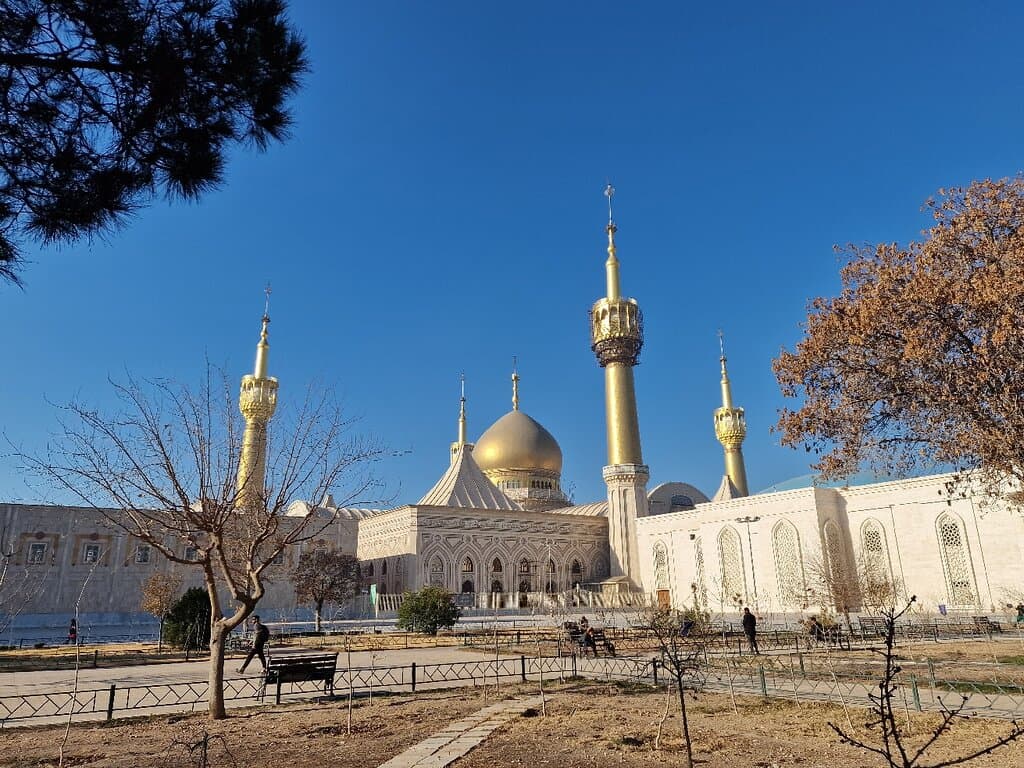
A breathtaking sight, the shimmering golden dome is a masterpiece of Islamic architecture and a spiritual focal point.
Intricate Tilework
Interior & Exterior
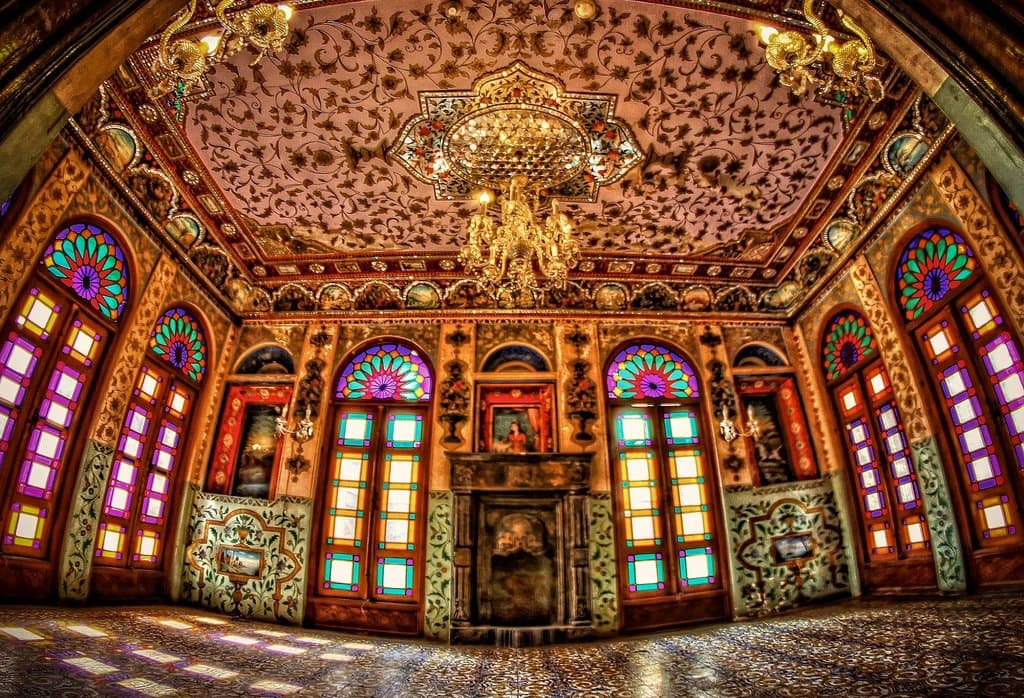
Marvel at the vibrant, detailed mosaics and tilework that adorn the shrine, showcasing exquisite Persian artistry.

Tall Minarets
Courtyard
These elegant minarets stand tall, adding to the grandeur of the complex and offering a sense of scale.
Plans like a pro.
Thinks like you
Planning Your Visit
Dress Code & Respect
Best Hours for Serenity
Best Times
Insider Tips
from TikTok, Instagram & Reddit
🧥 Modest Attire is Key
Ensure shoulders and knees are covered. Women need a headscarf. Respectful dress is mandatory for entry. 🙏
⏰ Avoid Peak Prayer Times
Visit outside of prayer hours for a more peaceful experience and to avoid any disruptions. :clock1:
👟 Comfortable Shoes Needed
You'll be doing a lot of walking around the large complex. :athletic_shoe:
📸 Photography Etiquette
Be discreet with photos, especially inside prayer areas. Always ask permission if unsure. :camerawithflash:
Tips
from all over the internet
🧥 Modest Attire is Key
Ensure shoulders and knees are covered. Women need a headscarf. Respectful dress is mandatory for entry. 🙏
⏰ Avoid Peak Prayer Times
Visit outside of prayer hours for a more peaceful experience and to avoid any disruptions. :clock1:
👟 Comfortable Shoes Needed
You'll be doing a lot of walking around the large complex. :athletic_shoe:
📸 Photography Etiquette
Be discreet with photos, especially inside prayer areas. Always ask permission if unsure. :camerawithflash:
What Travellers Say
Reviews Summary
Visitors consistently praise the shrine's breathtaking architecture, particularly the golden dome and intricate tilework, highlighting its spiritual significance as a major pilgrimage site. While the beauty and serenity are often lauded, some find the crowds during peak times and religious holidays can detract from the peaceful experience.
What People Like
What People Dislike
Frequently Asked Questions
🚇 🗺️ Getting There
The easiest way is to take the Tehran Metro Line 1 (Red Line) south to the last station, 'Shahed'. From there, it's a short taxi or bus ride to the shrine. Some visitors opt for taxis directly from central Tehran, which is more convenient but pricier.
Yes, there is parking available near the shrine complex, though it can get busy during peak times. If you're driving, arrive early to secure a spot.
Taking the metro is highly recommended for its affordability and efficiency, bypassing Tehran's notorious traffic. It's a straightforward journey to the Shahed station.
🎫 🎫 Tickets & Entry
Entry to the shrine complex itself is generally free. However, there might be small fees for specific museums or areas within the larger complex if you choose to visit them.
The shrine is typically open from early morning until late evening. It's best to check local listings or inquire upon arrival, as hours can vary, especially during religious holidays.
No, advance ticket purchase is not usually required as entry is free. However, if you plan to visit any associated museums, it's wise to check their specific ticketing policies.
The shrine remains open for most of the day and evening. However, it may close briefly during the five daily Islamic prayer times. It's advisable to be aware of these times.
🎫 🧭 Onsite Experience
You can admire the stunning architecture, including the golden dome and intricate tilework, explore the courtyards, visit the mausoleums of holy figures, and experience the spiritual atmosphere. There are also museums within the complex.
Yes, the architecture and details are very photogenic. However, be respectful and avoid taking photos inside prayer halls or of people without permission. Focus on the grand exteriors and decorative elements.
A visit can range from 1-3 hours, depending on your interest. If you plan to explore the museums or simply soak in the atmosphere, allow more time. A quick visit to see the main shrine can be done in about an hour.
Official guides may be available, especially for larger groups or those interested in a deeper historical and religious context. You can inquire at the information desk upon arrival.
It is a major pilgrimage site for Shia Muslims, housing the tomb of Abd al-Azim al-Hasani, a descendant of Prophet Muhammad. It's considered a place of great spiritual importance and blessings.
🍽️ 🍽️ Food & Dining
Yes, the area surrounding the shrine has numerous local eateries, tea houses, and small restaurants offering traditional Iranian cuisine. You can find affordable and authentic meals nearby.
While not explicitly forbidden, it's generally more respectful to dine at the local establishments. However, bringing water is advisable, especially during warmer months.
Expect to find popular Iranian dishes like kebabs, stews (khoresh), rice dishes (polo), and various local snacks and sweets. Tea houses are also abundant for a refreshing break.
📸 📸 Photography
The exterior of the main shrine with its golden dome and minarets, the intricate tilework in the courtyards, and the grand entrances offer excellent photographic opportunities. Capture the scale and the detailed artistry.
Photography is generally allowed in outdoor areas and courtyards. However, it's strictly prohibited inside the mausoleums and prayer halls. Always be discreet and respectful.
Early morning or late afternoon offers the best light for photography, creating a warm glow on the golden dome and highlighting the architectural details. Midday sun can be harsh.


Social
from TikTok, Instagram & Reddit