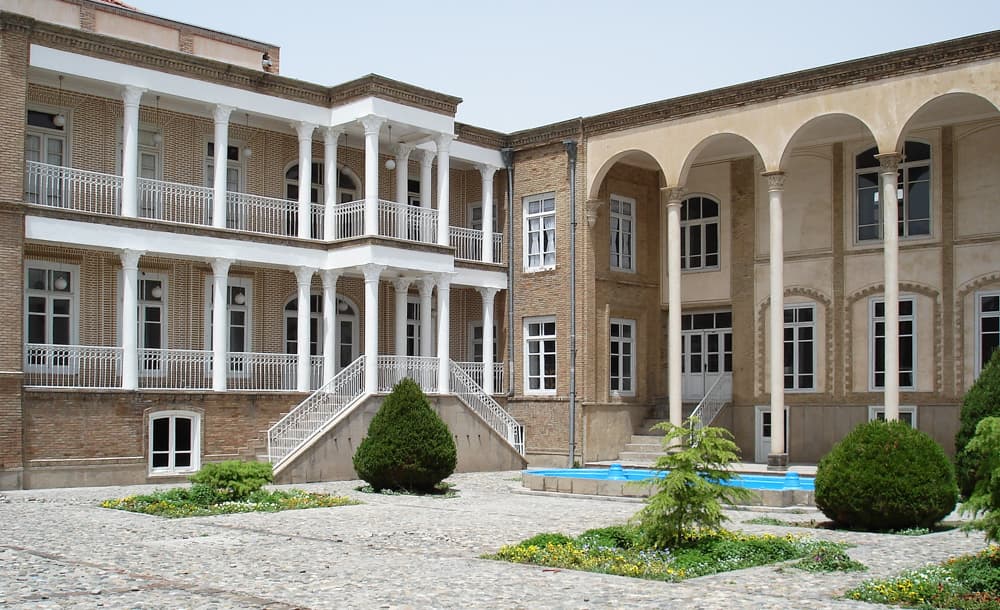
Ganjei Zadeh House
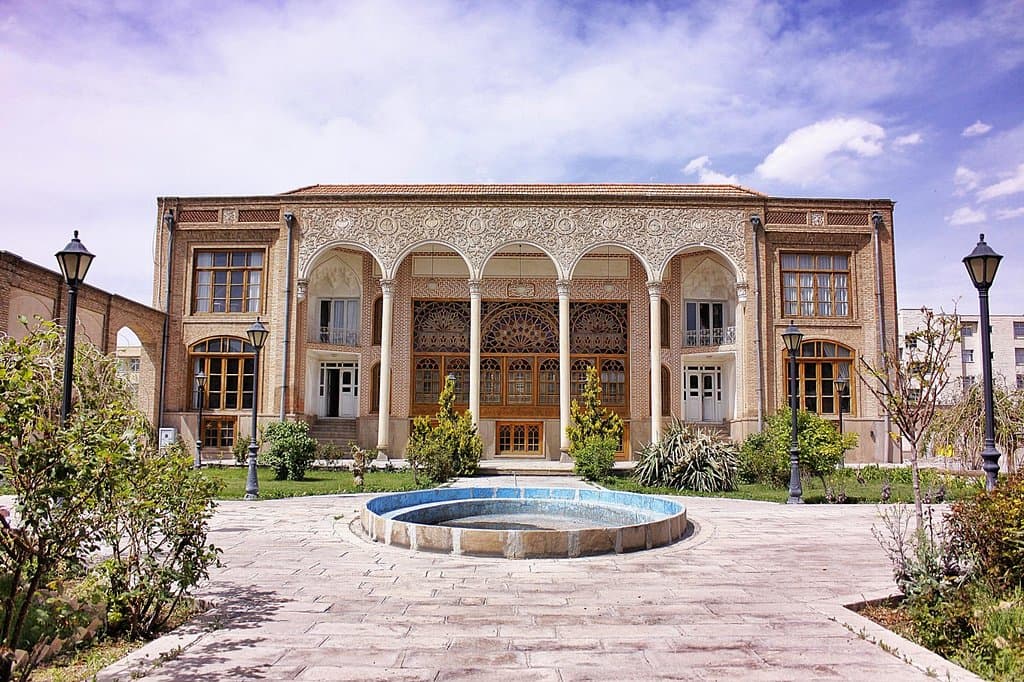
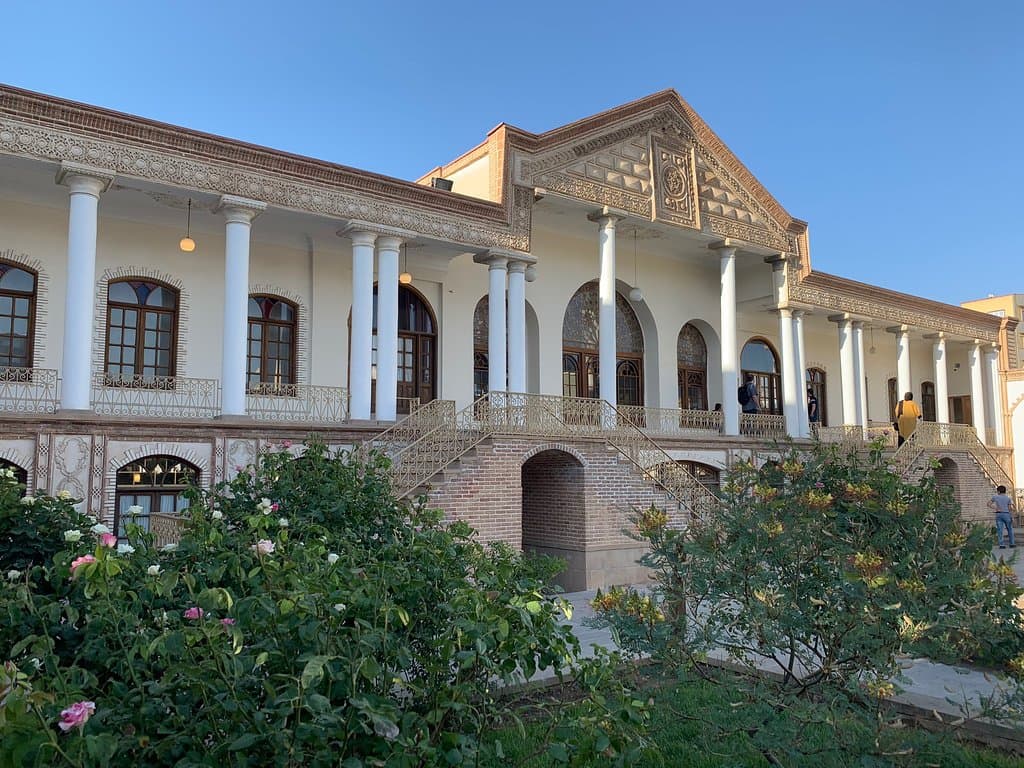
A Qajar-era mansion in Tabriz, blending traditional and early modern architecture, now part of an art college.
Highlights
Must-see attractions

Social
From TikTok & Reddit
Best Time
Only time for access
Ganjei Zadeh House
Best Time
Only time for access
Highlights
Must-see attractions
A Qajar-era mansion in Tabriz, blending traditional and early modern architecture, now part of an art college.
"A historical gem showcasing architectural evolution, accessible only in the afternoons."
🎯 Afternoon Access Only
Remember, visits are limited to afternoons (after 3-4 PM) as it's part of the Art College. :clock1:
🏛️ National Monument Status
Appreciate its historical significance as a registered national monument of Iran. ⭐

Quick Facts
Hours
Rating
4.7 · 9 reviews
Type
Tourist Attraction
Highlights
Discover the most iconic attractions and experiences
Qajar-Era Architecture
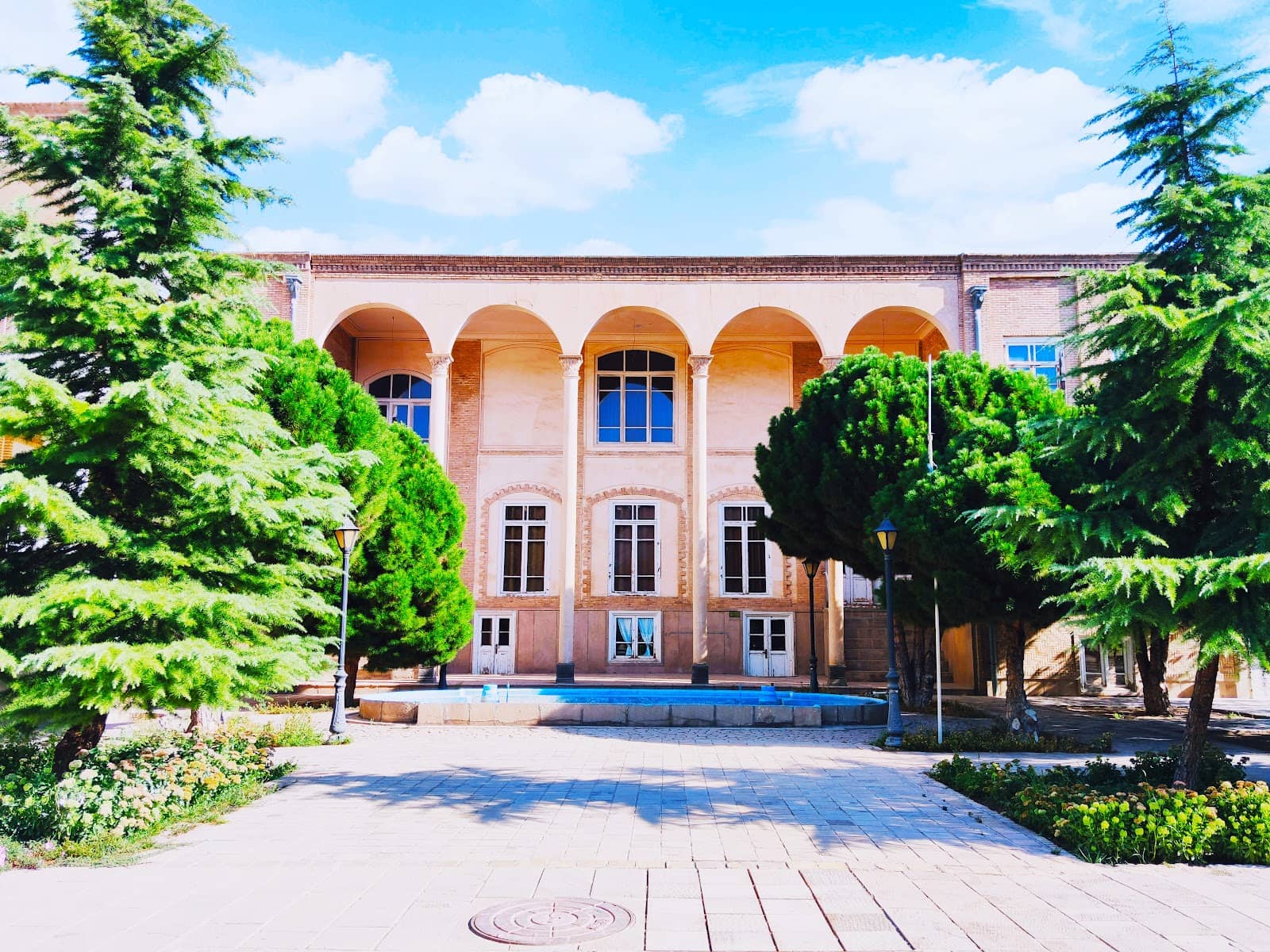
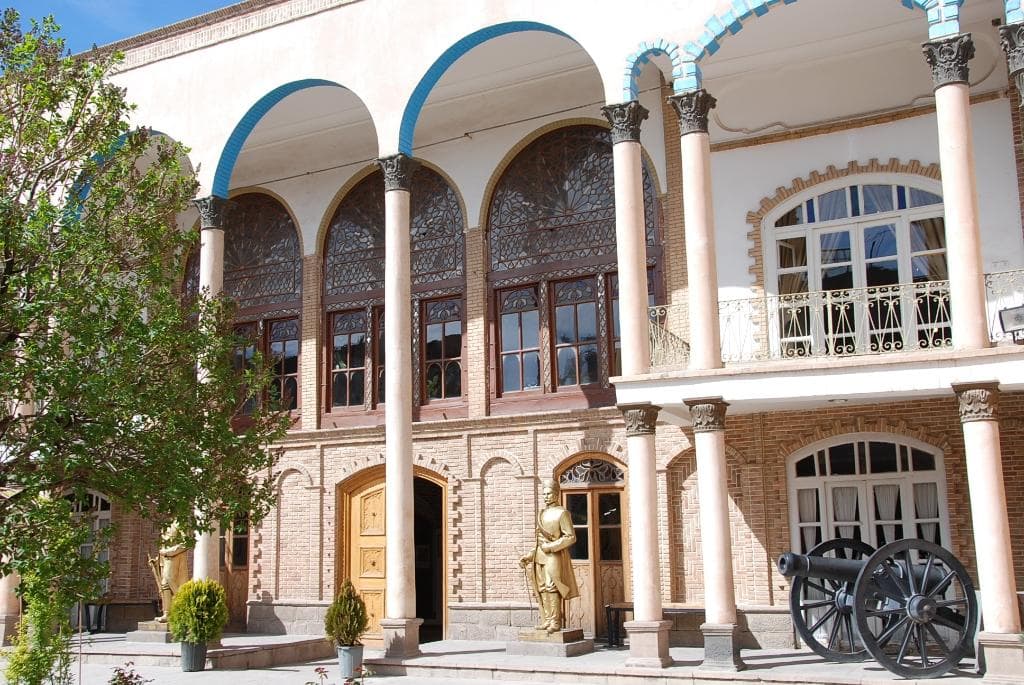
Admire the grandeur of this late Qajar period mansion, a testament to traditional Iranian architectural styles.
Early Pahlavi Basements
Explore the distinctive basements from the Pahlavi era, adding a unique layer to the house's architectural narrative.
Extroverted Design
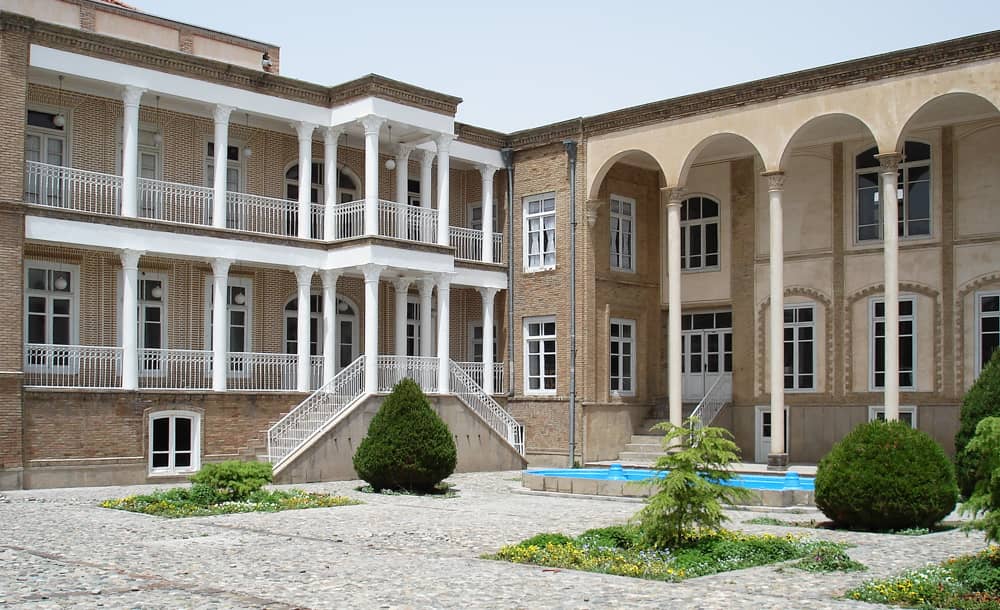
Experience the building's extroverted architecture, a common feature of Qajar-period structures in Tabriz.
Plans like a pro.
Thinks like you
Planning Your Visit
Afternoon Visits Only
Historical Significance
Best Times
Insider Tips
from TikTok, Instagram & Reddit
🎯 Afternoon Access Only
Remember, visits are limited to afternoons (after 3-4 PM) as it's part of the Art College. :clock1:
🏛️ National Monument Status
Appreciate its historical significance as a registered national monument of Iran. ⭐
📐 Architectural Blend
Note the unique mix of Qajar and early Pahlavi architectural styles. :building_construction:
Tips
from all over the internet
🎯 Afternoon Access Only
Remember, visits are limited to afternoons (after 3-4 PM) as it's part of the Art College. :clock1:
🏛️ National Monument Status
Appreciate its historical significance as a registered national monument of Iran. ⭐
📐 Architectural Blend
Note the unique mix of Qajar and early Pahlavi architectural styles. :building_construction:
What Travellers Say
Reviews Summary
Ganjei Zadeh House is a historically significant Qajar-era mansion in Tabriz, noted for its unique blend of traditional and early modern architectural styles. Visitors appreciate its national monument status and the distinct Pahlavi basements. However, the restricted afternoon visiting hours due to its function as part of an art college can be a point of inconvenience.
"The Ganjaizadeh House dates back to the Qajar period and is located in Tabriz, in the historical Maghsoudieh neighborhood, opposite the Faculty of Architecture. This work was first registered on April 13, 1997, with registration number 1850, along with the Behnam and Ghadaki houses, as one of the national monuments of Iran."
Abbas Alijani
"It is one of the historical buildings that is part of the Tabriz Art College complex, so you cannot visit it in the morning and must go in the afternoon after 3 or 4 pm to be allowed to visit!"
mahila h
"🔹Ganjaeizadeh House dates back to the Qajar period and is located in Tabriz, in the historical Maghsoudieh neighborhood, opposite the Faculty of Architecture. This work was first registered on April 13, 1997, with registration number 1850, along with Behnam and Ghadaki houses, as one of the national monuments of Iran. It was also registered independently on August 23, 2002, with registration number 6021.
🔹The construction date of the Ganjaeizadeh House dates back to the end of the Qajar period, although the special basements of the Pahlavi period have given it the color and flavor of Pahlavi era architecture.
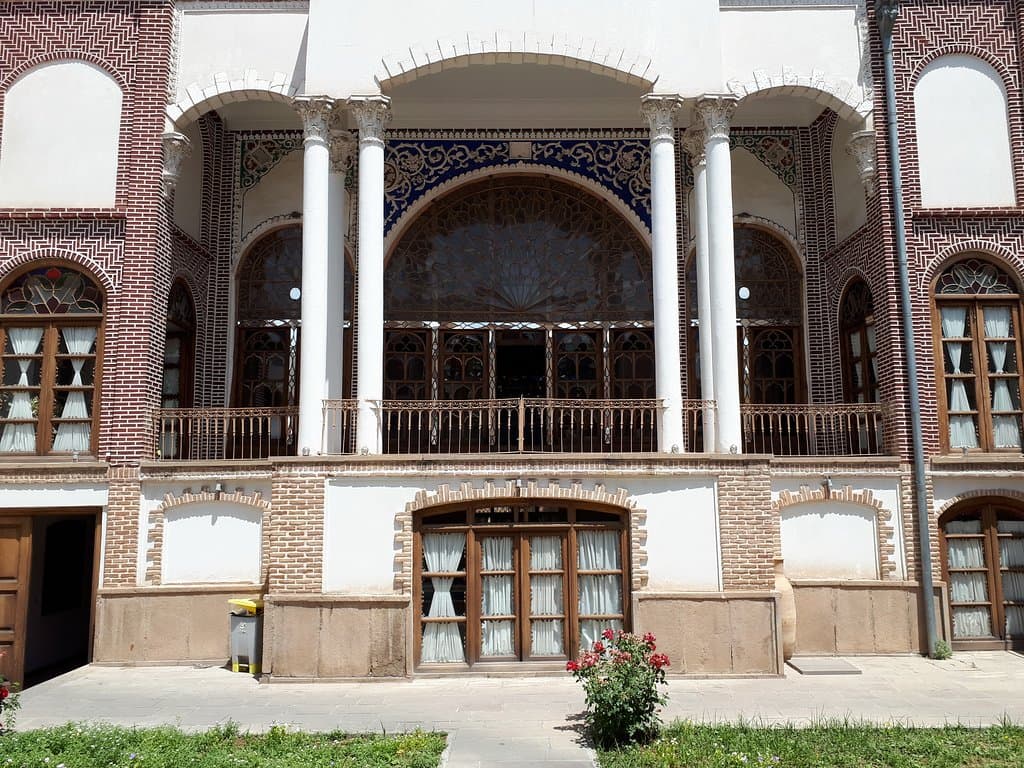
🔹This house has an area of three thousand square meters and its grandeur consists of rooms in a row on three floors without interiors and exteriors. The use of sharp angles in the construction of the Ganjaeizadeh House and rectangular windows without curvature in the building of this building are a familiar sign of the beginning of modern architecture and a departure from traditional Iranian architecture in Tabriz."
Hadi Saheb Khajeh
What People Like
What People Dislike
Frequently Asked Questions
🚇 🗺️ Getting There
Ganjei Zadeh House is located in the historical Maghsoudieh neighborhood of Tabriz, opposite the Faculty of Architecture. You can reach it by local taxi or ride-sharing services. It's advisable to confirm the exact location with your driver as it's part of the Tabriz Art College complex.
While specific bus routes might be complex, using ride-sharing apps or taxis is generally the most straightforward way to reach the Maghsoudieh neighborhood where the house is situated. Ask to be dropped off near the Faculty of Architecture.
Using a GPS-enabled map app on your smartphone is highly recommended. Search for 'Ganjei Zadeh House' or 'Tabriz Art College' to get directions. Local landmarks like the Faculty of Architecture can also help guide you.
🎫 🎫 Tickets & Entry
Ganjei Zadeh House is only accessible in the afternoons, typically after 3 or 4 PM, as it is part of the Tabriz Art College. It's best to confirm exact closing times on the day of your visit.
Information regarding ticket prices is not readily available, but as it's part of an educational institution, there might be a small entrance fee or it could be free for visitors during permitted hours. It's wise to have some cash on hand just in case.
No, visits to Ganjei Zadeh House are strictly limited to the afternoon, usually starting from 3 or 4 PM, due to its function as part of the Tabriz Art College.
There is no mention of a complex registration process. Visitors are generally allowed in during the afternoon hours. However, respecting the academic environment is key.
🎫 🏛️ Onsite Experience
You can explore the Qajar-era rooms and the unique Pahlavi-era basements. The house showcases an extroverted architectural style and offers insight into the transition from traditional to modern Iranian architecture.
Yes, the historical architecture and unique design elements make Ganjei Zadeh House a great spot for photography. Capture the sharp angles, rectangular windows, and the blend of different architectural periods.
A visit typically takes about 1 to 1.5 hours, allowing you to explore the different floors and appreciate the architectural details without feeling rushed.
Information on guided tours is limited. It's advisable to explore independently or inquire on-site if any informal guides are available, though self-guided exploration is common.
📸 📸 Photography
Focus on the exterior architectural details, the sharp angles, and the rectangular windows. The contrast between the Qajar and Pahlavi sections also offers unique photographic opportunities. The central staircase is another notable feature.
Generally, photography for personal use is allowed. However, it's always good practice to be respectful of the academic environment and avoid intrusive photography, especially if classes are in session.
Since visits are in the afternoon, you can expect natural daylight. The large windows and open spaces should provide decent lighting, but consider bringing a lens that performs well in varied light if you plan to shoot interiors.


Social
from TikTok, Instagram & Reddit