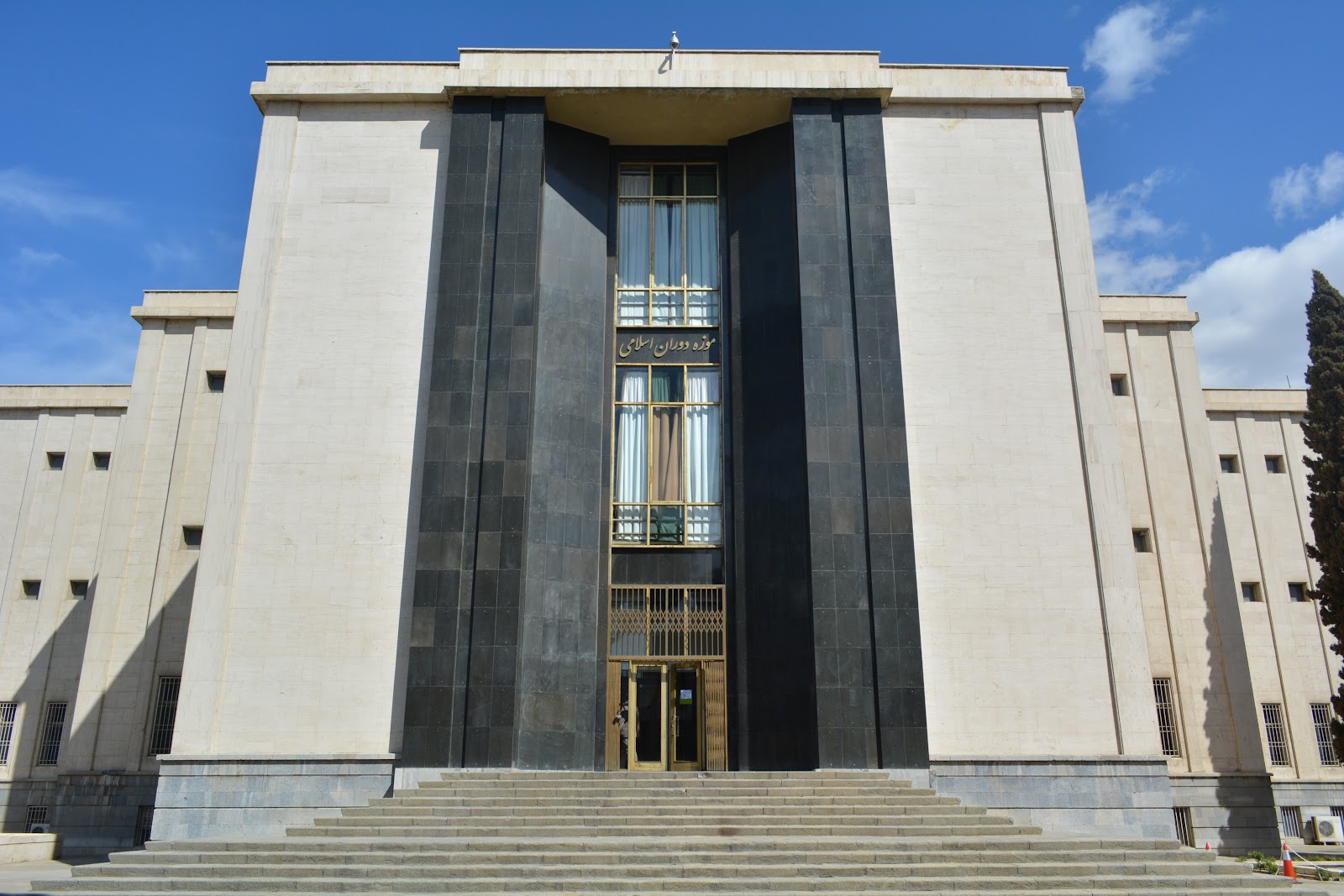
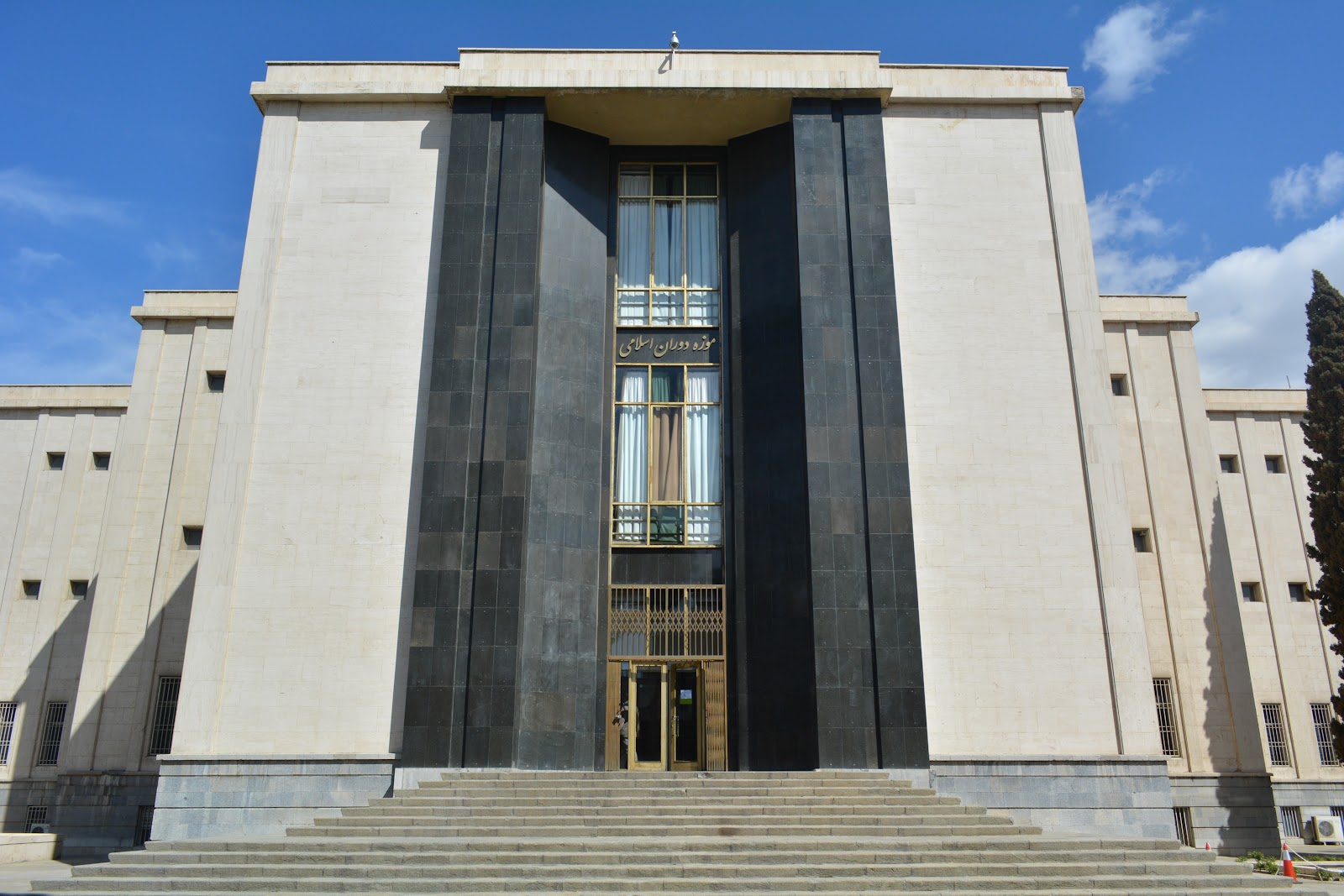
Museum of the Islamic Era
A serene cultural gem showcasing the rich artistic heritage of Islamic eras through stunning ceramics, manuscripts, and more.
Highlights
Must-see attractions

Social
From TikTok & Reddit
Best Time
Fewer crowds, more peaceful exploration
Museum of the Islamic Era
Best Time
Fewer crowds, more peaceful exploration
Highlights
Must-see attractions
A serene cultural gem showcasing the rich artistic heritage of Islamic eras through stunning ceramics, manuscripts, and more.
"A must-visit cultural gem that combines excellent curation, modern amenities, and outstanding hospitality."
Grab an English Brochure! 📚
Highly recommended for context on exhibits. Find it near the stairs.
Allocate Ample Time 🕐
The museum is large with three floors; plan for at least an hour to absorb everything.
Quick Facts
Rating
4.6 · 79 reviews
Type
Museum
Highlights
Discover the most iconic attractions and experiences
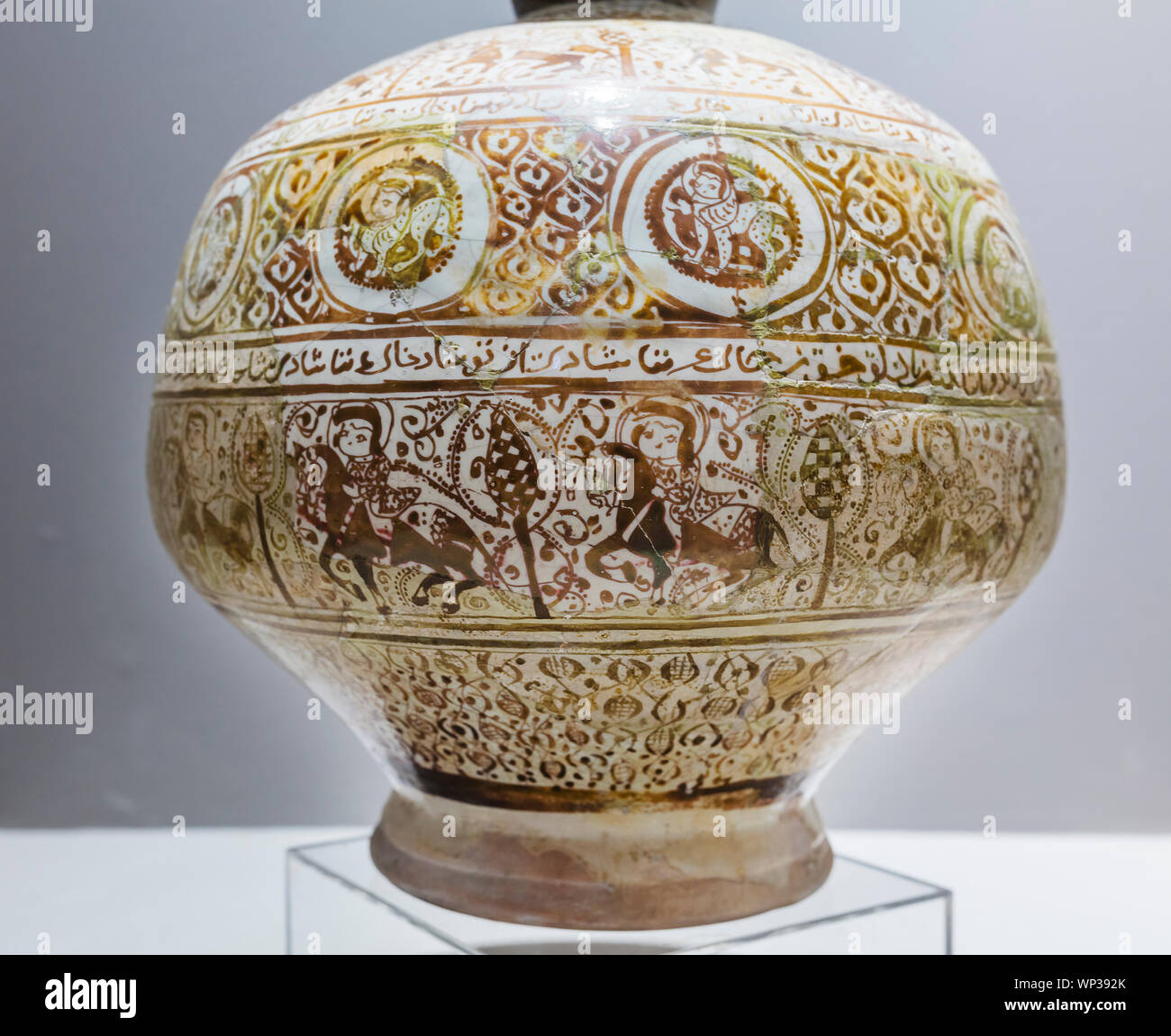
Ceramic Masterpieces
Second Floor
Marvel at intricate ceramic works spanning centuries, showcasing diverse Islamic artistic styles.
Ancient Scripts & Manuscripts
First Floor
Be captivated by beautifully preserved ancient scripts and illuminated manuscripts with stunning paintings.
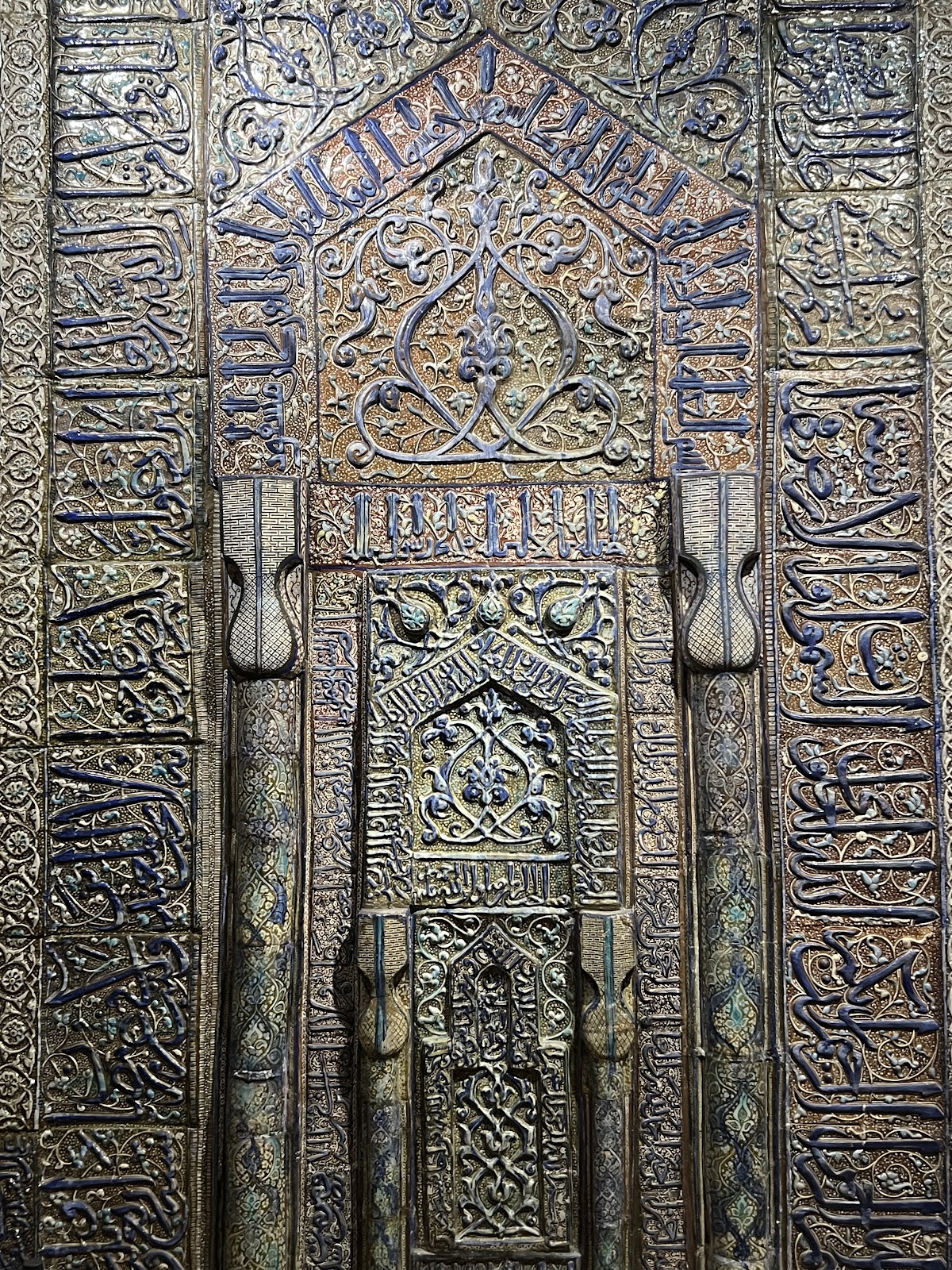
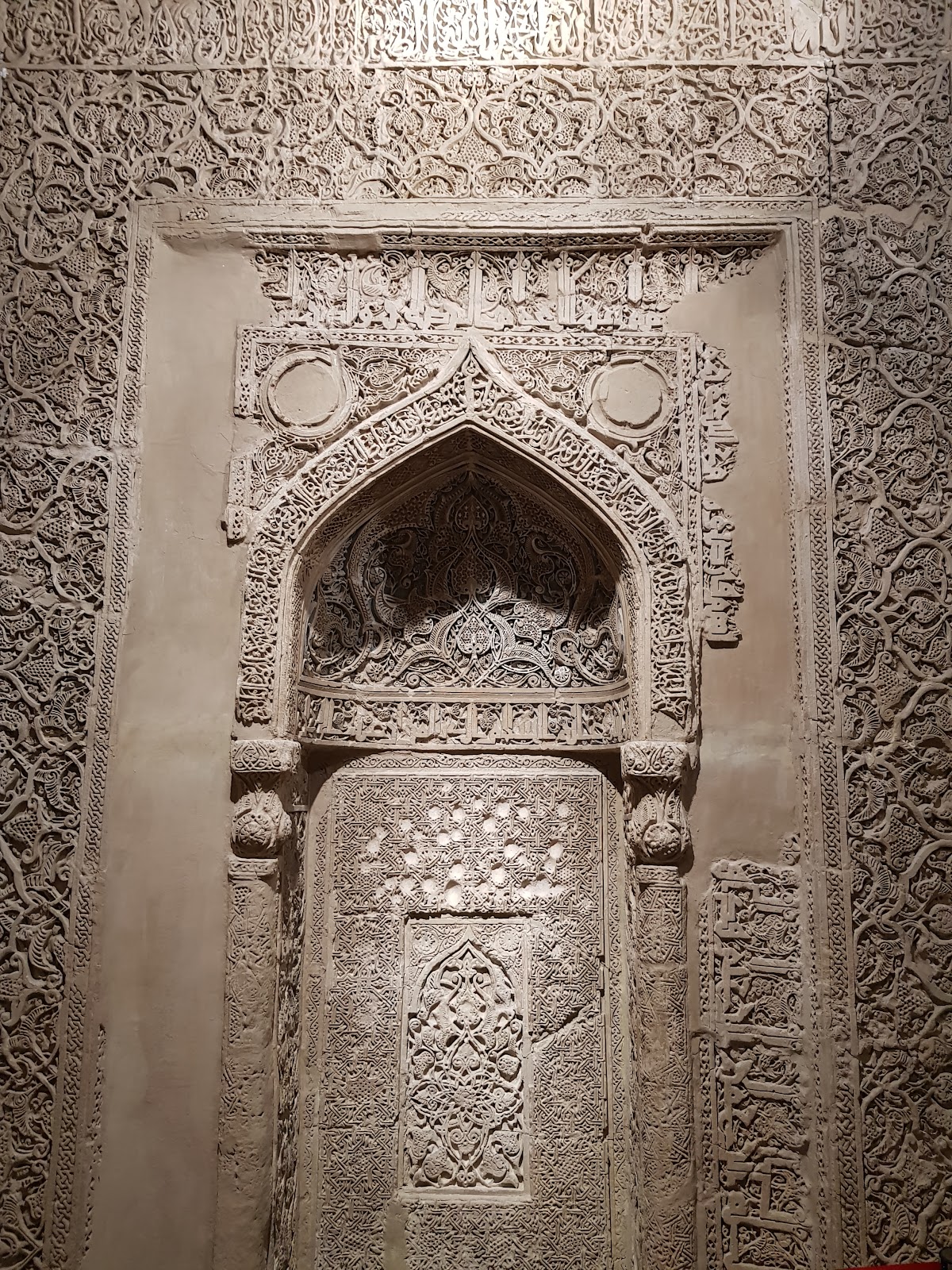
Stone and Tile Artistry
Second Floor
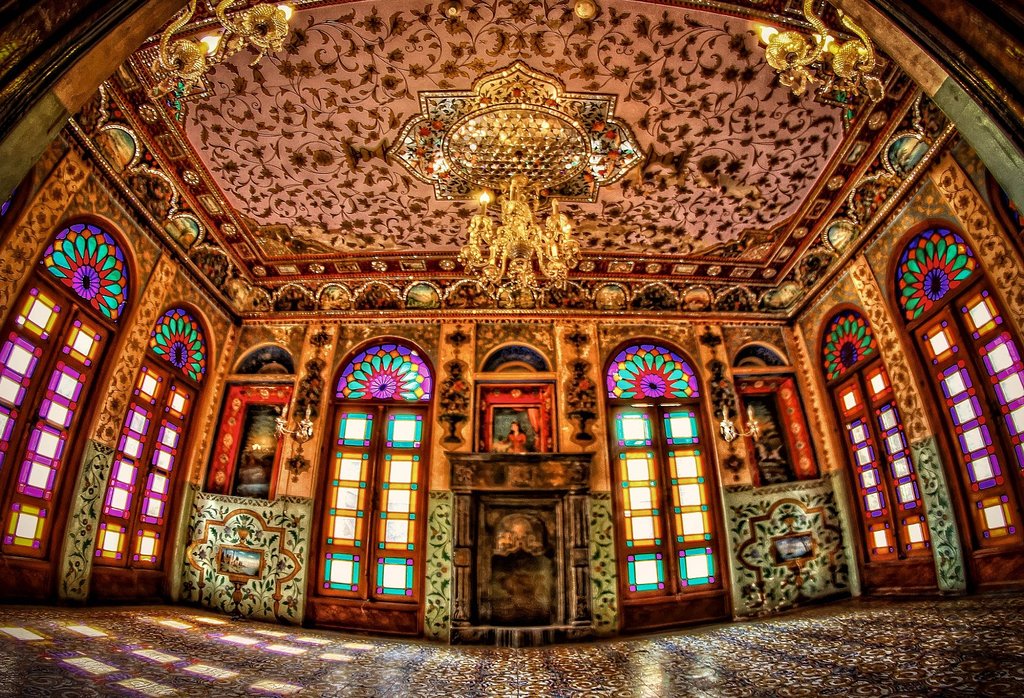
Admire detailed stone carvings and vibrant tile work, reflecting the architectural and decorative prowess of Islamic eras.
Plans like a pro.
Thinks like you
Planning Your Visit
Timing Your Visit for Serenity
Navigating Your Exploration
Best Times
Insider Tips
from TikTok, Instagram & Reddit
Grab an English Brochure! 📚
Highly recommended for context on exhibits. Find it near the stairs.
Allocate Ample Time 🕐
The museum is large with three floors; plan for at least an hour to absorb everything.
Comfortable Seating Available 🪑
Take breaks to absorb the art; comfy seating is provided throughout.
Clean Facilities & Lockers 🔒
Enjoy clean restrooms and secure lockers for your belongings.
Tips
from all over the internet
Grab an English Brochure! 📚
Highly recommended for context on exhibits. Find it near the stairs.
Allocate Ample Time 🕐
The museum is large with three floors; plan for at least an hour to absorb everything.
Comfortable Seating Available 🪑
Take breaks to absorb the art; comfy seating is provided throughout.
Clean Facilities & Lockers 🔒
Enjoy clean restrooms and secure lockers for your belongings.
Friendly & Knowledgeable Staff :raised_hand:
Staff are polite and eager to share information, enhancing your visit.
What Travellers Say
Reviews Summary
Visitors rave about the Museum of the Islamic Era, calling it a remarkable cultural gem with a serene atmosphere and intellectually stimulating exhibits. The thoughtful design, clean facilities, and exceptionally polite and knowledgeable staff are frequently highlighted as major positives, making it a highly recommended destination for understanding Islamic art and history.
"The Islamic Museum in Tehran is truly a remarkable place that beautifully showcases the rich and diverse heritage of the Islamic era. From the moment you step inside, you are greeted by an atmosphere that is both serene and intellectually stimulating, making it an ideal destination for history enthusiasts, art lovers, and anyone interested in Islamic culture.
One of the standout features of this museum is its thoughtful and elegant design. The layout is intuitive and spacious, allowing visitors to comfortably explore each exhibit without feeling rushed or crowded. The lighting and display cases are carefully arranged to highlight the intricate details of the artifacts, manuscripts, ceramics, textiles, and calligraphy on display. Each piece tells a unique story, providing deep insights into the artistic and cultural achievements of Islamic civilizations across different periods and regions.
The museum’s facilities are also commendable. The toilets are impeccably clean, which is always appreciated during a long visit. Additionally, the availability of safe lockers offers peace of mind for visitors who want to securely store their belongings while immersing themselves in the exhibits.
What truly elevates the experience is the exceptional staff. Every member of the team is polite, knowledgeable, and genuinely eager to assist visitors. Their friendly demeanor and willingness to share information enhance the educational value of the visit and make everyone feel welcome.
Overall, the Islamic Museum in Tehran is a must-visit cultural gem that combines excellent curation, modern amenities, and outstanding hospitality. Whether you are a local or a tourist, spending a few hours here will enrich your understanding of Islamic art and history in a comfortable and respectful environment. I highly recommend it!"
Mahdiyeh Zamankhanpour
"Next to National Museum of Iran ( Iran Bastam Museum), Museum of Islamic archeology and Art of Iran reopened in 2015 has exhibition on 1st and 2 nd Fl ( not on ground floor). Suggested to go to the 2nd Floor first, you will find all kinds of ceramic works, followed by stone work, the latter I love. The first floor also shows old scripts and books as well as tile and doors I loved. There are several comfy seatings if you just want to absorb all the amazing work. I could used the ticket I bought at the entrance of the national museum for here too. I think it was 500 k IR. There was an English free broacher which explained a lot ( beside stairs) which is highly recommended to check ! Very informative. Gift shop available it seems but I could not really find much on display… would love to buy some postcards but maybe postcards no longer exists in this world!!!
I spent about 1 hour- just being absorbed in the depth of arts in Iran. I went at around lunchtime on Friday but comfortably left alone!"
Yumiko
"The museum exhibited spectacular and unique pieces belonging to all Islamic eras. It provided the guests with quite satisfactory informative labels in English. It has three stories and each floor has a vast area. So, better to allocate some time for it."
Esra Çil
What People Like
What People Dislike
Frequently Asked Questions
🚇 🗺️ Getting There
The Museum of the Islamic Era is located near the National Museum of Iran (Iran Bastam Museum). You can reach it via taxi or ride-sharing services. Public transport options like the metro are also available, with stations within walking distance.
Parking can be challenging in central Tehran. It's advisable to use ride-sharing apps or public transport to avoid parking hassles.
In some cases, a ticket purchased for the National Museum of Iran may also grant entry to the Museum of the Islamic Era. It's best to confirm at the ticket counter upon arrival.
While specific station names can vary, using a navigation app to find the closest metro station to the National Museum of Iran complex will lead you to the vicinity of the Islamic Museum.
The museum is generally spacious, but specific accessibility details for all floors should be confirmed directly with the museum.
🎫 🎫 Tickets & Entry
Admission fees can vary. One reviewer mentioned a fee of around 500,000 IR (Iranian Rial) and that it might be included with a National Museum ticket. It's recommended to check current pricing at the entrance.
The museum reopened in 2015 and is spread across three floors. While specific daily hours aren't always listed, it's generally open during typical museum hours. Visiting on weekdays outside of peak times is advised.
Advance booking is usually not required for the Museum of the Islamic Era. Tickets can typically be purchased at the entrance.
Information on specific discounts is not readily available. It's advisable to inquire at the ticket counter for any potential concessions.
Re-entry policies can vary. It's best to clarify with museum staff at the entrance if you plan to leave and return.
🎫 🏛️ Onsite Experience
The museum displays a wide array of artifacts from various Islamic eras, including ceramics, stone work, ancient scripts, illuminated manuscripts, tiles, and doors.
While the museum offers a rich historical and artistic experience, its content might be more engaging for older children and adults interested in history and art.
Guided tours are not explicitly mentioned, but the informative English brochures and knowledgeable staff can greatly enhance your understanding of the exhibits. +1
Photography policies can vary. It's best to look for signage or ask museum staff before taking pictures to ensure compliance.
Visitors typically spend about an hour to an hour and a half exploring the museum, depending on their level of interest.
🍽️ 🍽️ Food & Dining
There are no specific mentions of on-site dining facilities within the Museum of the Islamic Era itself. However, the surrounding area near the National Museum complex likely offers dining options.
Generally, bringing outside food and drinks into museums is discouraged to protect the artifacts. It's best to consume them before entering or after your visit.
The area around the National Museum of Iran often has local eateries and cafes. Exploring the nearby streets will reveal various dining choices.
📸 📸 Photography
Photography rules can change. Look for signs or ask staff for clarification. Some areas might prohibit flash photography to protect delicate artifacts.
The intricate details of the ceramics, the calligraphy in the manuscripts, and the decorative tiles offer excellent photographic opportunities. Focus on the artistry.
Professional photography equipment and tripods are often restricted in museums to avoid disruption and potential damage. Personal camera use is usually permitted, subject to general rules.
Social
from TikTok, Instagram & Reddit